How to Reduce Stress and Cortisol After 40
Learn how to reduce stress and cortisol after 40 with 5 evidence-backed steps — including gut-brain axis repair, strength training, and sleep optimisation.


You're sleeping but still exhausted. The belly fat won't shift no matter what you eat. Your motivation has quietly disappeared, and your mood is harder to manage than it used to be. If this sounds familiar, you're not imagining it — and it's not simply "getting older."
Most people in their 40s and beyond have tried cutting calories, pushing through fatigue, or downloading a meditation app for a week. Nothing sticks because the root cause stays untouched. Chronically elevated cortisol — your body's primary stress hormone — quietly drives nearly every one of these symptoms. And after 40, your body becomes significantly more sensitive to it.
This guide shows you exactly how to reduce stress and cortisol after 40 using five evidence-backed steps that work with your biology, including the often-overlooked gut-brain connection that makes everything else harder when it's ignored.

Why Stress Hits Harder After 40 in the First Place
Hormonal resilience declines with age. Testosterone, oestrogen, and growth hormone all drop after 40, leaving cortisol with far less hormonal opposition. What your body once recovered from in a day can now linger for a week.
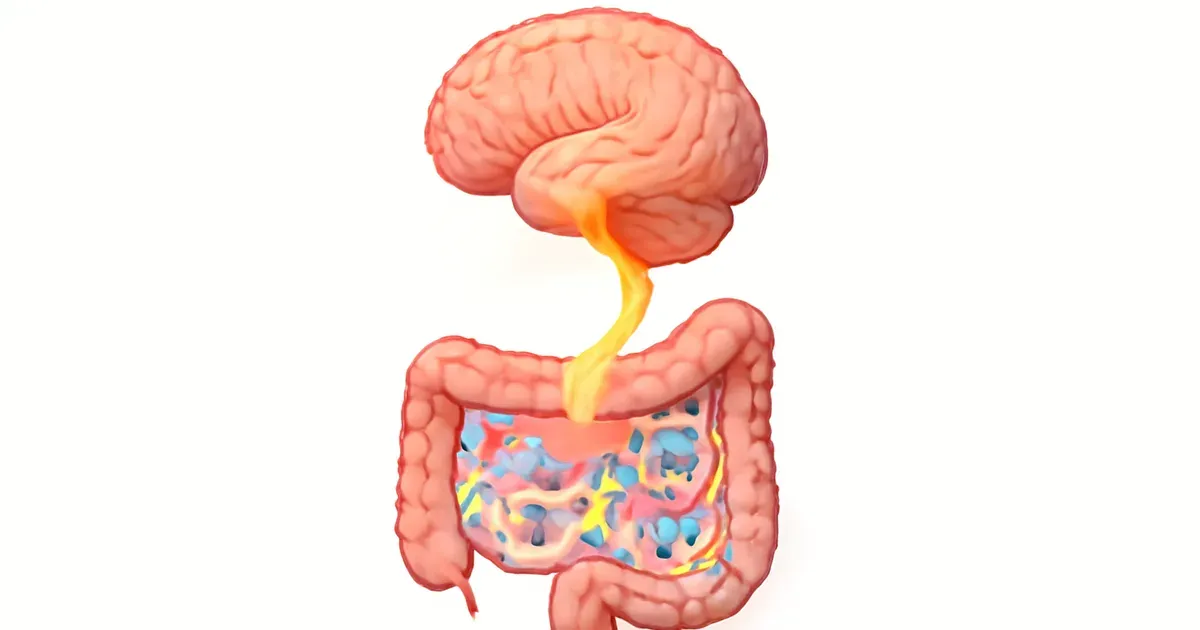
Your gut-brain axis also becomes more vulnerable as you age. The gut-brain axis is the two-way communication highway between your gastrointestinal tract and your central nervous system. Chronic stress disrupts the gut microbiome — the trillions of bacteria that regulate mood, immunity, and inflammation. A damaged microbiome, in turn, amplifies the stress response, creating a feedback loop that keeps cortisol elevated long after the original stressor has passed.
- Adrenal sensitivity increases — the same workload triggers a larger cortisol spike
- Recovery slows — cortisol stays elevated longer after each stressor
- Gut microbiome diversity drops — reducing production of GABA and serotonin, neurotransmitters that calm the stress response
- Inflammation rises — high cortisol and a disrupted microbiome both drive systemic inflammation
- Sleep architecture shifts — lighter sleep means less overnight cortisol clearance
Understanding this gives you a clear target. You're not fighting stress itself — you're rebuilding the biological systems that were designed to handle it.
Step 1: Build Strength to Lower Your Cortisol Baseline
Strength training is the single most powerful tool available to adults over 40 who want to reduce stress and cortisol after 40. Multiple studies show that regular resistance exercise lowers baseline cortisol, increases testosterone and growth hormone, and improves insulin sensitivity — all of which deteriorate when cortisol stays chronically high.
High cortisol breaks down muscle tissue (a process called catabolism), which slows your metabolism and increases your risk of falls, injury, and metabolic disease. Lifting weights reverses this directly. It signals your body to preserve and build muscle, while simultaneously recalibrating the hypothalamic-pituitary-adrenal (HPA) axis — the control system that decides how much cortisol you produce.
Aim for two to three sessions per week using compound movements: squats, deadlifts, rows, and presses. Keep sessions to 45–60 minutes — longer workouts can spike cortisol rather than lower it. Progress gradually, prioritise recovery, and treat rest days as part of the programme rather than a gap in it.
Pro tip: A short walk after your workout blunts the post-exercise cortisol spike and stabilises blood sugar — a double benefit for anyone over 40.

Step 2: Repair Your Gut Microbiome to Break the Stress Loop
The gut-brain axis is the missing piece in most stress-management conversations. Your gut microbiome produces roughly 90% of your body's serotonin and significant quantities of GABA — two neurotransmitters that directly suppress the stress response. When chronic stress depletes beneficial gut bacteria, your brain loses these natural calming signals, and cortisol climbs even higher.
Restoring microbiome diversity is therefore not a wellness trend — it's a direct cortisol intervention. Research published in leading gastroenterology and neuroscience journals consistently shows that probiotic supplementation and high-fibre diets reduce perceived stress scores, lower inflammatory markers, and improve mood in middle-aged adults. The gut-brain connection works both ways: calm the gut, and the brain follows.
Practical steps to restore your gut-brain axis:
- Eat 30+ different plant foods per week — diversity of plants drives diversity of bacteria
- Add fermented foods daily — plain yoghurt, kefir, sauerkraut, or kimchi provide live cultures
- Increase prebiotic fibre — oats, garlic, onions, leeks, and green bananas feed beneficial bacteria
- Reduce ultra-processed foods and excess sugar — both devastate microbiome diversity within 48 hours
- Consider a multi-strain probiotic — look for strains including Lactobacillus rhamnosus and Bifidobacterium longum, both studied for stress and anxiety reduction
Pro tip: Omega-3 fatty acids (from oily fish or supplements) reduce gut inflammation and support the gut lining — a key structural component of a healthy gut-brain axis.
Step 3: Prioritise Sleep as Your Primary Cortisol Regulator
Sleep is where cortisol resets. During deep sleep, your body clears accumulated cortisol, repairs tissues broken down by stress, and consolidates the emotional processing that prevents anxiety from compounding overnight. Adults over 40 who sleep fewer than seven hours show measurably higher morning cortisol levels and greater reactivity to stressors the following day.
The gut-brain connection plays a role here too. Your gut microbiome follows a circadian rhythm — disrupted sleep alters bacterial composition, reducing strains that produce sleep-promoting compounds like melatonin precursors and short-chain fatty acids. Poor sleep damages the microbiome; a damaged microbiome makes sleep worse. Breaking this cycle is essential if you want to reduce stress and cortisol after 40.
- Sleep 7–8 hours in a cool, dark room
- Avoid screens for 30–60 minutes before bed — blue light suppresses melatonin
- Cut caffeine after 2pm — caffeine has a half-life of 5–7 hours and raises cortisol directly
- Eat a light evening meal that includes magnesium-rich foods (leafy greens, pumpkin seeds, dark chocolate) to support relaxation
- Try 4-7-8 breathing before bed: inhale for 4 counts, hold for 7, exhale for 8
Step 4: Use Targeted Nutrition to Feed Calm From the Inside
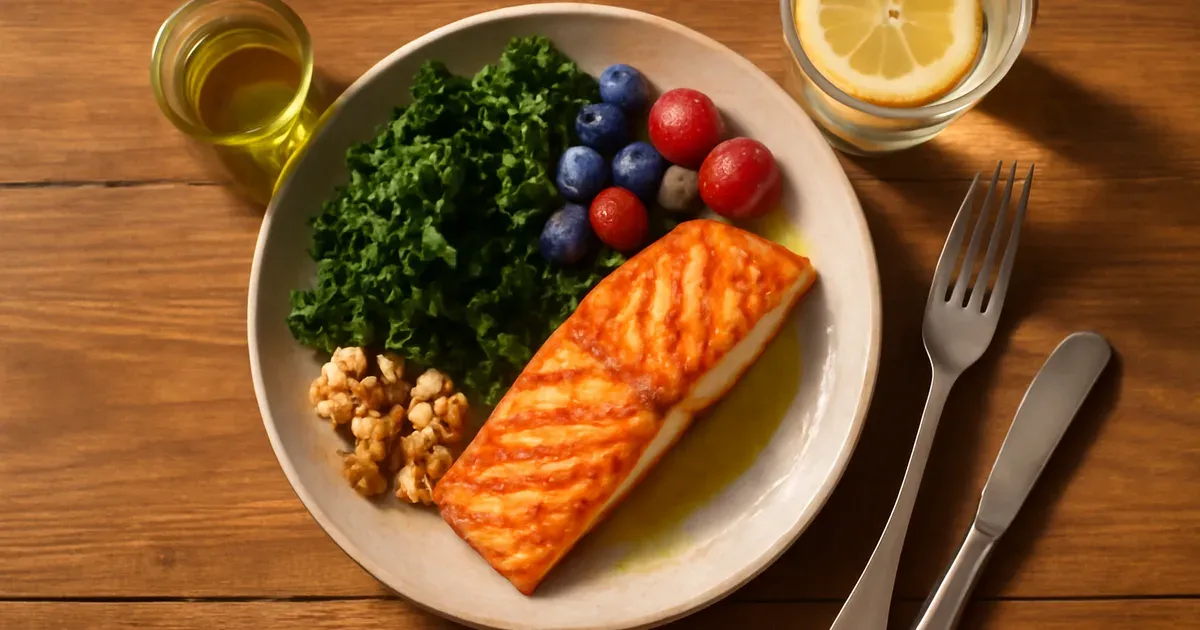
What you eat directly shapes your cortisol levels — and your gut microbiome simultaneously. A cortisol-friendly diet is, by design, also a microbiome-friendly diet, which is why nutrition is one of the highest-leverage interventions available to adults over 40.
Cortisol depletes key nutrients rapidly: vitamin C, magnesium, and zinc are all consumed at higher rates during stress. Replacing them through food — and supplements where needed — restores the raw materials your adrenal glands require to regulate cortisol properly. Meanwhile, the fibre and polyphenols in whole foods act as prebiotics, selectively feeding the beneficial gut bacteria that calm your nervous system via the gut-brain axis.
Foods to prioritise:
- Protein at every meal — eggs, fish, grass-fed beef — to maintain muscle and stabilise blood sugar
- Leafy greens — spinach, kale, and Swiss chard are dense in magnesium, the "relaxation mineral"
- Berries and citrus — high in vitamin C, which directly lowers cortisol after acute stress
- Olive oil, walnuts, and oily fish — anti-inflammatory fats that support both brain and gut lining
- Fermented and fibre-rich foods — for microbiome diversity and gut-brain signalling
Supplements worth considering: Ashwagandha has been shown in multiple randomised controlled trials to reduce serum cortisol by up to 30%. Magnesium glycinate improves sleep and relaxation. Omega-3s reduce inflammatory signalling in both the gut and the brain.
Step 5: Regulate the Gut-Brain Axis Daily With Breathing and Movement
Chronic stress keeps your nervous system locked in sympathetic overdrive — the fight-or-flight state that floods your body with cortisol and shuts down digestion, immune repair, and rational thinking. Deliberately activating the parasympathetic nervous system (rest-and-digest mode) is not optional self-care. It is a physiological necessity for anyone trying to reduce stress and cortisol after 40.
The vagus nerve is the physical cable of the gut-brain axis — it carries signals between your gut and your brain in both directions. Stimulating it through slow nasal breathing, gentle movement, and cold exposure rapidly shifts your nervous system out of stress mode, reduces inflammatory signalling in the gut, and lowers cortisol within minutes. This is one of the fastest and most accessible interventions available.
Daily practices that activate the vagus nerve and gut-brain axis:
- 5 minutes of slow nasal breathing — inhale for 5 seconds, exhale for 5–7 seconds — morning and evening
- 7,000–10,000 steps daily — walking is a low-cortisol movement that stimulates vagal tone
- Post-meal walks of 10–15 minutes — stabilises blood sugar and improves gut motility
- Cold water on the face or neck — a quick vagal stimulation technique supported by research
- Limit screen time in the evening — digital stimulation keeps the sympathetic nervous system activated
Pro tip: Even five minutes of slow breathing before a stressful meeting or conversation measurably reduces cortisol response. Consistency matters more than duration.

What to Expect: A Realistic Timeline
Progress is real, but it builds in layers. Here is what a structured approach typically produces:
Week 1–2: Sleep quality begins to improve. Energy feels slightly more stable. Bloating or digestive irregularity (common with high cortisol) may start to ease as the gut-brain axis begins to settle.
Week 3–4: Morning energy improves noticeably. Brain fog starts to lift. Strength training begins to build consistency and confidence. Gut microbiome diversity starts responding to dietary changes.
Month 2–3: Belly fat begins to shift as insulin sensitivity improves and cortisol baseline drops. Mood stabilises. Libido and motivation return gradually. Gut-brain communication improves, reducing anxiety reactivity.
Month 4–6: Measurable changes in body composition, strength, and cognitive clarity. Biological stress resilience is meaningfully higher. The feedback loops between gut, brain, and adrenal function are working in your favour rather than against you.
Mistakes That Slow Your Progress
- Doing cardio only and skipping strength training — long cardio sessions spike cortisol; resistance training lowers it
- Taking probiotics without increasing dietary fibre — probiotic bacteria need prebiotic fibre to survive and colonise
- Cutting calories aggressively — caloric restriction is a biological stressor that raises cortisol and depletes the gut microbiome
- Ignoring sleep to fit in more workouts — a sleep-deprived body produces 40–70% more cortisol the following day
- Managing stress only with mindfulness while ignoring nutrition — the gut-brain axis requires physical inputs (food, movement) as much as mental ones
What Can Help You Get There Faster
Targeted nutrition tools make the dietary shifts significantly easier to sustain. A high-quality multi-strain probiotic (with Lactobacillus rhamnosus and Bifidobacterium longum), a magnesium glycinate supplement, and an omega-3 fish oil form a practical starting stack for supporting both the gut-brain axis and adrenal function simultaneously.
Structured movement programmes designed for adults over 40 remove the guesswork from strength training. The key is progressive overload with appropriate recovery — something generic gym programmes rarely account for in older adults. Compound movements two to three times per week, combined with daily walking, deliver the greatest cortisol benefit with the lowest injury risk.
Gut-brain tracking tools — including continuous glucose monitors, HRV (heart rate variability) trackers, and microbiome testing kits — are increasingly accessible and give you objective feedback on whether your interventions are working. HRV in particular is one of the most reliable real-time proxies for cortisol load and nervous system recovery status.
Your Action Plan at a Glance
✅ Step 1: Strength train 2–3x per week with compound movements ✅ Step 2: Repair your gut microbiome with diverse plants, fermented foods, and prebiotic fibre ✅ Step 3: Protect 7–8 hours of sleep and eliminate late caffeine ✅ Step 4: Eat a cortisol-friendly, gut-supporting diet rich in protein, magnesium, vitamin C, and healthy fats ✅ Step 5: Stimulate the vagus nerve daily through nasal breathing and consistent walking ✅ Avoid: Long cardio sessions only, aggressive calorie cuts, poor sleep, and ignoring gut health
Frequently Asked Questions
How quickly can I lower cortisol after 40?
Most people notice meaningful changes within two to four weeks of consistently applying sleep, nutrition, and movement interventions. Measurable changes in body composition and gut-brain resilience typically appear between months two and three. The gut microbiome begins responding to dietary changes within 48–72 hours, though sustained diversity improvement takes four to six weeks of consistent input.
Does gut health really affect cortisol and stress levels?
Yes — the evidence is substantial. The gut-brain axis is a bidirectional communication system linking gut bacteria directly to the brain's stress-regulation centres. A diverse microbiome produces serotonin, GABA, and short-chain fatty acids that actively suppress the cortisol response. Disrupting the microbiome — through poor diet, stress, or antibiotics — measurably raises anxiety and cortisol reactivity in human trials.
Which supplements are most effective for reducing cortisol after 40?
Ashwagandha, magnesium glycinate, and omega-3s have the strongest clinical evidence for cortisol reduction in middle-aged adults. Ashwagandha (300–600mg of root extract daily) has been shown to reduce serum cortisol by up to 30% in randomised trials. Magnesium improves sleep and HPA axis regulation. Omega-3s reduce gut and brain inflammation — two key drivers of elevated cortisol after 40.
Is cardio bad for cortisol levels?
Intense or prolonged cardio can raise cortisol — particularly in already-stressed, sleep-deprived adults over 40. Low-intensity cardio such as walking has the opposite effect, lowering cortisol and stimulating vagal tone. Strength training two to three times per week combined with daily walking outperforms cardio-heavy programmes for cortisol management in midlife.
Can a damaged gut microbiome cause belly fat?
Yes, through multiple pathways. Dysbiosis (an imbalanced microbiome) raises systemic inflammation, increases intestinal permeability ("leaky gut"), and impairs insulin sensitivity — all of which promote abdominal fat storage. High cortisol and a disrupted gut microbiome reinforce each other, creating a cycle that makes belly fat particularly stubborn after 40. Restoring microbiome diversity is one of the most direct dietary strategies for breaking this cycle.