How to Support Your Oral-Gut Microbiome in 4 Steps
Learn 4 science-backed steps to support your oral-gut microbiome axis, reduce inflammation, and improve gut-brain health — without extreme diets.

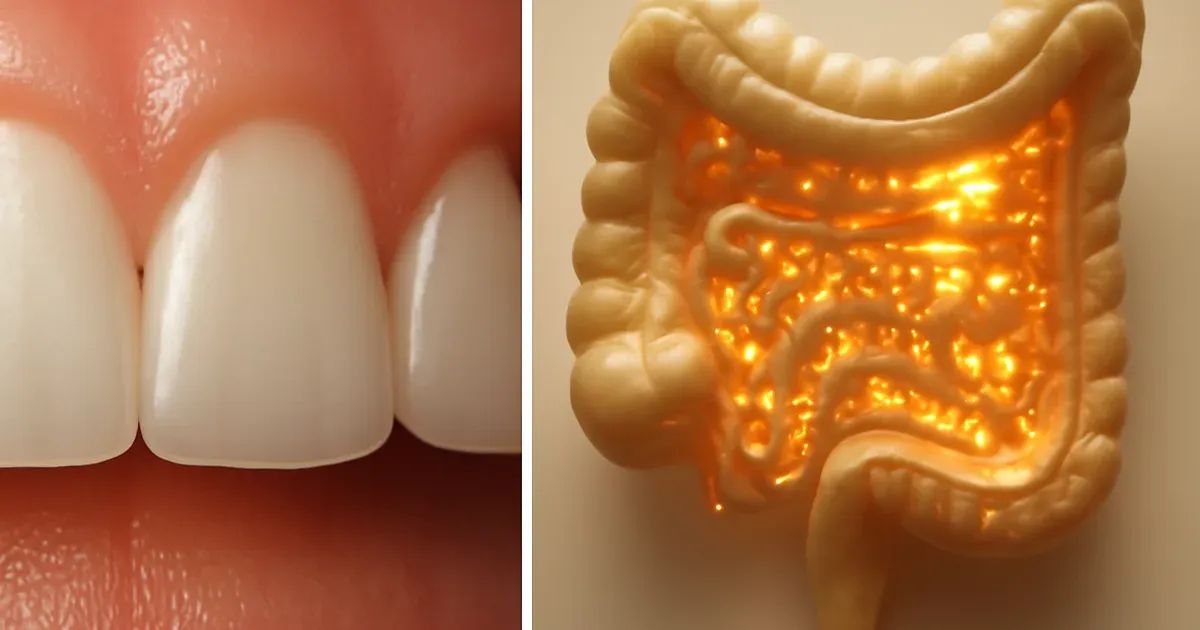
You've tried the probiotics. You've cut the sugar. You've even gone dairy-free for a month. Yet your digestion still feels off, your energy dips without warning, and your mouth seems to have a life of its own — bad breath, inflamed gums, or persistent sensitivity that no amount of brushing fully fixes.
Most gut health advice treats the mouth and the gut as completely separate problems. That's the gap nobody talks about. Emerging research shows these two ecosystems are deeply connected — and when one is disrupted, it can quietly destabilise the other. If you've been fixing only half the equation, that explains why results have been frustratingly slow.
This guide lays out four science-informed steps to support the oral-gut microbiome axis — the living communication channel between your mouth and your intestines — without overhauling your entire lifestyle overnight.
Why the Oral-Gut Microbiome Problem Happens in the First Place
Most people don't realise the mouth is a gateway, not just a starting point. The oral cavity harbours one of the most diverse microbial communities in the human body — hundreds of bacterial species, fungi, viruses, and archaea — all living in a carefully balanced ecosystem across teeth, gums, tongue, and cheeks.
When that balance tips into dysbiosis — driven by poor diet, antibiotics, stress, or inconsistent oral hygiene — opportunistic oral bacteria can travel down the gastrointestinal tract. Research published in Nature Reviews Microbiology confirms that oral microorganisms can reach and colonise the gastrointestinal tract, particularly when gut defences are already weakened. This "oral-to-gut translocation" is now considered a meaningful driver of systemic inflammation.
Here is why this creates a compounding cycle:
- Gum disease and oral dysbiosis generate inflammatory signals that enter the bloodstream
- Displaced oral bacteria such as Fusobacterium nucleatum can outcompete beneficial gut strains
- A disrupted intestinal barrier — sometimes called "leaky gut" — allows microbial products to trigger immune responses far beyond the digestive tract
- The gut-brain axis amplifies these signals: inflammatory mediators influence mood, cognition, and stress hormones, which in turn affect microbial diversity
- Chronic low-grade inflammation from both sites feeds conditions ranging from metabolic disorders to autoimmune disease
The root issue is not bad bacteria alone — it is the loss of microbial diversity and the collapse of the structural and immunological barriers that normally keep communities in their rightful niches.

Step 1: Audit Your Oral Microbiome Environment
Before you can fix the oral-gut microbiome axis, you need to understand the current state of your mouth. This isn't about brushing harder — it's about assessing the conditions that allow dysbiosis to take hold.
Start by booking a periodontal assessment with your dentist, specifically asking about pocket depth measurements and signs of subclinical gum inflammation. Many people carry periodontal disease for years without pain. Gum disease is not merely a dental problem; research has linked it to systemic inflammatory comorbidities including cardiovascular disease, type 2 diabetes, and rheumatoid arthritis.
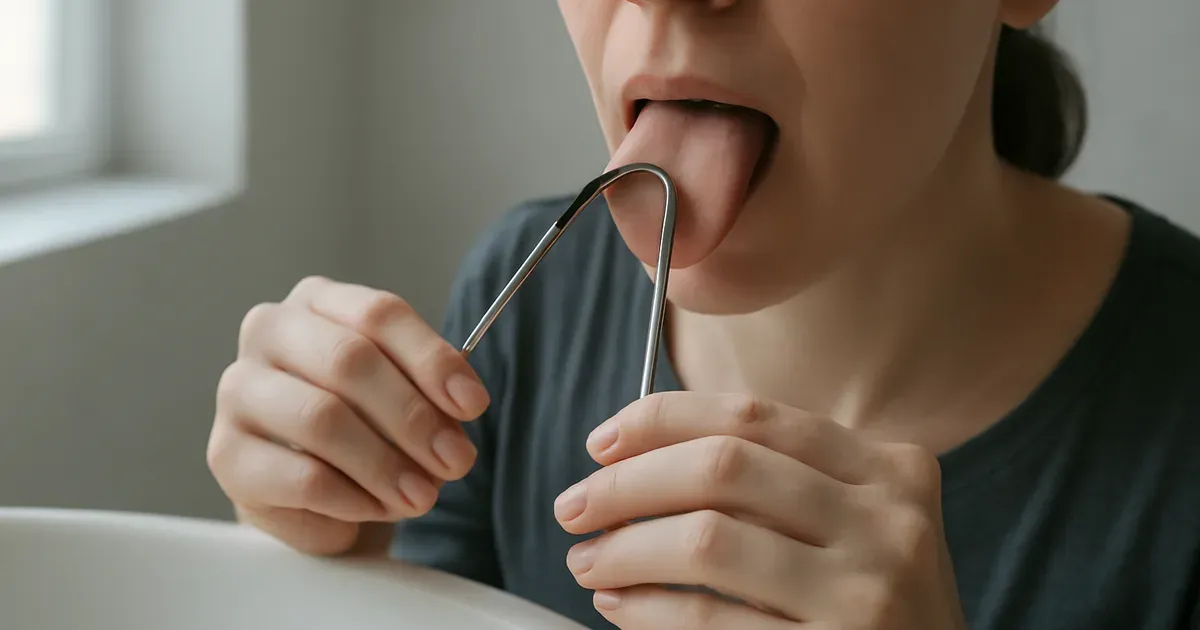
Next, examine your daily oral hygiene routine honestly. Interdental cleaning, tongue scraping, and the type of toothpaste you use all shape microbial composition. Alcohol-based mouthwashes, for example, are broadly antimicrobial and can reduce the nitrate-reducing bacteria on your tongue that are essential for cardiovascular health.
Pro-tip: Replace alcohol-based mouthwash with a saline rinse or a product containing xylitol, which selectively inhibits Streptococcus mutans without broad-spectrum microbial disruption.
- Assess gum health professionally at least once per year
- Switch to a soft-bristle brush to reduce gum trauma
- Add daily interdental cleaning (floss or interdental brushes)
- Scrape the tongue each morning to reduce bacterial load
- Avoid smoking, which is one of the strongest drivers of oral dysbiosis
Step 2: Rebuild Gut Barrier Integrity
The gut's physical barrier is your second line of defence after the mouth. The intestinal epithelium — a single-cell-thick lining — acts as a selective gatekeeper, allowing nutrients in while keeping microbial products and pathogens out. When this barrier is compromised, the consequences extend well beyond digestion.
Focusing on gut barrier repair means prioritising specific nutrients and food patterns shown to support tight-junction proteins, the molecular "zips" that hold gut lining cells together. Butyrate, a short-chain fatty acid produced when gut bacteria ferment dietary fibre, is one of the most studied barrier-supporting compounds. Eating a fibre-diverse diet — aiming for 30 different plant foods per week — consistently increases butyrate-producing species such as Faecalibacterium prausnitzii and Roseburia intestinalis.
Polyphenol-rich foods — berries, dark chocolate, green tea, olive oil — provide prebiotics that selectively feed beneficial microbes while reducing inflammatory signalling. Fermented foods such as kefir, kimchi, and live-culture yoghurt introduce additional microbial diversity and have been shown in clinical trials to reduce inflammatory markers.
Pro-tip: Introduce high-fibre foods gradually over 2–3 weeks. A rapid increase can cause bloating and gas that discourages people from continuing — start with an additional serving of vegetables per day and build from there.
- Prioritise prebiotic fibres: oats, leeks, garlic, Jerusalem artichoke
- Add one fermented food daily
- Reduce ultra-processed foods, which are consistently associated with lower microbial diversity
- Stay well-hydrated — mucus layer integrity depends on it
Step 3: Interrupt the Oral-to-Gut Translocation Pathway
Once you understand that oral bacteria can colonise the gut, the logical next step is to reduce the volume of dysbiotic oral microbes that reach the intestine. This step sits at the intersection of oral health and gut microbiome science — and it's where many gut health protocols fall short by ignoring the upstream source entirely.
Salivary flow is your mouth's natural self-cleaning system. Saliva contains antimicrobial peptides, immunoglobulins, and enzymes that control microbial populations before they're swallowed. Chronic mouth breathing, dehydration, and certain medications — antihistamines, antidepressants, blood pressure drugs — significantly reduce salivary flow, increasing the microbial load that reaches the stomach.
A 2019 study published in eLife found that transmission of microbes from the oral cavity to the large intestine is common even among healthy individuals — making consistent oral hygiene not just a dental concern but a genuine gut health strategy. Managing stress and nasal breathing practices (such as taping the mouth closed during sleep, or practising nasal breathing exercises) can meaningfully support salivary defence mechanisms.
Pro-tip: If you take medications that dry the mouth, speak to your prescriber about timing doses strategically or using salivary substitutes at night, when flow is naturally lowest.
- Drink water consistently throughout the day
- Address mouth breathing with an ENT or sleep specialist if needed
- Time oral hygiene to reduce microbial load before sleep, when swallowing rate drops
- Treat any active gum disease as a gut health priority, not just a cosmetic one

Step 4: Calibrate the Gut-Brain Axis to Reduce Systemic Inflammation
The gut-brain axis is the bidirectional communication network linking the enteric nervous system, the vagus nerve, the immune system, and the brain. When the oral-gut microbiome is in dysbiosis, inflammatory cytokines circulate systemically and disrupt neurotransmitter production — particularly serotonin, 90% of which is produced in the gut.
Addressing the gut-brain dimension means treating stress as a biological input, not a lifestyle inconvenience. Chronic psychological stress elevates cortisol, which alters gut motility, suppresses immune surveillance, and changes the relative abundance of key microbial phyla. This is measurable: stressed individuals consistently show lower Lactobacillus and Bifidobacterium counts in stool samples.
Mind-body practices — structured breathwork, progressive muscle relaxation, consistent sleep schedules — directly influence vagal tone, which in turn modulates gut immune responses and microbial signalling. This isn't soft wellness advice; it is mechanistic. The vagus nerve communicates with the enteric nervous system and carries anti-inflammatory signals from the brain to the gut wall.
Pro-tip: Aim for 7–9 hours of consistent sleep. Sleep deprivation of even two nights has been shown to reduce microbial diversity in healthy adults. Treat sleep as a microbiome intervention.
- Practise 5–10 minutes of diaphragmatic breathing daily
- Establish consistent sleep and wake times
- Limit alcohol, which disrupts the gut barrier and reduces beneficial anaerobes
- Consider an evidence-based mindfulness programme if chronic stress is a persistent factor
What to Expect: A Week-by-Week Timeline
Microbiome change is real but gradual. Here's a realistic phase breakdown:
Week 1–2 — Foundation Phase: Oral hygiene upgrades, dietary fibre increases begin. Expect some digestive adjustment as the microbiome responds to new inputs. Minor bloating is normal.
Week 3–4 — Stabilisation Phase: Gut barrier begins strengthening with consistent fibre and fermented food intake. Sleep and stress interventions should be fully integrated. Energy levels may begin to stabilise.
Week 5–8 — Adaptation Phase: Measurable improvements in digestion, oral inflammation, and mood regulation are commonly reported. Gum health improvements become visible by Week 6–8 with consistent oral care.
Month 3 and beyond — Resilience Phase: A diverse, resilient oral-gut microbiome is not a destination but an ongoing practice. Periodic dietary variety, annual periodontal reviews, and continued stress management sustain the gains made in earlier phases.

Mistakes That Slow Your Progress
- Treating oral and gut health as separate problems. This is the single biggest error. The two systems are physically connected by the gastrointestinal tract — interventions in one affect the other.
- Over-relying on probiotics without dietary change. Probiotic supplements can contribute, but without prebiotic fibre to feed beneficial strains, colonisation is typically transient.
- Using broad-spectrum antibiotics unnecessarily. Each course significantly disrupts oral and gut microbial diversity, sometimes for months. Discuss alternatives with your doctor when infections allow.
- Ignoring the stress-microbiome connection. No dietary protocol fully compensates for chronic, unmanaged psychological stress.
- Expecting fast results and quitting too early. Microbial community shifts take weeks to months. Consistency over 8–12 weeks is where most measurable benefits emerge.
What Can Help You Get There Faster
Targeted nutritional tools can accelerate the dietary steps above. Psyllium husk, partially hydrolysed guar gum, and inulin are well-studied prebiotic fibres that increase butyrate production without requiring large food volume changes. Look for single-ingredient options without sweeteners or artificial additives.
Oral health adjuncts worth considering include hydroxyapatite toothpaste (a biomimetic enamel mineral that supports remineralisation without disrupting the broader oral microbiome the way fluoride-only products can), and probiotic lozenges containing Lactobacillus reuteri or Streptococcus salivarius, which have demonstrated efficacy in reducing periodontal pathogens in clinical studies.
Gut-brain support tools — particularly sleep tracking devices, structured breathwork apps, and wearable HRV (heart rate variability) monitors — provide objective feedback on vagal tone and stress recovery, helping you see whether your nervous system is actually down-regulating. Biofeedback takes the guesswork out of mind-body practices.
Summary: Your Oral-Gut Microbiome Action Checklist
✅ Audit and treat your oral microbiome environment (Step 1) ✅ Rebuild gut barrier integrity through diet and fermented foods (Step 2) ✅ Interrupt oral-to-gut bacterial translocation via saliva support (Step 3) ✅ Calibrate the gut-brain axis through sleep and stress management (Step 4) ✅ Avoid common mistakes: don't treat oral and gut health in isolation ✅ Use targeted prebiotic, oral probiotic, and gut-brain tools to accelerate progress ✅ Expect meaningful results at 6–8 weeks; resilience builds over 3+ months
Frequently Asked Questions
Can bad oral health really affect my gut microbiome?
Yes — and the evidence is stronger than most people realise. Oral bacteria are swallowed continuously throughout the day. In a healthy system, stomach acid and a robust gut immune barrier neutralise most of them. But when oral dysbiosis is significant — such as in active gum disease — the sheer volume and diversity of dysbiotic microbes can overwhelm these defences, particularly if the gut barrier is already compromised. Research has confirmed that oral microorganism transmission to the large intestine is common even in healthy individuals.
How long does it take to improve the oral-gut microbiome axis?
Most people notice early digestive and energy changes within 2–4 weeks, but meaningful shifts in microbial community composition typically require 8–12 weeks of consistent effort. Oral health improvements — reduced gum inflammation, fresher breath, better tissue tone — become visible around the 6–8 week mark with daily oral hygiene upgrades.
Do I need to take probiotic supplements?
Supplements can help but are not essential if dietary changes are comprehensive. Probiotic supplements provide temporary microbial reinforcement, but research consistently shows that lasting colonisation depends on prebiotic fibre intake — the food that lets beneficial strains survive and multiply. A fibre-diverse diet with fermented foods is the foundation; targeted supplements are a useful addition, not a replacement.
What is the gut-brain axis and why does it matter here?
The gut-brain axis is the two-way communication system between your gut and your brain, mediated primarily by the vagus nerve, the immune system, and microbially produced neurotransmitters. When the oral-gut microbiome is disrupted, this signalling pathway carries inflammatory signals upward — contributing to mood changes, brain fog, and heightened stress reactivity. Supporting the microbiome therefore has measurable effects on mental as well as physical health.
Is mouth breathing really bad for my gut?
Chronic mouth breathing reduces salivary flow, which is your mouth's primary antimicrobial defence. Lower saliva volume means higher microbial loads are swallowed with each breath and swallow cycle, particularly at night when flow is naturally lowest. Over time, this increases the burden of dysbiotic oral bacteria reaching the gut. Addressing mouth breathing — through nasal breathing exercises, ENT assessment, or addressing underlying allergies — is a genuinely impactful but often overlooked gut health strategy.