Kimchi and Microplastics: What Researchers Found
Researchers report that microbes in fermented foods like kimchi may affect how microplastics move through the digestive system, with implications for gut microb

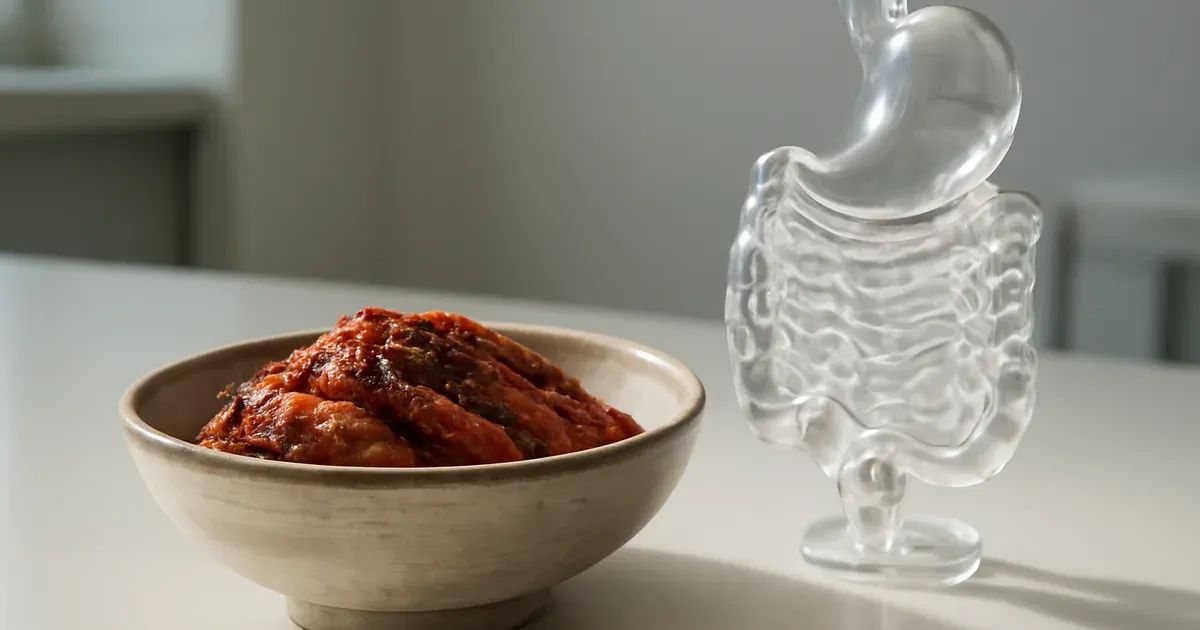
Researchers are investigating whether fermented foods such as kimchi could help reduce the impact of microplastics in the digestive system, according to findings reported by Alltoc.com. The emerging research suggests that certain microbes associated with fermented foods may influence how microplastics move through the body — a development with potentially significant implications for gut health and the broader gut-brain axis.
Why This Matters
Microplastics have become an unavoidable presence in the modern food supply, with studies increasingly documenting their accumulation in human digestive tissue. At the same time, the gut microbiome — the vast community of bacteria, fungi, and other microorganisms living in the digestive tract — is now understood to play a central role not just in digestion, but in immune regulation and even brain function via the gut-brain axis. Any substance that disrupts microbial balance poses a concern well beyond the stomach. The intersection of microplastic exposure and microbiome health is therefore an area of growing scientific urgency.
What the Research Suggests About Fermented Foods and the Gut
According to the findings reported by Alltoc.com, certain microbes associated with fermented foods like kimchi may affect how microplastics travel through the digestive system. The reported findings indicate that fermentation-linked microbes could play a role in modifying the gut's interaction with ingested microplastic particles. Researchers are exploring this connection actively, though the science remains at an exploratory stage. Kimchi, a traditional Korean fermented vegetable dish rich in beneficial lactobacillus strains, is among the foods under examination for its potential protective properties within the gut microbiome.
What This Means for Gut Health
For those focused on gut microbiome health, this research adds a new dimension to the already well-documented benefits of fermented foods. If further studies confirm that fermentation-associated microbes can influence microplastic transit or reduce their impact on gut tissue, dietary choices centred on foods like kimchi could take on added significance. The gut-brain connection also means that protecting microbiome integrity from microplastic disruption may carry implications for cognitive and mental health outcomes as well.
The research into kimchi and microplastics is still developing, per Alltoc.com, and scientists have not yet drawn definitive conclusions. What the findings do signal is that the gut microbiome may have a more active role in managing environmental contaminants than previously understood — and that fermented foods could be part of that story.