Kimchi Probiotic Binds and Removes Gut Nanoplastics
A kimchi probiotic binds gut nanoplastics and more than doubles their fecal excretion in mice, per new research.

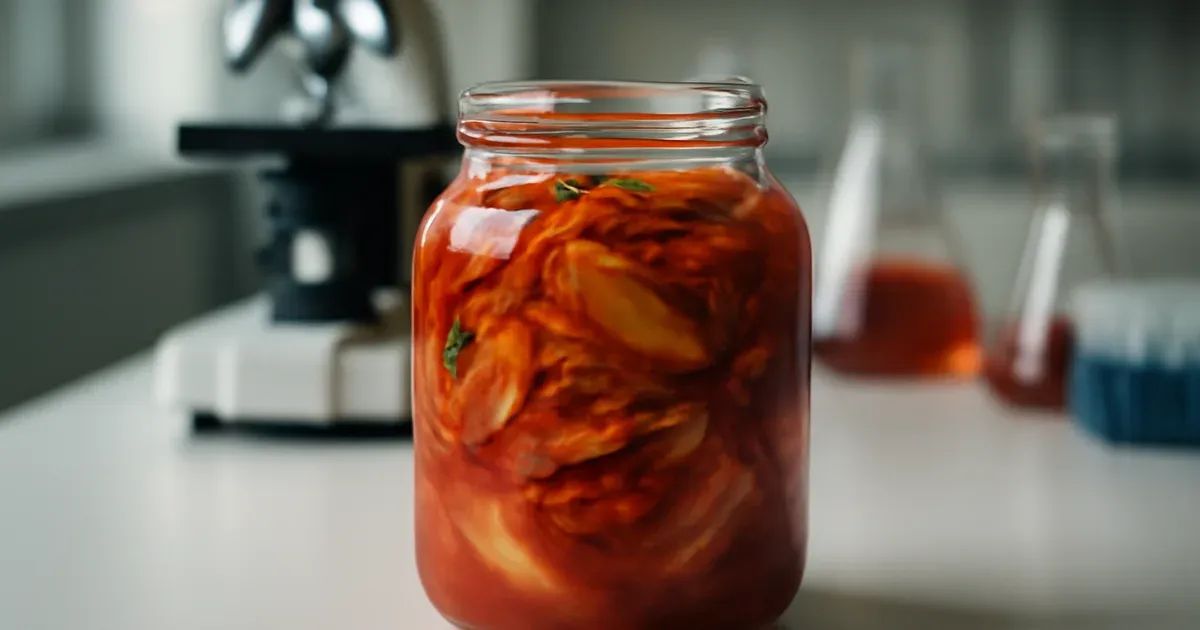
A bacterium found in kimchi can bind to dangerous nanoplastics inside the gut and significantly accelerate their removal from the body, according to new research reported by NaturalNews.com. Scientists identified the probiotic strain as highly efficient at capturing plastic particles in both laboratory settings and intestinal models. In mice, treatment with the probiotic more than doubled the excretion of nanoplastics through feces, marking a notable advance in microbiome-based approaches to a growing environmental health threat.
Why This Matters for Gut Health
Nanoplastics — microscopic plastic fragments smaller than one micrometre — have been detected in human blood, organs, and digestive tissue, raising serious concerns about long-term health effects. The gut microbiome, already known to play a central role in immunity, inflammation, and even brain function via the gut-brain axis, is increasingly recognized as a front line of exposure to environmental contaminants. Per NaturalNews.com, finding a naturally occurring probiotic capable of intercepting these particles represents a meaningful step forward in protecting both gut integrity and systemic health.
Key Findings: How the Kimchi Bacterium Works
The study found that the kimchi-derived probiotic demonstrated high binding efficiency when exposed to nanoplastics in controlled lab conditions and in simulated intestinal environments, according to researchers. When administered to mice, the bacterium significantly increased the amount of nanoplastic particles excreted in feces compared to untreated animals. Scientists report this suggests the probiotic physically captures the plastic particles within the digestive tract, preventing absorption and promoting clearance — a mechanism with direct relevance to gut microbiome health and mucosal barrier protection.
What This Means for Microbiome Research and Consumers
For researchers and consumers focused on gut health, these findings open a new dimension in probiotic science — one that extends beyond digestion and immunity into environmental detoxification. The gut-brain connection means that reducing inflammatory or toxic burdens in the intestinal environment may carry benefits that extend neurologically as well. According to NaturalNews.com, the research positions fermented foods like kimchi as a potential dietary strategy worth investigating further in human trials.
This discovery reinforces the growing understanding that a well-supported gut microbiome may do far more than aid digestion — it may actively help the body manage modern environmental exposures. As nanoplastic contamination becomes increasingly unavoidable, probiotic interventions rooted in traditional fermented foods could offer a practical, accessible line of defence, pending further human research.