Lose Belly Fat After 40: Hormones, Gut & Science
Hormonal changes, gut dysbiosis, and cortisol drive belly fat after 40. Discover science-backed strategies — from strength training to microbiome support — that


If you are a woman over 40 struggling with stubborn belly fat, you are not imagining it. Weight gain around the middle during perimenopause and menopause is driven by real physiological changes — not a lack of willpower. You may be eating less, exercising more, and still watching your waistline expand.
What most conventional advice misses is that losing belly fat after 40 is not just about calories. It involves hormones, stress physiology, sleep quality — and increasingly, your gut. Research into the gut-brain axis and the microbiome is revealing that the bacteria living in your digestive tract play a direct role in how your body stores abdominal fat, regulates appetite, and responds to stress.
This guide brings together the strongest current evidence on both fronts: the hormonal drivers of midlife belly fat and the gut-health strategies that can accelerate real results.

Why Belly Fat Increases After 40
As oestrogen levels fluctuate and decline during perimenopause, fat storage patterns shift dramatically. Fat that once accumulated around the hips and thighs migrates to the abdomen. This abdominal fat — known as visceral fat — sits deep around your internal organs and is metabolically active.
Visceral fat is strongly linked to insulin resistance, chronic inflammation, heart disease, and type 2 diabetes. This makes belly fat far more than a cosmetic issue. Women also lose muscle mass naturally with age, a process called sarcopenia, which slows resting metabolism and reduces calorie burn around the clock.
Add chronic stress and disrupted sleep — both common in the perimenopausal years — and the physiological conditions for abdominal fat accumulation are almost perfect. Understanding this removes the blame and points toward smarter solutions.
Your Gut Microbiome and Belly Fat: The Missing Link
Emerging research shows that the gut microbiome — the trillions of bacteria, fungi, and microorganisms living in your digestive tract — has a significant influence on body composition and visceral fat. Women with lower microbial diversity tend to show higher levels of abdominal fat and greater insulin resistance, even when diet appears similar to those with healthier gut profiles.
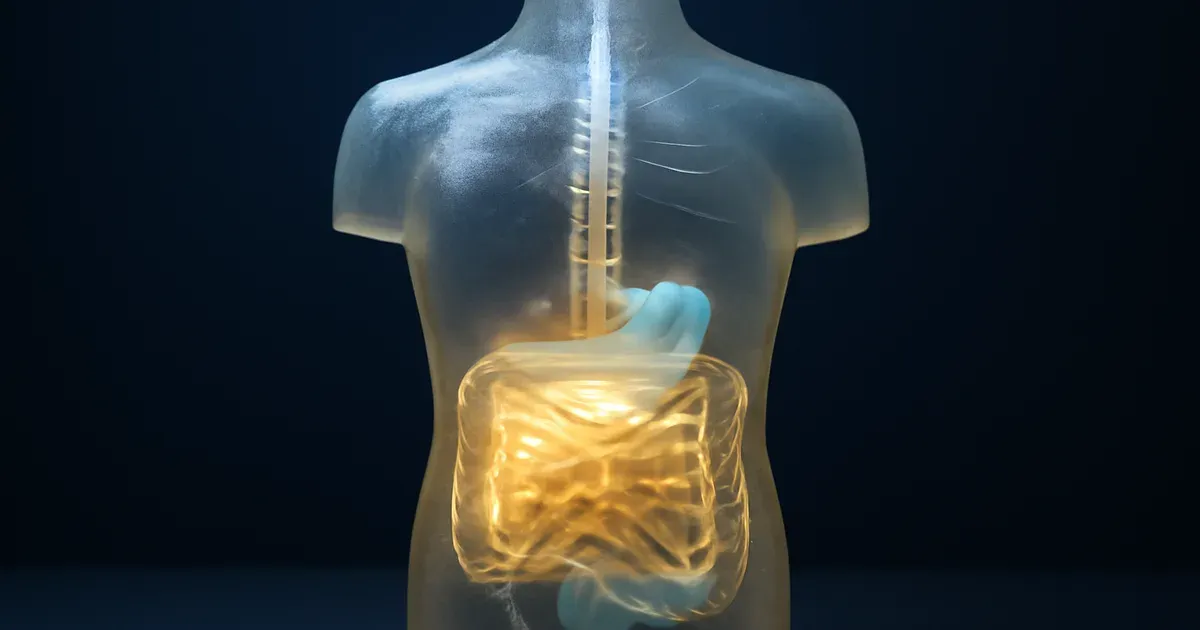
The gut-brain axis — the two-way communication network connecting your digestive system to your brain — also plays a central role here. Gut bacteria produce neurotransmitters including serotonin and GABA, regulate hunger hormones such as ghrelin and leptin, and modulate cortisol responses. When this axis is disrupted, appetite signals become dysregulated and fat storage, particularly around the abdomen, increases.
Hormonal changes after 40 themselves affect the microbiome. Declining oestrogen alters gut bacterial composition, reducing populations of beneficial species such as Lactobacillus and Bifidobacterium. This creates a feedback loop: lower oestrogen disrupts the gut, a disrupted gut worsens hormonal regulation, and visceral fat accumulates more readily as a result.
Evidence-Based Strategies to Lose Belly Fat After 40
1. Strength Training Is Non-Negotiable
Strength training is the single most effective form of exercise for reducing visceral fat in women over 40. Research consistently shows that diet alone does not effectively shift abdominal fat — resistance training is essential. Building muscle improves insulin sensitivity, raises resting metabolic rate, and counters sarcopenia.
Aim for two to three full-body sessions per week using compound movements: squats, deadlifts, rows, lunges, and presses. These recruit large muscle groups and create a post-exercise metabolic boost that continues for hours after your session ends. Strength training is not about bulking up — it is about restoring metabolic health as hormones shift.
2. Feed Your Gut to Fight Belly Fat
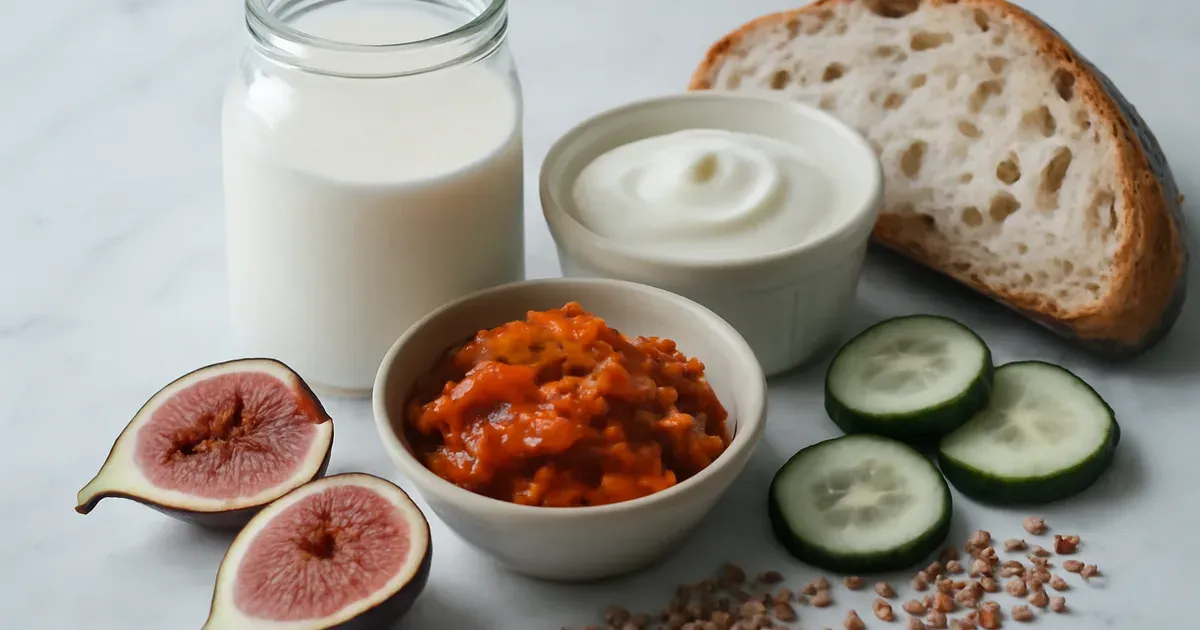
What you eat directly shapes your microbiome, which in turn shapes how your body stores fat. A diet rich in diverse plant foods — vegetables, legumes, whole grains, nuts, seeds, and fruit — increases microbial diversity and supports the production of short-chain fatty acids (SCFAs) such as butyrate. SCFAs reduce gut inflammation, improve insulin sensitivity, and signal the brain to regulate appetite more effectively.
Fermented foods such as plain Greek yoghurt, kefir, kimchi, sauerkraut, and live-culture cheese introduce beneficial bacteria directly into the gut. A 2021 Stanford study found that a high-fermented-food diet significantly increased microbiome diversity and reduced inflammatory markers — both of which are linked to lower visceral fat. Reducing ultra-processed foods is equally important: emulsifiers and artificial additives found in processed products disrupt gut lining integrity and promote the low-grade inflammation that drives abdominal fat.

3. Prioritise Protein at Every Meal
Protein needs increase during perimenopause, particularly if you are working to preserve muscle and manage appetite. A practical starting point for most women is around 1.2 grams of protein per kilogram of body weight, adjusted based on activity level and individual response.
Distributing protein across the day — rather than concentrating it in one meal — is as important as the total amount. Including a quality protein source at breakfast, lunch, and dinner helps stabilise blood sugar, reduce cravings, and protect lean muscle. Whole food sources including eggs, fish, poultry, cottage cheese, Greek yoghurt, legumes, and seeds are ideal. Many of these also function as prebiotic or probiotic foods, supporting the gut microbiome simultaneously.
4. Manage Stress to Lower Cortisol — and Protect Your Gut
Chronic stress is one of the most overlooked drivers of belly fat in midlife women, and its effects run deeper than most people realise. Elevated cortisol signals the body to store fat centrally, particularly around the abdomen. But cortisol also disrupts gut barrier integrity — a phenomenon known as increased intestinal permeability, or "leaky gut" — allowing bacterial endotoxins to enter the bloodstream and trigger systemic inflammation.
The gut-brain axis works bidirectionally here: a stressed brain creates a stressed gut, and a dysbiotic gut sends distress signals back to the brain that amplify anxiety and cortisol output. Daily stress-regulation practices — breathwork, mindfulness, gentle yoga, time in nature, or simply protecting downtime — are genuinely metabolic interventions, not lifestyle luxuries.
5. Add Movement Throughout the Day
Walking is one of the most underestimated tools for losing belly fat after 40. Regular daily walking lowers cortisol, improves blood sugar control, supports gut motility, and enhances fat metabolism without placing additional stress on the nervous system. Gut motility — how efficiently food moves through the digestive tract — directly affects microbiome composition and the production of beneficial SCFAs.
Aim for 8,000 to 10,000 steps per day where possible. Short walks after meals are particularly effective: research shows they significantly improve glucose handling and reduce post-meal fat storage around the abdomen. HIIT sessions — two per week, lasting 15 to 25 minutes — can complement walking, but excessive high-intensity training raises cortisol and is counterproductive.

6. Prioritise Sleep for Hormonal and Gut Balance
Poor sleep disrupts nearly every system involved in belly fat regulation. Sleep deprivation raises cortisol, worsens insulin resistance, dysregulates hunger hormones, and increases systemic inflammation. Women sleeping fewer than seven hours per night consistently show higher levels of visceral fat.
Critically, sleep also shapes the gut microbiome. Research shows that disrupted circadian rhythms alter gut bacterial populations and reduce microbial diversity — creating a cycle where poor sleep worsens gut health, and a disrupted microbiome impairs sleep quality. Aim for seven to nine hours of consistent, quality sleep. Keep bedtimes regular, create a cool and dark sleeping environment, and avoid screens, heavy meals, or alcohol close to bedtime.
7. Consider Intermittent Fasting Thoughtfully
Intermittent fasting can improve insulin sensitivity and support abdominal fat reduction for some women over 40 — but it is not a universal solution. A gentle overnight fasting window of 12 to 14 hours is well tolerated by most women and supports gut repair: the migrating motor complex, a cleansing wave that maintains gut health, requires fasting periods to function properly.
Longer or more aggressive fasting protocols can increase cortisol, disrupt thyroid function, and reduce gut bacterial diversity if maintained long-term. If fasting increases anxiety, disrupts sleep, or leads to compensatory overeating, it is not working for your physiology. The focus should always be nourishment over restriction.
The Gut-Brain Axis: Your Unexpected Ally
The gut-brain connection is not a fringe concept — it is now one of the most actively researched areas in metabolic health. The vagus nerve, which runs from the brainstem to the gut, carries a constant flow of signals in both directions. Gut bacteria communicate with the brain via this pathway, influencing mood, appetite, stress resilience, and inflammation.
For women over 40, supporting this axis may be one of the most powerful levers available. A diverse, fibre-rich diet supports beneficial bacteria. Stress management protects gut barrier integrity. Quality sleep restores microbial balance. Strength training increases gut bacterial diversity in its own right, according to recent research comparing active and sedentary adults.
These strategies reinforce each other. Every action that supports your gut also supports your hormones, your metabolism, and your body's ability to lose belly fat.
The Bottom Line
Losing belly fat after 40 requires a smarter approach than simply eating less and exercising more. The underlying drivers — hormonal change, cortisol, insulin resistance, sleep disruption, and gut dysbiosis — need to be addressed together.
Strength training and daily movement rebuild your metabolic foundation. Protein and diverse plant foods nourish both your muscles and your microbiome. Managing stress and sleep protects the gut-brain axis that quietly governs how and where your body stores fat. None of these strategies requires perfection. Consistent, supportive changes — applied over weeks and months — produce real and lasting results.
Your body is not working against you. It is responding to the conditions you can learn to change.
Frequently Asked Questions
Why is belly fat so hard to lose after 40 for women?
Declining oestrogen during perimenopause shifts fat storage from the hips and thighs to the abdomen. Simultaneously, muscle mass decreases, metabolism slows, and cortisol — which drives central fat storage — often rises due to stress and poor sleep. The gut microbiome also changes with falling oestrogen, further disrupting insulin sensitivity and appetite regulation.
Does gut health really affect belly fat?
Yes — this is one of the most significant findings in recent metabolic research. Women with lower gut microbial diversity show consistently higher levels of visceral fat and greater insulin resistance. Gut bacteria regulate hunger hormones, produce anti-inflammatory compounds, and communicate with the brain via the gut-brain axis. Improving gut health through diet, sleep, and stress management directly supports belly fat reduction.
How much protein should women over 40 eat to lose belly fat?
A useful starting point is around 1.2 grams of protein per kilogram of body weight per day, distributed across meals rather than concentrated in one sitting. Women who strength train regularly may benefit from slightly more. Protein protects muscle, stabilises blood sugar, and reduces cravings — all of which support abdominal fat loss.
Is intermittent fasting safe for women over 40?
A moderate overnight fast of 12 to 14 hours is generally safe and can support gut repair and insulin sensitivity. Longer fasting windows can raise cortisol and disrupt hormonal balance in some women, particularly those already under stress or with thyroid concerns. Always prioritise nourishment over restriction, and monitor how your energy, sleep, and mood respond.
What is the single most effective exercise for belly fat after 40?
Strength training has the strongest research support for reducing visceral fat in midlife women. It rebuilds muscle, improves insulin sensitivity, and raises resting metabolic rate — addressing three of the core drivers of belly fat gain. Combining strength work with daily walking and two short HIIT sessions per week produces the best overall results.