7 Low FODMAP Grocery Mistakes Hurting Your Gut
Discover 7 low FODMAP grocery list mistakes that silently trigger gut-brain symptoms — and the fixes that actually work.


You planned the meals, printed the list, and still walked out of the store with something that wrecked your gut by Tuesday. Shopping low FODMAP sounds straightforward — until it isn't. Hidden fermentable carbs lurk in broths, seasonings, and "healthy" snacks that seem perfectly safe at a glance. If your symptoms keep flaring despite your best efforts, your low FODMAP grocery list may have gaps you haven't caught yet. Fix them now before your next shop.
Research published in Gastroenterology found that a well-structured low FODMAP diet reduces IBS symptoms in up to 76% of patients — but only when followed correctly, with label-reading discipline that most guides never teach.
1. Ignoring Serving Size — and Wrecking Your Microbiome in the Process
Serving size is everything on a low FODMAP grocery list. A food that is safe at one portion can become a high-FODMAP trigger at double the amount — avocado, for example, is fine at one-eighth of a fruit but problematic at half. This matters beyond symptom control: your gut microbiome responds to fermentable fibre load, and consistent overloading stresses the microbial balance that regulates the gut-brain axis. Always check certified portion guides before you buy, and pre-portion where possible during meal prep.
2. Buying Broths and Stocks Without Checking for Onion and Garlic
Most store-bought broths contain onion or garlic powder — two of the highest-FODMAP ingredients on the planet and near-impossible to spot without reading every label. These compounds feed gas-producing bacteria in the large intestine, triggering bloating and altering neurotransmitter signals that travel along the gut-brain axis. Your actionable fix: make broths a non-negotiable label-check stop on your weekly shop, and keep a gut-friendly certified alternative in your pantry at all times.
3. Skipping the Fresh Produce Section Out of Fear
Fear of "risky" vegetables causes many low FODMAP shoppers to miss the gut-health benefits of the produce aisle entirely. Plenty of fruits and vegetables — carrots, cucumber, firm banana, blueberries, strawberries, spinach, and kale — are low FODMAP and rich in prebiotic fibre that nourishes beneficial gut bacteria. A diverse microbiome is strongly linked to reduced gut-brain inflammation and better mood regulation. Add at least five certified low FODMAP produce items to your grocery list each week to keep microbial diversity high.
4. Treating "Gluten-Free" as Automatically Low FODMAP
Gluten-free does not mean low FODMAP — full stop. Many gluten-free products swap wheat for chicory root (inulin), apple juice concentrate, or high-fructose corn syrup, all of which are high-FODMAP triggers. These ingredients ferment rapidly in the gut, producing gases that distend the intestinal wall and send distress signals through the vagus nerve — a core gut-brain communication pathway. Always cross-reference gluten-free labels against a FODMAP-certified ingredient checklist rather than assuming safety.

Gut-brain insight: The enteric nervous system — sometimes called the "second brain" — contains over 100 million nerve cells. FODMAP-driven fermentation can trigger this system directly, producing anxiety, fatigue, and brain fog that feel entirely unrelated to digestion.
5. Overlooking Seasonings, Rubs, and Spice Blends
Spice blends are among the most common hidden FODMAP sources in any kitchen. Garlic powder and onion powder are concentrated, high-FODMAP ingredients that manufacturers routinely add to rubs, blends, and pre-made seasonings. Even small amounts can shift your gut microbiome toward a dysbiotic state — one associated with heightened gut-brain reactivity and mood disruption. Fody's certified low FODMAP seasonings are formulated without onion or garlic, making them a reliable pantry staple for anyone building a trustworthy low FODMAP grocery list.
6. Not Planning Snacks — and Then Grabbing High-FODMAP Convenience Foods
Unplanned snacking is where most low FODMAP diets fall apart in real life. Hunger strikes between meals, and the nearest grab-and-go option — a granola bar, flavoured yoghurt, or trail mix — often contains honey, high-fructose dried fruit, or lactose-heavy dairy. These ingredients spike fermentation in the colon within hours, triggering the kind of gut-brain feedback loop that worsens anxiety and cognitive fog. Build snack options into your low FODMAP grocery list every single week — rice cakes, firm bananas, lactose-free cheese, and Fody's certified snack bars are all solid anchors.
7. Never Updating Your List as Your Gut Health Evolves
A static low FODMAP grocery list stops working as your microbiome changes. The elimination phase is designed to be temporary — after six to eight weeks, a structured reintroduction phase begins, and foods that once triggered symptoms may now be tolerated in small amounts. This happens because gut bacterial populations shift with dietary input, gradually restoring tolerance for specific fermentable fibres. Review and update your grocery list monthly in line with your reintroduction progress, and work with a registered dietitian to ensure your microbiome diversity keeps improving over time.
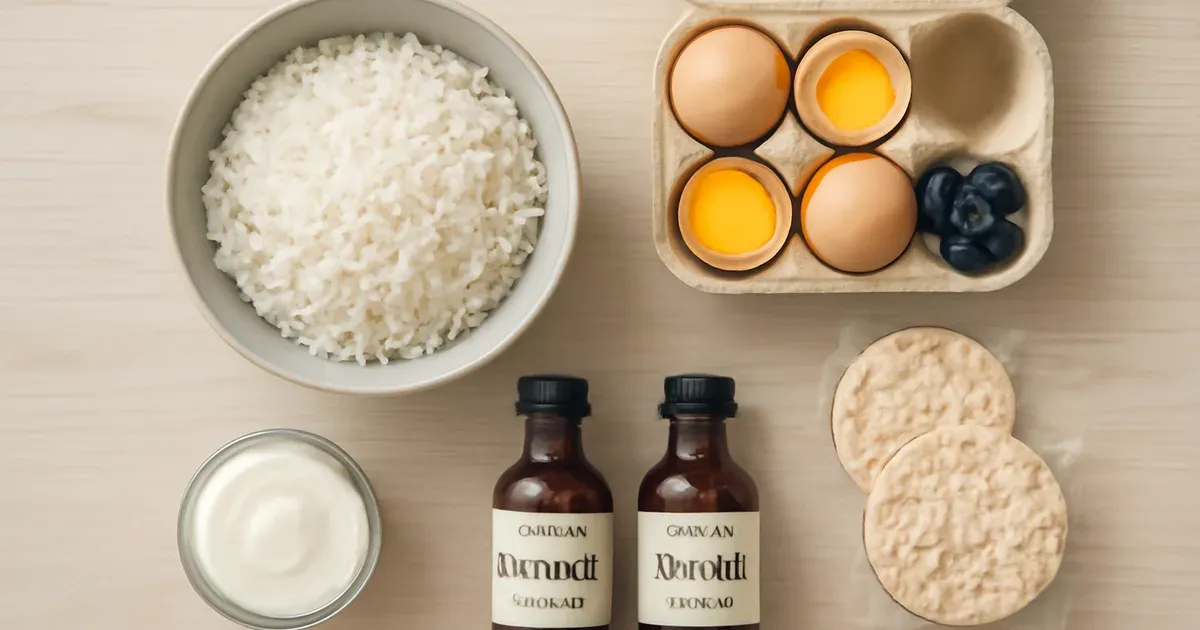
These seven mistakes are fixable with one habit shift: build your low FODMAP grocery list around certified, label-checked staples before you ever set foot in a store. A gut that isn't constantly fighting hidden triggers is a gut that communicates clearly with your brain — better mood, sharper focus, less pain. Start with your produce picks, lock in safe pantry and snack staples, and update your list as your tolerance grows.
Frequently Asked Questions
What foods should always be on a low FODMAP grocery list?
Core low FODMAP staples include firm bananas, blueberries, strawberries, carrots, spinach, firm tofu, lactose-free dairy, rice, oats, and eggs. These foods are consistently low in fermentable carbohydrates and support a stable gut microbiome without triggering the fermentation-driven gut-brain feedback that causes bloating, anxiety, and brain fog.
Can a low FODMAP diet improve gut-brain symptoms like anxiety and brain fog?
Yes — emerging research links FODMAP-driven gut inflammation to gut-brain axis disruption, including elevated cortisol, reduced serotonin production (roughly 95% of which is made in the gut), and impaired vagal signalling. Reducing fermentable carbohydrate load can calm this cascade within days for many people with IBS or functional gut disorders.
How often should I update my low FODMAP grocery list?
Every four to eight weeks during the reintroduction phase — and any time your symptoms shift. Your gut microbiome is dynamic; foods that triggered you during the elimination phase may become tolerable as beneficial bacteria populations recover. A registered FODMAP-trained dietitian can guide your reintroduction timeline and help you expand your list safely.
Is onion powder worse than fresh onion on a low FODMAP diet?
Onion powder is more concentrated and therefore triggers symptoms at smaller amounts than fresh onion. Even a fraction of a teaspoon can deliver enough fructans to cause significant fermentation in sensitive individuals. This is why checking seasonings, spice blends, and pre-made sauces is non-negotiable when building a reliable low FODMAP grocery list.
How does a low FODMAP diet affect long-term microbiome diversity?
Short-term FODMAP restriction can temporarily reduce microbial diversity because many high-FODMAP foods also serve as prebiotics. This is why the diet is designed to be a diagnostic elimination tool, not a permanent lifestyle. Gradual reintroduction of tolerated fermentable foods is essential for maintaining the broad microbial diversity associated with a healthy gut-brain axis and long-term immune resilience.