Mediterranean Diet Rewires Gut Microbiome for Longevity
A Substack analysis argues the Mediterranean diet rewires the gut microbiome, boosting microbial diversity linked to longevity and gut-brain health.

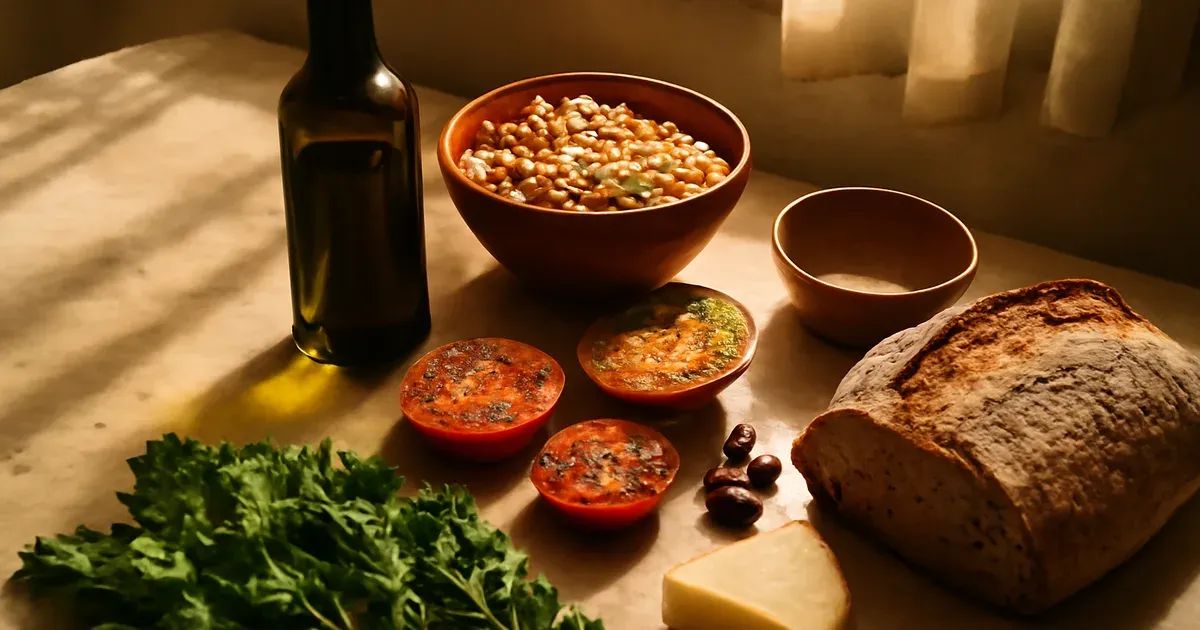
A new long-form analysis published on Substack by writer Coraeon argues that the Mediterranean diet functions as a biological reprogramming tool for the gut microbiome, with far-reaching implications for human longevity. According to the piece, the roughly three pounds of microbial life residing in the human digestive tract may represent the most consequential health system in the body — one that the Mediterranean diet is uniquely positioned to optimise.
Why This Matters
Gut microbiome research has accelerated sharply in recent years, with scientists increasingly linking microbial diversity to outcomes ranging from immune resilience to mental health. The gut-brain axis — the bidirectional communication network connecting intestinal microbiota to the central nervous system — is now considered a central pillar of modern health science. Per the Substack analysis, framing the gut as a "living pharmacy" reflects a growing scientific consensus that dietary patterns, not pharmaceuticals alone, may be the primary lever for long-term wellbeing.
Mediterranean Diet Found to Reshape Microbial Communities
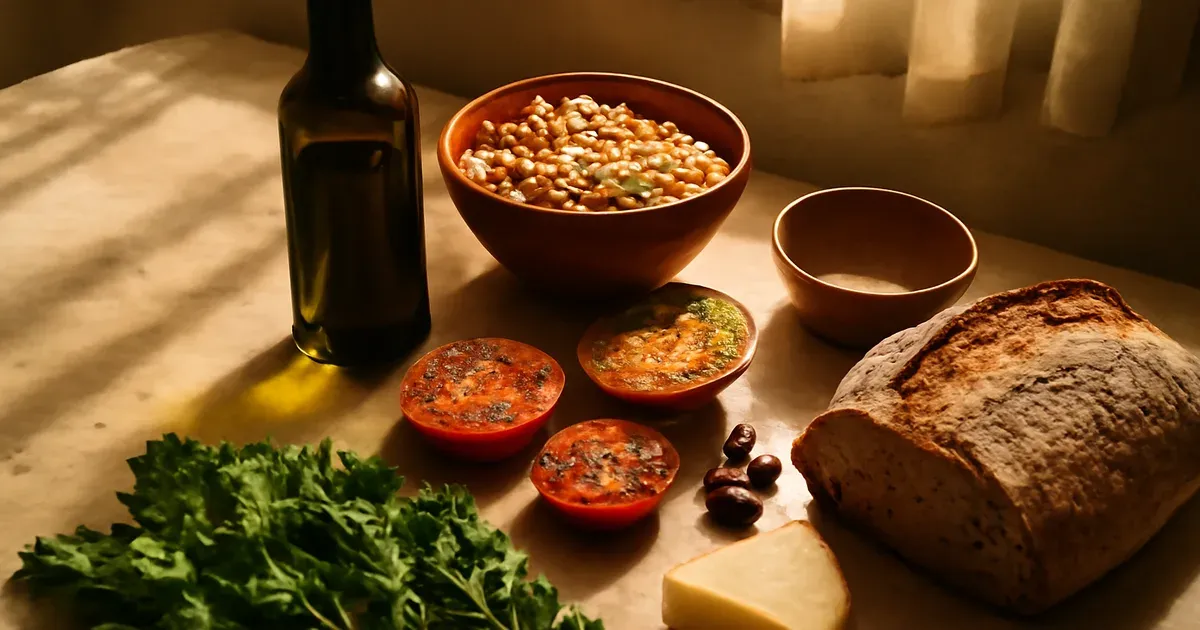
According to the Coraeon analysis, the Mediterranean diet's high fibre content, abundance of polyphenols, and emphasis on fermented foods and healthy fats create conditions in which beneficial gut bacteria can thrive and diversify. The piece positions microbial diversity as the single most important marker of a gut ecosystem capable of supporting longevity. Scientists have separately reported that diets rich in legumes, olive oil, whole grains, and vegetables — all staples of the Mediterranean pattern — consistently correlate with more robust and varied microbiome profiles in population studies.
What This Means for Readers Tracking Gut and Brain Health
For individuals monitoring gut-brain health, the analysis suggests that dietary intervention may offer a practical, accessible route to shifting microbiome composition over time. The gut-brain connection means that improving microbial diversity through diet could carry downstream benefits for mood, cognition, and inflammation — not just digestive function. The Coraeon piece implies that understanding the gut as an active biological system, rather than a passive digestive organ, reframes how everyday food choices should be evaluated.
The central takeaway from this analysis is that the Mediterranean diet may do far more than reduce cardiovascular risk — according to the source, it may actively restructure the microbial environment that governs systemic health. As gut-brain research continues to expand, dietary patterns that support microbiome diversity are likely to attract growing attention from both researchers and clinicians.