Menopause & Gut Health: Your Biggest Questions Answered
Discover how menopause changes your gut microbiome, what the estrobolome is, and the best diet strategies to support gut health during perimenopause.


If you've noticed digestive changes, new food sensitivities, or a general sense that your gut just "isn't right" during perimenopause, you're not imagining it. The connection between menopause gut health and the microbiome is real — and emerging science is only beginning to explain how deeply these two systems influence each other. Below, we answer the questions women (and their doctors) are asking most.
Jump to a Question
What is the gut microbiome and why does it matter during menopause?
How does menopause change the gut microbiome?
What is the estrobolome and how does it affect oestrogen levels?
Can a disrupted gut microbiome make menopausal symptoms worse?
What is "leaky gut" and does perimenopause cause it?
Pre-menopausal vs post-menopausal gut microbiome: what changes?
Can probiotics help with menopause symptoms?
What foods best support gut health during perimenopause?
What is the gut microbiome and why does it matter during menopause?
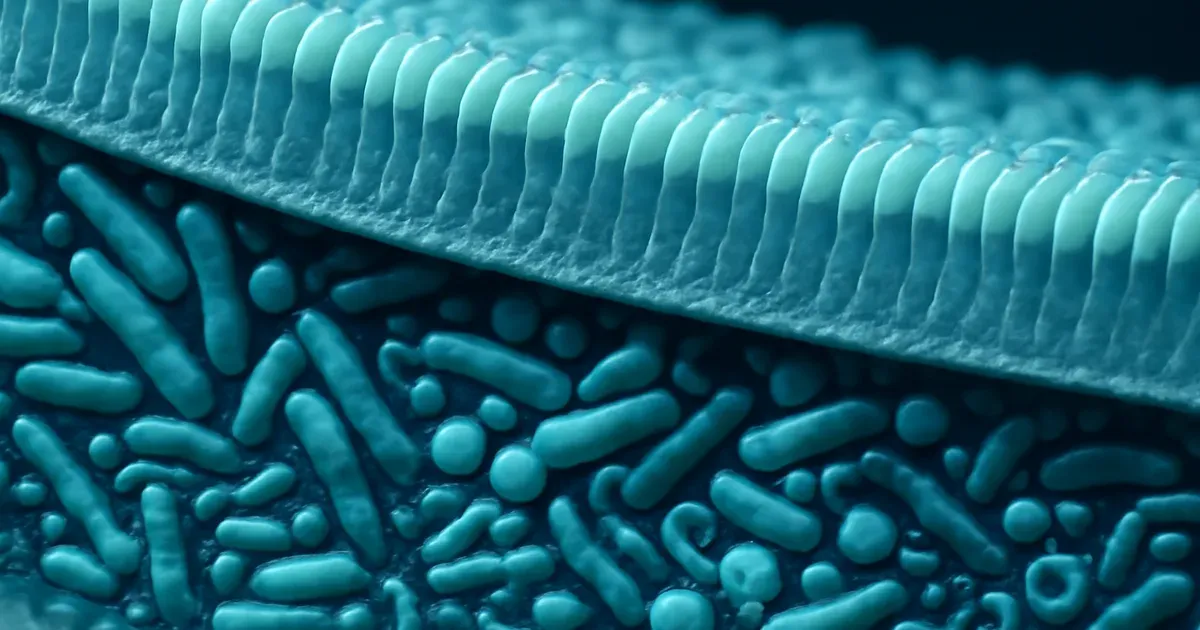
The gut microbiome is the vast community of trillions of bacteria, fungi, and other microorganisms living in the digestive tract — and it does far more than digest food. It regulates immune function, produces key neurotransmitters, manages inflammation, and, critically, plays a direct role in hormone metabolism.
During the menopausal transition, this community comes under significant pressure. Fluctuating and declining oestrogen levels can alter the composition and diversity of gut bacteria, creating a ripple effect across multiple body systems. A healthy, diverse microbiome is associated with better metabolic health, mood regulation, and lower systemic inflammation — all areas that become increasingly relevant during midlife.
Understanding the gut-hormone connection is one of the most important emerging frontiers in women's health.
How does menopause change the gut microbiome?
Declining oestrogen during perimenopause directly disrupts the balance and diversity of bacteria in the gut. Research indicates that lower oestrogen levels, alongside other hormonal shifts, can tip the ratio of beneficial to harmful bacteria in an unfavourable direction.
A study published in BMC Women's Health found a significant relationship between menopausal syndrome and gut microbes, highlighting how hormonal changes translate into measurable microbiome shifts. This loss of microbial diversity is important because diversity is a key marker of a resilient, well-functioning gut.
The consequences can include:
- Reduced production of short-chain fatty acids (which feed the gut lining)
- Altered immune signalling
- Changes in how the gut processes and recirculates hormones
- Increased susceptibility to digestive symptoms
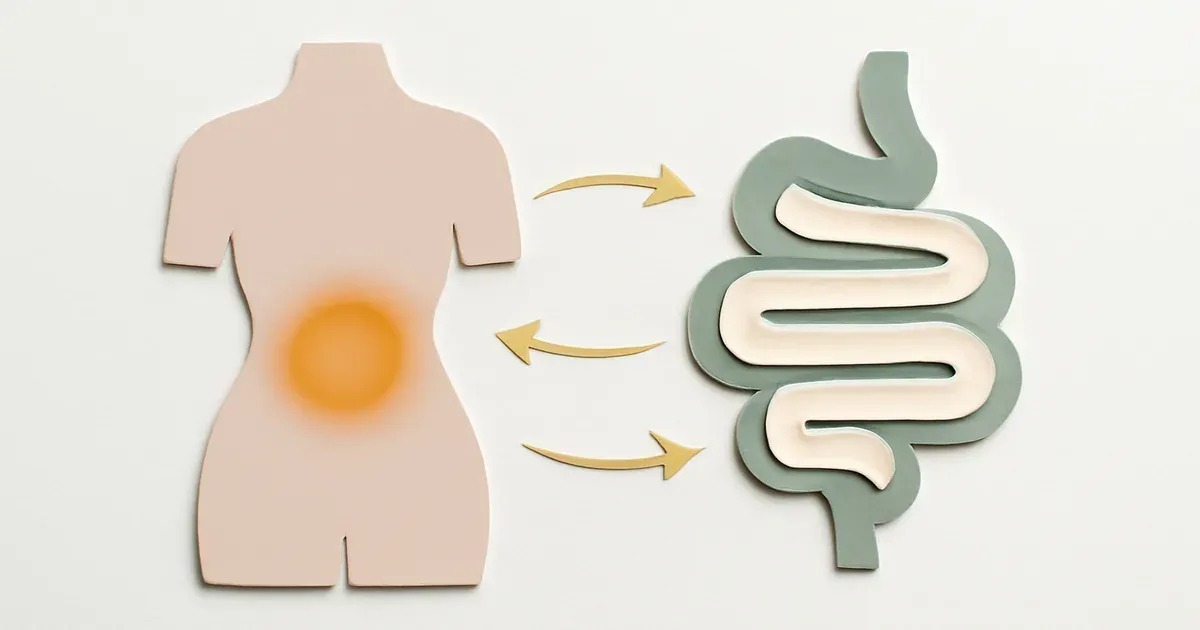
This isn't a one-way street. The relationship between hormones and the microbiome is bidirectional — gut imbalance can further disrupt hormone regulation, potentially amplifying menopausal symptoms.
What is the estrobolome and how does it affect oestrogen levels?
The estrobolome is the collection of gut microbes specifically responsible for metabolising oestrogen and regulating how much circulating oestrogen the body retains. Think of it as the microbiome's hormone management unit.
Here's how it works: the liver processes oestrogen for excretion, but certain gut bacteria produce an enzyme called beta-glucuronidase, which can reactivate oestrogen in the gut and allow it to re-enter circulation. When the estrobolome is balanced, this process is tightly regulated. When it's disrupted — through poor diet, stress, antibiotics, or hormonal changes — oestrogen metabolism becomes erratic.
During perimenopause, falling oestrogen levels can impair the estrobolome, which in turn reduces the gut's capacity to recirculate any remaining oestrogen. This creates a feedback loop that may worsen oestrogen deficiency symptoms.
Supporting the estrobolome through diet and lifestyle is an emerging strategy for managing some of the hormonal consequences of menopause.
Can a disrupted gut microbiome make menopausal symptoms worse?
Yes — emerging evidence suggests that gut microbiome disruption may amplify common menopausal symptoms including hot flashes, mood changes, and sleep disturbances. The gut-brain axis, the bidirectional communication highway between the digestive system and the central nervous system, is a key mechanism here.
The gut produces roughly 90% of the body's serotonin. A less diverse microbiome may reduce serotonin synthesis, which can worsen mood instability and sleep quality — symptoms already under pressure from hormonal fluctuations. Gut-derived inflammation can also sensitise the hypothalamus, the brain region that regulates body temperature, potentially contributing to hot flashes.
Animal research has found that when gut diversity is maintained through interventions, it may help alleviate menopausal symptoms. While human trials are still limited, the gut-brain connection provides a compelling biological rationale for prioritising microbiome health during the menopausal transition.
Key symptoms potentially linked to gut imbalance:
- Hot flashes and night sweats
- Anxiety and low mood
- Disrupted sleep
- Brain fog
- Digestive discomfort and bloating
What is "leaky gut" and does perimenopause cause it?
"Leaky gut," or increased intestinal permeability, describes a weakening of the gut barrier that allows undigested food particles, toxins, and bacteria to pass into the bloodstream. This triggers systemic inflammation and can contribute to a range of health problems.
The sex hormones oestradiol and progesterone appear to play a protective role in maintaining the integrity of this gut barrier. Research suggests that when these hormones decline during perimenopause, the gut lining becomes more vulnerable to permeability dysfunction.
A more permeable gut combined with reduced microbial diversity may contribute to:
- New or worsening food intolerances
- Irritable bowel syndrome (IBS) flares
- Increased systemic inflammation
- Greater risk of autoimmune activity
More research is needed to fully quantify the role of perimenopausal hormone changes in leaky gut, but the biological mechanism is plausible and increasingly recognised in clinical nutrition practice.

Pre-menopausal vs post-menopausal gut microbiome: what changes?
Studies show measurable differences in the composition of the gut microbiome between pre-menopausal and post-menopausal women — differences significant enough that the post-menopausal microbiome appears to more closely resemble that of men than younger women.
This shift has implications beyond digestion. The female gut microbiome in reproductive years is shaped in part by oestrogen's influence, supporting microbial species linked to lower cardiovascular risk, better metabolic health, and more efficient hormone cycling. Post-menopause, the loss of these oestrogen-associated microbes may partly explain the increased cardiometabolic risk seen in this life stage.
| Feature | Pre-menopausal | Post-menopausal |
|---|---|---|
| Microbial diversity | Higher | Lower |
| Oestrogen-metabolising bacteria | More abundant | Reduced |
| Gut barrier integrity | Stronger | More vulnerable |
| Resemblance to male microbiome | Low | Higher |
| Inflammatory markers | Generally lower | Tend to increase |
This table illustrates why menopause gut health deserves as much clinical attention as bone density or cardiovascular risk screening during midlife health checks.
Can probiotics help with menopause symptoms?
Probiotics — live beneficial bacteria taken as supplements or found in fermented foods — may offer a safe and feasible strategy to help restore gut microbiome balance during perimenopause. While the evidence base is still building, early research is encouraging.
Probiotics work by introducing beneficial bacterial strains that can help crowd out pathogenic bacteria, support gut barrier function, and potentially improve the activity of the estrobolome. Some strains may also support serotonin production via the gut-brain axis, with potential knock-on benefits for mood and sleep.
Clinically relevant points for considering probiotics:
- Look for multi-strain formulas with both Lactobacillus and Bifidobacterium species
- Consistency matters — benefits typically emerge after several weeks of regular use
- Fermented foods (yoghurt, kefir, kimchi, sauerkraut) offer a food-first alternative
- Probiotics work best alongside prebiotic fibre that feeds beneficial bacteria
Always discuss new supplements with a healthcare provider, particularly if you have underlying digestive conditions or are taking other medications.

What foods best support gut health during perimenopause?
A fibre-rich, plant-diverse diet is the single most evidence-based dietary strategy for supporting gut health during perimenopause. Aiming for at least 25 grams of fibre daily, drawn from a wide variety of plant sources, feeds beneficial gut bacteria and supports the production of short-chain fatty acids that nourish the gut lining.
Plant diversity is as important as quantity. Different plant foods contain different types of prebiotic fibre and polyphenols, feeding different microbial communities. Research from large-scale microbiome studies suggests that eating 30 or more different plant foods per week is associated with significantly greater gut diversity.
Top food categories to prioritise:
- Vegetables and fruits: Aim for colour variety — each colour signals different polyphenols
- Whole grains: Oats, barley, and rye are particularly rich in beta-glucan fibre
- Legumes: Lentils, chickpeas, and beans are prebiotic powerhouses
- Nuts and seeds: Flaxseed, walnuts, and almonds add fibre and anti-inflammatory fats
- Fermented foods: Kefir, yoghurt, and kimchi deliver live cultures directly
- Spices: Turmeric, ginger, and garlic have prebiotic and anti-inflammatory properties
Minimising ultra-processed foods, excess alcohol, and added sugars is equally important — these are well-established disruptors of microbial diversity.
Bottom Line
- Menopause gut health is directly shaped by declining oestrogen — the gut and hormones are in constant bidirectional communication via the estrobolome.
- Reduced microbial diversity and increased intestinal permeability are measurable gut changes associated with the menopausal transition.
- The gut-brain axis means microbiome disruption can worsen hot flashes, mood changes, sleep problems, and brain fog.
- Diet is the most accessible intervention — 25g+ of daily fibre and 30+ plant varieties per week are practical targets.
- Probiotics may offer additional support, but work best alongside a fibre-rich, plant-diverse diet rather than as a standalone fix.