Menopause & Gut Microbiome: Your Questions Answered
Discover how menopause reshapes the gut microbiome, affects the gut-brain axis, and what you can do to support gut health during this transition.


If you've noticed digestive changes, mood shifts, or unexplained weight gain around menopause, you're not imagining things. The connection between menopause and gut health is real — and it's more far-reaching than most people realise. Emerging science shows that your gut microbiome and your hormones are in constant conversation, and menopause disrupts that dialogue in significant ways. This article unpacks the most pressing questions about the menopause gut microbiome link, drawing on the latest research.

Jump to Your Question
How does menopause affect the gut microbiome?
What is the estrobolome and why does it matter?
Does the gut microbiome change with age in women?
How does the gut-brain axis relate to menopause symptoms?
Can menopause raise the risk of disease through gut changes?
Does menopausal hormone therapy affect the gut microbiome?
What can you do to support gut health during menopause?
How is the female gut microbiome different from the male gut microbiome?
How does menopause affect the gut microbiome?
Menopause is associated with a measurable decline in gut microbiome diversity and a shift in microbial composition — changes that researchers believe are driven largely by falling levels of estradiol and progesterone. Current evidence suggests the postmenopausal gut microbiome becomes more similar to the male gut microbiome, implying that estrogen plays a key role in maintaining a distinctly female microbial profile.
During the menopausal transition, the depletion of ovarian follicles causes estradiol and progesterone production to drop sharply. These hormonal changes appear to ripple through the gut, altering which bacterial species thrive. Lower diversity in the gut microbiome is widely recognised as a marker of dysbiosis — an imbalanced microbial state linked to a range of chronic conditions.
Researchers note that while the pattern of declining diversity is consistent across studies, the specific bacterial taxa most affected by menopause have yet to be reliably replicated across large populations. Larger, longitudinal studies are urgently needed to identify exactly which microbial communities shift and why.
What is the estrobolome and why does it matter?
The estrobolome is the collection of gut bacteria that produce enzymes capable of metabolising estrogens, making it a critical link between gut health and hormonal balance in women. These bacteria influence how much estrogen is reabsorbed into circulation after it has been processed by the liver — a process that directly affects systemic estrogen levels.
When the estrobolome is disrupted — for example, by antibiotic use, a poor diet, or the hormonal changes of menopause — estrogen metabolism can become dysregulated. This can either raise or lower circulating estrogen levels beyond what the ovaries alone produce or suppress.
Given that postmenopausal women already have very low ovarian estrogen output, any estrobolome-mediated reduction in the reabsorption of peripheral estrogens could have meaningful consequences for cardiovascular health, bone density, and mood. Understanding the estrobolome offers a potential new lever for managing hormone-related health risks after menopause.
Does the gut microbiome change with age in women?
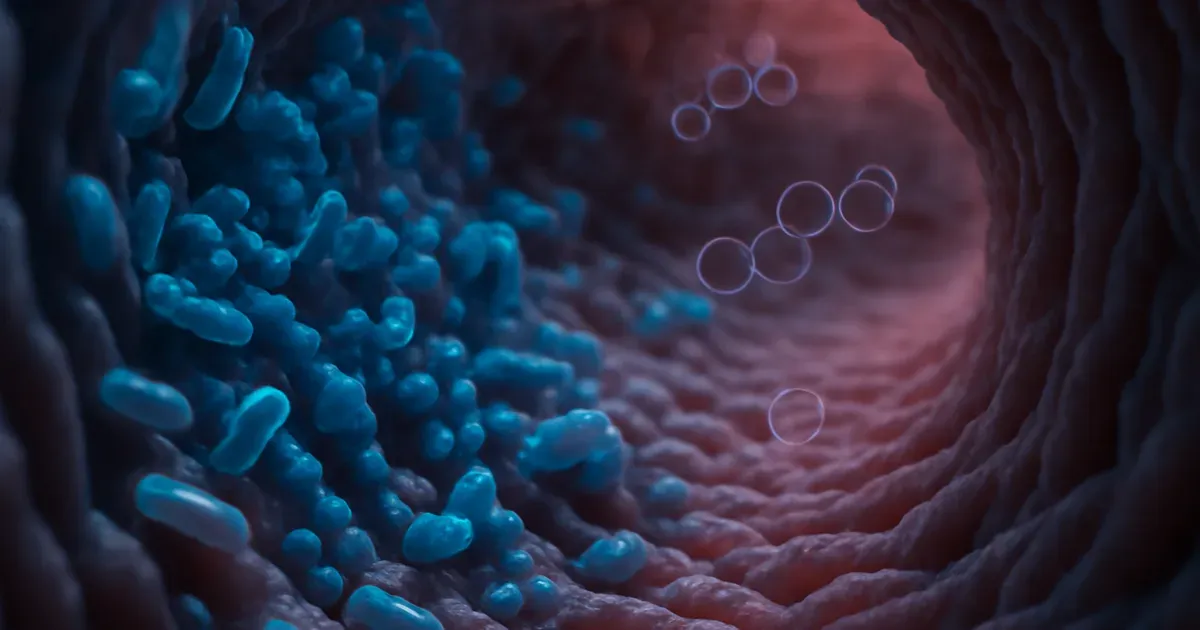
Yes — the gut microbiome undergoes continuous change across a woman's lifespan, with particularly notable shifts at puberty, during reproductive years, and again at menopause. Research shows that gut microbiome diversity generally increases from childhood into adulthood, plateauing around age 40, before the composition begins shifting in ways unique to each individual.
In girls, the gut microbiome transitions toward an adult-like state during pubertal progression, suggesting that rising sex hormones actively shape microbial communities. Studies of dizygotic (non-identical) twins found that teenage male-female pairs show greater gut microbiome differences than same-sex pairs — a gap not observed in infancy — pointing firmly to the role of sex hormones.
Animal studies reinforce this picture: male and female mice share near-identical gut microbiomes at weaning, but clear sex-based differences emerge at puberty. This body of evidence positions menopause as a second major hormonal inflection point that reshapes gut microbial structure, with potentially lasting effects on health.
How does the gut-brain axis relate to menopause symptoms?
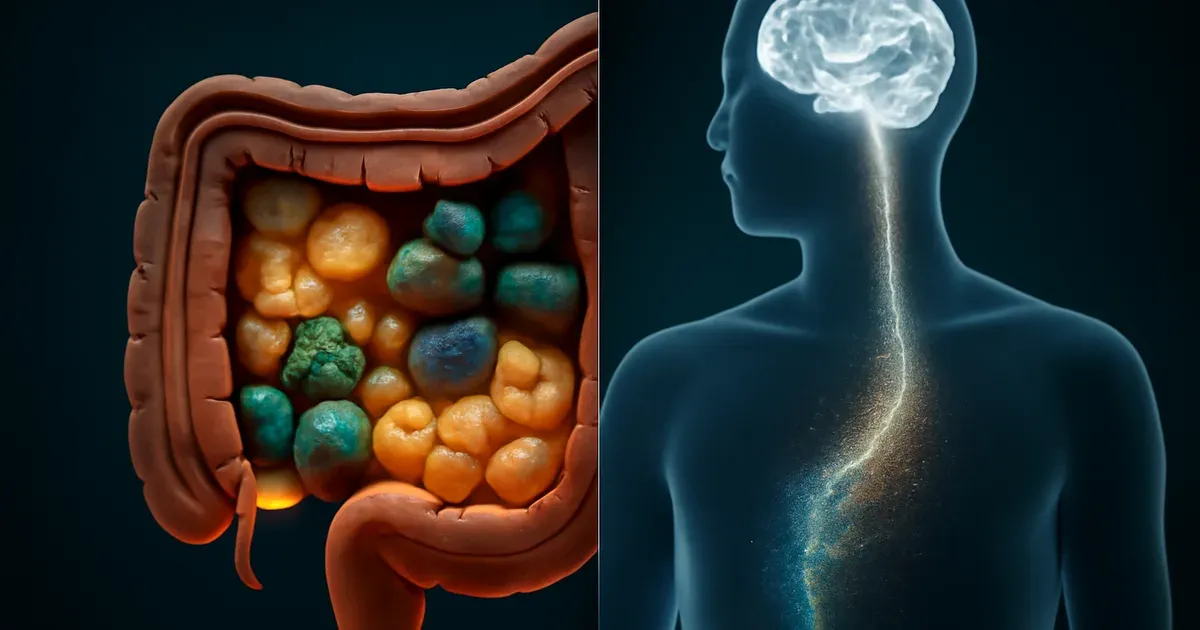
The gut-brain axis is a bidirectional communication network linking the gut microbiome to the central nervous system, and disruption of this axis may help explain mood changes, sleep problems, and cognitive symptoms commonly reported during menopause. The gut and brain exchange signals through metabolic, neuroendocrine, and immune pathways that are sensitive to hormonal fluctuations.
Estrogen receptors are present throughout the gastrointestinal tract, meaning that falling estrogen levels during menopause can directly alter gut function and the gut's ability to maintain its microbial ecosystem. Changes in the gut microbiome, in turn, can influence the production of neurotransmitters such as serotonin — a large proportion of which is synthesised in the gut.
Some of the most troubling menopause symptoms — anxiety, depression, and disrupted sleep — overlap significantly with symptoms associated with gut dysbiosis and impaired gut-brain signalling. The implication is that supporting gut health during menopause may also support brain health, though clinical trials are still needed to confirm this relationship.
Can menopause raise the risk of disease through gut changes?
Menopause-related changes to the gut microbiome may indirectly amplify the risk of cardiovascular disease, diabetes, and other chronic conditions by disrupting microbial pathways that regulate metabolism, inflammation, and hormone balance. Women already face an elevated risk of these diseases after menopause, and the gut microbiome may be an underappreciated contributor.
Gut bacteria produce lipopolysaccharide (LPS), a component of gram-negative bacterial cell walls that can trigger systemic inflammation when it "leaks" across a compromised gut barrier. Declining estrogen levels may weaken this barrier — a process called microbial translocation — allowing LPS to enter circulation and fuel low-grade inflammation linked to metabolic and cardiovascular disease.
Here is a summary of the key disease risk pathways potentially affected by menopause-related gut changes:
| Pathway | Mechanism | Linked Disease Risk |
|---|---|---|
| Estrobolome disruption | Altered estrogen reabsorption | Cardiovascular disease, osteoporosis |
| LPS translocation | Gut barrier weakening | Systemic inflammation, metabolic syndrome |
| Reduced microbial diversity | Dysbiosis | Diabetes, colorectal cancer |
| Gut-brain axis dysregulation | Altered neurotransmitter production | Depression, cognitive decline |
These pathways are all potentially modifiable, which is why the gut microbiome is drawing increasing attention as a therapeutic target in postmenopausal women's health.
Does menopausal hormone therapy affect the gut microbiome?
Whether menopausal hormone therapy (HT) can reverse or modify menopause-related changes in the gut microbiome remains an open and important research question. Hormone therapy with estradiol is well established for relieving vasomotor symptoms such as hot flashes and protecting against bone loss, but its effects on gut microbial composition have not been definitively characterised.
Given that sex hormones demonstrably shape the gut microbiome at puberty and throughout reproductive life, it is biologically plausible that restoring estrogen levels via HT could partially restore a more premenopausal-like microbial profile. Some early studies suggest beneficial effects, but large, well-controlled trials are lacking.
This gap represents one of the most clinically relevant unknowns in the field. If HT does favourably modify the gut microbiome, it could add a new dimension to the risk-benefit calculation that women and their clinicians weigh when considering hormone therapy.

What can you do to support gut health during menopause?
Several evidence-backed lifestyle strategies can support a diverse, resilient gut microbiome during and after the menopausal transition. Because the gut microbiome is modifiable — unlike genetics or age — these approaches represent genuine opportunities to protect health during a vulnerable life stage.
Key strategies include:
- Increase dietary fibre from vegetables, legumes, and whole grains to feed beneficial gut bacteria (prebiotics).
- Eat fermented foods such as yoghurt, kefir, sauerkraut, and kimchi to introduce live microorganisms (probiotics).
- Limit ultra-processed foods and excess sugar, which are associated with reduced gut microbial diversity.
- Exercise regularly, as physical activity has been linked to greater gut microbiome diversity and reduced inflammation.
- Prioritise sleep, since poor sleep quality disrupts the gut-brain axis and is already a common menopause complaint.
- Discuss hormone therapy with a qualified clinician, especially if symptoms are significantly affecting quality of life.
No single intervention will suit every woman, but the combination of diet, movement, and, where appropriate, medical support offers a strong foundation for gut and overall health through menopause and beyond.
How is the female gut microbiome different from the male gut microbiome?
The gut microbiome displays clear sexual dimorphism — meaning measurable differences between male and female microbial communities — that appear to be driven largely by sex hormones. These differences emerge at puberty, strengthen during the reproductive years, and begin to converge again after menopause as estrogen levels fall.
In animal models, weanling male and female mice have virtually identical gut microbiomes, but diverge noticeably once puberty introduces sex-specific hormonal profiles. In humans, research on dizygotic twins suggests that this sex-based divergence also begins in adolescence. Estrogen and progesterone appear to actively select for certain bacterial species, creating a microbial fingerprint that is distinctly female during reproductive years.
After menopause, as ovarian hormone production ceases, the female gut microbiome shifts toward a composition more closely resembling the male gut microbiome. This convergence may have real health consequences, since male and female patterns of disease risk also begin to converge after menopause — a parallel that researchers believe is more than coincidental.

Bottom Line
- Menopause disrupts the gut microbiome, reducing diversity and shifting composition toward a male-typical pattern — changes likely driven by falling estrogen and progesterone.
- The estrobolome — gut bacteria that metabolise estrogens — is a critical but underappreciated link between gut health and hormonal balance in women.
- The gut-brain axis may help explain mood, sleep, and cognitive symptoms during menopause, with gut dysbiosis potentially amplifying neurological effects of hormone loss.
- Chronic disease risks associated with menopause, including cardiovascular disease and diabetes, may be partly mediated through gut microbiome changes, including increased gut barrier permeability and inflammation.
- The gut microbiome is modifiable: diet, exercise, fermented foods, and possibly hormone therapy all offer pathways to support microbial health during and after the menopausal transition.