Microplastics Found to Disrupt Gut Microbiome Health
New research links microplastics to gut microbiome disruption, with scientists warning the effects could jeopardise gut health and broader wellbeing.

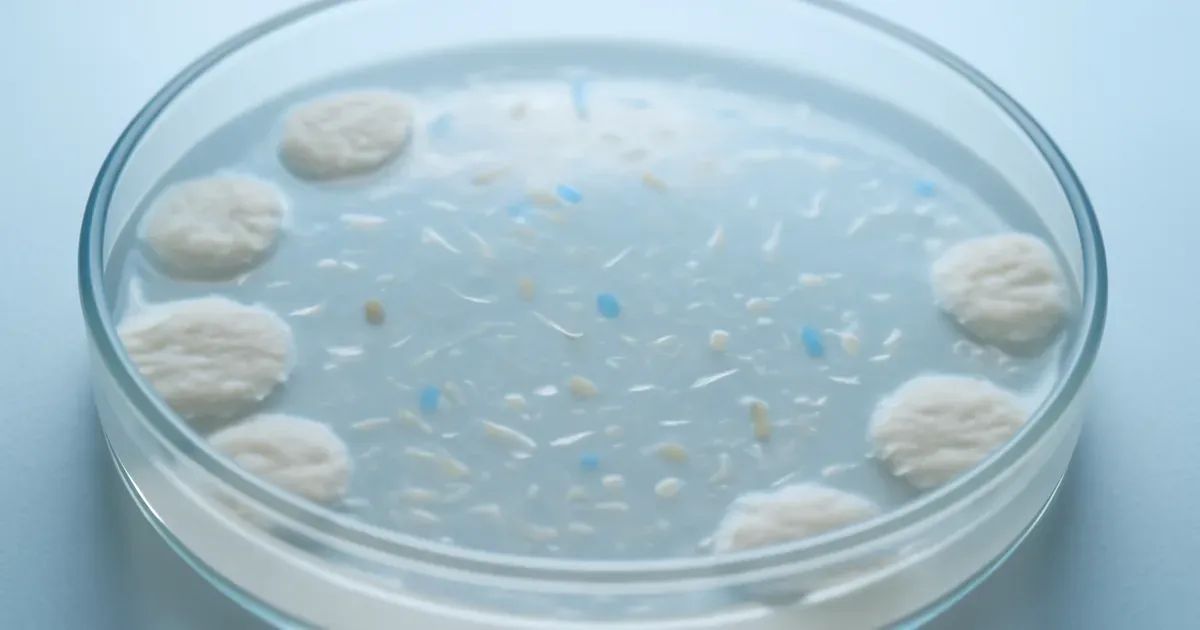
Tiny plastic particles that enter the body through the air we breathe and the food we eat are increasingly being linked to a range of health harms — and new research highlights a particularly concerning interaction with the gut microbiome. According to Nick Ilott, Senior Researcher and Lead Bioinformatician at the Oxford Centre for Microbiome Studies, University of Oxford, disturbances to the gut microbiome caused by microplastics could jeopardise gut health in meaningful ways.
Why This Matters for Gut Health
The gut microbiome — the vast community of microorganisms living in the human digestive tract — plays a central role in immunity, digestion, and even mental wellbeing via the gut-brain axis. Per The Conversation Africa, microplastics are now so pervasive that human exposure is effectively unavoidable. A 2025 review in Nature Medicine found that micro- and nanoplastics can cross cell barriers in the human intestine, reaching systemic circulation and subsequently accumulating in tissues throughout the body.
How Microplastics Interact With the Microbiome
According to Ilott's analysis, microplastics have been shown to interact directly with the gut microbiome, raising questions about what those interactions mean for long-term health. The gastrointestinal tract is now identified as a critical interface for microplastic and nanoplastic exposure, according to a review published in Nature Reviews Gastroenterology & Hepatology, which also notes that causal links to specific health outcomes remain uncertain. Researchers emphasise that distinguishing genuine biological mechanisms from preliminary signals requires rigorous, standardised study design.
What This Means for Your Gut and Overall Wellbeing
For anyone concerned about gut health, these findings add a new dimension to an already complex picture. Scientists report that if the gut microbiome is disturbed by microplastic exposure, the downstream effects could extend beyond digestion — potentially influencing immune function and the gut-brain connection that affects mood and cognition. Researchers are calling for standardised reporting and more rigorous investigation to better understand the scale of the risk.
The evidence linking microplastics to gut microbiome disruption is still emerging, but it is building steadily. According to researchers at the University of Oxford, the interaction between these ubiquitous particles and the gut's microbial communities deserves urgent scientific attention — and awareness among the public whose health may ultimately depend on that research.