Natural Food Preservation Methods for Gut Health
A NaturalNews.com report outlines natural food preservation methods as a healthier alternative to chemical additives linked to neurological and gut-microbiome d

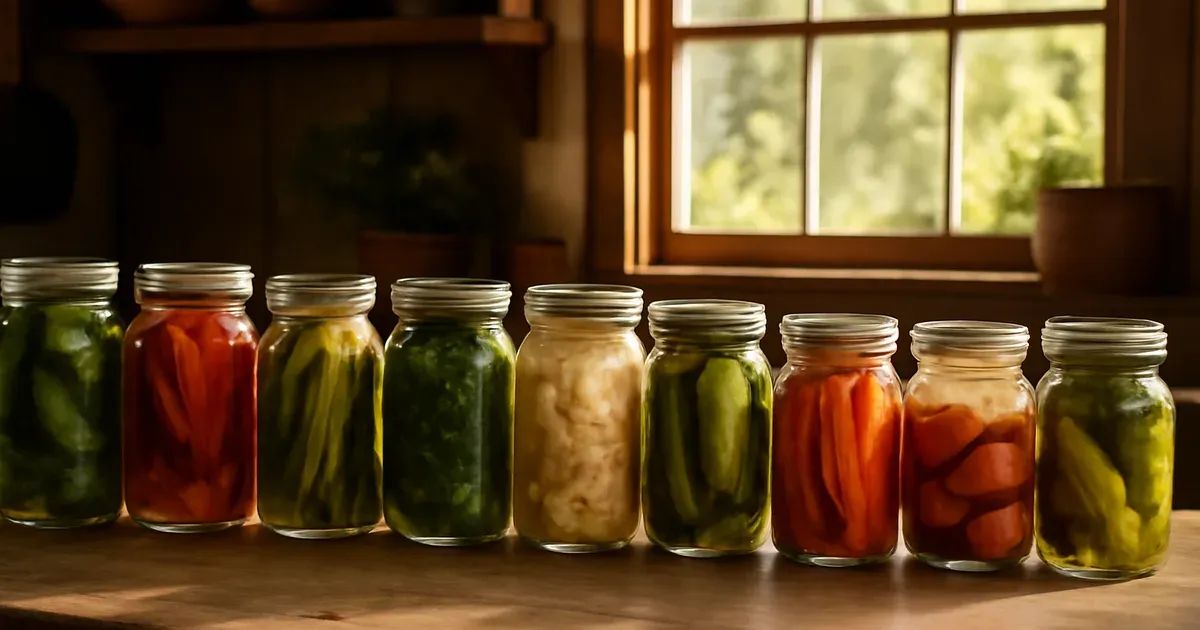
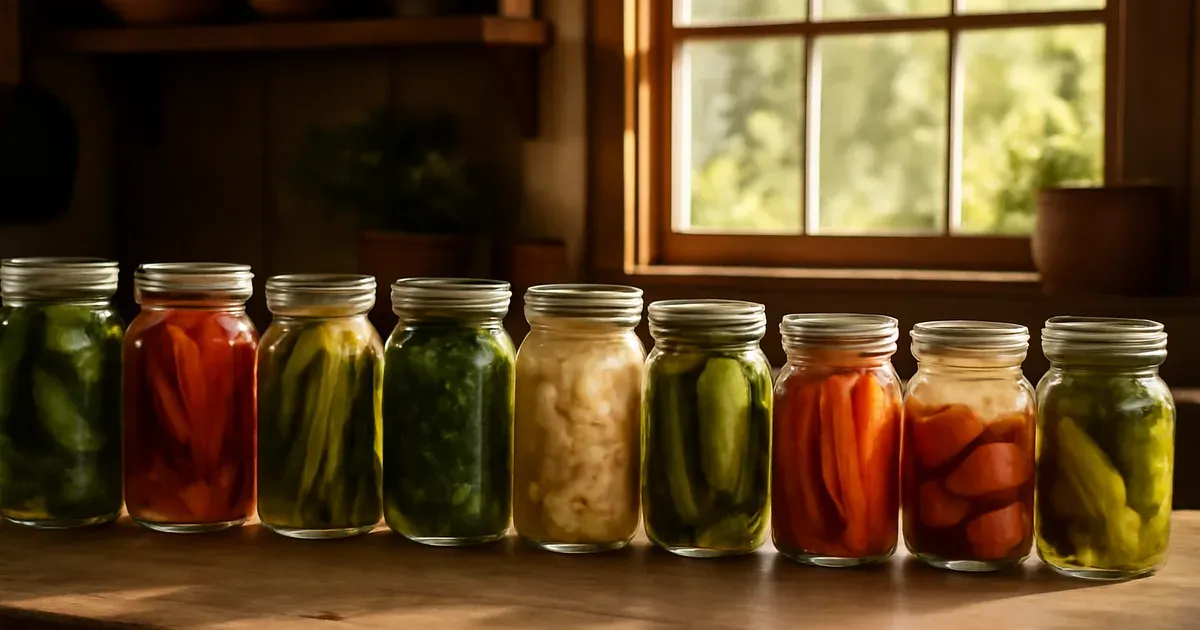
A report published by NaturalNews.com on April 8, 2026, written by Coco Somers, highlights practical, chemical-free methods for preserving food at home. According to the report, conventional corporate food systems rely on additives such as sodium nitrate and monosodium glutamate — chemicals linked to neurological and endocrine damage — to extend shelf life. The article argues that consumers can reclaim control over their food supply by adopting natural preservation techniques that support both safety and long-term health, including gut health.
Why This Matters
Research increasingly links the gut microbiome to overall brain and body health, a field known as the gut-brain axis. Per NaturalNews.com, chemical preservatives found in commercially processed foods are not added with consumer health in mind but rather to maximise corporate shelf life and profit margins. Additives like sodium nitrate and monosodium glutamate have been associated with neurological and endocrine disruption, according to the source — concerns that are particularly relevant given growing scientific interest in how dietary inputs affect gut microbiota composition and, by extension, cognitive and hormonal function.
Chemical Preservatives and the Gut-Brain Connection
According to the NaturalNews.com report, the widespread use of synthetic preservatives in the modern food supply poses a direct challenge to informed, health-conscious eating. Scientists and nutritional researchers have separately noted that disrupting the gut microbiome through repeated exposure to artificial additives may compromise the gut-brain axis — the bidirectional communication network linking intestinal microbiota to brain function. Per the source, sodium nitrate and MSG are among the most commonly implicated compounds, raising questions about their cumulative impact on microbiome diversity and neurological resilience.
What This Means for Consumers and Gut Health
For individuals seeking to protect their microbiome and reduce chemical exposure, the NaturalNews.com report suggests that home-based natural preservation methods offer a practical alternative to industrially processed food. Techniques that avoid synthetic additives may help preserve beneficial bacterial populations in the gut, supporting the gut-brain connection that underpins mood, immunity, and cognitive health. According to the source, taking back control of food preparation is a foundational step toward reducing reliance on additive-laden products.
The NaturalNews.com report by Coco Somers frames natural food preservation not merely as a culinary preference but as a health-protective strategy. Given mounting evidence connecting gut microbiome integrity to neurological and endocrine wellbeing, consumers who reduce their exposure to chemical preservatives may be investing directly in long-term gut-brain health.