Oral Microbiome Explained: Your Biggest Questions Answered
Discover what the oral microbiome is, how it develops, and how it connects to gut health and the gut-brain axis. Science made simple.

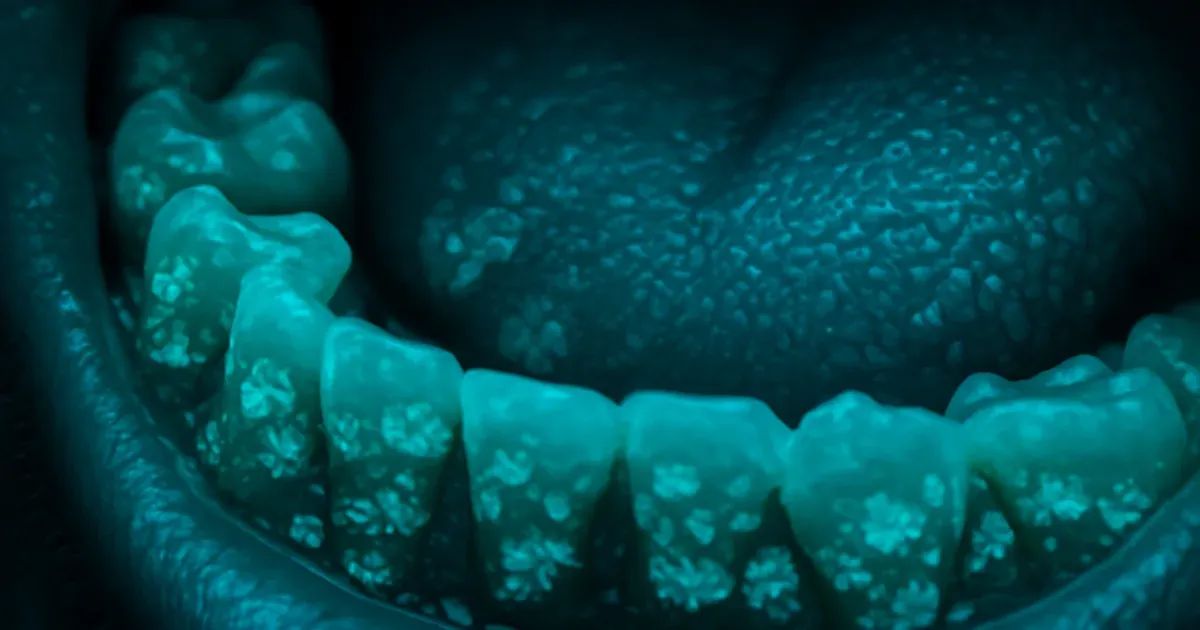
The oral microbiome is one of science's most fascinating frontiers — yet most people have never heard of it. You brush your teeth daily, but do you know that your mouth hosts over 700 species of bacteria? And that what lives in your mouth could influence your gut, your brain, and your overall health? If you have questions, you are in the right place. This article breaks down the science in plain language, connecting oral health to the broader world of gut health and the gut-brain axis.
Jump to Your Question
How does the oral microbiome develop from birth?
What microorganisms live in the mouth?
How is the oral microbiome connected to gut health?
What is the difference between the core and variable oral microbiome?
How is the oral microbiome studied scientifically?
Can the oral microbiome affect the gut-brain axis?
How can you support a healthy oral microbiome?
What is the oral microbiome?
The oral microbiome is the collective community of microorganisms — bacteria, fungi, viruses, archaea, and protozoa — that live inside the human mouth. According to research published in PMC, the oral cavity harbours over 700 species of bacteria alone, making it the second most diverse microbial community in the human body after the gut.
The term "microbiome" itself was coined by Nobel Prize laureate Joshua Lederberg to describe the ecological community of symbiotic, commensal, and pathogenic microorganisms that share our body space. In the context of the mouth, this community colonises both the hard surfaces of teeth and the soft tissues of the oral mucosa.
Surfaces including the teeth, tongue, cheeks, gingival sulcus, tonsils, hard palate, and soft palate all provide rich, distinct environments where microbes can flourish. The oral cavity maintains an average temperature of 37°C and a stable saliva pH of 6.5–7, creating near-perfect conditions for bacterial survival.
- Hard tissue sites: teeth, enamel surfaces, pits and fissures
- Soft tissue sites: tongue, cheeks, gums, palate, throat
- Fluid environment: saliva, which transports nutrients to microorganisms
How does the oral microbiome develop from birth?
The oral microbiome begins forming at or shortly after birth, when pioneer bacterial species first colonise the sterile mouth of a newborn. The first identified pioneer species is Streptococcus salivarius, which establishes itself almost immediately after delivery.
Although the womb is generally considered sterile, recent studies suggest that amniotic fluid colonisation by oral microorganisms occurs in up to 70% of pregnant women. During delivery, the baby encounters microflora from the uterus and vagina, and from the first feeding onward, the oral cavity is regularly inoculated with new microorganisms.
By the first year of life, the mouth is primarily colonised by aerobes including Streptococcus, Lactobacillus, Actinomyces, Neisseria, and Veillonella. Once teeth erupt, non-shedding surfaces become available for colonisation, increasing microbial diversity significantly.
Key developmental milestones:
- Birth: Pioneer species like S. salivarius establish
- Year 1: Aerobic species dominate
- Tooth eruption: New colonisation surfaces emerge; gingival crevices form
- Tooth loss (old age): Flora reverts to a pattern similar to pre-eruption childhood

What microorganisms live in the mouth?
The mouth is home to bacteria, fungi, viruses, archaea, and protozoa, though most research has focused on the bacterial component — the "bacteriome." The oral cavity is one of the most well-studied microbiomes in the world, with 392 taxa documented with at least one reference genome, and total genomes approaching 1,500.
Fungi represent the "mycobiome" of the oral cavity, but published research on this component remains relatively scarce compared to bacteria. Viruses and archaea round out the community, playing roles that are still being actively investigated.
Different species prefer different locations within the mouth, guided by specific adhesin proteins on their surface that bind to complementary receptors at each oral site. This means the bacterial community on your tongue differs meaningfully from the one in your gingival sulcus.
- Dominant genera: Streptococcus, Actinomyces, Veillonella, Fusobacterium, Porphyromonas
- Fungi (mycobiome): Largely understudied but present
- Archaea and viruses: Emerging areas of oral microbiome research
How is the oral microbiome connected to gut health?
The oral microbiome and the gut microbiome are directly connected through the gastrointestinal tract, with the mouth serving as the literal entry point to the digestive system. Every time you swallow, oral microorganisms travel to the gut, where they can influence the composition and function of the gut microbiome.
In healthy individuals, most orally swallowed bacteria are destroyed by stomach acid. However, in people with gut dysbiosis or conditions like inflammatory bowel disease, oral bacteria such as Fusobacterium nucleatum have been detected in the intestinal lining — suggesting a breakdown in the gut's defensive barriers.
The oral microbiome is also the initiation point of digestion itself, meaning it plays a functional metabolic role before food even reaches the stomach. Disruptions at this starting point can trigger a cascade of downstream effects on gut health, nutrient absorption, and immune signalling.
| Feature | Oral Microbiome | Gut Microbiome |
|---|---|---|
| Location | Mouth, throat | Small and large intestine |
| Species count | 700+ bacterial species | 1,000+ bacterial species |
| Primary role | Digestion initiation, immune defence | Nutrient metabolism, immune regulation |
| Study ease | High (easy sample collection) | Moderate (stool sampling) |
| Connection to disease | Oral disease, systemic inflammation | IBD, obesity, mental health |

What is the difference between the core and variable oral microbiome?
The human oral microbiome is divided into two components: the core microbiome and the variable microbiome. The core microbiome consists of predominant microbial species found across all healthy individuals at various oral sites, representing a shared biological baseline.
The variable microbiome, by contrast, is shaped by an individual's unique lifestyle choices, genetics, diet, geography, and physiological differences. This means no two people have an identical oral microbial profile, even if their core communities share many of the same species.
Understanding this distinction matters because it helps researchers identify what "normal" looks like, and then detect meaningful deviations that might indicate disease risk. A disrupted variable microbiome, for example, might signal early periodontitis, elevated systemic inflammation, or even shifts in gut microbial diversity.
What shapes your variable microbiome:
- Diet (sugar intake, fibre, fermented foods)
- Smoking and alcohol use
- Oral hygiene habits
- Antibiotic use
- Genetic and immune factors
How is the oral microbiome studied scientifically?
Scientists study the oral microbiome primarily through next-generation sequencing (NGS) and bioinformatics, which have revolutionised the field by revealing microbial complexity that older, culture-based methods could never capture. Many oral microorganisms simply cannot be grown in a laboratory culture, meaning they were effectively invisible to researchers for decades.
The emergence of 16S rRNA gene sequencing — a molecular technique that targets a region of bacterial DNA conserved across species — has allowed scientists to identify and categorise oral bacteria without needing to culture them. The Human Oral Microbiome Database (HOMD) now serves as a centralised reference for oral microbial genomes.
Because saliva and oral swabs are so easy to collect, the oral microbiome has become one of the most extensively studied microbiomes globally. This same logic applies to gut microbiome research, where stool-based sequencing has transformed our understanding of how gut bacteria influence everything from metabolism to mood.
Key research tools:
- 16S rRNA gene sequencing
- Metagenomics (whole-genome shotgun sequencing)
- Bioinformatics pipelines
- Human Oral Microbiome Database (HOMD)

Can the oral microbiome affect the gut-brain axis?
The oral microbiome may influence the gut-brain axis indirectly by shaping the composition of the gut microbiome, which is itself a critical communicator between the digestive system and the brain. The gut-brain axis is the bidirectional signalling network connecting gut microbes to brain function via the vagus nerve, immune pathways, and microbial metabolite production.
When oral pathogens colonise the gut — as can happen when oral dysbiosis is present — they can alter the gut's microbial balance, trigger local inflammation, and potentially disrupt the production of neurotransmitters like serotonin and GABA. Approximately 90% of serotonin is produced in the gut, making gut microbial health deeply relevant to mood, cognition, and stress response.
Emerging research links poor oral health not only to cardiovascular disease and diabetes, but also to neuroinflammatory conditions. While the oral-gut-brain pathway is still being characterised, the biological plausibility is strong and scientifically compelling.
Potential oral-gut-brain mechanisms:
- Oral bacteria travel to gut, altering microbial diversity
- Gut dysbiosis reduces production of mood-related neurotransmitters
- Systemic inflammation triggered by oral pathogens reaches the brain
- Immune dysregulation affects both gut lining integrity and neuroinflammation
How can you support a healthy oral microbiome?
Supporting a healthy oral microbiome means creating conditions where beneficial bacteria can thrive and pathogenic species are kept in check. Because the oral and gut microbiomes are connected, what benefits your mouth will often benefit your gut — and vice versa.
Diet is the single most influential modifiable factor. A diet high in refined sugars feeds acid-producing bacteria like Streptococcus mutans, disrupting the microbial balance and leading to tooth decay and gum disease. A fibre-rich, plant-forward diet, on the other hand, supports microbial diversity in both the mouth and the gut.
Antibiotics and antiseptic mouthwashes, while sometimes necessary, can indiscriminately disrupt the oral microbiome. Emerging research suggests that probiotic supplementation with oral-specific strains may help restore balance after disruption, mirroring strategies already used for gut microbiome recovery.
Practical steps to support oral microbiome health:
- Brush and floss daily, but avoid overuse of antibacterial mouthwash
- Eat a diverse, fibre-rich diet low in refined sugars
- Stay well-hydrated to support healthy saliva production
- Avoid smoking, which severely disrupts oral microbial diversity
- Consider probiotic-rich foods (yoghurt, kefir) that benefit both oral and gut flora
- Schedule regular dental check-ups to catch dysbiosis early
Bottom Line
- The oral microbiome hosts over 700 bacterial species and is the second most diverse microbial community in the human body, after the gut.
- It begins forming at birth and evolves throughout life, shaped by diet, hygiene, genetics, and environment.
- The mouth is the gateway to the gut — oral bacteria regularly enter the digestive system and can influence gut microbial balance, immune function, and even mood via the gut-brain axis.
- Next-generation sequencing has transformed oral microbiome science, revealing species that culture-based methods could never detect.
- Supporting your oral microbiome with good diet, hydration, and dental hygiene benefits not just your teeth, but your gut health and systemic wellbeing.