Your Oral Microbiome and Gut Health
Your oral microbiome shapes gut health, immunity and even brain function. Learn what it is, why balance matters, and how to protect it.

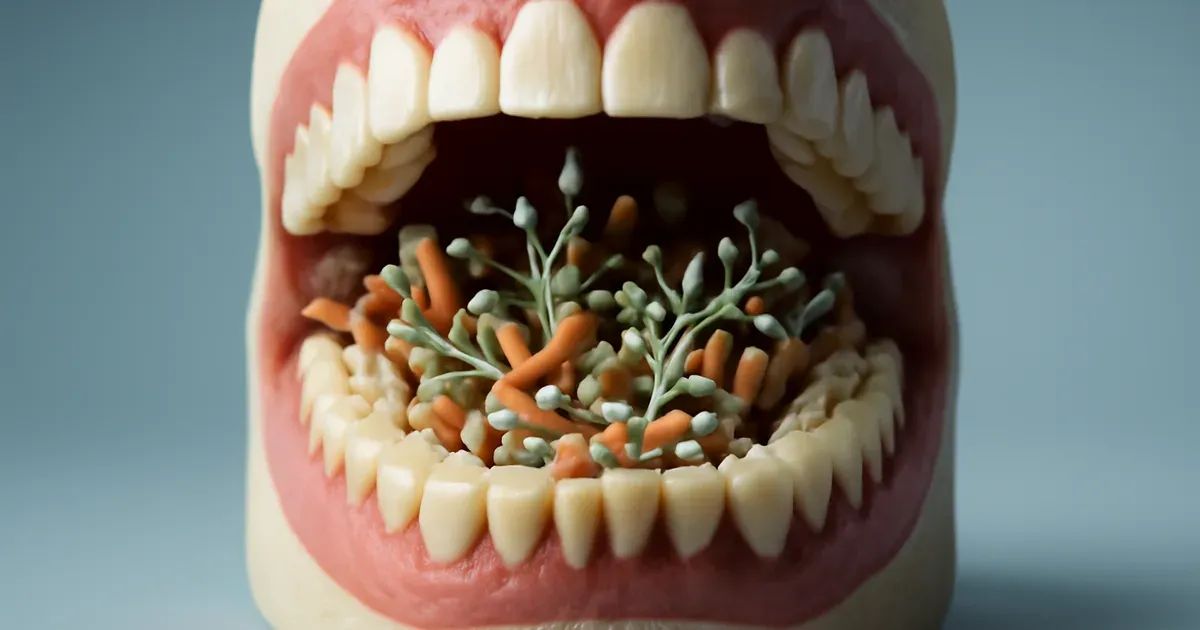
Your mouth is not just a gateway to your gut — it is part of it. The trillions of microorganisms living inside your mouth form what scientists call the oral microbiome, and the health of this invisible community ripples outward in ways most people never expect. From your gum tissue to your digestive tract to your brain, the balance of your mouth's microbial world matters more than a fresh smile.
This article breaks down what the oral microbiome actually is, how it connects to gut health and the gut-brain axis, and what practical steps can help keep it in balance.
What Is the Oral Microbiome?
The mouth is home to one of the most diverse microbial ecosystems in the human body. Research has identified bacteria, fungi, viruses, protozoa and archaea all coexisting in different regions of the oral cavity. Each zone — from the inner cheek lining to the tongue to the gum line — has its own distinct microbial community shaped by local conditions like oxygen levels, pH and moisture.
Different species colonise different surfaces. The buccal mucosa, or inner cheek lining, is largely dominated by Streptococcus species. The tongue, by contrast, is far more diverse and hosts species including Rothia and Veillonella, each playing a distinct role in the ecosystem.
Not all bacteria are harmful. The oral microbiome contains both beneficial and pathogenic organisms, and a healthy mouth depends on the right balance between the two. When that balance shifts, problems start — first in the mouth, and then, increasingly, throughout the body.
The Oral Microbiome–Gut Health Connection
Every time you swallow, you are seeding your gut with microorganisms from your mouth. The oral cavity is the entry point to the entire gastrointestinal tract, which means whatever lives in your mouth eventually makes its way downstream. Under normal conditions, the harsh acidity of the stomach neutralises most oral bacteria before they can colonise the gut. But in people with digestive disorders or compromised stomach acid, oral bacteria can survive and establish themselves in the intestines.
Research is increasingly linking disrupted oral microbiomes to gut dysbiosis. Oral pathogens such as Fusobacterium nucleatum — a bacterium associated with gum disease — have been detected in the gut tissue of people with inflammatory bowel disease and colorectal cancer. This does not mean gum disease causes these conditions, but it suggests a shared microbial pathway that scientists are actively investigating.
A healthy gut microbiome and a healthy oral microbiome appear to reinforce each other. When one is disrupted, signals of inflammation and immune dysregulation can affect the other. Treating the mouth as an isolated system, separate from digestive health, misses a significant piece of the whole-body picture.
The Gut-Brain Axis Starts in the Mouth
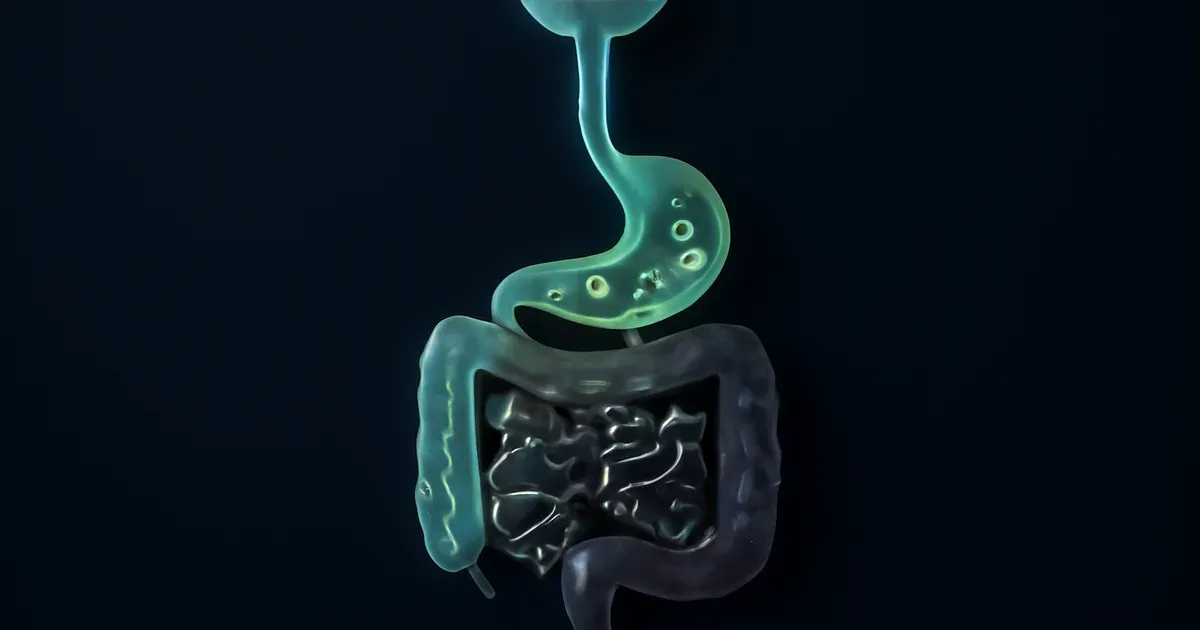
The gut-brain axis — the bidirectional communication network linking the gastrointestinal tract and the central nervous system — begins its journey at the mouth. Oral bacteria influence the production of nitric oxide, a molecule involved in blood flow and neurotransmitter regulation. Some oral bacteria also produce short-chain fatty acids and other metabolites that interact with the immune system and potentially affect brain signalling once they reach the gut.
Chronic oral inflammation, particularly gum disease (periodontitis), has been associated with systemic inflammation that may cross the blood-brain barrier. Several research pathways suggest that low-grade inflammatory signals originating in the gums can contribute to conditions including cardiovascular disease, type 2 diabetes and even neurodegenerative diseases like Alzheimer's. The bacteria Porphyromonas gingivalis, a key driver of periodontitis, has been found in post-mortem brain tissue samples of people who had Alzheimer's disease.
This does not mean poor oral hygiene directly causes neurological disease. What it suggests is that the oral microbiome is a significant, and often overlooked, node in the network that governs whole-body and brain health. Maintaining a balanced oral microbiome is a legitimate part of supporting the gut-brain axis.
Signs of an Unhealthy Oral Microbiome
An unhealthy oral microbiome is more than just bad breath. When harmful microorganisms outcompete beneficial ones, the consequences can appear as tooth decay, cavities, gum disease and oral infections. These are the mouth's visible warning signals that microbial balance has been lost.
Signs of a healthy oral microbiome include fresh breath, clean teeth and firm, pink gum tissue. Persistent bad breath (halitosis) that does not resolve with brushing, bleeding gums, or recurring mouth sores are all signs worth discussing with a dentist or healthcare provider. Regular dental check-ups remain one of the most reliable ways to catch early imbalances before they escalate.
The downstream consequences of untreated oral dysbiosis extend well beyond the mouth. Low-grade gum inflammation has been theorised to contribute to heart disease, digestive disorders, and disruptions to blood sugar regulation — all conditions that also implicate gut health. The mouth and gut are not isolated systems; they are interconnected stations on the same microbial highway.
How to Keep Your Oral Microbiome Healthy
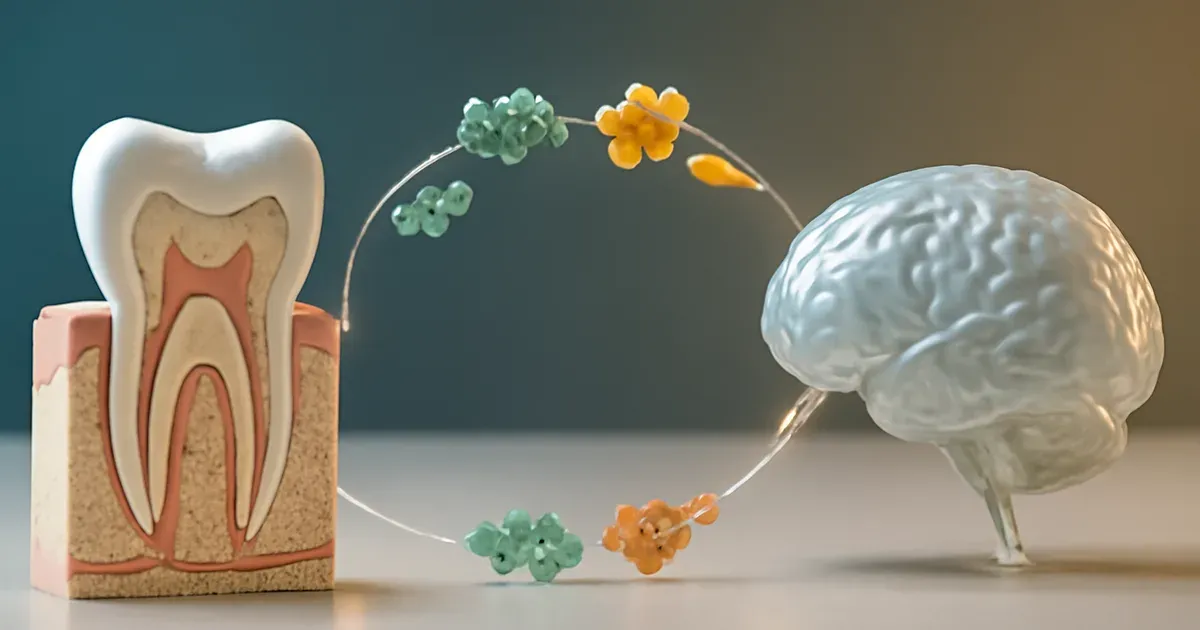
Good oral hygiene is the foundation of a balanced oral microbiome. The CDC recommends brushing twice daily with fluoride toothpaste and flossing once a day to disrupt the biofilm — commonly known as plaque — where pathogenic bacteria thrive. Regular professional dental cleanings, at least once per year, help address what daily brushing cannot reach.
Diet is equally important. The bacteria in your mouth feed on what you eat. Diets high in refined sugar and processed foods feed pathogenic species like Streptococcus mutans, which produces enamel-eroding acid as a metabolic byproduct. A diet rich in whole grains, vegetables, fruits, legumes, nuts and seeds supports a more diverse and resilient microbial community — in both the mouth and the gut.
Probiotic and fermented foods, long celebrated for gut health, may also benefit the oral microbiome. Strains of Lactobacillus and Bifidobacterium found in fermented foods like yoghurt, kefir and sauerkraut have shown early promise in clinical studies for reducing counts of oral pathogens and improving gum health. The mechanisms are still being investigated, but the gut-oral microbiome connection makes this a plausible and low-risk addition to an oral health strategy.
Limit or avoid alcohol. Alcohol alters the composition of the oral microbiome by reducing beneficial species and promoting the growth of harmful ones. It also dries the mouth, reducing saliva flow — and saliva is one of the mouth's primary natural defences against pathogenic bacteria. For those who choose to drink, moderation is key: no more than one drink per day for women, and no more than two for men.
Avoid smoking. Tobacco use is one of the most damaging factors for the oral microbiome. Smoking reduces oxygen levels in oral tissue, creating conditions that favour anaerobic pathogenic bacteria — the same species most strongly associated with gum disease and oral infections. The impact of smoking on the oral microbiome is well established and independent of its broader cancer and cardiovascular risks.

Bottom Line
The oral microbiome is not a niche concern — it is a central player in whole-body health. The microbial community in your mouth communicates with your gut, influences your immune system, and through the gut-brain axis, may even affect your cognitive and mental wellbeing. Treating oral health as cosmetic, or as separate from gut and brain health, misses the interconnected biology that modern microbiome science is beginning to map.
Keeping the oral microbiome balanced comes down to a few consistent habits: brush and floss daily, eat a diverse whole-foods diet, limit alcohol, avoid smoking, and see a dentist regularly. These are not complicated interventions — but their cumulative effect on microbial balance, gut health and systemic inflammation is significant.
Your mouth is where the gut microbiome story begins. Taking care of what lives there is one of the most accessible and impactful things you can do for your health from the inside out.
Frequently Asked Questions
What is the oral microbiome and why does it matter?
The oral microbiome is the community of bacteria, fungi, viruses and other microorganisms living in your mouth. It matters because it forms the first line of immune defence against pathogens, influences digestion by seeding the gut with microorganisms, and plays a role in systemic inflammation. A well-balanced oral microbiome supports not just dental health but whole-body wellbeing.
How does the oral microbiome affect gut health?
Every swallow transfers oral microorganisms into the digestive tract. Under healthy conditions, most are neutralised by stomach acid. But when the oral microbiome is disrupted — with too many pathogenic species — harmful bacteria can survive and colonise the gut, contributing to digestive inflammation and dysbiosis. Oral and gut microbiome health are closely linked.
Can a bad oral microbiome affect the brain?
Emerging research suggests it can, through the gut-brain axis. Chronic gum disease produces low-grade systemic inflammation that may affect the brain via inflammatory signalling pathways. Oral bacteria have been detected in the gut tissue and brain samples of people with neurodegenerative conditions, though causation has not been definitively established. Maintaining a healthy oral microbiome is considered a supportive factor for brain health.
What are the signs of an unhealthy oral microbiome?
Common signs include persistent bad breath, bleeding gums, tooth decay, cavities and recurring oral infections. On the flip side, fresh breath, healthy pink gums and clean teeth are all indicators of a balanced oral microbiome. A dentist can provide a more thorough assessment during regular check-ups.
What foods support a healthy oral microbiome?
A diet rich in vegetables, fruits, whole grains, nuts, seeds and legumes promotes microbial diversity in the mouth. Fermented foods like yoghurt and kefir may also help by introducing beneficial bacterial strains. Limiting sugar, alcohol and ultra-processed foods reduces the fuel available to pathogenic oral bacteria.