Pesticides May Disrupt the Gut Microbiome
New research suggests pesticides can disrupt the gut microbiome, threatening digestion, immunity, and gut-brain axis function, per Alltoc.com.

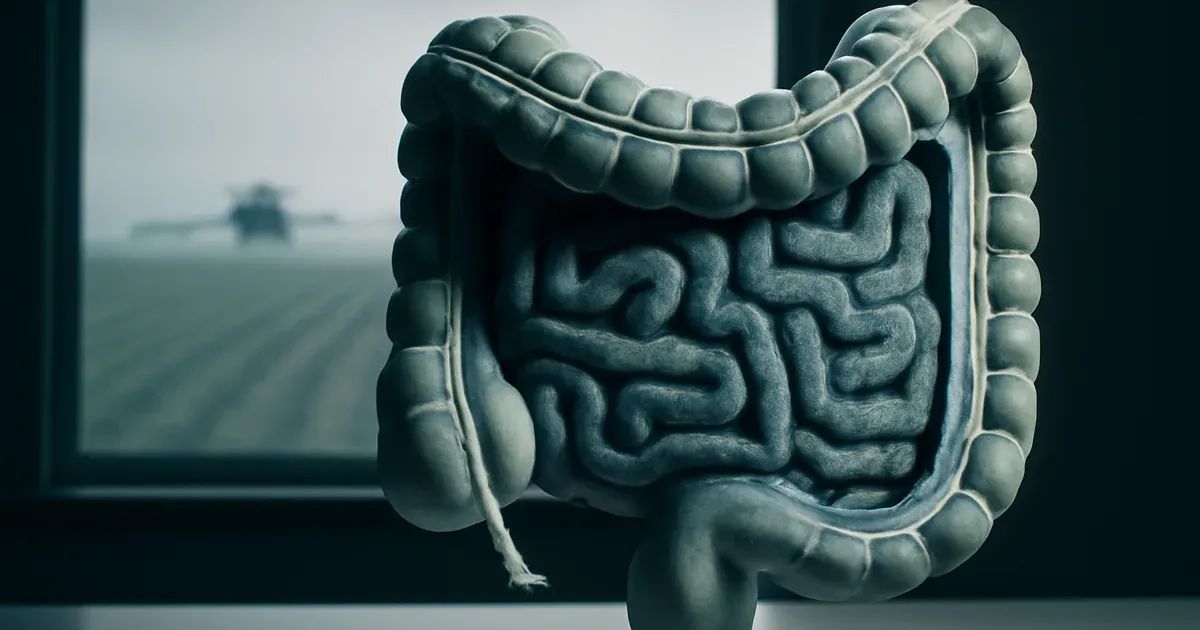
New research highlighted by Alltoc.com suggests that pesticides can significantly disrupt the gut microbiome — the complex internal ecosystem of microorganisms that governs digestion, immune signaling, and metabolic function. The findings, surfaced in a recent news roundup published April 9, 2026, add to a growing body of scientific concern about how everyday chemical exposures may be quietly reshaping the microbial communities living inside the human body.
Why This Matters
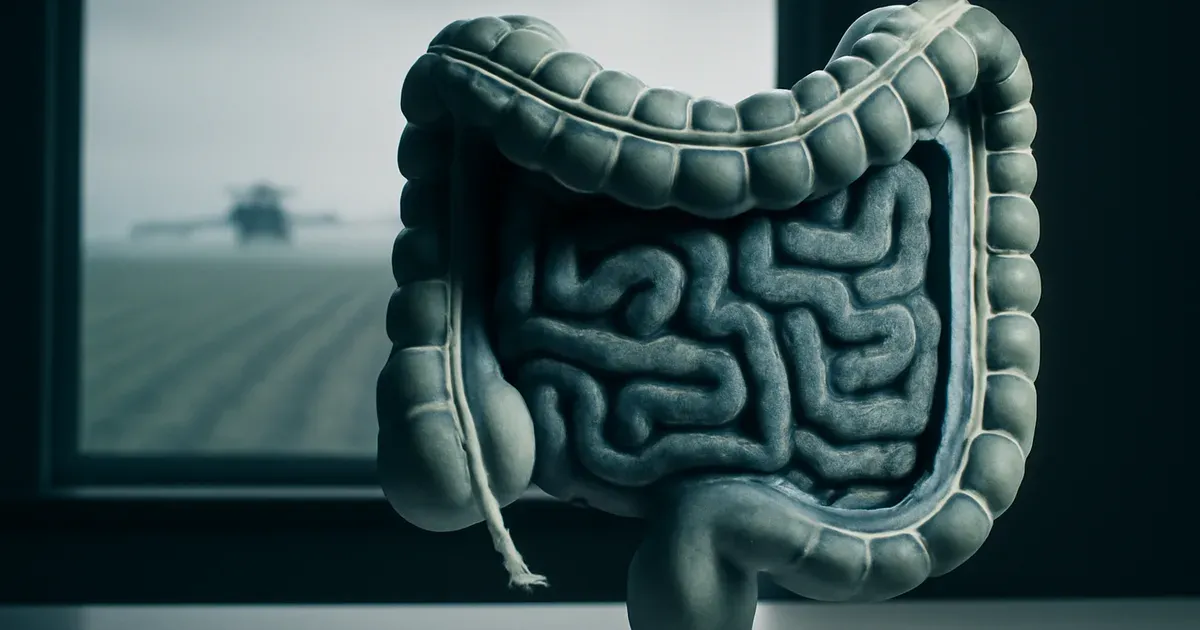
The gut microbiome is increasingly recognized as a cornerstone of human health. Scientists describe it as a vast internal community of bacteria, fungi, and other microbes that do far more than aid digestion — they help regulate immune responses, produce key neurotransmitters, and maintain the gut-brain axis, the bidirectional communication network linking the digestive system to the central nervous system. Disruption of this ecosystem has been associated with conditions ranging from inflammatory bowel disease to anxiety and depression. Any external factor capable of destabilizing this balance carries significant public health implications, according to researchers.
Research Finds Pesticides "Wreak Havoc" on Gut Flora
Per Alltoc.com, researchers describe pesticides as capable of "wreaking havoc" on the gut microbiome. The concern centers on how these widely used agricultural chemicals interact with the microbial populations residing in the digestive tract. Scientists report that the gut microbiome's sensitivity to chemical compounds means that even low-level or indirect pesticide exposure — through food and water consumption — could alter the composition and diversity of these microbial communities. A less diverse microbiome is generally considered a marker of poorer gut health, researchers note.
What This Means for Gut Health
For anyone paying attention to gut health, the implications are considerable. A destabilized microbiome doesn't only affect digestion — it can ripple outward through the gut-brain axis, potentially influencing mood, cognitive function, and immune resilience. Researchers suggest the findings underscore the importance of understanding pesticide exposure as a factor in broader microbiome health strategies, not merely an agricultural or environmental issue.
The research reported by Alltoc.com reinforces a widening scientific consensus: the gut microbiome is highly vulnerable to chemical interference, and pesticides represent a credible and underexamined threat to its stability. As microbiome science advances, understanding the role of environmental exposures like pesticides is likely to become a central question in gut health and gut-brain research.