Prunes Support Bone Health and Gut Microbiome
New research suggests prunes support bone density, gut microbiome health, and may offer cancer-protective benefits beyond their digestive reputation.

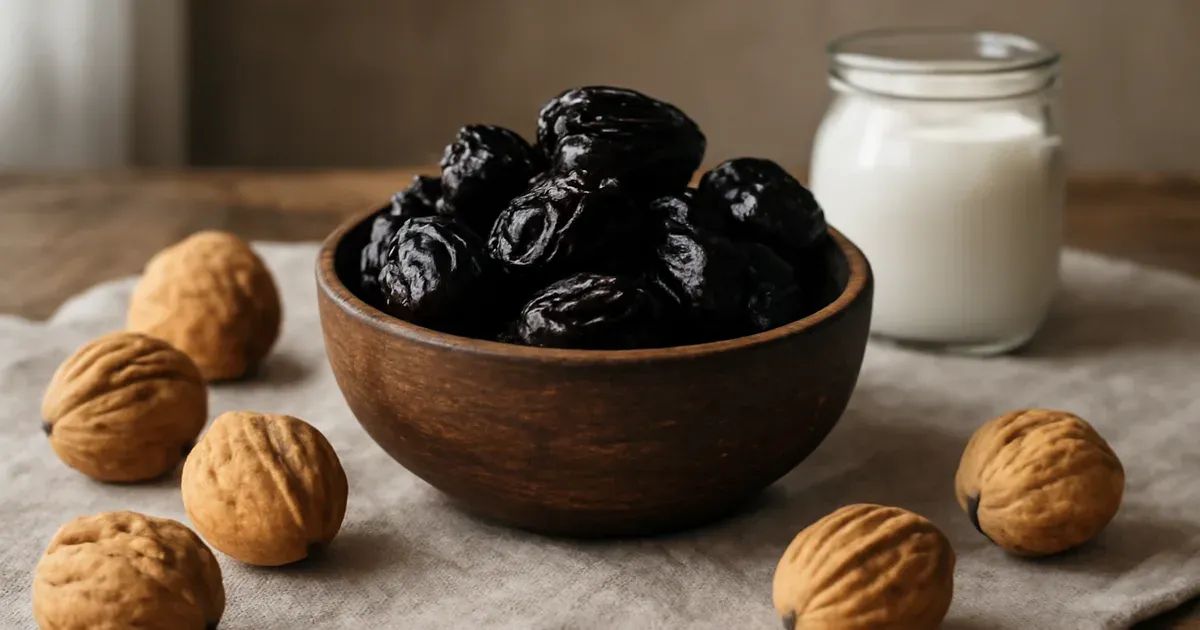
Recent analyses of nutritional science suggest that prunes — long marketed primarily as a digestive aid for older adults — may offer a far broader range of health benefits, according to a report published by NaturalNews. Researchers indicate the common dried fruit contains a complex array of bioactive compounds that may support bone density, digestive health, and even offer potential cancer-protective properties, positioning prunes as a significant functional food in the growing field of gut-brain and microbiome research.
Why This Matters
The gut microbiome has emerged as one of the most actively studied areas in modern health science, with researchers increasingly linking microbial diversity to outcomes ranging from immune function to mental health. Prunes, as a fibre-rich, polyphenol-dense food, are now drawing renewed scientific attention for their potential to feed and support beneficial gut bacteria. Per NaturalNews, this reframing moves prunes beyond their traditional reputation as a remedy for constipation and into a broader conversation about preventive nutrition and microbiome support for people of all ages.
Prunes Linked to Bone Density, Cancer-Protective Compounds, and Gut Support
Research cited by NaturalNews indicates that prunes contain a complex array of compounds — including polyphenols, fibre, and key minerals — that may collectively support bone health, promote a healthy digestive environment, and offer potential cancer-protective benefits. Scientists report that the anti-inflammatory and antioxidant properties of these compounds may play a role in maintaining bone density, a finding particularly relevant given rising rates of osteoporosis. The fibre content of prunes is also noted as a driver of prebiotic activity, meaning it may selectively nourish beneficial microbes within the gut, according to the source analysis.
What This Means for Gut Health and General Wellness
For individuals focused on gut health and microbiome diversity, the findings suggest that incorporating prunes into a regular diet could serve as a practical, low-cost dietary strategy. Researchers indicate the prebiotic fibre in prunes may help sustain microbial balance, which scientists increasingly associate with reduced systemic inflammation and improved gut-brain signalling. Per NaturalNews, the implications extend beyond digestion alone, touching on bone integrity and potentially cellular health.
The emerging body of research reviewed by NaturalNews repositions prunes as a genuinely multifaceted functional food. Scientists report that the combination of fibre, polyphenols, and micronutrients in prunes may benefit the gut microbiome, support skeletal health, and contribute to broader disease-protective mechanisms — making them a notable subject for continued nutritional investigation.