7 Surprising Ways Psilocybin Affects Your Gut-Brain Axis
New research reveals 7 ways the psilocybin gut-brain axis reshapes your microbiome, serotonin, and social behavior. What science is uncovering.

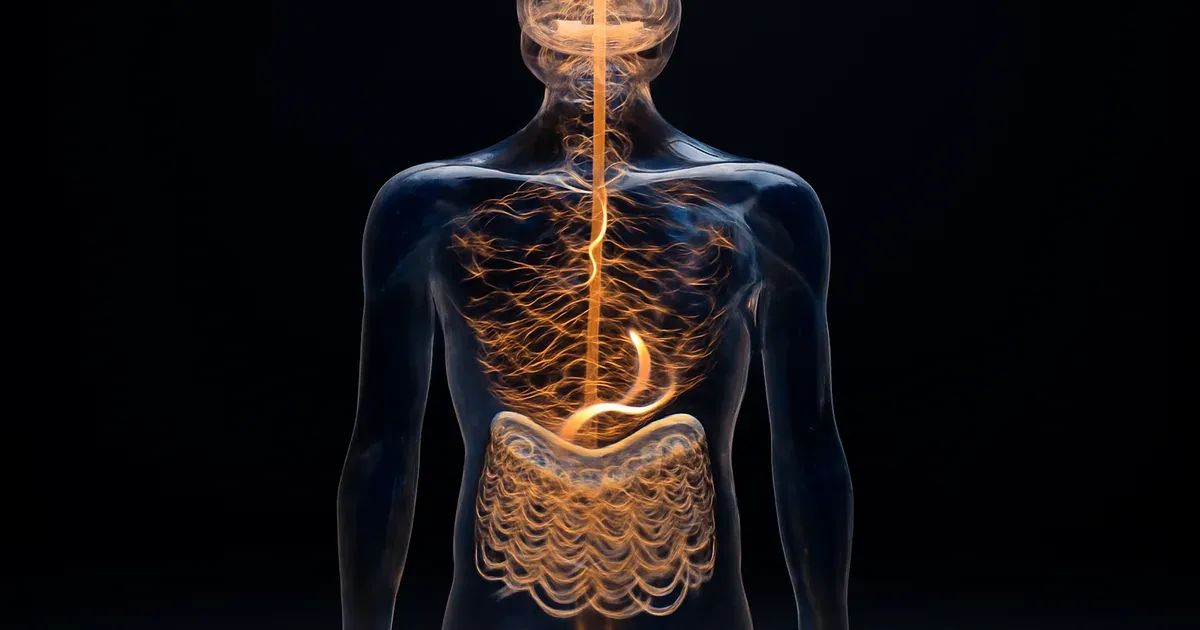
Your gut and brain are in constant conversation — and what you put into your body can dramatically shift that dialogue. Most people know psilocybin (the active compound in "magic mushrooms") as a mind-altering substance, but cutting-edge research is revealing it may also reshape the trillions of microbes living in your digestive tract. The science connecting the psilocybin gut-brain axis is young but moving fast. If you care about mental health, sociability, or microbiome wellness, you need to understand what researchers are finding right now.
A 2022 review in the International Journal of Clinical and Health Psychology coined the term "psilocybiome" to describe the intricate relationship between psychedelics and the microbiota-gut-brain (MGB) axis — signaling that this is no longer a fringe idea.
1. Your Gut Contains a "Second Brain" That Psilocybin May Directly Influence
Deep inside your digestive tract lives the enteric nervous system — a vast network of roughly 500 million neurons that communicates continuously with your central nervous system. This isn't a metaphor. Scientists genuinely call it the "second brain." The gut-brain axis is a bidirectional highway, meaning signals travel both ways. Psilocybin, once consumed, doesn't just head straight to cortical receptors in your brain — it enters a body already primed by this two-way communication system. Understanding this changes how we should think about the entire psychedelic experience.
Takeaway: Pay attention to your gut health before considering any psychedelic-assisted therapy discussion with a clinician — your enteric nervous system is part of the picture.
2. Up to 95% of Your Serotonin Lives in Your Gut — Not Your Brain
Here's a fact that reframes everything: estimates suggest up to 95% of the body's serotonin is produced in the gut, not the brain. Psilocybin's primary psychoactive effects work by binding to serotonin receptors — particularly the 5-HT2A receptor. But if most serotonin originates in the gut and is regulated by gut microbes, then psilocybin's mood-altering effects may be partially mediated by what's happening below your stomach, not just inside your skull. This serotonin-microbiome link is one of the most compelling reasons researchers are studying the psilocybin gut-brain axis so urgently.
Takeaway: Supporting gut microbiome diversity through diet may influence how serotonin signaling functions throughout your entire body, not just in your brain.
3. Psilocybin Has Been Shown to Increase Sociability in Animal Models
A landmark 2025 study published in Neuropharmacology by Gattuso et al. found that chronic psilocybin administration in mice significantly increased their willingness to interact with other mice. The researchers observed measurable pro-social behavioral changes alongside direct alterations in gut microbiome composition. This dual finding — sociability and microbiome change happening together — suggests these effects are not coincidental. For humans living with social anxiety or depression, the implications are genuinely exciting.
Takeaway: If psilocybin's pro-social effects are partly mediated through the gut-brain axis, future therapies may involve gut-targeted interventions alongside psychedelic treatment.
4. Dysbiosis — A Disrupted Microbiome — May Blunt Psilocybin's Benefits
Not everyone responds to psilocybin the same way, and your gut microbiome may be a key reason why. The same 2025 study found that psilocybin did not produce the same pro-social effects in a preclinical model of obsessive-compulsive disorder. Researchers believe baseline microbiome state and neurological context can modify how psilocybin behaves in the body. When the gut ecosystem is in a state of dysbiosis — imbalanced microbial populations — it may interfere with the neuroactive compounds that normally support therapeutic outcomes.
Takeaway: Addressing gut dysbiosis through diet, reduced processed food intake, and fiber-rich eating may be a meaningful step toward optimizing any future therapeutic experience.
5. The "Psilocybiome" Concept Suggests Microbiome Prep Could Optimize Therapy
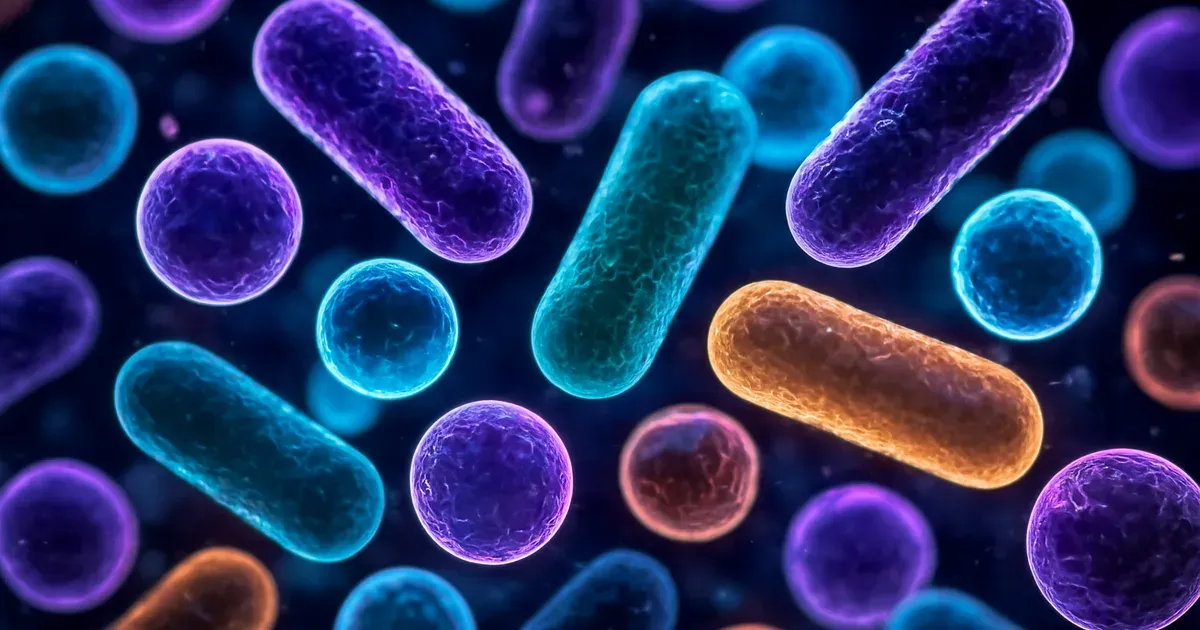
Researchers have proposed a bold idea: the state of your gut microbiome during each phase of psychedelic therapy — preparation, administration, and integration — could meaningfully shape your outcomes. As outlined in a 2022 review exploring the psilocybiome concept, interventions like dietary changes or probiotics during the preparation phase could "prime" the gut for a more positive therapeutic response. This reframes psychedelic therapy not as a standalone brain intervention, but as a whole-body experience where gut health is an active variable.
Takeaway: Ask your healthcare provider about gut-supportive nutrition strategies if you are exploring or researching psychedelic-assisted therapy protocols.
6. Psilocybin May Alter Specific Gut Bacteria Long After the Experience Ends
The microbiome changes documented in psilocybin research aren't necessarily fleeting. Studies show shifts in the abundance of specific bacterial populations following psilocybin treatment — changes that could persist well into the post-experience "integration" phase. Because gut bacteria produce neuroactive compounds that regulate mood, inflammation, and immune response, any lasting microbial shift could have downstream effects on mental well-being. This creates the possibility of a positive feedback loop: better mood supports healthier behaviors, which in turn support a healthier microbiome.
Takeaway: The integration period after psychedelic therapy may be an ideal window to reinforce gut health habits — fermented foods, prebiotic fiber, and reduced alcohol intake could help lock in microbiome benefits.
7. A Holistic, Systems-Based Model Is Reshaping Psychedelic Mental Health Research
The old model of mental health treatment focused almost entirely on the brain. What the psilocybin gut-brain axis research demands is a broader systems view — one that includes the microbiome, the enteric nervous system, serotonin production pathways, and behavioral feedback loops. Researchers are increasingly calling for clinical trials that measure gut microbiome markers alongside psychological outcomes in psychedelic-assisted therapy studies. This shift doesn't just affect how we study psilocybin — it fundamentally changes how we think about anxiety, depression, and social behavior disorders.
Takeaway: Follow gut-brain research alongside psychedelic therapy news. The two fields are converging, and the intersection is where the most important mental health breakthroughs are likely to emerge.

"The gut microbiome could play a role in all three phases of psychedelic therapy: preparation, administration, and integration." — Kelly et al., International Journal of Clinical and Health Psychology, 2022
The science connecting the psilocybin gut-brain axis to sociability, serotonin, and microbiome health is still emerging — but it's already rewriting the rulebook on mental health treatment. From the serotonin hiding in your gut to bacterial shifts that outlast the psychedelic experience itself, the evidence points toward one clear principle: healing is a whole-body process. Stay informed, support your gut health daily, and watch this research space closely.
Disclaimer: Psychedelic-assisted psychotherapy has not been approved by any regulatory agencies in the United States, and the safety and efficacy are still not formally established at the time of this writing.
Frequently Asked Questions
What is the psilocybin gut-brain axis?
The psilocybin gut-brain axis refers to the interaction between psilocybin (the active compound in "magic mushrooms") and the microbiota-gut-brain (MGB) axis — the bidirectional communication network linking gut microbes, the enteric nervous system, and the central nervous system. Researchers believe psilocybin can influence mood and social behavior partly through its effects on gut microbiome composition and gut-derived serotonin signaling.
Can psilocybin change your gut microbiome?
Preclinical research suggests yes. A 2025 study in Neuropharmacology found that chronic psilocybin administration in mice altered the abundance of specific gut bacteria alongside increases in sociable behavior. Whether these findings translate directly to humans is still under investigation, but the evidence is compelling enough that researchers have coined the term "psilocybiome" to describe this interaction.
Why does gut health matter for mental health?
The gut produces up to 95% of the body's serotonin, a neurotransmitter critical for mood regulation, social behavior, and emotional well-being. Gut microbes influence serotonin production and release neuroactive compounds that communicate directly with the brain. When gut microbial balance is disrupted — a state called dysbiosis — it can contribute to anxiety, depression, and changes in social behavior.
What is the "psilocybiome"?
The "psilocybiome" is a term coined by researchers to describe the potential interactions between psychedelic compounds like psilocybin and the gut microbiome. A 2022 review proposed that the microbiome could influence how individuals respond to psychedelic therapy during all three phases: preparation, active administration, and post-experience integration.
Is psychedelic-assisted therapy approved in the US?
No. As of this writing, psychedelic-assisted psychotherapy has not been approved by any US regulatory agency, including the FDA. The safety and efficacy of these treatments are still being formally studied in clinical trials. Always consult a licensed healthcare professional before making any decisions related to mental health treatment.