Seaweed's Gut Health Benefits and Iodine Risks Explained
Seaweed supports gut health and thyroid function, but excess iodine from kombu poses risks. NaturalNews.com outlines rewards and safety steps.

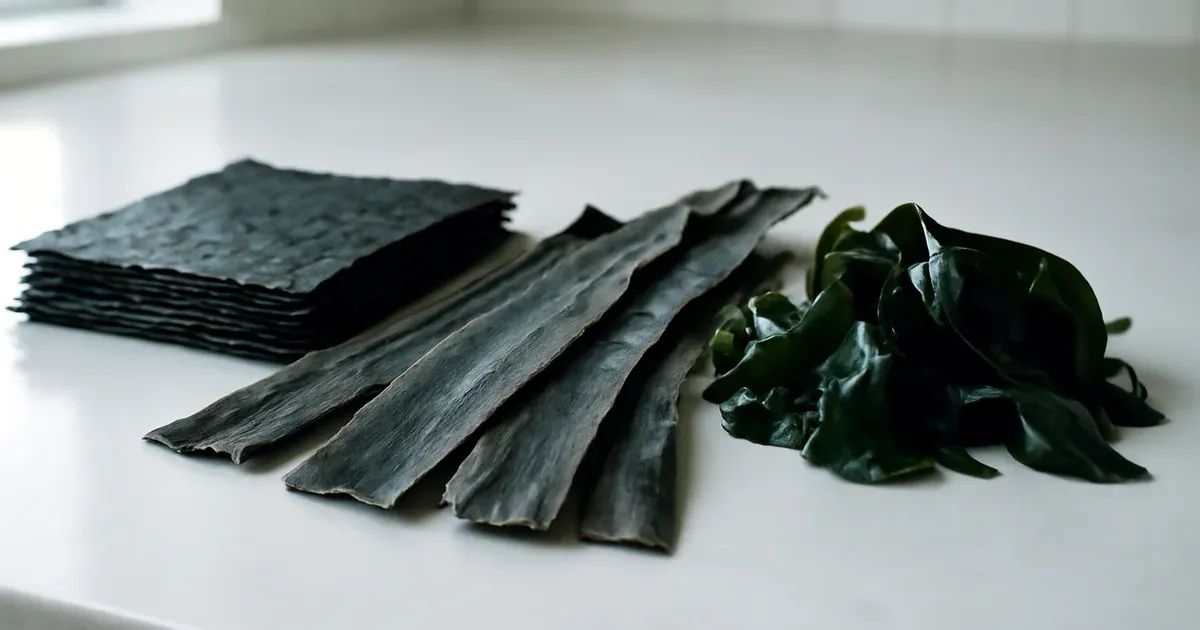
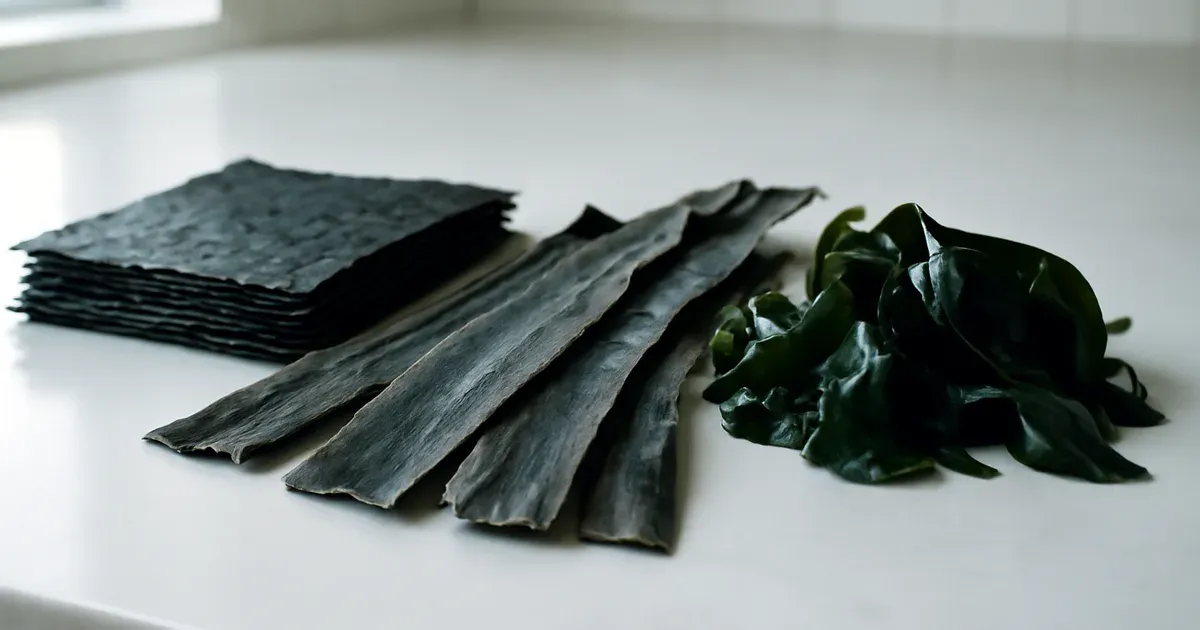
Sea vegetables such as nori, kombu and wakame deliver a concentrated range of nutrients — including iodine, vitamins A and C, iron, zinc and antioxidants — that support thyroid function, metabolism and gut health, according to a report published by NaturalNews.com on April 12, 2026. The findings highlight both the considerable rewards and the real risks of regular seaweed consumption, with excessive iodine intake identified as a key concern for everyday consumers.
Why This Matters for the Microbiome
Gut health researchers have increasingly recognised dietary fibre from marine plants as a meaningful contributor to microbiome diversity. Seaweed contains soluble fibres — including alginates and fucoidans — that function as prebiotics, selectively feeding beneficial gut bacteria, per NaturalNews.com. A well-nourished microbiome is linked to stronger immune signalling, reduced systemic inflammation and improved gut-brain communication, making sea vegetables a relevant dietary consideration for anyone focused on digestive wellness.
Iodine Load and Thyroid Risk Draw Attention
Kombu, in particular, carries some of the highest iodine concentrations among edible seaweeds, and the NaturalNews.com report warns that excessive consumption can trigger hyperthyroidism. The source notes that boiling seaweed can reduce its iodine content, offering a practical harm-reduction step. Beyond thyroid concerns, heavy metal contamination in some commercially harvested seaweeds is flagged as an additional safety consideration, underscoring the importance of sourcing and preparation methods.
What This Means for Gut-Health-Conscious Consumers
For individuals actively managing gut health or following microbiome-supportive diets, moderate seaweed intake appears to offer genuine prebiotic value, according to NaturalNews.com. However, those with thyroid conditions or iodine sensitivities should exercise caution, particularly with kombu. Boiling before consumption and choosing reputable suppliers are practical steps the source recommends to reduce exposure to both excess iodine and environmental contaminants.
Seaweed offers a compelling nutritional profile with real gut health upside, but per NaturalNews.com, informed consumption — mindful of iodine load, preparation technique and sourcing — is essential to capturing the benefits without courting harm.