7 Gut Health Mistakes Harming Your Heart
Discover 7 common gut health mistakes harming your heart — backed by UK microbiome research and NHS dietary guidance.


Your gut is doing far more than digesting dinner. Trillions of microbes living along your digestive tract — from your mouth to your colon — are quietly influencing your heart, your immune system, and even your mood via the gut-brain connection. Yet most of us are making daily diet choices that undermine this remarkable ecosystem without realising it. If you've been brushing off gut symptoms as minor inconveniences, it's time to reconsider — your heart may be paying the price.
UK microbiome research is sounding the alarm. Several laboratory studies published in recent years have directly linked changes to the gut microbiota with a higher risk of developing, and dying from, heart and circulatory diseases — findings that are reshaping how scientists and NHS clinicians think about cardiovascular prevention.
Mistake 1: You're Not Eating Enough Fibre
Fibre is the single most important fuel for your gut microbes, and the majority of UK adults fall well short of the recommended 30g per day outlined in the NHS Eatwell Guide. When your microbes don't get enough fibre, their diversity drops — and a less diverse microbiome is consistently linked to poorer health outcomes. Research published in the British Medical Journal found that higher fibre intake is associated with a meaningfully lower risk of coronary artery disease and other heart and circulatory conditions. Scientists believe this happens partly because fibre helps remove 'bad' LDL cholesterol from the body before it can be absorbed into the blood. Actionable tip: Swap refined white bread for wholegrain, and add a tablespoon of mixed seeds to your morning porridge or yoghurt.
Mistake 2: You're Ignoring the Gut-Brain Connection
The gut and brain are in constant two-way communication via the vagus nerve, the enteric nervous system, and a stream of microbial metabolites — a relationship researchers call the gut-brain axis. When your gut microbiota is disrupted, this signalling goes awry, contributing to not just digestive discomfort but anxiety, low mood, and even cognitive fog. Teams at King's College London and UCL have been investigating how gut bacteria influence neurotransmitter production, including around 90% of the body's serotonin, which is synthesised in the gut. Poor diet choices that harm your microbiome therefore don't just affect your heart — they affect your head. Actionable tip: Eat a varied, plant-rich diet to support both gut-brain signalling and overall microbiome health.
Mistake 3: You're Skipping Fermented Foods
Fermented foods are one of the fastest ways to introduce beneficial bacteria into your gut, yet they remain underused in the traditional British diet. Live yoghurt, kefir, kimchi, and sauerkraut are packed with 'good' bacteria that help restore the natural balance of microbes in the gut. This matters enormously for heart health: a balanced microbiome is better equipped to ferment polyphenols — plant compounds linked to improved heart and circulatory health — so your body can actually absorb them. Human cells alone cannot digest around 90% of dietary polyphenols; gut microbes must do that job. Actionable tip: Add a small serving of kefir or live yoghurt to your daily routine, or try incorporating sauerkraut as a condiment with meals.
Mistake 4: You're Eating Too Few Plant Varieties
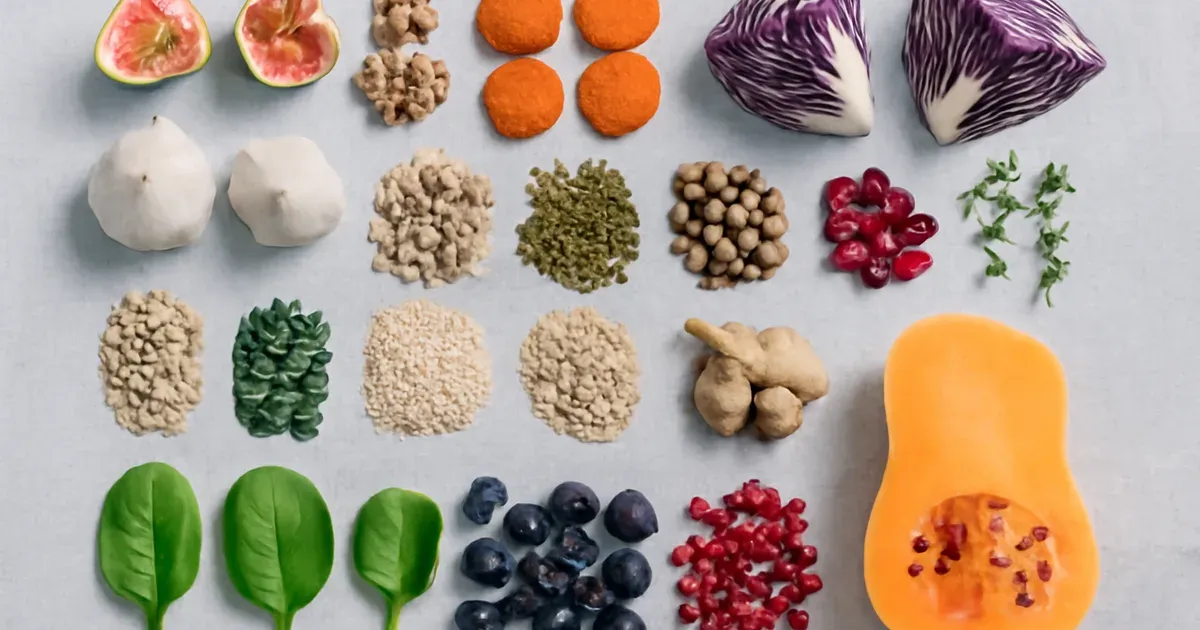
Diversity is the cornerstone of a healthy microbiome UK researchers consistently highlight. Different microbial species thrive on different plant nutrients, which means a monotonous diet — even a broadly "healthy" one — can leave large portions of your gut ecosystem underfed. The British Gut Project, one of the largest citizen-science microbiome studies in the world, found that people who eat 30 or more different plant foods per week have significantly more diverse gut bacteria than those eating 10 or fewer. That diversity translates directly to better metabolic and cardiovascular outcomes. Actionable tip: Aim for 30 different plant foods per week — this includes fruits, vegetables, wholegrains, nuts, seeds, and legumes such as chickpeas, lentils, and kidney beans. Buying a mix of differently coloured peppers instead of one type is an easy start.
Key stat: Adults in the UK eat an average of just 18g of fibre per day — well below the NHS-recommended 30g. Closing that gap could significantly reduce cardiovascular risk, according to evidence reviewed by the British Nutrition Foundation.
Mistake 5: You're Underestimating TMAO
A gut-derived chemical called trimethylamine N-oxide (TMAO) may be quietly damaging your cardiovascular system. TMAO is produced when certain gut bacteria metabolise nutrients found in red meat, eggs, and some fish. A 2020 review in the Journal of Cellular and Molecular Medicine highlighted how gut microbiota composition and its metabolites are firmly linked to the development of cardiovascular disease. Separately, research on TMAO and heart failure found that elevated TMAO levels are associated with worsening disease in patients with heart failure, while other studies suggest high blood TMAO may promote inflammation of blood vessel linings, potentially contributing to high blood pressure and raised cholesterol. Actionable tip: Limit heavily processed red meat, and focus on plant proteins — beans, lentils, tofu — which don't generate the same TMAO-producing metabolic pathway.
Mistake 6: You're Missing Out on Polyphenols
Polyphenols — the antioxidant-rich compounds found in plants — are among the most powerful nutrients for gut and heart health, yet they only work when your gut microbiome is up to the job of processing them. The NHS recommends five portions of fruit and vegetables a day ('5-a-day') partly for this reason, and the Mediterranean diet — rich in extra virgin olive oil, nuts, seeds, beans, and legumes — is celebrated in clinical nutrition circles because all of these foods are dense in polyphenols. Because thousands of different plant polyphenols exist, you need a wide variety of microbes to ferment them effectively. A depleted microbiome means lost polyphenol benefit, and lost heart-protective potential. Actionable tip: Try to include at least one polyphenol-rich food at every meal — a handful of walnuts, a drizzle of olive oil, or a serving of berries all count. For more personalised guidance, the British Dietetic Association (BDA) provides registered dietitian directories on its website.
Mistake 7: You're Treating Gut and Brain Health as Separate Issues
One of the biggest misconceptions in mainstream health is that gut health and mental or brain health are unrelated. In reality, the gut-brain connection means that a poorly nourished microbiome contributes to systemic inflammation, disrupted hormone signalling, and altered mood — all of which feed back into cardiovascular risk. The MRC and Wellcome Trust have both funded UK research programmes exploring how microbial metabolites cross the blood-brain barrier, influencing everything from stress responses to neurodegeneration. Improve gut health naturally and you create a cascade of benefits that travel all the way to the brain and back to the heart. Actionable tip: Practise consistent, diverse eating habits — not crash diets or extreme elimination — to maintain a stable, resilient microbiome that supports both neurological and cardiovascular health.

Closing: Small Swaps, Lasting Impact
Your microbiome responds to change faster than you might expect. Studies show that dietary shifts can alter gut bacterial composition within days. You don't need to overhaul your entire lifestyle overnight — adding seeds to breakfast, swapping white bread for wholegrain, or including a portion of fermented food each day are all meaningful steps. The science is clear: in the UK, where heart disease remains the leading cause of death, nurturing your gut microbiome is one of the most actionable, evidence-backed strategies available to protect your heart and your mind.
You might also like
- The Oral Microbiome: Your Biggest Questions Answered
- How to Improve Gut Health Naturally in 5 Steps
- Gut Health UK Explained: Your Biggest Questions Answered
Frequently Asked Questions
What is the gut microbiota and why does it matter for heart health in the UK?
The gut microbiota is the vast community of bacteria, viruses, fungi, and other microbes living throughout your digestive tract. In the UK, growing research — including work supported by the MRC and conducted at institutions like King's College London and the University of Reading — shows that changes to this microbial community are directly linked to higher risk of heart and circulatory disease. The microbiota produces chemicals that influence cholesterol levels, blood pressure, and inflammation, all of which affect cardiovascular health.
How does the gut-brain connection affect everyday health?
The gut-brain connection refers to the bidirectional communication network linking your gut and your brain via the vagus nerve, enteric nervous system, and microbial metabolites. When your gut microbiome is healthy and diverse, this signalling supports stable mood, sharper cognition, and a regulated stress response. When it's disrupted, anxiety, low mood, and brain fog can follow. UK-based research programmes are actively investigating how improving gut health naturally can benefit mental wellbeing alongside physical health.
What does the NHS recommend for improving gut health?
The NHS recommends eating at least five portions of fruit and vegetables a day (the '5-a-day' guideline) and consuming 30g of dietary fibre daily as outlined in the UK Eatwell Guide. The NHS also encourages inclusion of wholegrains, legumes, and fermented foods such as live yoghurt as part of a balanced diet. These recommendations align closely with what UK microbiome research identifies as the most effective dietary strategies for maintaining a healthy, diverse gut microbiota.
Is TMAO something I should be worried about in my British diet?
TMAO is a gut-derived metabolite that has been linked to cardiovascular risk, and it is produced when certain gut bacteria break down nutrients concentrated in red meat and processed meat products — foods that remain relatively common in the traditional British diet. You don't need to eliminate these foods entirely, but reducing heavily processed red meat and increasing plant-based proteins (lentils, chickpeas, beans) can help shift your gut microbiome away from high TMAO-producing bacteria. Consulting a registered dietitian via the British Dietetic Association is advisable if you have existing heart conditions.
How quickly can diet changes improve gut health?
Research suggests your gut microbiome can begin responding to dietary changes within 24 to 72 hours, though meaningful, lasting shifts in microbial diversity typically take several weeks of consistent dietary change. The key is variety and consistency — aiming for 30 different plant foods per week, including fermented foods, and reducing ultra-processed food intake. Crash diets or extreme elimination approaches can actually harm microbiome diversity, so gradual, sustainable changes are recommended by both the British Nutrition Foundation and gut health specialists.
96 Bacterial Strains. Two Shots a Day.
GOODIE is an award-winning fermented drink with 96 live bacterial strains — more than any yogurt or kombucha — never pasteurised, clinically tested, and 8 in 10 users felt less bloating within 14 days. Curious?