Soaking and Sprouting Nuts Cuts Tannins, Aids Gut Health
A March 2026 article details how soaking and sprouting nuts and legumes reduces tannins, supporting digestion and gut microbiome health.

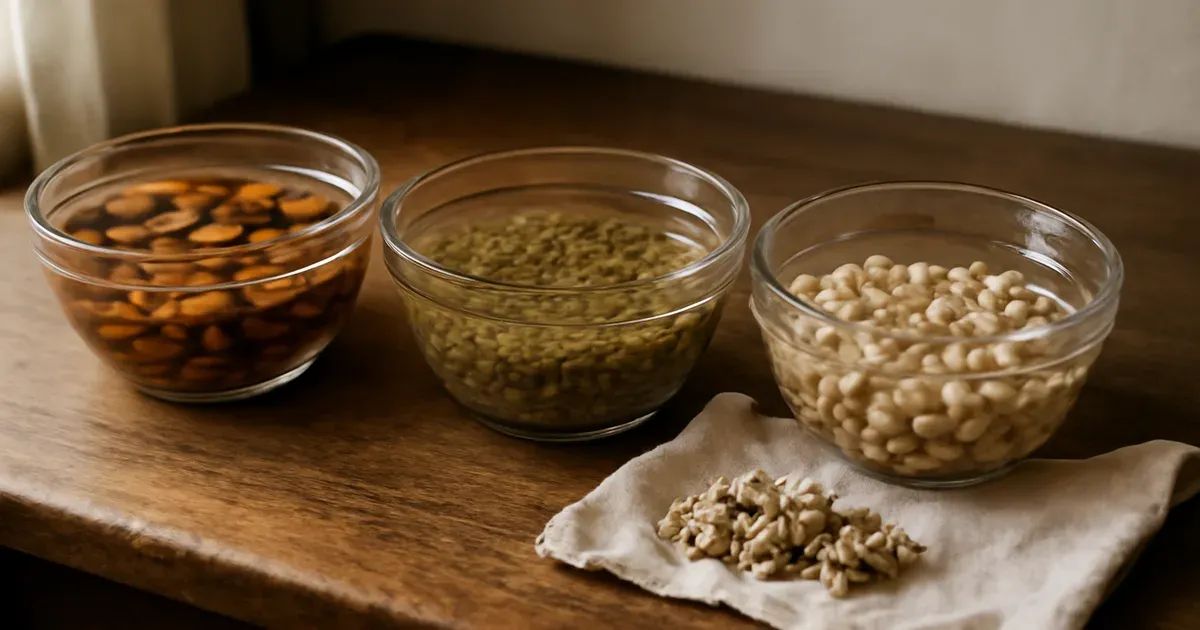
A nutritional process for reducing tannins in nuts and legumes through soaking and sprouting was detailed in an article published March 14, 2026, on NaturalNews.com, authored by Coco Somers. The piece forms part of a mini-series titled "The Art of Sprouting" and outlines how these preparation techniques can lower levels of antinutrients — compounds that, according to the article, interfere with digestion and nutrient absorption in the gut.
Why This Matters
Tannins are naturally occurring polyphenols found in many nuts and legumes. While they carry some antioxidant properties, high concentrations are associated with reduced absorption of key minerals such as iron and zinc, per the source article. For individuals focused on gut health, this is particularly significant: an overburdened digestive system struggling to process antinutrients may disrupt the gut microbiome, the complex community of bacteria that influences everything from immune function to mood via the gut-brain axis. Reducing dietary antinutrient load is increasingly recognised as a practical strategy for supporting microbiome balance.
Soaking and Sprouting as Antinutrient Reduction Tools
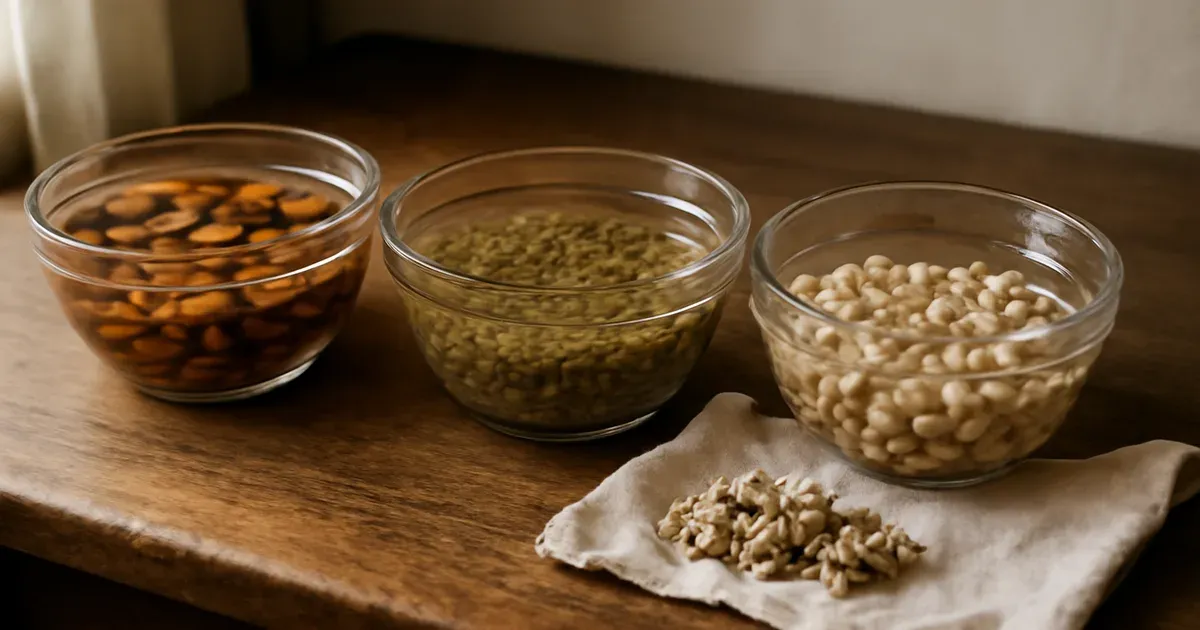
According to the NaturalNews.com article, soaking nuts and legumes in water for extended periods — and subsequently allowing them to sprout — measurably reduces tannin content. The sprouting process, in particular, was identified as a key step in breaking down antinutrients that resist simple soaking alone, per Somers' reporting. These methods have been used in traditional food preparation for centuries and are now drawing renewed attention from nutritionists seeking accessible, low-cost ways to improve food bioavailability and, by extension, gut microbiome diversity.
What This Means for Your Gut Microbiome
For readers focused on gut-brain health, the practical implication is straightforward: better-prepared nuts and legumes deliver more bioavailable nutrients to the digestive tract, potentially feeding beneficial gut bacteria more effectively. A healthier, more diverse microbiome is linked in broader scientific literature to improved mood, cognitive clarity, and reduced systemic inflammation — all outcomes tied to the gut-brain connection. The techniques described require no specialist equipment, making them accessible to most people.
The NaturalNews.com article adds a timely, practical dimension to the growing conversation around microbiome-supportive eating. Soaking and sprouting represent low-barrier interventions that may meaningfully improve how the body processes plant-based foods, supporting both nutritional uptake and long-term gut health.