Vitamin B1 and Digestive Health: Gut Benefits
Thiamine (B1) drives gut peristalsis, supports the gut-brain axis, and interacts with the microbiome. Learn how optimising B1 intake can ease constipation and b

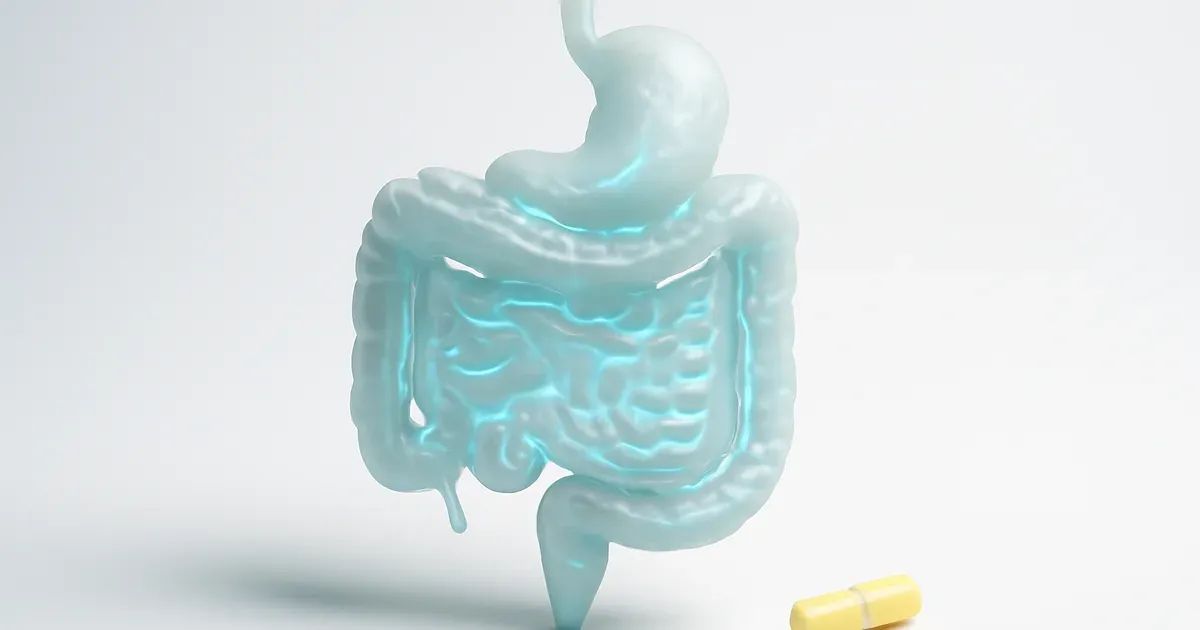
You eat well, stay hydrated, and still deal with bloating, sluggish digestion, or unpredictable bowel movements. The culprit might not be your diet choices — it could be a single overlooked micronutrient: thiamine, better known as vitamin B1.
Vitamin B1 digestive health research is revealing something that mainstream nutrition conversations rarely highlight — this essential B vitamin does far more than support energy metabolism. It plays a direct, measurable role in how your gut moves food, how your gut nerves fire, and even how your gut microbiome communicates with your brain.
How Thiamine Keeps Your Gut Moving
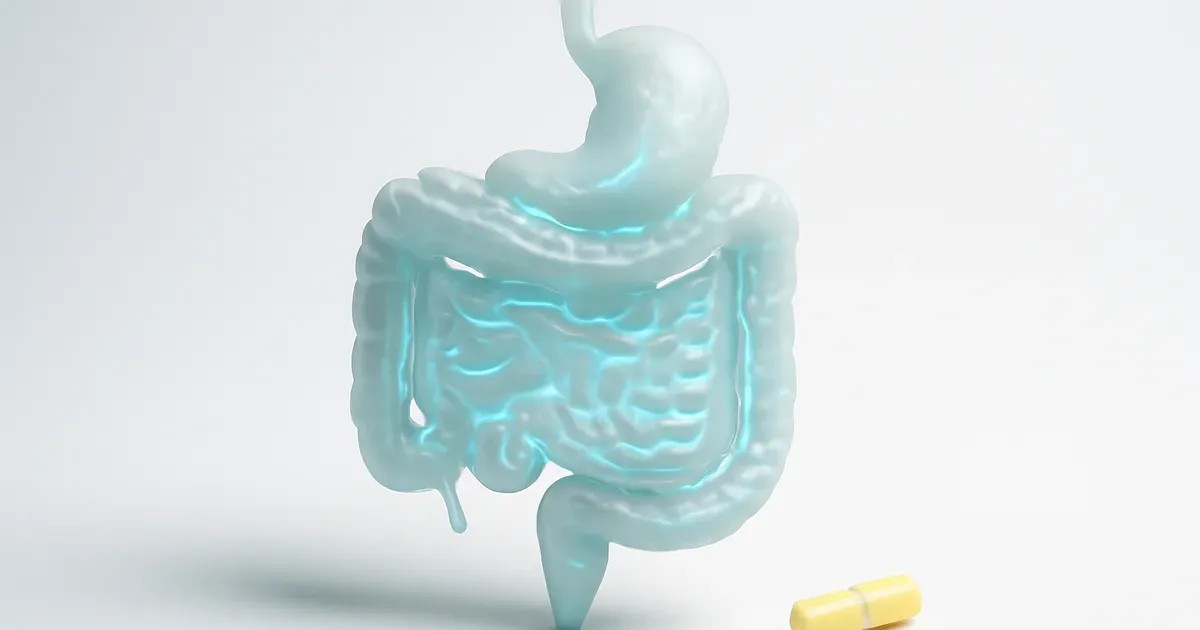
Peristalsis — the rhythmic, wave-like muscle contractions that push food through your digestive tract — depends on a finely tuned system of muscle tone and nerve signaling. Thiamine is essential to both.
Without adequate B1, the smooth muscle lining your intestines can lose tone. This leads to sluggish gut motility, which means food and waste move through your system too slowly — setting the stage for constipation, gas buildup, and uncomfortable bloating.
The nerve connection is equally important. Your gut contains its own nervous system — the enteric nervous system (ENS) — often called the "second brain." Thiamine supports the synthesis and function of acetylcholine, a key neurotransmitter that the ENS uses to coordinate gut contractions. Low B1 means disrupted nerve signaling, which means disrupted digestion.
The Gut-Brain Axis and Vitamin B1
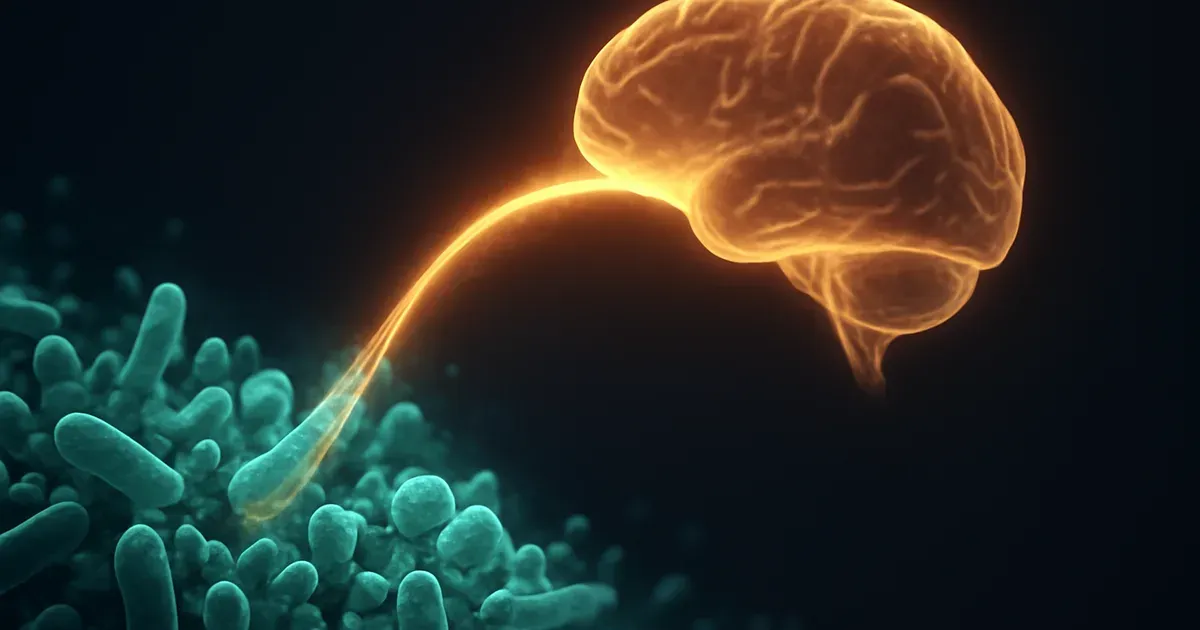
The gut-brain axis is a bidirectional communication highway linking your gastrointestinal system to your central nervous system. Emerging research shows that nutrient deficiencies — including thiamine deficiency — can disrupt this axis in ways that affect both digestive function and mood.
When ENS nerve signaling is impaired by low thiamine, the messages traveling up the vagus nerve to the brain become irregular. This can contribute not only to digestive symptoms but also to brain fog, anxiety, and fatigue — all commonly reported alongside chronic gut complaints.
Your gut microbiome also has a stake in your B1 levels. Certain beneficial bacteria in the gut actually produce small amounts of thiamine as a metabolic byproduct. A healthy, diverse microbiome may therefore contribute modestly to your thiamine status, while a depleted microbiome could compound the effects of dietary B1 insufficiency.
Symptoms of Low Thiamine Linked to Digestion
Recognising the digestive signs of low B1 can be tricky, because they mimic many common gastrointestinal complaints. Here are the key symptoms to watch for:
- Chronic constipation with no clear dietary explanation
- Persistent bloating or a sense of fullness after small meals
- Reduced appetite or early satiety
- Nausea without an obvious cause
- Slow gastric emptying — food sitting in the stomach longer than it should
Appetite loss deserves special attention. Thiamine plays a role in hypothalamic signalling that regulates hunger. When B1 is low, the brain may receive blunted hunger cues, which in turn reduces food intake — potentially worsening the nutrient shortfall in a self-reinforcing cycle.
Beyond the gut, thiamine deficiency in severe cases can cause peripheral neuropathy and cardiac complications. For most people in developed countries, however, subclinical deficiency — enough to impair digestion without causing dramatic illness — is the more common concern.
Genetic Factors: Why Some People Need More B1
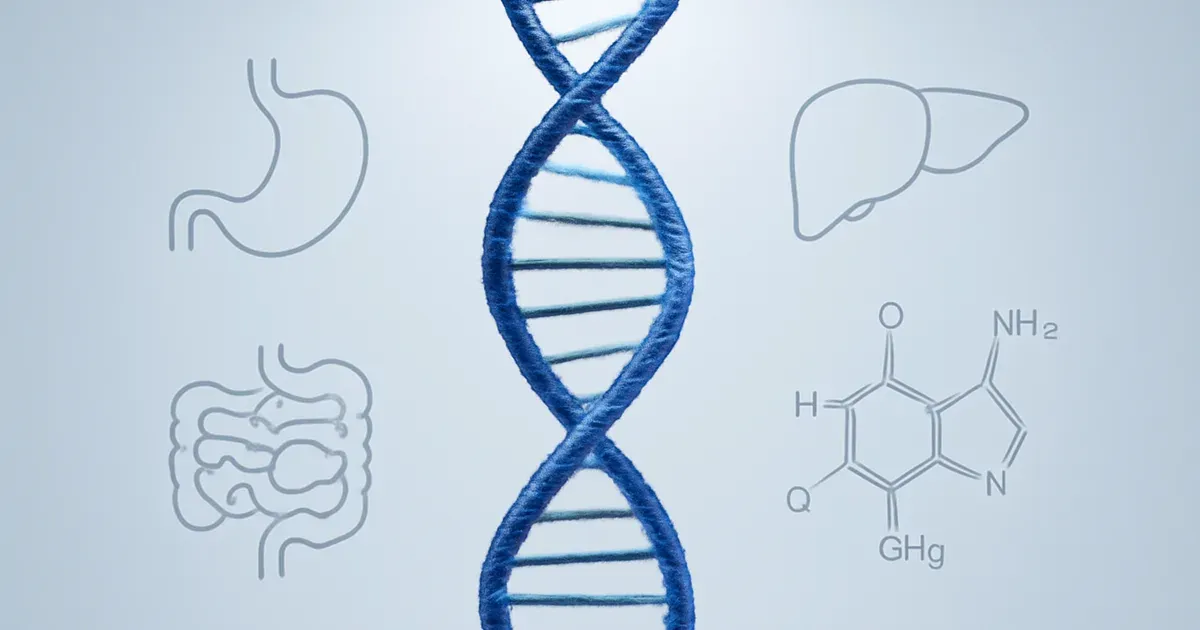
Not everyone processes thiamine equally. Genetics play a meaningful role in how efficiently your body absorbs, transports, and utilises vitamin B1 from food and supplements.
Variants in genes encoding thiamine transporter proteins (SLC19A2 and SLC19A3) can reduce cellular uptake of thiamine. People carrying these variants may maintain normal serum B1 levels while still experiencing functional deficiency at the tissue level — including in gut smooth muscle and nerve cells.
This helps explain why two people eating identical diets can have very different digestive health outcomes. One person thrives; the other battles ongoing gut symptoms despite an apparently balanced intake. For individuals with relevant genetic variants, higher dietary thiamine or targeted supplementation may provide genuine functional benefit.
Clinically, this is relevant to conditions like irritable bowel syndrome (IBS), where a subset of patients may have underlying thiamine insufficiency contributing to their symptoms — a factor rarely screened for in standard GI workups.
Thiamine, the Microbiome, and the Gut-Brain Loop
The relationship between thiamine and the microbiome is more nuanced than a simple cause-and-effect. It operates as a loop: your microbiome influences your B1 status, your B1 status influences your gut nerve health, and your gut nerve health influences the signals your microbiome environment receives.
Research into gut dysbiosis — an imbalance in microbial populations — shows that inflammatory and dysbiotic states can impair intestinal absorption of several B vitamins, including thiamine. A leaky or inflamed gut lining absorbs less B1 even when dietary intake is adequate.
On the other side of the loop, adequate thiamine supports the integrity of intestinal epithelial cells. Healthy epithelial function is critical for maintaining the mucosal barrier that keeps pathogenic bacteria and endotoxins from crossing into systemic circulation — a process increasingly linked to neuroinflammation and mood disorders via the gut-brain axis.
Probiotic and prebiotic interventions that restore microbial diversity may therefore have an indirect benefit on thiamine absorption, while thiamine repletion may in turn support the gut conditions that allow a healthy microbiome to flourish.
Best Food Sources and Supplementation
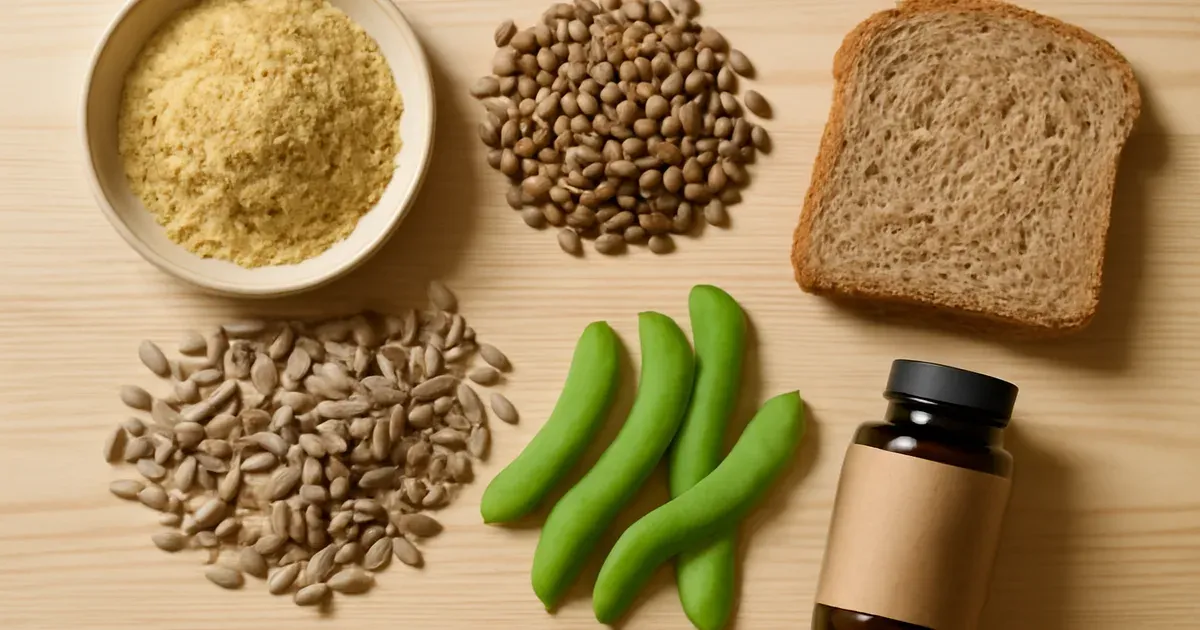
Getting more vitamin B1 through diet is achievable with some intentional food choices. The richest sources include:
- Whole grains (brown rice, oats, whole wheat bread)
- Legumes (black beans, lentils, edamame)
- Pork and organ meats (particularly liver)
- Sunflower seeds and flaxseeds
- Nutritional yeast — one of the most concentrated plant-based sources
- Fortified cereals — check labels, as B1 content varies significantly
Be aware that cooking and food processing destroy thiamine. Boiling vegetables, for example, leaches significant amounts of B1 into the water. Steaming or eating raw where possible helps preserve content.
For supplementation, standard thiamine hydrochloride is the most common and affordable form. Benfotiamine — a fat-soluble thiamine derivative — has shown superior bioavailability in some studies, particularly for nerve and digestive applications, because it crosses cell membranes more effectively. Those with suspected genetic transport variants may benefit most from fat-soluble forms.
Practical Steps to Support B1 and Gut Health Together
A combined approach that addresses both thiamine intake and overall gut-brain health tends to produce the best outcomes. Consider these evidence-informed strategies:
1. Audit your diet for B1 gaps. If your meals are heavily refined-carbohydrate based (white bread, white rice, processed snacks), you are likely displacing thiamine-rich whole foods without gaining B vitamins in return — since refining strips most natural B1.
2. Support your microbiome actively. Eat a wide variety of plant foods to nourish diverse gut bacteria. A richer microbiome is better positioned to contribute to B vitamin production and maintain the gut lining quality needed for thiamine absorption.
3. Limit alcohol. Alcohol is one of the most well-documented thiamine antagonists — it both reduces dietary B1 absorption in the small intestine and increases urinary excretion of the vitamin.
4. Consider your stress load. Chronic psychological stress activates the HPA axis and degrades the gut lining over time, impairing nutrient absorption including B vitamins. Managing stress is therefore directly relevant to thiamine status.
5. Discuss genetic screening with your GP. If you have persistent unexplained GI symptoms alongside fatigue and neurological complaints, a functional medicine workup that includes thiamine status and relevant genetic markers may reveal actionable insights.
The Bottom Line
Vitamin B1 digestive health is an underappreciated connection with real clinical implications. Thiamine supports the muscle tone and nerve signaling that drive peristalsis, influences gut-brain axis communication through the enteric nervous system, and interacts bidirectionally with the gut microbiome.
Genetic variation means that standard dietary reference intakes may be insufficient for a meaningful portion of the population — particularly those with impaired thiamine transporter function. For these individuals, optimising B1 intake through diet and targeted supplementation could represent a missing piece in chronic digestive complaints.
The broader lesson is that gut health is never just about fibre and probiotics. Micronutrients like thiamine sit quietly at the intersection of the gut-brain axis, microbial balance, and digestive motility — and paying attention to them may unlock improvements that other interventions have failed to deliver.
Frequently Asked Questions
Can vitamin B1 deficiency cause constipation?
Yes. Low thiamine impairs the nerve signaling and smooth muscle tone required for peristalsis — the gut contractions that move waste through the intestines. This can directly contribute to constipation and bloating, even when fibre and fluid intake appear adequate.
How does thiamine relate to the gut-brain axis?
Thiamine supports acetylcholine production in the enteric nervous system, the "second brain" embedded in your gut wall. When B1 is low, ENS signaling is disrupted, which affects the signals transmitted via the vagus nerve to the central brain — linking thiamine deficiency to both gut symptoms and cognitive or mood changes.
Does the gut microbiome affect thiamine levels?
Yes, in both directions. Some gut bacteria produce small amounts of thiamine, and a diverse, healthy microbiome may support modest B1 availability. Conversely, gut dysbiosis and intestinal inflammation can reduce thiamine absorption, meaning poor microbiome health may compound the effects of a low-B1 diet.
What is benfotiamine and is it better for digestive health?
Benfotiamine is a fat-soluble form of thiamine with higher cellular bioavailability than standard thiamine hydrochloride. Because it crosses cell membranes more efficiently, it may be more effective for supporting nerve and smooth muscle function in the gut — particularly in individuals with genetic variants affecting thiamine transport.
Which foods are highest in vitamin B1?
The richest sources of thiamine include nutritional yeast, pork, organ meats (especially liver), whole grains, legumes (lentils, black beans, edamame), and sunflower seeds. Fortified cereals also contribute, though B1 content varies by brand. Steaming rather than boiling helps preserve the vitamin during cooking.