Why Weight Regain Happens & Your Gut-Brain Role
Weight regain is biologically driven, not a willpower failure. Discover how the gut-brain axis and microbiome shape hunger, satiety, and long-term weight mainte


You did everything right. You cut calories, exercised consistently, and watched the scale drop — only to see the weight creep back within months. If this sounds familiar, you are not alone, and more importantly, you are not failing. Research published in Medical Clinics of North America confirms that weight regain is the biological norm, not a character flaw. And emerging science on the gut-brain axis is revealing exactly why your body fights so hard to reclaim lost weight.
Understanding the interplay between your physiology, your gut microbiome, and your brain's appetite circuits is the first step toward a more effective — and more compassionate — approach to long-term weight management.

Weight Regain Is Biological, Not a Willpower Problem
The statistics are sobering but clarifying. A meta-analysis of 29 long-term weight loss studies found that more than half of all lost weight is regained within two years. By the five-year mark, over 80% of lost weight has returned. These numbers are not a reflection of laziness — they are a reflection of powerful biological feedback systems doing exactly what they were designed to do.
When you lose weight, your body interprets the deficit as a threat. Energy expenditure drops, hunger hormones surge, and the brain receives persistent signals to eat more. Research estimates that for every kilogram of weight lost, calorie expenditure decreases by roughly 20–30 kcal per day — while appetite increases by approximately 100 kcal per day above pre-diet baseline levels. The hunger signal is far stronger than the metabolic slowdown.
This means the battle against weight regain is fought primarily in the appetite system, not the gym. The feedback circuits controlling long-term calorie intake are simply more powerful than those governing calorie expenditure. Recognising this shifts the clinical conversation away from blame and toward targeted, evidence-based support.
The Gut-Brain Axis: Your Hidden Weight Regulator
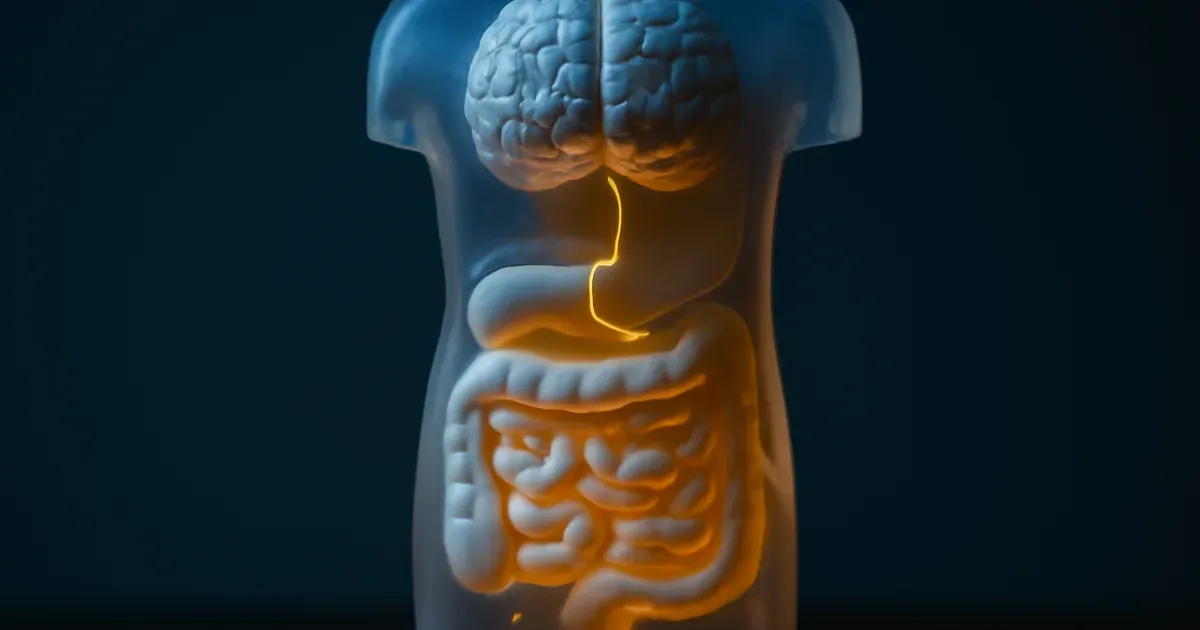
Your gut and brain are in constant, two-way communication through what scientists call the gut-brain axis — a network of neural, hormonal, and immunological signals connecting the gastrointestinal tract to the central nervous system. This axis plays a central role in regulating appetite, satiety, food cravings, and even mood — all of which directly influence weight management outcomes.
The gut microbiome sits at the heart of this communication network. Trillions of microorganisms living in your intestines produce short-chain fatty acids, neurotransmitters like serotonin and GABA, and metabolites that influence hunger-regulating hormones such as GLP-1, peptide YY, and ghrelin. When the microbiome is disrupted — a state called dysbiosis — these signals can become distorted, making it harder for the brain to accurately interpret fullness cues.
Emerging research suggests that weight loss itself can alter the microbiome in ways that promote regain. Animal studies have shown that the post-diet gut microbiome retains a "memory" of obesity, with microbial communities that favour more efficient calorie extraction from food. This gut-level adaptation may compound the hormonal changes already working against weight maintenance.
How the Obesogenic Environment Stacks the Deck
Biology does not operate in a vacuum. The rise in obesity over recent decades closely tracks the industrialisation of the food supply — an environment engineered to override the body's natural satiety signals. Ultraprocessed foods now account for the majority of calories consumed in America, and their overconsumption has been directly implicated as a driver of weight gain.
These foods are deliberately designed to bypass normal appetite regulation. High in calories, low in fibre, and stripped of the nutrients that feed beneficial gut bacteria, ultraprocessed foods disrupt both sides of the gut-brain axis simultaneously. They spike reward pathways in the brain while starving the microbial populations that produce satiety-promoting compounds.
Physical activity patterns have shifted just as dramatically. Sedentary occupations, suburban car dependency, and screen-based leisure have collectively reduced daily movement without most people consciously choosing to be less active. When the environment consistently nudges toward excess intake and reduced expenditure, even robust biological self-regulation systems become overwhelmed.
What the Gut Microbiome Has to Do With Hunger Hormones
Ghrelin, often called the "hunger hormone," rises sharply after weight loss — a finding well documented in the obesity literature. What is less widely appreciated is that gut bacteria directly influence ghrelin production. Certain microbial species suppress ghrelin secretion after meals, providing a natural brake on appetite. Dysbiosis can weaken this brake precisely when it is needed most.
GLP-1 is another critical player in the gut-brain weight story. Produced by intestinal L-cells in response to food — and particularly in response to fermentable fibre metabolised by gut bacteria — GLP-1 signals satiety to the brain, slows gastric emptying, and supports insulin regulation. Low microbial diversity has been associated with blunted GLP-1 responses, meaning the post-meal "stop eating" message arrives late or quietly.
The practical implication is significant. A gut microbiome rich in diversity and fibre-fermenting bacteria may provide a measurable advantage in the long-term battle against weight regain — not by replacing lifestyle change, but by reinforcing the biological signals that make sustainable eating feel more natural and less like white-knuckled discipline.

Behavioural Strategies That Support Both Biology and the Microbiome
Long-term weight maintenance requires weight maintenance-specific strategies — not simply a continuation of the aggressive caloric restriction used during initial weight loss. Clinical evidence consistently identifies several behavioural patterns among people who successfully maintain lost weight, and many of these patterns also happen to support gut microbiome health.
Prioritising dietary fibre is one of the most powerful dual-purpose interventions available. Whole vegetables, legumes, fruits, and minimally processed grains feed beneficial gut bacteria that produce satiety-enhancing short-chain fatty acids. These same foods tend to be lower in caloric density, slowing the rate of intake and allowing gut-brain satiety signals time to register before overeating occurs.
Consistent meal timing supports both circadian biology and microbial rhythms. The gut microbiome follows a daily cycle that synchronises with the host's eating schedule. Irregular meal timing — common in people under stress or navigating demanding schedules — disrupts microbial rhythms in ways that may impair metabolic efficiency and appetite regulation. Eating at consistent times each day is a low-cost strategy with meaningful biological benefits.
Stress management is not optional in this context — it is clinical. Chronic psychological stress elevates cortisol, which promotes visceral fat accumulation, drives cravings for calorie-dense foods, and damages the intestinal barrier through which gut-brain signals travel. Mind-body practices, adequate sleep, and social support are therefore legitimate weight maintenance tools, not lifestyle luxuries.
Why Clinical Conversations About Weight Need to Change
The fictional patient "Robert" in the source research illustrates a damaging but common clinical encounter. His doctor responded to weight regain with frustration, blame, and threats — none of which address the physiological reality Robert is experiencing. Telling a patient to "try harder" when their hunger has biologically increased by 100 kcal per day above their pre-diet baseline is not evidence-based medicine.
Weight management requires the same ongoing clinical attention as any other chronic condition. Just as a physician would not discharge a patient with hypertension after one successful blood pressure reading, weight maintenance demands continued monitoring, adjusted targets, and genuine therapeutic support — including awareness of how gut health interventions may complement conventional approaches.
The gut-brain axis framework gives both clinicians and patients a more accurate map of the terrain. It explains why hunger feels more intense after weight loss, why certain dietary patterns are more sustainable than others, and why mental and emotional health are inseparable from metabolic outcomes. Equipped with this understanding, patients can pursue strategies grounded in biology rather than willpower mythology.

The Bottom Line on Weight Regain and Gut-Brain Health
Weight regain after loss is not inevitable, but it is biologically predictable — and fighting it effectively requires working with your body's systems rather than against them. The gut-brain axis is a central player in this process, linking microbial activity in the intestines to appetite hormones, satiety signals, and ultimately the daily eating decisions that determine long-term weight trajectory.
Supporting gut microbiome diversity through fibre-rich whole foods, consistent meal timing, stress reduction, and adequate sleep creates conditions in which the gut-brain communication system can function as intended — providing clearer satiety signals, more stable hunger patterns, and greater metabolic resilience.
The goal is not perfection — it is building an internal environment that makes sustainable, health-promoting behaviour feel less like a constant fight. When the gut and brain are communicating well, weight maintenance becomes a biological partnership rather than a test of character.
Frequently Asked Questions
Why does weight always seem to come back after dieting?
Weight regain is driven by powerful biological adaptations, not personal failure. After weight loss, hunger hormones increase and metabolism slows, creating persistent pressure to eat more. Research shows appetite increases by roughly 100 kcal per day per kilogram lost — far outpacing any metabolic slowdown. These changes can persist for years after dieting ends.
What does the gut microbiome have to do with weight regain?
The gut microbiome directly influences the hormones that regulate hunger and satiety, including ghrelin, GLP-1, and peptide YY. After weight loss, microbial communities can shift in ways that favour greater calorie extraction from food and weaker satiety signalling — compounding the hormonal drivers of regain already at work.
Can improving gut health actually help with long-term weight maintenance?
Evidence suggests yes, though gut health is one factor among many. A diverse microbiome, supported by high-fibre whole foods, produces short-chain fatty acids and other compounds that enhance satiety and metabolic regulation. This does not replace caloric awareness or physical activity, but it can meaningfully reinforce the biological conditions that support weight stability.
How long do hormonal changes from dieting last?
Studies have documented persistent hormonal changes for at least one to two years following significant weight loss, and some adaptations may be longer-lasting. This is why weight maintenance requires ongoing clinical attention and specific strategies — not simply resuming the same approach used during the weight loss phase.
What are the most gut-friendly dietary patterns for weight maintenance?
Whole, minimally processed foods high in diverse plant fibres are most consistently associated with both microbiome diversity and sustained weight management. Legumes, vegetables, fruit, nuts, seeds, and whole grains support the microbial populations that produce beneficial satiety-related signals, while also providing lower caloric density than ultraprocessed alternatives.