6 May 2026: NHS GPs Force Elderly to Book Online
NHS GPs found breaching rules by forcing elderly patients to book online, raising urgent concerns about digital exclusion and health inequality in the UK.

6 May 2026 News Roundup: Digital Exclusion and Health Inequality in the UK
On Wednesday, 6 May 2026, a troubling story has emerged that cuts to the heart of how the NHS is navigating its shift toward digital services — and who is being left behind in that transition. Today's story reveals a systemic failure to protect some of the most vulnerable people in the UK: older adults who are being quietly pushed out of the healthcare system by digital gatekeeping that contradicts NHS rules. The intersection of health access, loneliness, and digital inequality paints a concerning picture for anyone who cares about equitable care. Here's what caught our attention.
NHS GPs Found to Have Forced Elderly Patients to Book Appointments Online
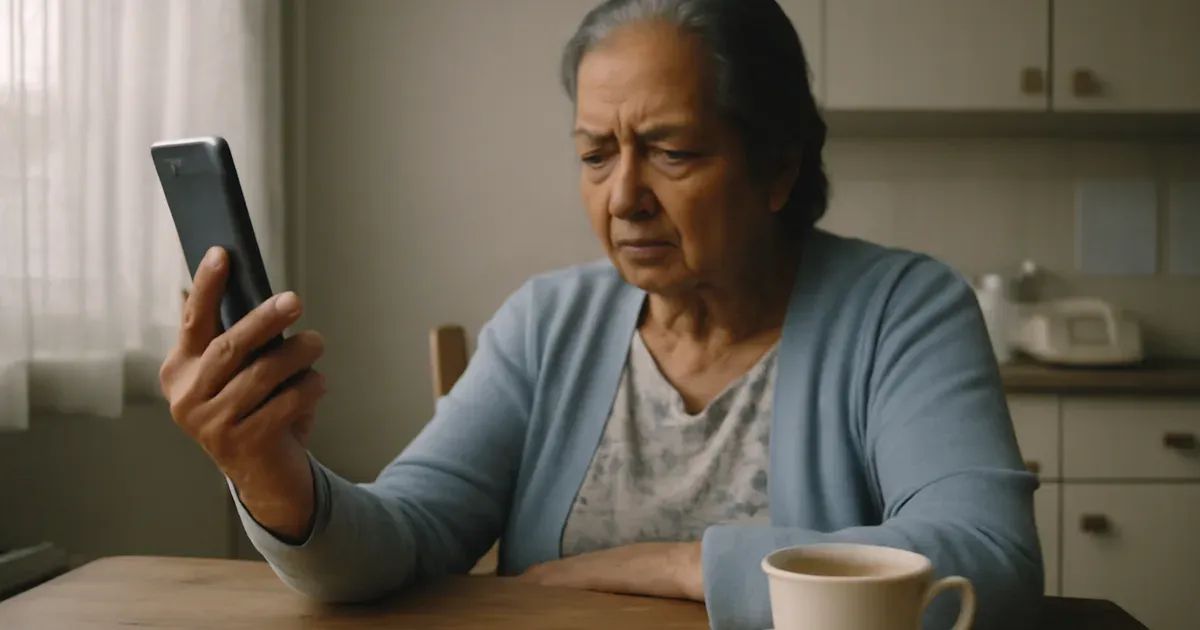
GP practices across the UK have been found to be forcing elderly patients to book appointments online, in a significant breach of NHS contractual rules — a finding that has alarmed health access campaigners and raised urgent questions about the NHS's digital transformation agenda. The survey, conducted by Re-engage, an elderly loneliness charity, assessed over 900 older people and found that a substantial proportion had been denied the option of booking by telephone or attending their GP surgery in person. This directly contravenes NHS guidance, which states clearly that all GP practices are contractually required to offer phone and in-person booking as standard options, not merely as alternatives to digital-first pathways.
The findings arrive at a particularly sensitive moment. The NHS has committed to a sweeping 10-year plan to shift services "from analogue to digital," a transformation that health officials argue will improve efficiency and reduce pressure on overstretched surgeries. Yet Re-engage's research suggests that for many older adults — particularly those who are isolated, digitally excluded, or living with disabilities — this shift is not liberating but actively harmful. Being unable to book a GP appointment by phone or in person doesn't just delay care; it deepens the chronic loneliness that is already a serious public health concern in the UK, where millions of older people report having limited social contact.
An NHS spokesman responded to the findings by reiterating that online booking forms are intended to offer patients "an additional way to access care" rather than replace traditional methods. However, Re-engage's evidence suggests that on-the-ground practice is diverging sharply from official policy. The charity has called for concrete reforms: involving elderly people in the shaping of digital health policy, and publishing access data broken down by age, gender, disability, and ethnicity — a level of transparency that does not currently exist in a standardised form across NHS trusts in the UK.
The practical implication for older readers is stark: if you or a family member has been told you must book online when you would prefer to call or attend in person, you are entitled under NHS rules to insist on those options. Practices that refuse are in breach of their contracts. Re-engage's warning is blunt and worth repeating in full: "Without sustained investment in inclusion and stronger protections for telephone and in-person booking, digital transformation risks widening health inequalities and deepening chronic loneliness."
Source: gbnews.com
Today's Takeaway
Today's story is a reminder that technological progress in healthcare is only truly progressive if it brings everyone along. In the UK, the NHS's ambition to modernise is legitimate and necessary — but modernisation that systematically excludes older, disabled, or digitally excluded patients is not a solution; it is a new problem layered on top of existing inequalities. The data gap around who can and cannot access GP services by different methods is itself a barrier to accountability. Until the NHS mandates transparent, disaggregated access reporting and enforces its own booking rules, the most vulnerable patients will continue to fall through the gaps — not because of illness, but because of a phone call they were never allowed to make.
96 Bacterial Strains. Two Shots a Day.
GOODIE is an award-winning fermented drink with 96 live bacterial strains — more than any yogurt or kombucha — never pasteurised, clinically tested, and 8 in 10 users felt less bloating within 14 days. Curious?