How to Eat an Anti-Inflammatory Diet for Gut Health
Learn how to improve gut health naturally with a science-backed anti-inflammatory eating plan — aligned with NHS guidance and UK microbiome research.

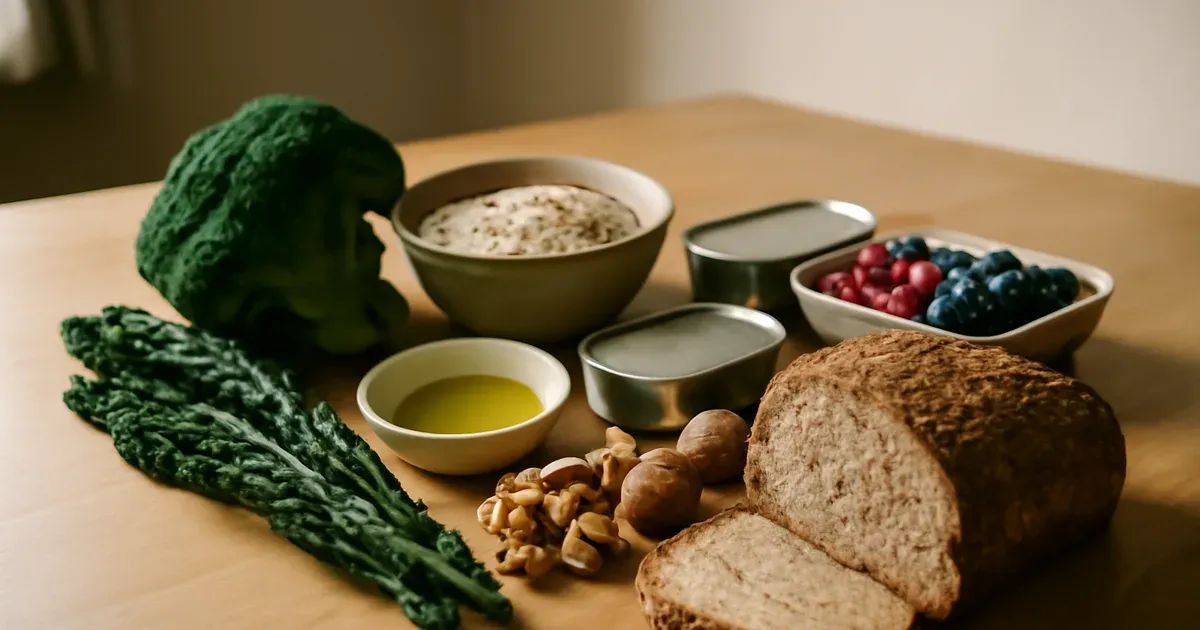
You've tried cutting back on junk food. You've swapped crisps for rice cakes. You've downloaded the calorie-counting app. And yet you still feel bloated, sluggish, and vaguely unwell — without quite knowing why.
For millions of adults in the UK, chronic low-grade inflammation is the silent driver behind that persistent feeling that something isn't quite right. It doesn't announce itself loudly. It just quietly disrupts your digestion, clouds your thinking, and raises your risk of serious disease over time.
The good news? You don't need a prescription, a fad diet, or an expensive supplement programme. Learning how to improve gut health naturally — through everyday food choices — is one of the most powerful things you can do for your long-term wellbeing. This guide shows you exactly how, step by step.
Why Chronic Inflammation Starts in the Gut
Your gut is far more than a digestion machine. It houses trillions of microorganisms — your gut microbiome — that regulate your immune system, produce neurotransmitters, and communicate directly with your brain via the gut-brain axis. When this ecosystem is disrupted, inflammation follows.
Researchers at King's College London and the British Gut Project have helped establish that what you eat shapes your microbiome within days. A diet high in ultra-processed foods, refined sugars, and saturated fats starves the beneficial bacteria your gut needs, allowing pro-inflammatory species to take hold.
Here's what's actually happening beneath the surface:
- Gut lining damage: Ultra-processed foods can erode the intestinal barrier, allowing bacterial fragments to leak into the bloodstream — a process sometimes called "leaky gut" — which triggers a systemic immune response.
- Microbiome imbalance: Low fibre diets reduce the diversity of beneficial bacteria, reducing the production of short-chain fatty acids (SCFAs) that keep inflammation in check.
- Inflammatory gene activation: A 2025 report published in the journal Nutrients found that ultra-processed foods can alter gut bacteria, damage the gut lining, and switch on inflammatory genes in cells.
- The gut-brain connection: Chronic gut inflammation doesn't stay local. Via the vagus nerve and immune signalling, it can affect mood, cognition, and mental health — a finding at the heart of current UK microbiome research at UCL and the University of Oxford.
- NHS burden: Inflammatory bowel conditions, type 2 diabetes, and cardiovascular disease — all linked to diet-driven inflammation — place enormous strain on NHS resources. Preventing inflammation through diet is not just personal; it's a public health priority.

Step 1: Identify and Remove the Biggest Inflammatory Triggers
The first move isn't adding anything to your diet — it's removing what's actively harming your gut microbiome. Ultra-processed foods (UPFs) are the single biggest dietary driver of inflammation in the British diet, and they are everywhere.
The UK Biobank and numerous NHS-linked studies have confirmed that UPF consumption in the UK is among the highest in Europe. These products — ready meals, chicken nuggets, supermarket biscuits, flavoured crisps, processed meats, and dehydrated soups — are engineered to be hyperpalatable, but they carry a steep biological cost.
They are loaded with added sugars that spike blood glucose, salt that disrupts fluid balance, and saturated fats that raise LDL cholesterol. More critically for your gut, their artificial additives, emulsifiers, and preservatives disrupt the microbial ecosystem that keeps inflammation at bay.
Start here:
- Audit your weekly shop. If more than half your trolley contains packaged, processed products, that's where your inflammation is likely coming from.
- Pay particular attention to added sweeteners. Sugary drinks, flavoured yoghurts, jarred sauces, and packaged cereals are major culprits — even when they're marketed as "healthy."
- Don't be misled by sugar substitutes. Aspartame, erythritol, and sucralose may not be safer alternatives; some research suggests they can also promote inflammation. Stevia and monk fruit appear to be exceptions with potential anti-inflammatory properties.
- Refined carbohydrates — white bread, white pasta, white rice, and products made with refined flour — convert rapidly to glucose in the bloodstream and create a pro-inflammatory environment.
Pro tip: Next time you reach for a packaged product, check whether it contains more than five ingredients you wouldn't find in your own kitchen cupboard. If so, it's almost certainly ultra-processed.
Step 2: Rebuild Your Gut Microbiome With Fibre-Rich Foods
Dietary fibre is the cornerstone of a healthy gut microbiome in the UK — and most British adults aren't eating nearly enough of it. The UK Eatwell Guide recommends 30g of fibre per day, yet the average adult in the UK consumes only around 18g. That gap has real consequences for gut health and inflammation.
Fibre feeds the beneficial bacteria in your colon, prompting them to produce short-chain fatty acids like butyrate — a compound that actively reduces intestinal inflammation and strengthens the gut lining. Researchers at the University of Reading have shown that increasing dietary fibre measurably shifts the microbiome towards a more anti-inflammatory profile within just a few weeks.
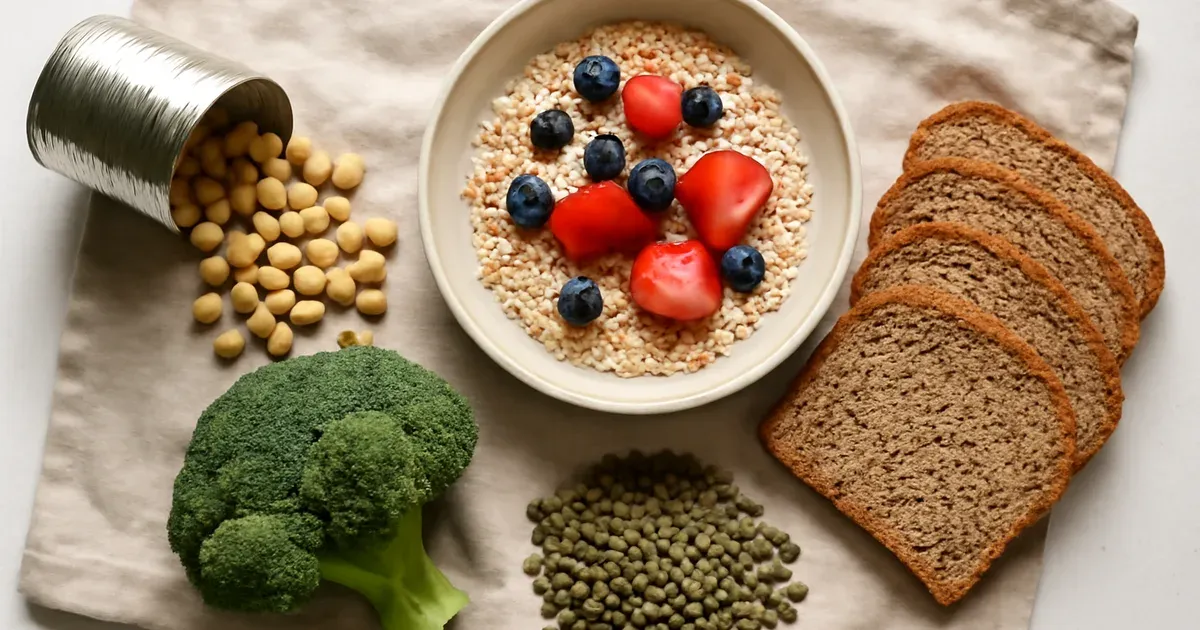
The best sources are whole grains (oats, barley, rye, wholegrain bread), legumes (lentils, chickpeas, kidney beans), fruits, and vegetables. These foods also supply antioxidants — particularly in brightly coloured produce like tomatoes, carrots, broccoli, and squash — that neutralise the free radicals which drive cellular inflammation.
Build fibre in gradually:
- Add a handful of lentils or chickpeas to soups and stews.
- Swap white bread for a seeded wholegrain loaf.
- Start the day with porridge oats topped with berries — a breakfast that delivers fibre, polyphenols, and antioxidants in one bowl.
- Aim for at least five different plant foods per day, working towards the "30 plants a week" target championed by the British Gut Project.
Pro tip: Increase fibre slowly over two to three weeks to avoid bloating as your microbiome adjusts.
Step 3: Add Omega-3s, Polyphenols, and Anti-Inflammatory Fats
Once you've addressed what to remove and how to rebuild microbial diversity, it's time to actively load your diet with compounds that directly suppress inflammation. Three nutrient categories stand out in the research: omega-3 fatty acids, polyphenols, and unsaturated fats.
Omega-3 fatty acids are among the most studied anti-inflammatory nutrients in the human diet. They are found in oily fish — mackerel, sardines, salmon, and fresh tuna — as well as in flaxseeds, walnuts, and leafy greens like spinach and kale. The NHS recommends eating two portions of fish per week, including at least one portion of oily fish. These fatty acids modulate inflammatory pathways and support the gut-brain connection by influencing neurotransmitter production.
Polyphenols are plant chemicals found in berries, dark chocolate, green tea, apples, red onions, citrus fruits, and coffee. Research from Imperial College London and the University of Cambridge has highlighted their role in selectively feeding beneficial gut bacteria, boosting microbiome diversity, and reducing markers of systemic inflammation. A daily cup of green or black tea is one of the easiest polyphenol upgrades a UK adult can make.
Unsaturated fats — particularly from extra-virgin olive oil, avocado, almonds, walnuts, and pumpkin seeds — replace the pro-inflammatory saturated fats found in butter, processed meats, and fried foods. Olive oil, the cornerstone of the Mediterranean diet, contains oleocanthal, a compound with anti-inflammatory effects comparable to low-dose ibuprofen.
Pro tip: A simple rule of thumb — if the fat is solid at room temperature (butter, lard, coconut oil used in excess), it's more likely to promote inflammation. If it's liquid (olive oil, rapeseed oil), it's more likely to combat it.
Step 4: Follow a Structured Eating Pattern, Not Just Isolated Foods
Individual foods don't work in isolation — the overall dietary pattern matters far more than any single "superfood." This is one of the most important insights from gut microbiome research in the UK and globally.
Two structured dietary patterns align closely with anti-inflammatory eating and have strong evidence behind them: the Mediterranean diet and the DASH diet (Dietary Approaches to Stop Hypertension). Both are rich in whole grains, legumes, oily fish, vegetables, fruit, and healthy fats — and both have been shown to reduce inflammatory biomarkers, support microbiome diversity, and lower risk of cardiovascular disease, type 2 diabetes, and cognitive decline.
The gut-brain connection is particularly relevant here. Researchers at UCL have found that adherence to a Mediterranean-style diet is associated with lower rates of depression and anxiety — effects mediated, at least in part, through the microbiome. What you eat feeds not just your gut bacteria, but ultimately your mood and mental clarity.
Build your eating pattern around these daily anchors:
- Breakfast: Porridge with mixed berries and a small handful of walnuts.
- Lunch: A generous salad of dark leafy greens, colourful vegetables, a tin of sardines or a boiled egg, topped with olive oil and lemon.
- Dinner: A lean protein (grilled salmon, chicken, or a pulse-based dish), roasted vegetables, and a wholegrain side.
- Snacks: Fresh fruit, a small portion of mixed nuts, or plain live yoghurt with a drizzle of honey.
Pro tip: More colour and variety on your plate means more unique phytonutrients reaching your microbiome. Aim to eat the rainbow every day.

Step 5: Make It a Lifestyle Shift, Not a Short-Term Diet
The science is clear: short-term dietary changes produce short-term results. The microbiome is remarkably responsive to diet — it can shift within 24 to 48 hours of a dietary change — but it requires consistency to sustain those beneficial changes.
Rather than overhauling everything at once, the British Dietetic Association (BDA) recommends gradual, sustainable changes that become habits. Begin by swapping one processed meal per week for a home-cooked alternative. Then two. Then focus on breakfast. Then snacks.
Herbs and spices deserve a mention here as easy, low-effort anti-inflammatory additions. Turmeric (particularly with black pepper to aid absorption), ginger, cinnamon, and cayenne pepper all have evidence supporting modest anti-inflammatory benefits. Adding them to cooking costs nothing and takes seconds.
Consistency with sleep, hydration, physical activity, and stress management also matters — chronic stress elevates cortisol, which promotes gut permeability and inflammation, directly disrupting the gut-brain axis. An anti-inflammatory diet works best as part of a broader lifestyle approach.
Pro tip: Meal prepping on a Sunday — cooking a large batch of grains, roasting a tray of vegetables, and making a pot of lentil soup — makes it dramatically easier to eat anti-inflammatorily through a busy working week.
What to Expect: Your Week-by-Week Timeline
Week 1–2: You may notice some bloating as your microbiome adjusts to more fibre. This is normal and temporary. Energy levels may begin to stabilise as blood sugar spikes reduce.
Week 3–4: Many people report clearer digestion, reduced bloating, and improved energy. Early improvements in skin clarity and sleep quality are also commonly reported.
Month 2–3: Measurable shifts in microbiome diversity are likely by this point, according to research from the University of Nottingham and the British Gut Project. Inflammatory biomarkers (such as CRP) may begin to fall in those who have significantly reduced UPF intake.
Month 3–6: The strongest benefits — for joint health, cardiovascular markers, blood sugar regulation, and gut-brain wellbeing — tend to become apparent with sustained dietary change over this period.
Mistakes That Slow Your Progress
- Going too fast. Overhauling your entire diet overnight rarely sticks. Gradual habit-building, as the BDA recommends, produces more durable results.
- Relying on "healthy" UPFs. Protein bars, flavoured oat drinks, low-fat yoghurts with added sugar, and gluten-free packaged snacks are still ultra-processed. Marketing language is not a reliable guide.
- Ignoring fibre diversity. Eating the same two or three vegetables every day limits microbiome diversity. Variety is as important as quantity.
- Assuming supplements replace food. Omega-3 capsules and probiotic supplements can support gut health, but they cannot replicate the complex matrix of nutrients and fibre in whole foods.
- Forgetting drinks. Sugary drinks, flavoured coffees, and alcohol are significant sources of added sugar and inflammation that often go uncounted.
What Can Help You Get There Faster
Tracking tools such as food diaries or apps that flag ultra-processed food content can accelerate awareness in the early weeks. The NHS offers free dietary resources and referral to registered dietitians through GP surgeries for those with diagnosed inflammatory conditions.
Evidence-based cookbooks built around Mediterranean or DASH principles make meal planning less daunting. Look for those endorsed by the British Nutrition Foundation or aligned with the UK Eatwell Guide.
Live-culture fermented foods — plain live yoghurt, kefir, sauerkraut, and kimchi — provide beneficial bacteria directly and complement dietary fibre in nurturing a diverse microbiome. These are widely available in UK supermarkets and represent one of the simplest gut health upgrades available.
Your Anti-Inflammatory Gut Health Checklist
✅ Step 1: Identify and remove ultra-processed foods, refined carbohydrates, and added sugars from your regular diet.
✅ Step 2: Build fibre intake to at least 30g per day through whole grains, legumes, fruits, and vegetables.
✅ Step 3: Add omega-3 fatty acids (oily fish, walnuts, flaxseeds), polyphenols (berries, tea, dark chocolate), and unsaturated fats (olive oil, avocado) to your daily eating.
✅ Step 4: Adopt a structured anti-inflammatory eating pattern — Mediterranean or DASH — rather than relying on individual "superfoods."
✅ Step 5: Make gradual, sustainable changes that become long-term habits, and support your diet with good sleep, hydration, and stress management.
Ready to Feel the Difference?
Your gut microbiome is listening to every meal you eat. The research from King's College London, UCL, and the British Gut Project is unambiguous: consistent, whole-food, fibre-rich eating measurably improves gut health in the UK population — reducing inflammation, supporting the gut-brain connection, and lowering long-term disease risk. You don't need perfection. You need progress, one meal at a time.
Start with one swap today. Your microbiome will respond faster than you think.
You might also like
- How to Improve Gut Health Naturally in 6 Steps
- Gut Health UK: Improve Your Microbiome Naturally
- How to Improve Gut Health Naturally in 5 Steps
Frequently Asked Questions
How quickly can diet change your gut microbiome in the UK?
The microbiome can begin shifting within 24 to 48 hours of dietary change, according to research from the British Gut Project and King's College London. However, meaningful, sustained improvements in microbiome diversity and inflammatory markers typically take four to twelve weeks of consistent dietary change.
Is the Mediterranean diet recommended by the NHS for gut health?
The NHS does not prescribe a single named diet for gut health, but it aligns closely with Mediterranean diet principles in its dietary guidance — emphasising whole grains, oily fish, fruits, vegetables, legumes, and healthy fats. Many NHS dietitians recommend Mediterranean-style eating for patients with inflammatory conditions, cardiovascular disease risk, and type 2 diabetes.
What are the best anti-inflammatory foods available in UK supermarkets?
Widely available and affordable options include: oats, tinned oily fish (sardines, mackerel, salmon), lentils, frozen mixed berries, broccoli, spinach, plain live yoghurt, walnuts, extra-virgin olive oil, and whole grain bread. These cover fibre, omega-3s, polyphenols, and antioxidants — all key anti-inflammatory nutrients.
Can improving gut health help with mental health and the gut-brain connection?
Yes. The gut-brain axis — the bidirectional communication network between your gut and your brain — means that gut inflammation can contribute to mood disorders including anxiety and depression. Researchers at UCL have found associations between Mediterranean-style diets, healthier microbiomes, and better mental health outcomes. Improving gut health naturally through diet is increasingly recognised as a meaningful support strategy for mental wellbeing.
Are probiotic supplements worth taking alongside an anti-inflammatory diet in the UK?
Probiotics can support gut health, particularly after antibiotic use, but the evidence for specific strains varies widely. The British Dietetic Association recommends prioritising dietary sources of beneficial bacteria — live yoghurt, kefir, fermented vegetables — alongside a high-fibre diet, rather than relying on supplements alone. If considering supplements, seek guidance from a registered dietitian or your GP.
96 Bacterial Strains. Two Shots a Day.
GOODIE is an award-winning fermented drink with 96 live bacterial strains — more than any yogurt or kombucha — never pasteurised, clinically tested, and 8 in 10 users felt less bloating within 14 days. Curious?