Anti-Inflammatory Meal Prep for Arthritis & Gut Health
A UK dietitian-backed guide to anti-inflammatory meal prep for arthritis, with gut microbiome science woven throughout. Practical, accessible, and evidence-base


Living with arthritis makes cooking feel like a mountain to climb — joint pain and fatigue can turn a simple dinner into an ordeal. Yet the foods you eat have a measurable impact on inflammation, and skipping meal planning often means defaulting to ultra-processed options that silently fuel the fire. The good news? A structured, gentle approach to anti-inflammatory meal prep can transform your week, ease your symptoms, and — crucially — support a healthy gut microbiome at the same time.
In the UK, the Western dietary pattern remains dominant for many households: high in refined carbohydrates, processed meats, added sugars, and low in fibre. This pattern is consistently linked to chronic low-grade inflammation, the very driver behind both arthritis pain and poor gut health. Research into gut health UK populations, including contributions from the British Gut Project and King's College London, confirms that dietary diversity — particularly plant-rich eating — is one of the most powerful levers for microbiome health.
This guide brings together registered dietitian advice on meal prep for arthritis with current microbiome science, giving you a practical, UK-relevant framework you can start using this week.
Why Gut Health and Arthritis Are More Connected Than You Think
The gut-brain connection gets plenty of attention, but the gut-joint axis is equally compelling. Your gut microbiome — the trillions of bacteria, fungi, and other microorganisms living in your digestive tract — plays a central role in regulating your immune system. Approximately 70–80% of your immune cells reside in gut-associated lymphoid tissue, meaning that what happens in your gut directly influences systemic inflammation.
Researchers at University of Oxford and King's College London have been investigating how microbiome composition correlates with inflammatory conditions including rheumatoid arthritis. Emerging evidence suggests that a less diverse microbiome, often a result of low-fibre, high-processed-food diets, is associated with higher levels of pro-inflammatory markers.
Improving gut health naturally through diet creates a virtuous cycle. More dietary fibre feeds beneficial bacteria (particularly Bifidobacterium and Lactobacillus species), which produce short-chain fatty acids (SCFAs) such as butyrate. SCFAs have well-documented anti-inflammatory effects, helping to calm immune overactivation — which is precisely what people with arthritis need.
The ITIS anti-inflammatory diet study for rheumatoid arthritis patients found that dietary interventions focusing on plant-based foods, omega-3 fatty acids, and polyphenols can meaningfully reduce inflammatory burden. This aligns neatly with what we know about microbiome-supportive eating.
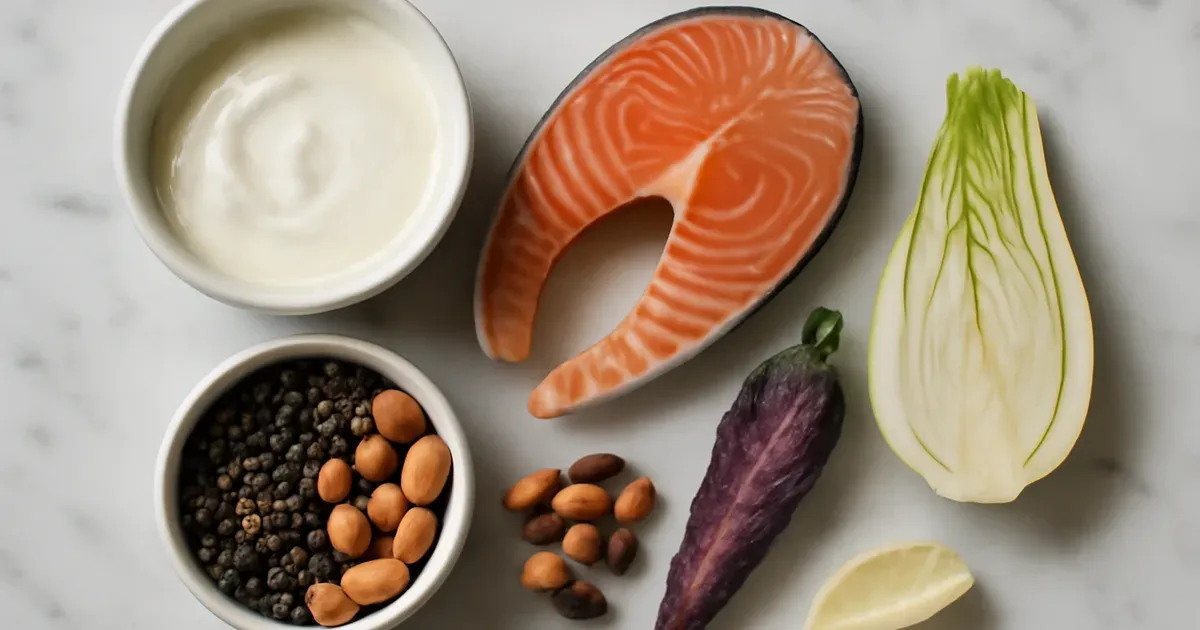
The 5-Step Anti-Inflammatory Meal Prep Framework
Meal prep is not about spending a Sunday in culinary marathon mode. For anyone managing arthritis, it must be adapted to your energy levels and pain thresholds. Registered dietitian Cristina Montoya outlines five practical steps that make this achievable — and sustainable.
Step 1: Keep Ingredients Simple
Choose recipes with five to ten main ingredients, not counting herbs and spices. Complexity is the enemy of consistency when joints are sore. Opt for cooking methods that reduce strain — slow cookers, sheet-pan roasting, and pre-cut vegetables from your supermarket all minimise the time you spend gripping and chopping. Many UK supermarkets now stock excellent ranges of pre-cut stir-fry mixes, washed salad leaves, and frozen chopped onions — use them without guilt.
Step 2: Stock Smart Convenience Foods
Keep your freezer and storecupboard stocked with frozen fruits and vegetables, and low-sodium tinned legumes. In the UK, brands like Biona and supermarket own-label offer tinned chickpeas, lentils, and kidney beans that are ready to use. These become invaluable on high-pain days when a trip to the shops is not realistic. Pre-washed salad bags and frozen berries are particularly useful for gut-health-boosting meals with minimal effort.
Step 3: Batch Cook Once a Week
Double or triple your portions on your best days and freeze what you don't need immediately. A large pot of turmeric-spiced lentil soup, for instance, provides lunches for several days and requires almost no reheating effort. Batch cooking is one of the most evidence-backed strategies for improving dietary quality — it reduces reliance on takeaways and processed convenience foods that undermine both joint health and the gut microbiome.
Step 4: Work Within Your Schedule
Arthritis is unpredictable, and your meal prep routine needs to reflect that. Aim to cook on your lower-pain days, even if that means Sunday prep one week and Tuesday prep the next. Some weeks you may manage five prepped meals; other weeks, just one batch of overnight oats is a win. The British Dietetic Association (BDA) consistently emphasises that dietary adherence over time matters more than any single perfect week.
Step 5: Tackle One Meal or Snack at a Time
Start with the meal that currently has the least nutritional value. Is your afternoon snack a packet of crisps? Swap it for walnuts and a small pot of plain Greek yogurt with a teaspoon of honey. Is your breakfast typically toast with little else? Add a tablespoon of chia seeds and some frozen berries. Small, consistent upgrades to individual meals compound over time into significant improvements in both anti-inflammatory intake and microbiome diversity.

Anti-Inflammatory Foods That Also Feed Your Gut Microbiome
The overlap between anti-inflammatory foods and gut-friendly foods is striking — and that's no coincidence. Many of the same plant compounds that calm inflammation also act as prebiotics, selectively feeding beneficial gut bacteria. Here is how to think about each food group through both lenses.
Fruits and Vegetables: Your Microbiome's Favourite Fuel
Aim for roughly half your plate at each main meal to be vegetables or fruit. The UK Eatwell Guide recommends five portions of fruit and vegetables daily, but research from the British Gut Project suggests that eating 30 or more different plant foods per week correlates strongly with greater microbiome diversity. A serving counts as one cup of raw leafy greens or half a cup of cooked vegetables.
Colourful variety matters — different polyphenols feed different bacterial strains. Berries, leafy greens, cruciferous vegetables, and root vegetables each bring unique phytonutrients that benefit both gut bacteria and inflammatory pathways.
Beans and Legumes: Fibre Powerhouses
Legumes are among the most microbiome-friendly foods available. Kidney beans, chickpeas, lentils, edamame, and black-eyed peas are rich in both soluble and insoluble fibre — the substrate that gut bacteria ferment into anti-inflammatory SCFAs. Clinical research has also shown that leguminous plants including soybeans and pulses can reduce insulin resistance, a key driver of systemic inflammation.
Aim for one to two servings daily — roughly half a cup of cooked beans or lentils. A simple batch of lentil dahl ticks both the anti-inflammatory and gut health boxes effortlessly.
Whole Grains: B Vitamins and Microbiome Support
Whole grains such as oats, pot barley, wild rice, and quinoa provide B vitamins essential for energy metabolism — particularly helpful when arthritis fatigue is a factor. They also supply the fermentable fibres that support a diverse gut microbiome. Look for the Whole Grain stamp on UK breads and cereals. Aim for two to three servings daily — one slice of bread or half a cup of cooked grains.
Nuts, Seeds, and Healthy Fats
Walnuts, almonds, chia seeds, and hemp seeds deliver omega-3 fatty acids alongside fibre and polyphenols — a powerful combination for reducing the inflammatory response while supporting gut motility. Extra virgin olive oil, the cornerstone of Mediterranean eating, provides monounsaturated fats and polyphenols with well-documented anti-inflammatory properties. Use it as your primary cooking fat.
Fermented Dairy and Gut Health
Fermented foods deserve a dedicated place on your plate. Plain Greek yogurt, kefir, and natural cheeses contain live bacterial cultures that contribute directly to microbiome diversity. In the UK, kefir has become increasingly available in major supermarkets — look for live-culture versions. One to two servings daily (around 150g yogurt or a small glass of kefir) supports both calcium intake and gut health naturally.
Fatty Fish for Omega-3s
Include oily fish at least once a week — salmon, mackerel, sardines, herring, and mussels are all excellent UK-available sources of EPA and DHA omega-3 fatty acids. NHS guidance recommends two portions of fish weekly, one of which should be oily. These long-chain omega-3s have the strongest evidence base for reducing joint inflammation.
Spices with Anti-Inflammatory Credentials
Turmeric, ginger, garlic, cinnamon, and rosemary are rich in phytochemicals with measurable antioxidant and anti-inflammatory activity. A review of culinary herbs and spices confirmed their contribution to dietary polyphenols and potential role in reducing chronic disease risk — though they work best as part of an overall dietary pattern rather than in isolation. Adding turmeric to a barley soup or ginger to a smoothie costs nothing and adds genuine nutritional value.
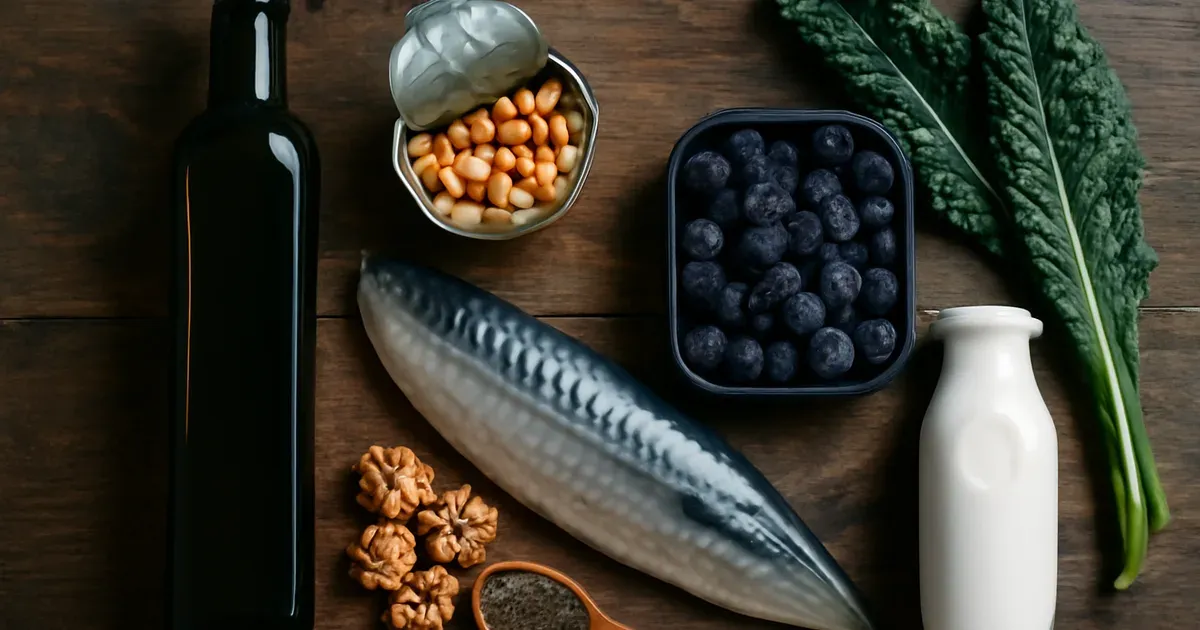
A Sample Two-Day Anti-Inflammatory Meal Plan
The following two-day plan illustrates how these principles come together in practical, batch-cook-friendly meals. All items can be partially or fully prepped in advance.
Day 1
- Breakfast: Edamame and avocado spread on whole-grain toast with half a cup of berries
- Morning snack (optional): Raspberry chocolate chia seed pudding (batch-prepped in jars)
- Lunch: Plant-based pasta salad with mixed vegetables and olive oil dressing
- Afternoon snack: Celery sticks with almond butter
- Dinner: Flaxseed-crusted salmon with a Mediterranean salad of cucumber, cherry tomatoes, avocado, and kalamata olives
- Dessert: Fresh fruit or a small portion of plant-based rice pudding
Day 2
- Breakfast: Crispy quinoa breakfast bowl with half a cup of fresh fruit
- Morning snack (optional): Hemp and walnut energy bites (batch-made and frozen)
- Lunch: Salmon sandwich using leftover crusted salmon (flaked with Greek yogurt, lemon juice, and cayenne on whole-grain bread) with leftover Mediterranean salad
- Afternoon snack: Mixed nuts and a small pot of plain Greek yogurt with a teaspoon of maple syrup
- Dinner: Turmeric-infused beef and barley soup with tangy broccoli, grape, and walnut salad
- Dessert: Fresh fruit
This plan naturally delivers 30+ plant foods across two days, substantial prebiotic fibre, omega-3 fatty acids, and a wide range of polyphenols — all key targets for both joint health and microbiome UK research priorities.
The Bottom Line: Eat for Your Joints and Your Gut
Anti-inflammatory meal prep is not a strict regime — it is a flexible, adaptable way of eating that prioritises plants, quality fats, fermented foods, and whole grains while minimising ultra-processed foods. For anyone managing arthritis in the UK, the compounding benefits extend well beyond joint pain: a healthier gut microbiome, better energy, improved metabolic markers, and greater resilience in day-to-day life.
Start with one change. Batch-cook a pot of lentil soup. Add a handful of walnuts to your afternoon snack. Buy a bag of frozen berries for your morning yogurt. The gut-brain connection research is clear: feeding your microbiome well feeds every system in your body — including the immune pathways that drive inflammation.
Always consult a registered dietitian — your GP can refer you through NHS pathways, and the British Dietetic Association's Find a Dietitian tool can help you locate a specialist in NHS gut health and inflammatory conditions.
Frequently Asked Questions
Q: Can improving gut health really help with arthritis symptoms? Emerging research suggests yes. A healthier gut microbiome, supported by a fibre-rich and plant-diverse diet, produces short-chain fatty acids that help regulate immune responses and reduce systemic inflammation — a key driver of arthritis pain and flares.
Q: What are the best anti-inflammatory foods available in the UK? Oily fish (mackerel, sardines, salmon), oats, lentils, chickpeas, extra virgin olive oil, leafy greens, berries, walnuts, and live-culture yogurt or kefir are all widely available in UK supermarkets and strongly supported by evidence.
Q: How do I start meal prepping if I have severe joint pain? Begin with just one item per week — a batch of overnight oats or a tin of lentils turned into soup. Use pre-cut vegetables, tinned legumes, and frozen fruits to minimise chopping. Work on your lower-pain days and use kitchen aids such as electric tin openers and ergonomic utensils.
Q: Is the Mediterranean diet the same as an anti-inflammatory diet? The Mediterranean diet is the most studied anti-inflammatory dietary pattern. It broadly aligns with anti-inflammatory eating principles: emphasis on vegetables, legumes, whole grains, olive oil, oily fish, and moderate fermented dairy — all of which also support gut microbiome diversity.
Q: How much fibre should I eat daily for gut health in the UK? UK dietary guidelines recommend 30g of fibre per day for adults — yet the average UK adult consumes only around 20g. Increasing fibre intake through beans, vegetables, whole grains, and seeds is one of the most impactful steps you can take for both gut health and inflammation management.
You might also like
- How to Boost GLP-1 Naturally for Weight Loss
- UK Diet Gaps Linked to Poor Gut Health
- Morinaga Milk Gains GRAS Status for Postbiotic Ingredient
96 Bacterial Strains. Two Shots a Day.
GOODIE is an award-winning fermented drink with 96 live bacterial strains — more than any yogurt or kombucha — never pasteurised, clinically tested, and 8 in 10 users felt less bloating within 14 days. Curious?