Anti-Inflammatory Meal Prep for a Healthier Gut
Learn how to reduce inflammation and support your gut-brain health with a practical 5-step anti-inflammatory meal prep system.

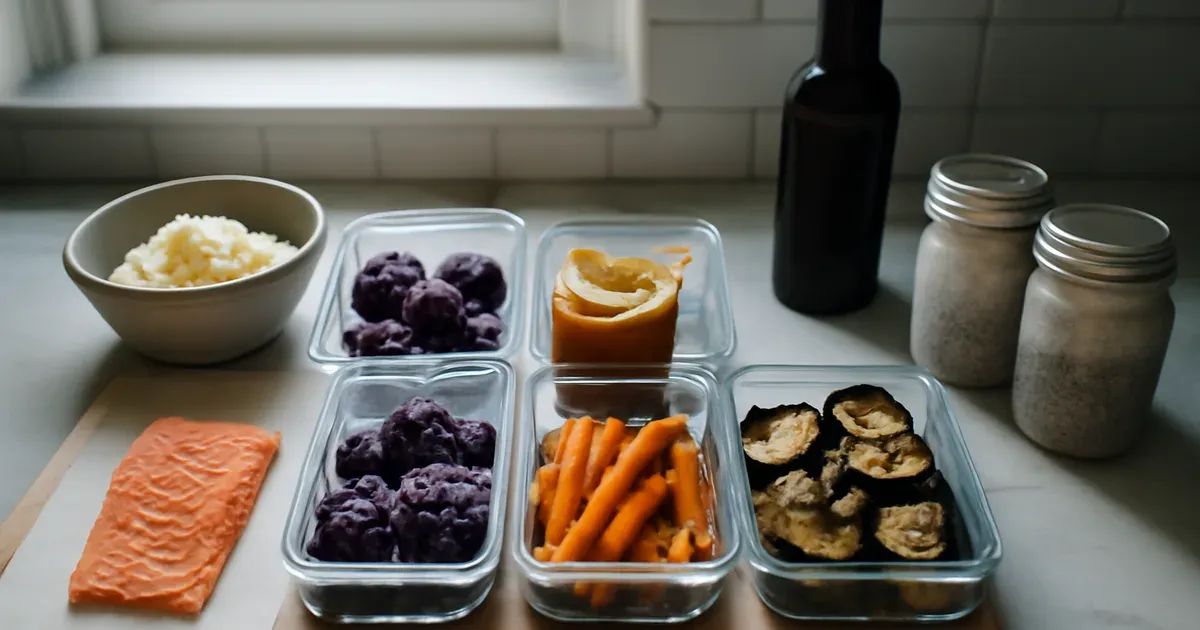
You already know food matters. But Sunday rolls around, the week gets busy, and you end up eating whatever is fastest — not whatever makes you feel best. If you have dealt with bloating, low energy, brain fog, or a gut that feels permanently "off," you are not alone, and you are not failing. Most people trying to eat better are missing one practical layer: a repeatable system. This guide gives you exactly that — a step-by-step anti-inflammatory meal prep method that calms chronic inflammation, supports your gut-brain axis, and actually fits into a real week.
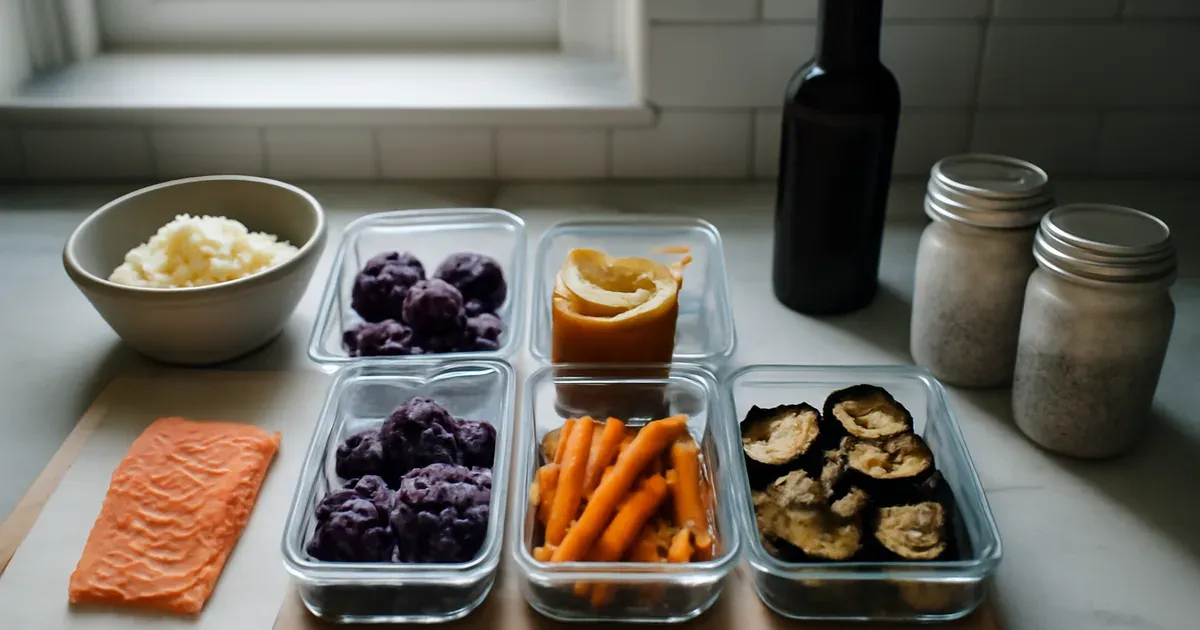
Why Chronic Inflammation Happens in the First Place
Inflammation is not the enemy — runaway inflammation is. Your immune system triggers short-term inflammation to heal injuries and fight pathogens. The problem is modern diets, chronic stress, disrupted sleep, and a damaged gut microbiome keep that signal permanently switched on.
- Dysbiosis (gut imbalance): When harmful bacteria outnumber beneficial strains, the gut lining becomes permeable. Bacterial fragments leak into the bloodstream and trigger a body-wide inflammatory response — a process researchers call "leaky gut."
- Ultra-processed foods: Refined seed oils, added sugars, and artificial additives deplete short-chain fatty acid–producing bacteria, directly weakening gut-barrier integrity and amplifying inflammatory signalling.
- Missing omega-3s and polyphenols: The standard Western diet is low in exactly the nutrients — EPA, DHA, curcumin, resveratrol — that activate the body's own anti-inflammatory pathways and feed a diverse microbiome.
- The gut-brain feedback loop: The vagus nerve carries signals both ways between the gut and brain. A dysbiotic gut sends pro-inflammatory messages upward, contributing to anxiety, depression, and cognitive fatigue as well as physical symptoms.
Fixing this requires more than a single "superfood." It requires a consistent weekly eating structure — which is precisely what anti-inflammatory meal prep delivers.
Step 1: Build Your Anti-Inflammatory Pantry Foundation
Before you cook a single thing, stock the right raw materials. An empty or poorly stocked kitchen is the number-one reason healthy intentions collapse by Tuesday. Spending twenty minutes organising your pantry removes every friction point that sends you toward a takeaway menu.
Focus on four categories. First, anti-inflammatory fats: extra virgin olive oil, walnuts, flaxseeds, and chia seeds. These supply monounsaturated fats and plant-based omega-3s (ALA) that studies link to lower levels of C-reactive protein, a key inflammation marker. Second, polyphenol-rich dry goods: turmeric, ginger, cinnamon, and dried herbs — all proven to modulate NF-kB, the master inflammatory switch. Third, prebiotic and probiotic staples: oats, canned chickpeas, lentils, and, if you tolerate dairy, plain live-culture yoghurt. These directly nourish beneficial gut bacteria, supporting the gut-brain axis. Fourth, whole grains: quinoa, brown rice, and farro — slow-digesting carbohydrates that feed Bifidobacterium and Lactobacillus species linked to reduced intestinal inflammation.
Pro tip: Buy a small glass jar of high-quality extra virgin olive oil and a block of turmeric paste or fresh turmeric root. These two ingredients will appear in almost every recipe across the week.
Step 2: Batch-Cook Your Mediterranean Base Proteins and Grains
Sunday is your power hour — use it to cook once and eat well five times. Mediterranean diet batch cooking sits at the heart of effective anti-inflammatory meal prep because it packages the most evidence-backed anti-inflammatory foods into formats you can reach for without thinking.
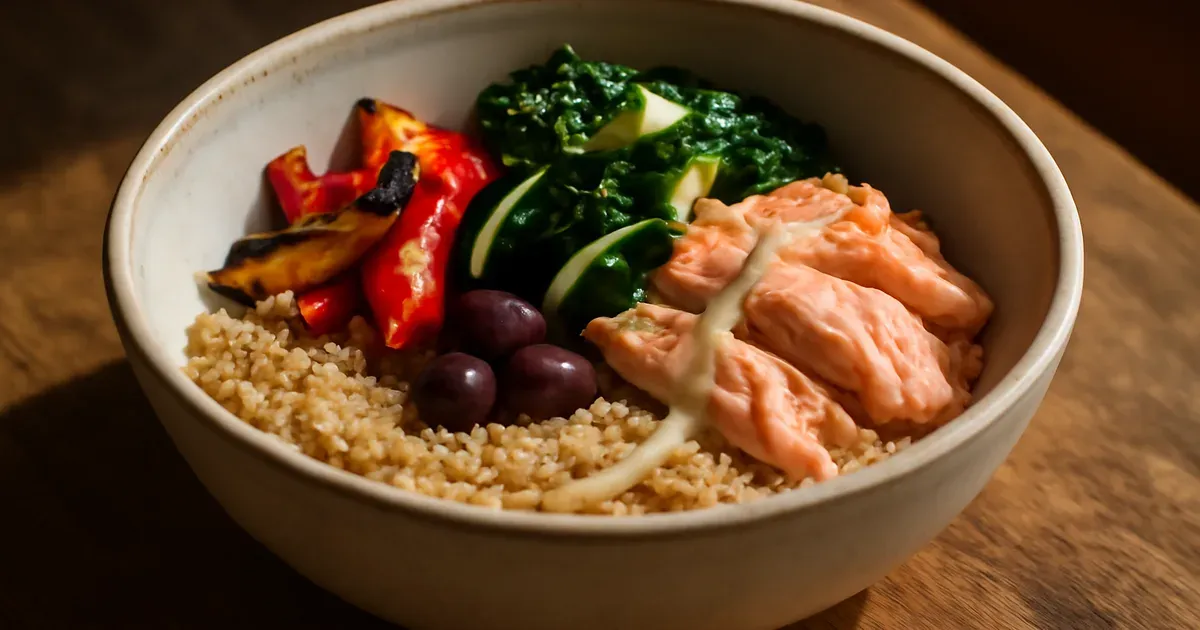
Set aside two to three hours on Sunday. Cook a large tray of baked salmon seasoned with lemon, dill, and olive oil — salmon provides EPA and DHA, the omega-3 fatty acids that directly suppress prostaglandin and cytokine production. While the salmon bakes, cook a double portion of quinoa on the hob and roast two trays of colourful vegetables: courgette, red pepper, red onion, and sweet potato. Colour variety matters because each pigment represents a different class of polyphenol, and a diverse polyphenol intake is one of the strongest predictors of microbiome diversity.
Divide everything into glass containers and refrigerate. You now have a modular system: mix quinoa with roasted vegetables and olives for a Greek-inspired bowl on Monday, flake salmon over leafy greens with tahini dressing for Tuesday's lunch, and stir leftover vegetables into a turmeric broth for Wednesday's soup.
- Roast vegetables at 200 °C (400 °F) for 25–30 minutes for caramelisation without nutrient loss.
- Cook grains in low-sodium vegetable or bone broth instead of plain water to add minerals and flavour.
- Freeze individual salmon portions if you are prepping for more than four days ahead.
Step 3: Make Your Turmeric and Gut-Supporting Flavour Bases
The sauces and pastes you prep now will do the heavy lifting all week. This is where anti-inflammatory meal prep gets genuinely transformative — not just for inflammation, but for your microbiome. Fermented, fibre-rich, and polyphenol-dense condiments act as daily "doses" of gut-supportive compounds every time you eat.
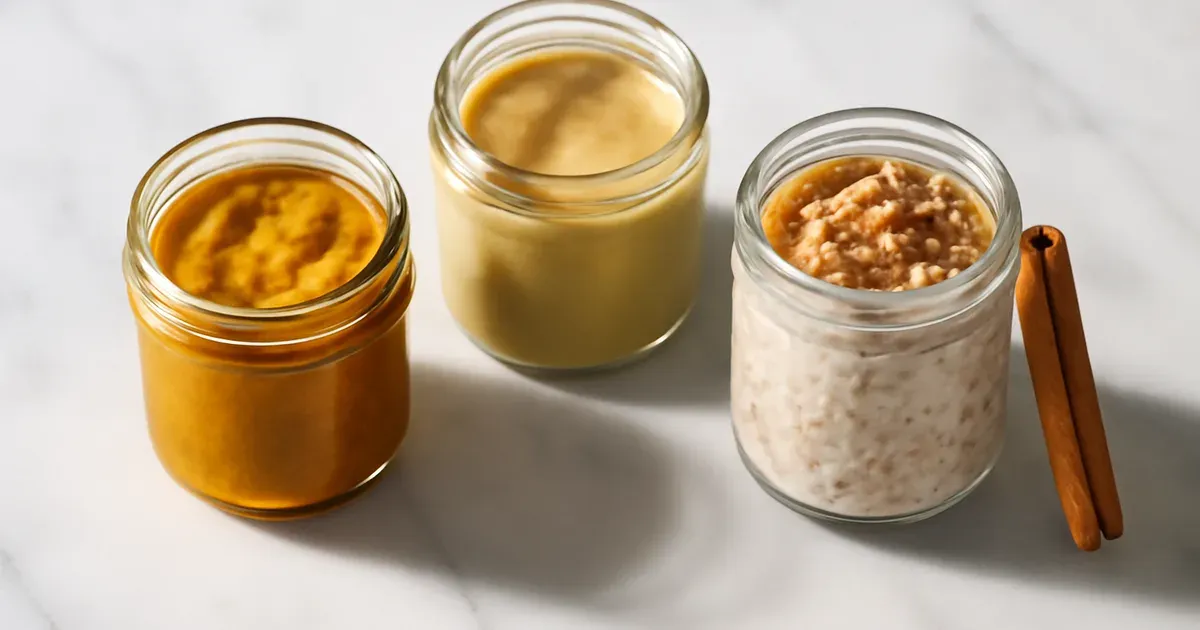
Prepare three quick bases in under thirty minutes. Turmeric-black pepper paste: blend two tablespoons of ground turmeric, one teaspoon of freshly ground black pepper, and three tablespoons of extra virgin olive oil into a smooth paste. Black pepper's piperine increases curcumin bioavailability by up to 2,000 percent — skipping the pepper makes turmeric far less effective. Store the paste in a small jar and stir a teaspoon into soups, dressings, and roasted vegetable trays throughout the week. Gut-feeding tahini dressing: whisk together two tablespoons of tahini (a source of prebiotic sesame lignans), the juice of one lemon, one crushed garlic clove, a pinch of turmeric paste, and enough water to reach a pourable consistency. Overnight golden oats base: combine rolled oats with almond milk, turmeric paste, ginger, cinnamon, and a drizzle of raw honey. Portion into four jars and refrigerate — your anti-inflammatory, prebiotic-rich breakfasts are now ready for the next four mornings.
Research note: Ginger and turmeric both inhibit COX-2 enzymes — the same pathway targeted by ibuprofen — through their gingerol and curcumin compounds respectively, making these flavour bases genuinely functional, not just decorative.
Step 4: Apply the Rainbow Container Method for Daily Assembly
Colour is your nutritional compass. The Rainbow Container Method is a simple visual system: every meal you assemble should contain at least three different colours, each from a whole food source. This single habit guarantees polyphenol and fibre diversity without requiring you to track nutrients — and fibre diversity is the single most important dietary driver of microbiome richness.
Here is how it works in practice. When you open your fridge at lunchtime, grab your grain base (beige), add roasted red and yellow peppers (red and yellow), heap on a handful of dark leafy greens (green), scatter some blueberries or pomegranate seeds if available (purple-red), and drizzle with your pre-made tahini dressing. You have hit five colours in under three minutes. The same logic applies to dinner: golden turmeric quinoa plus orange sweet potato plus dark green broccoli plus white chickpeas equals a gut-diversifying, inflammation-calming plate assembled in minutes from containers you already prepared.
The gut-brain connection becomes tangible here. Short-chain fatty acids produced when gut bacteria ferment the fibre from your colourful vegetables — particularly butyrate — cross the blood-brain barrier and have been shown in multiple studies to reduce neuroinflammation, improve mood, and sharpen cognitive function. Eating the rainbow is, quite literally, feeding your brain.
Step 5: Build Anti-Inflammatory Snacks and Smoothie Packets
Snacking is where healthy eating plans most often unravel. Prepping snacks alongside your main meals closes the gap between meals when blood sugar dips and cravings spike — and it gives your gut bacteria a consistent supply of beneficial compounds throughout the day rather than in one large evening dose.
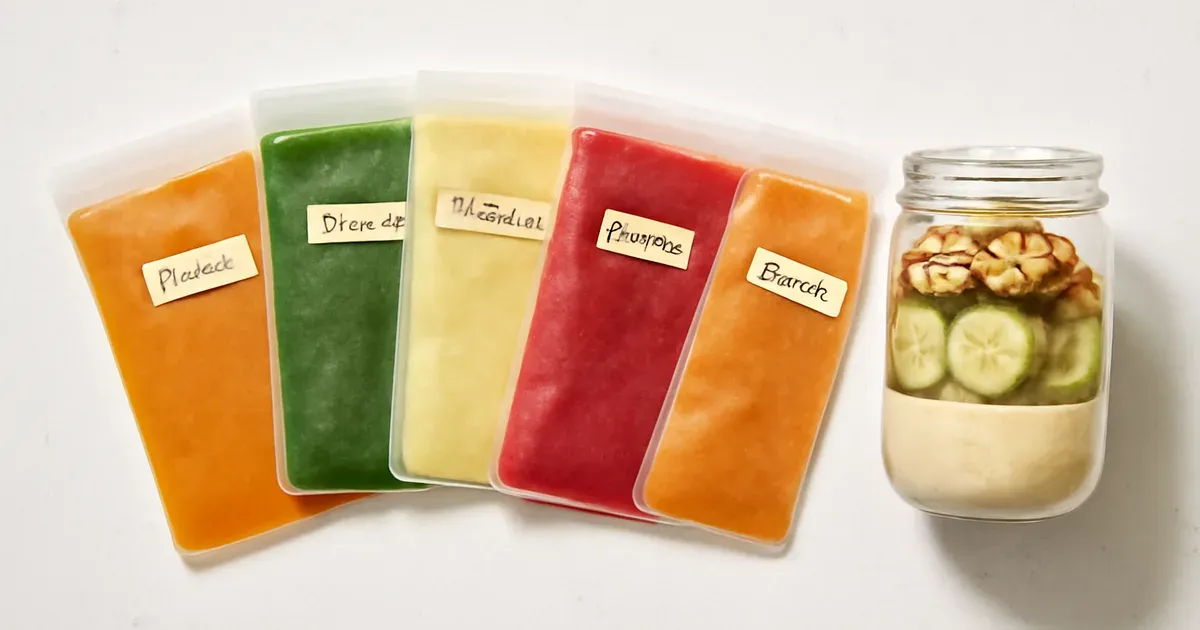
Prepare these in one batch on Sunday alongside your main cooking session. Frozen smoothie packets: portion into zip-lock bags or silicone pouches: one tablespoon of frozen turmeric root or paste, a thumb of frozen ginger, a handful of frozen mango or pineapple (bromelain in pineapple has additional anti-inflammatory properties), a tablespoon of flaxseed, and a pinch of black pepper. Each morning or mid-afternoon, tip one packet into a blender with coconut water or kefir — kefir adds live cultures that colonise your gut microbiome with Lactobacillus strains proven to reduce intestinal permeability. Mason jar snack pots: layer hummus (made from batch-cooked chickpeas), sliced cucumber, and walnuts. Walnuts are uniquely high in ALA and ellagic acid, a polyphenol that gut bacteria convert to the potent anti-inflammatory compound urolithin A.
Pro tip: Add one tablespoon of ground flaxseed to every smoothie packet. Flaxseed's lignans are converted by gut bacteria into enterolignans, which modulate oestrogen metabolism and further dampen systemic inflammation.
What to Expect: Your Week-by-Week Timeline
Change happens in layers — know what to look for. Anti-inflammatory meal prep does not deliver overnight results, but the progression is reliable when you stay consistent.
Week 1 — Logistics and adjustment: Your main win this week is building the habit, not feeling perfect. Some people notice reduced bloating within three to five days as ultra-processed foods are displaced and prebiotic fibre begins shifting the gut bacterial balance. Energy may fluctuate as your microbiome adjusts.
Weeks 2–3 — Gut stabilisation: Beneficial bacteria populations begin to consolidate. Most people report more regular digestion, less mid-afternoon energy crashes, and improved sleep quality — a direct reflection of the gut-brain axis calming down. Inflammation markers like CRP can begin to shift meaningfully within two to three weeks of consistent dietary change, according to published clinical data.
Week 4 and beyond — Systemic benefit: Skin clarity, joint comfort, cognitive sharpness, and mood stability tend to improve as systemic inflammation decreases and the gut-brain feedback loop carries more anti-inflammatory signals upward via the vagus nerve. This is the phase where the habit becomes self-reinforcing because you feel better than you did before.
Mistakes That Slow Your Progress
- Skipping black pepper with turmeric. Without piperine, you absorb only a fraction of curcumin's active compounds. Always pair them.
- Prepping only dinners. Breakfast and snacks are where inflammation-spiking processed foods typically sneak in. Prep all three meal occasions.
- Ignoring fibre diversity. Eating the same vegetables every week narrows your microbiome. Rotate at least two or three new vegetables each Sunday session.
- Using low-quality olive oil. Many supermarket "extra virgin" oils are adulterated with refined oils. Look for a harvest date on the label and a dark glass bottle — light degrades the polyphenols.
- Quitting too early. Gut microbiome shifts measured in research trials typically require four to eight weeks of sustained dietary change. Two weeks of good eating followed by a regression resets most of the progress.
What Can Help You Get There Faster
The right tools turn a good intention into a reliable system.
Storage and organisation: Glass meal-prep containers with locking lids preserve food quality better than plastic and allow you to see exactly what you have prepped without opening every box. Wide-mouth mason jars are indispensable for overnight oats, salads, and snack pots.
Functional ingredients worth investing in: A high-quality extra virgin olive oil with a verified harvest date, a broad-spectrum prebiotic fibre supplement (inulin or partially hydrolysed guar gum) for days when vegetable intake is low, and kefir or a refrigerated multi-strain probiotic to support microbiome reseeding alongside your dietary changes.
Tracking and accountability: A simple weekly meal-planning template — even a handwritten one — has been shown in behavioural research to significantly increase dietary adherence. Pair it with a gut symptom diary: rate bloating, energy, and mood out of ten each day. Within two weeks you will have objective evidence of your own progress, which is the most powerful motivator there is.
Your Anti-Inflammatory Meal Prep Checklist
✅ Pantry stocked with olive oil, turmeric, omega-3 sources, prebiotic grains, and legumes ✅ Sunday batch session completed: proteins, grains, and roasted vegetables prepared ✅ Turmeric-black pepper paste, tahini dressing, and overnight oat jars ready ✅ Rainbow Container Method applied: every meal contains three or more colours ✅ Smoothie packets and mason jar snack pots prepped and frozen or refrigerated ✅ Week-by-week expectations set; gut symptom diary started ✅ Common mistakes noted and actively avoided

Frequently Asked Questions
How long does anti-inflammatory meal prep keep in the fridge?
Most batch-cooked components last four to five days refrigerated in airtight glass containers. Cooked grains and roasted vegetables stay fresh for up to five days. Cooked fish is best consumed within three days. Smoothie packets and soup bases can be frozen for up to three months without meaningful nutrient loss.
Can anti-inflammatory meal prep help with IBS or gut sensitivity?
Yes, with some adjustments. The Mediterranean-style approach used in this guide is naturally high in fermentable fibres (FODMAPs) from legumes and certain vegetables. If you have active IBS, start with lower-FODMAP options — courgette, carrots, firm tofu, and rice — and introduce chickpeas and lentils gradually as your gut microbiome strengthens. The turmeric and ginger components are well-tolerated by most IBS sufferers and may actively reduce gut hypersensitivity.
How does anti-inflammatory eating affect the gut-brain axis?
Directly and measurably. Polyphenols, omega-3 fatty acids, and prebiotic fibres all shift the gut microbiome toward strains that produce short-chain fatty acids — particularly butyrate. Butyrate reduces intestinal permeability, lowers neuroinflammation, and supports serotonin production in the gut (approximately 90 percent of serotonin is produced there). Clinical studies show improvements in mood, anxiety scores, and cognitive function in participants following Mediterranean-style dietary patterns for as little as four weeks.
Is turmeric safe to eat every day?
For most people, yes. Curcumin from dietary turmeric is generally recognised as safe at culinary doses. The typical research dose showing anti-inflammatory effects ranges from 500 mg to 2,000 mg of curcumin per day — roughly one to two teaspoons of turmeric powder. Individuals on blood-thinning medications or with gallbladder conditions should consult a healthcare professional before significantly increasing intake. Always pair with black pepper to maximise absorption.
Do I need to follow the Mediterranean diet strictly for it to work?
No strict adherence is required. Research consistently shows that even partial adoption of Mediterranean eating patterns produces meaningful reductions in inflammatory markers. Aim for the 80/20 principle: follow the framework for approximately 80 percent of your meals, and allow flexibility for the remaining 20 percent. The key is consistency over weeks and months — not perfection within any single day.