April 15, 2026 News Roundup: Gut Health and the Mind
From the gut-brain axis to childhood nutrition and learning, today's stories reveal how deeply diet shapes mental health and cognition.


On Wednesday, April 15, 2026, two compelling stories converged around a single powerful idea: what you eat shapes not just your body, but your brain. From the trillions of microbes living in your digestive tract to the breakfast a child eats before their first lesson of the day, the gut-brain axis is emerging as one of the most consequential frontiers in health and education science. Researchers, nutritionists, and educators are all arriving at the same conclusion — the stomach and the mind are far less separate than we once believed. Here's what caught our attention.
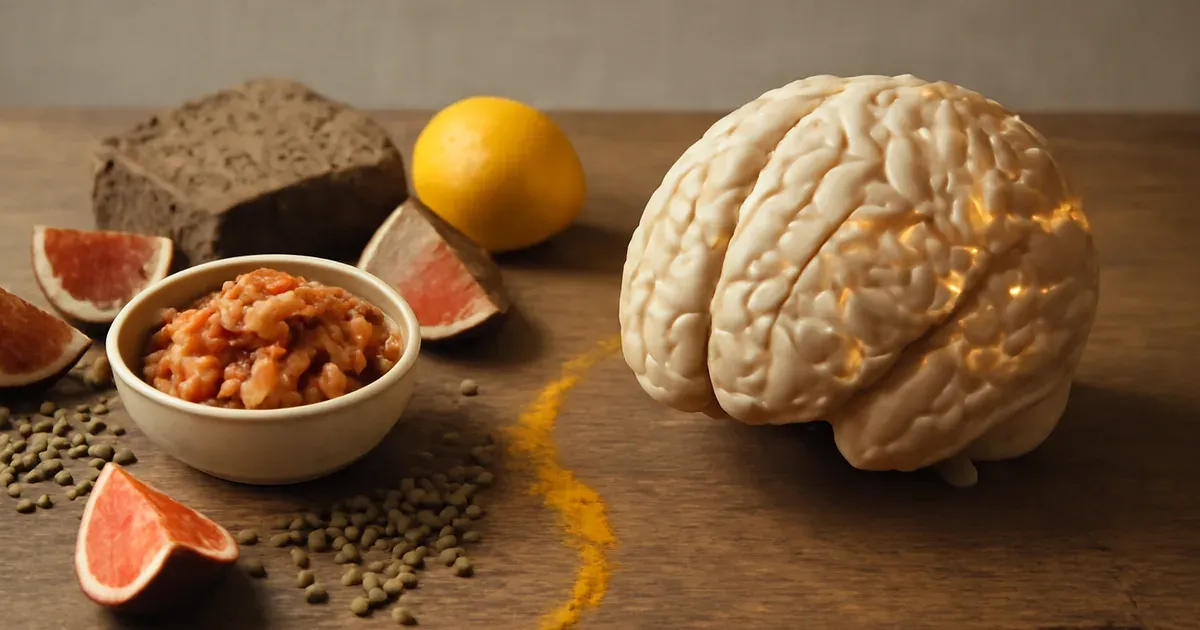
Gut Health: Tips, Myths, and the Gut-Brain Connection
Scientists are reframing how we understand mental health by placing the gut — and its vast microbial ecosystem — at the centre of the conversation. Inside the digestive system live trillions of bacteria, viruses, and fungi collectively known as the microbiome; when this "inner garden" is diverse and thriving, it supports calm, focus, and emotional stability. Researchers are actively working through what they call the "chicken or the egg" problem: does a troubled gut cause a troubled mood, or does stress damage the gut first? Evidence increasingly suggests both directions are true simultaneously. A weakened gut lining — sometimes called "leaky gut" or intestinal permeability — can allow inflammation to travel toward the brain, disrupting thought and feeling. The practical upshot for readers is that personalised nutrition plans tailored to an individual's specific microbiome may soon become a standard tool in mental health care.
Sources: morningsun.net, ourculturemag.com, huffingtonpost.co.uk, pnmmedia.com, fitbyzara.com, wdbj7.com, hindustantimes.com, medicaldialogues.in
How Nutrition Impacts Learning in Early Childhood Education
A growing body of evidence is urging early childhood educators to treat nutrition as an educational tool, not an administrative routine. Skipping breakfast, the research shows, has measurable consequences for a young child's focus and memory recall — making what happens before the first lesson as important as the lesson itself. Iron deficiency, one of the most prevalent nutritional shortfalls in young children, reduces dopamine production in the brain, directly impairing motivation and sustained attention; crucially, these effects are frequently misread by teachers as behavioural problems rather than physiological ones. Meanwhile, diets rich in fibre, fermented foods, and diverse plant materials support a healthy microbiome that in turn influences serotonin synthesis and mood regulation — factors that shape how ready a child is to learn. For parents and educators alike, the takeaway is actionable: treating the lunchbox and the morning meal with the same seriousness as the curriculum could meaningfully shift classroom outcomes.
Source: elmens.com
Today's Takeaway
Today's stories share a quiet but urgent message: the gut is not a passive digestive vessel — it is an active participant in how we think, feel, and learn. Whether you are an adult managing stress and mood or a parent choosing what to pack for a four-year-old's snack, the quality and diversity of food in the gut has measurable consequences upstream in the brain. The science is pointing toward a future where nutrition is prescribed with the same precision as medicine, and where schools treat a well-fed child as the starting point for education, not a bonus.