Breathwork & Gut Health: Your Biggest Questions Answered
Discover how breathwork supports gut health and the gut-brain connection. Evidence-based techniques for UK adults to improve digestion and reduce stress natural


Breathwork & Gut Health: Your Biggest Questions Answered
If you've ever noticed your digestion going haywire during a stressful week, you're not imagining it. The relationship between your breath, your nervous system, and your gut is surprisingly direct — and it's backed by a growing body of science. Many people in the UK are now looking beyond diet alone to improve gut health naturally. This guide answers the questions people are genuinely searching for, so you can take confident, evidence-based steps towards better gut health.
Jump to your question:
What is the gut-brain connection and why does it matter?
How does stress affect gut health and the microbiome?
What is breathwork and how does it support digestion?
Which breathwork techniques are best for gut health?
Breathwork vs. other stress-relief methods for gut health — which works best?
Can breathwork improve the gut microbiome directly?
How do I build a daily breathwork routine for gut health?
Should I combine breathwork with gut-friendly foods or live cultures?
What is the gut-brain connection and why does it matter?
The gut-brain connection is the two-way communication highway between your digestive system and your brain, operating primarily through the vagus nerve and a network of hormones, immune signals, and neurotransmitters. Far from being a one-way street, messages travel in both directions: your brain influences your gut, and your gut influences your brain.
This axis is sometimes called the gut-brain axis, and UK microbiome research has placed it firmly at the centre of modern health science. Researchers at King's College London and the University of Reading have explored how gut bacteria produce neurotransmitters — including around 90% of the body's serotonin — that shape mood, cognition, and stress responses.
For gut health in the UK, this matters enormously. Conditions like irritable bowel syndrome (IBS), which affects an estimated one in five people in the UK according to the NHS, are now understood to involve disrupted gut-brain signalling as much as they involve the gut itself.
Key points:
- The vagus nerve is the primary physical channel of gut-brain communication.
- Gut bacteria directly produce mood-regulating neurotransmitters.
- Psychological stress can trigger physical digestive symptoms — and vice versa.
- NHS pathways for IBS increasingly recommend psychological and lifestyle interventions alongside dietary changes.
How does stress affect gut health and the microbiome?
Chronic stress has a measurable, damaging effect on gut health and the diversity of the gut microbiome. When the body perceives a threat — whether a looming work deadline or a genuine emergency — the nervous system triggers the fight-or-flight response, releasing cortisol and adrenaline.
This stress response diverts blood and energy away from digestion. Gut motility slows or becomes erratic, the gut lining becomes more permeable (sometimes called "leaky gut"), and the balance of bacterial species in the microbiome shifts. Research from the British Gut Project, one of the largest citizen science microbiome studies in the UK, has highlighted how lifestyle stressors are associated with reduced microbial diversity — a marker consistently linked to poorer health outcomes.
Specific ways chronic stress disrupts gut health include:
- Reducing populations of beneficial bacteria such as Lactobacillus and Bifidobacterium.
- Increasing intestinal permeability, allowing bacteria and toxins to enter the bloodstream.
- Slowing gut motility, contributing to constipation, or accelerating it, causing loose stools.
- Triggering low-grade inflammation throughout the digestive tract.
For people trying to improve gut health naturally in the UK, managing stress is not optional — it is foundational.
What is breathwork and how does it support digestion?
Breathwork refers to deliberate breathing techniques used to shift the nervous system from a stressed, fight-or-flight state into a calm, parasympathetic "rest-and-digest" state. Unlike many wellness interventions, breathwork is free, requires no equipment, and can be practised anywhere.
The parasympathetic nervous system — specifically vagal activation — is responsible for signalling the body that it is safe to prioritise digestion, nutrient absorption, and gut repair. Slow, deep breathing directly stimulates vagal tone, increasing this parasympathetic activity.
When you breathe slowly and deeply, several digestive benefits follow:
- Increased blood flow to the digestive organs.
- Improved gut motility — the rhythmic contractions that move food through the intestines.
- Reduced cortisol, which in turn lessens gut inflammation.
- A measurable reduction in bloating and digestive discomfort reported in clinical studies.
For context, NICE (the National Institute for Health and Care Excellence) recommends relaxation and breathing techniques as part of its guidance on managing IBS in the UK — a meaningful endorsement from within the NHS framework.
Which breathwork techniques are best for gut health?
Three breathwork techniques are particularly well-supported for improving digestion and calming the gut-brain axis: diaphragmatic breathing, 4-7-8 breathing, and humming breath (also called bee breath or Bhramari). Each targets the parasympathetic nervous system through slightly different mechanisms.
1. Diaphragmatic Breathing (Deep Tummy Breathing) This is the most fundamental technique and the one most directly supported by research on gut motility.
- Place one hand on your chest and one on your tummy.
- Inhale through your nose, allowing your tummy to rise — not your chest.
- Exhale slowly through your mouth, feeling your tummy fall.
- Repeat for 5–10 breaths.
Diaphragmatic breathing increases oxygen delivery to gut tissue, relaxes smooth muscle in the digestive tract, and has been shown to reduce symptoms in people with functional gastrointestinal disorders.

2. 4-7-8 Breathing (Relaxation Breath) Developed from pranayama traditions and popularised in clinical wellness settings, this technique is especially effective before meals.
- Inhale through your nose for 4 seconds.
- Hold your breath for 7 seconds.
- Exhale slowly through your mouth for 8 seconds.
- Repeat for 3–4 rounds.
The extended exhale phase is key — it maximises vagal activation and lowers heart rate, preparing the body for optimal digestion.
3. Humming Breath (Bee Breath) Humming on the exhale creates gentle vibrations that directly stimulate the vagus nerve along its course through the throat and chest.
- Inhale deeply through your nose.
- Exhale whilst making a soft, sustained humming sound.
- Feel the vibration in your throat, chest, and upper abdomen.
- Continue for 1–2 minutes.
Vagal stimulation through humming has attracted interest in UK microbiome research circles as a non-pharmacological way to modulate the gut-brain connection.
Breathwork vs. other stress-relief methods for gut health — which works best?
No single stress-relief method is universally superior for gut health, but breathwork stands out for its immediacy, accessibility, and direct physiological effect on the vagus nerve. Comparing the most commonly recommended approaches helps clarify when each is most useful.
| Method | Mechanism | Gut-specific benefit | Accessibility in UK |
|---|---|---|---|
| Breathwork | Vagal nerve activation, cortisol reduction | Improves motility, reduces bloating | Free, no referral needed |
| Mindfulness / meditation | Reduces amygdala reactivity, lowers cortisol | Reduces IBS symptom severity | Apps, NHS IAPT programmes |
| Exercise (moderate) | Increases microbial diversity, reduces inflammation | Improves microbiome UK diversity | GP can refer via social prescribing |
| Cognitive Behavioural Therapy (CBT) | Reframes stress response | NICE-recommended for IBS | Available via NHS IAPT |
| Gut-directed hypnotherapy | Calms gut-brain axis signalling | Strong evidence for IBS | Some NHS provision, private cost varies |
Breathwork's advantage is that it acts within minutes and can be combined with any other approach. It requires no referral, no cost, and no special environment — making it an ideal first step for anyone looking to improve gut health naturally in the UK.

Can breathwork improve the gut microbiome directly?
Breathwork does not directly alter gut bacteria in the way that diet or probiotics do, but it creates physiological conditions in which the microbiome is more likely to thrive. This is an important distinction for anyone interested in UK microbiome research and evidence-based gut care.
Chronic stress suppresses populations of beneficial bacteria and increases pathogenic species. By consistently reducing cortisol through breathwork, you reduce one of the primary environmental pressures that causes microbial imbalance. Research from University College London and Imperial College London has explored how stress-reduction interventions correlate with measurable improvements in gut microbiome diversity over time.
What the evidence currently supports:
- Reducing chronic stress via breathing techniques is associated with higher microbial diversity.
- Lower cortisol levels are linked to stronger populations of Lactobacillus and Bifidobacterium.
- Improved gut motility (a direct breathwork benefit) creates a healthier intestinal environment for bacterial colonisation.
- Breathwork is best viewed as a supportive tool alongside dietary diversity — not a standalone microbiome intervention.
For a rounded approach to NHS gut health advice, combine breathwork with a fibre-rich diet in line with the UK Eatwell Guide, which recommends 30g of fibre per day — a target most British adults fall short of.
How do I build a daily breathwork routine for gut health?
A consistent, simple daily breathwork routine — taking as little as 10 minutes — can meaningfully support digestion, reduce stress, and contribute to a healthier gut microbiome over time. Consistency matters more than duration.
Suggested daily structure:
- Morning (2–3 minutes): Begin with diaphragmatic breathing before you reach for your phone. This sets a calm parasympathetic tone for the day, priming your digestive system.
- Before meals (1–2 minutes): Practise 4-7-8 breathing. Eating in a stressed state suppresses digestive enzyme production and reduces nutrient absorption. A few rounds of 4-7-8 breathing before sitting down to eat can improve digestion meaningfully.
- Evening (3–5 minutes): Wind down with humming breath. Stimulating the vagus nerve in the evening supports overnight gut repair processes and helps regulate the gut-brain connection during sleep.
If you are new to breathwork, start with just one technique — diaphragmatic breathing — for one week before adding others. Small, sustainable habits are more effective than ambitious routines that are abandoned.
Should I combine breathwork with gut-friendly foods or live cultures?
Combining breathwork with a gut-supportive diet and live cultures creates a more comprehensive approach to gut health than either strategy alone. The British Dietetic Association (BDA) consistently emphasises that gut health is multifactorial — no single intervention is sufficient.
Live cultures (found in fermented foods such as kefir, yoghurt, sauerkraut, and specialist gut health products) help maintain and restore microbial balance. When the nervous system is calm — as breathwork helps achieve — the gut is better able to absorb nutrients and support the colonisation of beneficial bacteria.
Practical pairing suggestions:
- Eat slowly and chew thoroughly — rushed eating triggers the stress response even in the absence of psychological stress.
- Practise 4-7-8 breathing before consuming fermented foods or live culture products to maximise absorption.
- Follow British Nutrition Foundation guidance on dietary diversity: aim for 30 different plant foods per week to support microbiome UK diversity.
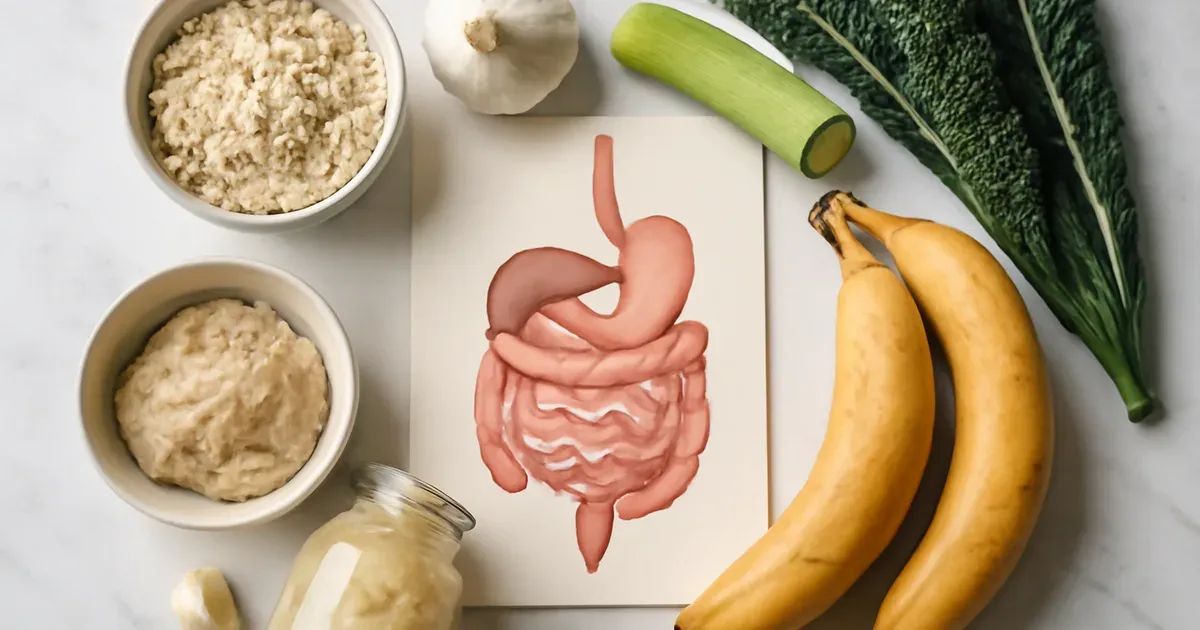
- Incorporate prebiotic-rich foods (garlic, onions, leeks, oats, bananas) alongside live cultures for a synbiotic effect.
Products containing live cultures — such as dairy-free gut health shots or gut health powders — can complement breathwork as part of a holistic routine. The key is pairing physiological calm with nutritional support for the best outcome.

Frequently Asked Questions
How quickly does breathwork affect digestion? Diaphragmatic breathing can shift the nervous system towards parasympathetic dominance within 2–3 minutes, with measurable reductions in heart rate and cortisol. Digestive benefits such as reduced bloating are often noticed after consistent practice over 1–2 weeks.
Is breathwork safe for everyone? Most breathwork techniques are safe for healthy adults. However, people with respiratory conditions, cardiovascular conditions, or anxiety disorders should consult their GP before beginning breath-holding techniques such as 4-7-8. If you are under NHS care for a digestive condition, discuss breathwork with your gastroenterologist or dietitian.
Can breathwork help with IBS specifically? Yes. NICE guidance for IBS in the UK includes relaxation and breathing exercises as recommended self-management strategies. Clinical evidence supports diaphragmatic breathing in particular as a tool to reduce IBS symptom severity, likely through its effect on the gut-brain axis and gut motility.
Does the NHS recommend breathwork for gut health? The NHS does not prescribe breathwork specifically for gut health, but NICE-approved IBS guidelines include breathing and relaxation techniques. NHS IAPT (Improving Access to Psychological Therapies) programmes also incorporate mindfulness and relaxation strategies that overlap significantly with breathwork.
How does breathwork fit into NHS gut health advice? NHS gut health advice centres on dietary fibre, hydration, physical activity, and stress management. Breathwork sits firmly within the stress management pillar and complements dietary guidance — it is a practical, evidence-informed tool that any GP would be unlikely to discourage.
The Bottom LineThe gut-brain connection is real and well-evidenced — stress directly disrupts digestion and the microbiome.Breathwork activates the parasympathetic nervous system, creating conditions for better digestion and microbial balance.Three techniques — diaphragmatic, 4-7-8, and humming breath — are the most practical for daily gut health support.Consistency beats intensity: 5–10 minutes of daily breathwork yields more benefit than occasional long sessions.Combine breathwork with dietary diversity, fibre, and live cultures to improve gut health naturally in the UK as part of a rounded lifestyle approach.
This article is for informational purposes only and does not constitute medical advice. Always consult your GP or a registered healthcare professional if you have concerns about your digestive health.
You might also like
- Xylitol Chewing Gum: Good for Teeth and Gut Health
- How to Train for Your Body Type & Gut Health
- 7 Ways to Boost GLP-1 Naturally for Gut Health
96 Bacterial Strains. Two Shots a Day.
GOODIE is an award-winning fermented drink with 96 live bacterial strains — more than any yogurt or kombucha — never pasteurised, clinically tested, and 8 in 10 users felt less bloating within 14 days. Curious?