How to Snack on Low FODMAP Without Gut Flare-Ups
Learn how to build satisfying low FODMAP snacks in the UK without triggering IBS flare-ups — practical steps, pantry lists, and gut health science.

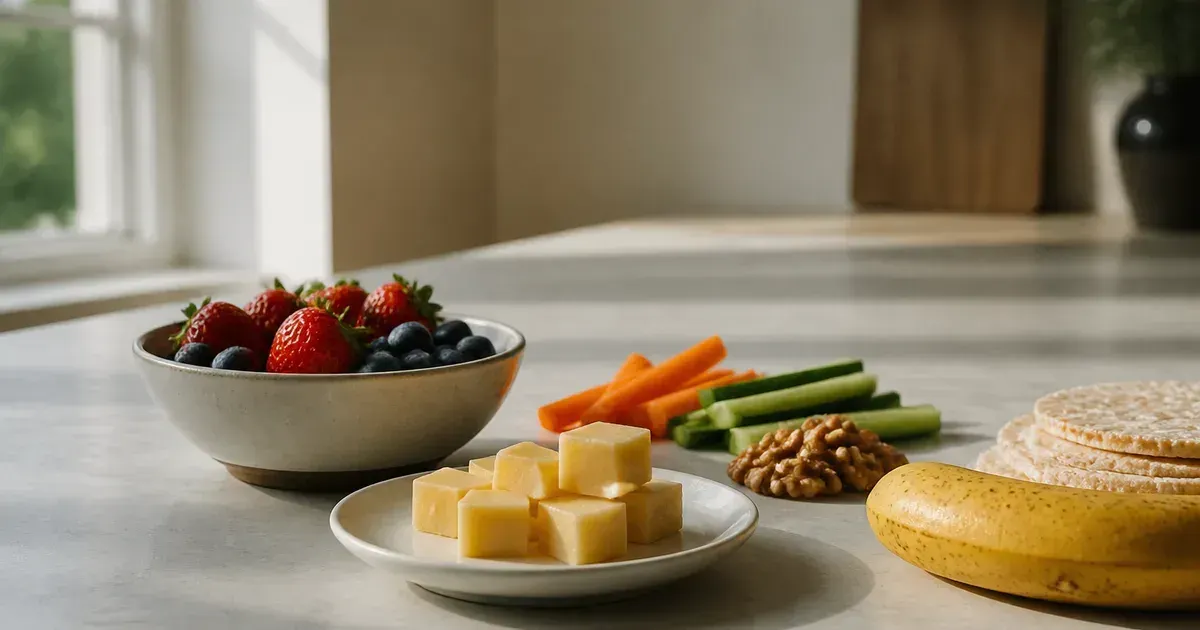
You are standing in the kitchen, stomach gurgling, wondering whether anything in the cupboard is actually safe to eat. You have been trying to follow the low FODMAP protocol to manage your IBS symptoms, but snack time feels like a minefield. That rice cake looks fine — until you spot "inulin" buried in the ingredients. Sound familiar?
Many people in the UK living with IBS find that the elimination phase of the low FODMAP diet delivers real relief, but sustaining it between meals is where the wheels come off. Hunger creeps in, options feel impossibly limited, and the temptation to grab whatever is nearby — high FODMAP or not — becomes overwhelming.
This guide changes that. In the next few minutes, you will have a clear, practical system for building satisfying low FODMAP snacks that protect your gut, support your microbiome, and keep your energy steady throughout the day — without the anxiety of a flare-up.
Why Gut Flare-Ups Happen During Snack Time in the First Place
The gut-brain connection plays a bigger role in IBS than many people realise. Stress, irregular eating patterns, and the anxiety of choosing "wrong" foods can all amplify gut sensitivity through the gut-brain axis — the two-way communication network linking your digestive tract to your central nervous system. Skipping snacks and arriving at meals ravenously hungry can spike cortisol, which in turn ramps up gut motility and discomfort.
FODMAPs themselves are fermentable carbohydrates — Fermentable Oligo-, Di-, and Monosaccharides And Polyols — that are poorly absorbed in the small intestine. When they reach the colon, gut bacteria ferment them rapidly, producing gas and drawing water into the bowel. The result: bloating, cramping, loose stools, or constipation depending on your individual microbiome profile.
Portion size is the overlooked culprit. FODMAP intolerance is dose-dependent. Even foods classified as low FODMAP can trigger symptoms if you eat several servings in one sitting, because the total FODMAP load accumulates in the digestive tract. A handful of almonds is fine; three handfuls eaten quickly is a different story.
Common snack-time triggers include:
- Honey and agave in "healthy" snack bars
- Onion or garlic powder hidden in savoury snacks and crisps
- Inulin or chicory root fibre added to protein bars as a prebiotic
- Sugar alcohols (sorbitol, mannitol, xylitol) in sugar-free sweets and chewing gum
- Wheat-based crackers and oat bars made with high-gluten grains
Step 1: Audit Your Snack Cupboard for Hidden FODMAPs
The first step is a label audit — and it is more urgent than it sounds. Research into UK dietary habits consistently finds that ultra-processed snacks contain multiple hidden FODMAP ingredients that most consumers never notice. Knowing what to look for transforms a confusing ingredient list into something manageable.
Turn over every packet in your snack drawer and scan for the following high FODMAP red flags: honey, agave, high-fructose corn syrup, sorbitol, mannitol, xylitol, isomalt, inulin, chicory root, garlic powder, onion powder, wheat flour, rye, and fruit juice concentrates. If any of these appear — even low on the ingredients list — that product is likely to contribute to your FODMAP load.
Remove anything that contains these ingredients and set it aside. This is not about deprivation; it is about creating a snack environment where every option available to you is genuinely safe. The British Dietetic Association (BDA) recommends working with a registered dietitian during the elimination phase to ensure you do not inadvertently cut out nutrients alongside the triggers.
Pro tip: Photograph every label before discarding packaging. Building a personal "no" list on your phone means you will never spend ten minutes re-reading the same offending product at the supermarket.

Step 2: Build a Low FODMAP Snack Pantry From Scratch
Once the cupboard is clear, it is time to restock with intention. A well-stocked low FODMAP snack pantry means you will never be caught hungry with nothing safe to eat — which is exactly when gut-brain stress loops kick in and make symptoms worse.
Start with these core categories:
Fruits (with portion control):
- Strawberries (5 medium)
- Blueberries (up to 1 cup)
- Unripe banana (1 small)
- Clementines, kiwifruit, oranges
- Pineapple — fresh, 1 cup
- Raspberries and grapes (up to a small handful)
Nuts (portion-dependent):
- Almonds — 10 nuts
- Peanuts — up to 32 nuts
- Walnuts — 10 halves
- Macadamia — 20 nuts
- Pecans — 10 halves
- Brazil nuts — 10 nuts
- Avoid cashews and pistachios entirely during the elimination phase
Vegetables for dipping:
- Carrot sticks and cucumber slices (unlimited)
- Red or green bell pepper strips
- Broccoli florets (up to ¾ cup)
- Courgette (up to ⅓ cup)
- Radishes
Pantry staples:
- Corn tortillas (check for wheat-free labelling)
- Rice crackers and oatcakes (plain, no onion or garlic seasoning)
- Canned tuna in spring water
- Hard cheeses — cheddar, havarti (lactose is very low in aged cheeses)
- Peanut butter (100% peanuts, no honey or high-fructose corn syrup added)
A well-designed snack pantry supports your microbiome health, even on a restricted diet. Including a variety of low FODMAP plant foods — different coloured vegetables, mixed fruits, and varied nuts — ensures your gut bacteria receive a range of substrates rather than a monotonous input.
Step 3: Use the "Two Food Groups" Rule to Build Satisfying Snacks
Hunger returns quickly when snacks are built on a single food group. A handful of blueberries alone will spike blood sugar and leave you hungry within the hour. The goal is always to pair at least two food groups: a carbohydrate with a source of protein, healthy fat, or both.
This pairing principle keeps you satisfied longer, reduces the urge to oversnack (which, as we noted, risks accumulating a high FODMAP load), and helps stabilise blood glucose — something that indirectly supports a calmer gut-brain axis by preventing the cortisol spikes associated with energy crashes.
Try these balanced low FODMAP snack combinations:
- Rice crackers + cheddar + cucumber slices
- Unripe banana + a tablespoon of peanut butter
- Carrot and pepper sticks + a FODMAP-friendly dip (see below)
- Strawberries + a small handful of walnuts
- Hard-boiled egg + a few plain rice crackers
- Turkey slices + havarti cheese rolled in a corn tortilla
- Plain popcorn (air-popped, no seasoning) + a small peanut serving
- No-bake energy bites made from oats, peanut butter, and maple syrup
The gut-brain connection benefit here is real: eating balanced, satisfying snacks at regular intervals reduces the stress-driven eating patterns that the gut-brain axis picks up on. Research from King's College London and the British Gut Project has highlighted how erratic eating patterns negatively affect microbiome diversity — a key marker of gut health in the UK population.
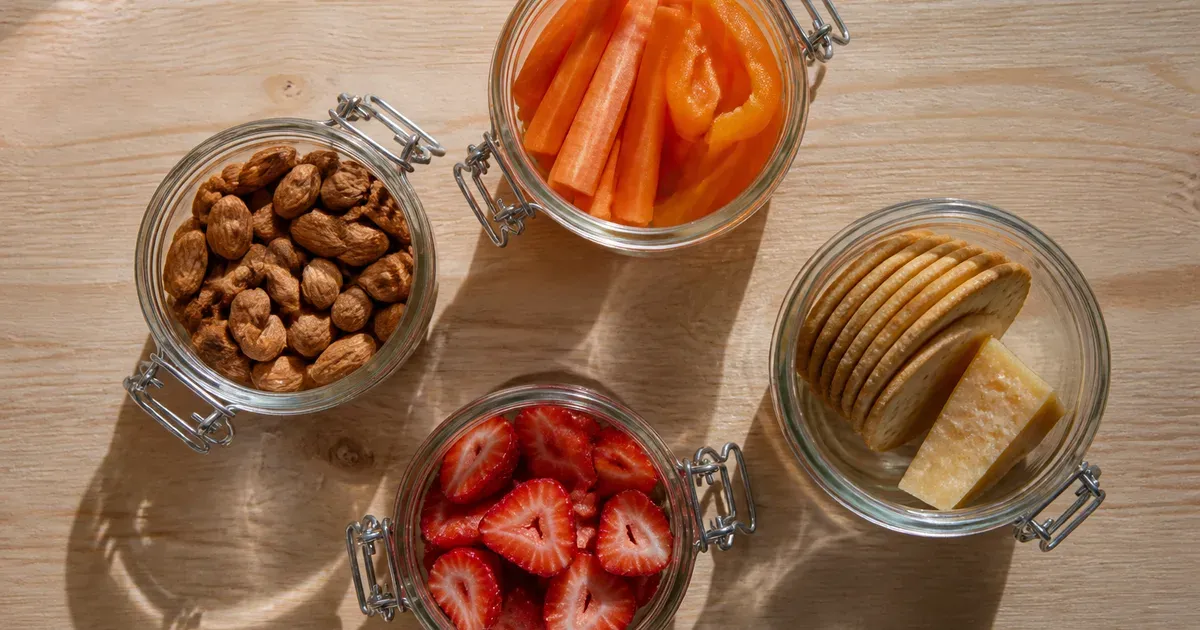
Pro tip: Prepare snack "packs" at the start of each week — portion nuts into small containers, pre-cut your vegetables, and keep hard-boiled eggs in the fridge. Decision fatigue is the enemy of compliance on any elimination diet.
Step 4: Choose Packaged Snacks and Bars That Pass the FODMAP Test
Convenience matters — especially for anyone managing a busy schedule while also navigating IBS. The good news is that a growing number of packaged snack products are formulated specifically to be low FODMAP friendly, and several are available in the UK.
When choosing any packaged snack bar or product, apply the same label audit from Step 1. Even bars marketed as "healthy" or "natural" frequently contain honey, inulin, chicory root fibre, or high-fructose corn syrup. Look for bars that use maple syrup or rice syrup as a sweetener, are grain-free or use certified gluten-free oats, and contain no fruit juice concentrates.
Brands worth investigating (availability varies in the UK — check health food retailers and online):
- FODY Foods: All their bars are specifically certified low FODMAP
- 88 Acres: Some flavours, particularly the Dark Chocolate & Sea Salt seed bar, are low FODMAP friendly
- Go Macro: Several flavours pass, including Protein Pleasure and Prolonged Power — always verify the specific flavour
- Bobo's Oat Bars: Plain flavours using certified gluten-free oats
A note on "gut health" marketing: Many products now trumpet their prebiotic or probiotic content as a selling point. During the FODMAP elimination phase, both prebiotics (inulin, fructooligosaccharides) and certain probiotic strains in supplement form may cause digestive discomfort. The NHS advises caution with any supplement-added functional food during active IBS management — always check with a registered dietitian before adding these in.
Step 5: Manage Portion Sizes and FODMAP Stacking
FODMAP stacking is one of the most common — and least discussed — reasons people continue to experience symptoms even when every individual food they eat appears to be low FODMAP. Because FODMAP intolerances are dose-dependent, eating multiple "safe" portion sizes of different moderate-FODMAP foods within a short window can push your total intake over your personal threshold.
A 2016 review published in Clinical and Experimental Gastroenterology found that up to 86% of IBS patients following the low FODMAP diet experienced overall improvement in symptoms including bloating, pain, and altered bowel habits — but this relied on strict adherence to both food choices and portion guidance.
To avoid stacking:
- Space snacks at least 2–3 hours apart from meals
- Eat one serving of a moderate-FODMAP food at a time — do not combine two portions
- Keep a simple food and symptom diary using an app or notebook for the first two to three weeks
- If symptoms persist despite correct food choices, revisit your portion sizes before assuming the diet is not working
Your microbiome composition also influences your threshold. UK microbiome research, including work from the British Gut Project and the University of Reading, has shown that individuals with lower microbial diversity tend to have heightened sensitivity to fermentable carbohydrates. This is a reminder that the low FODMAP diet is a temporary diagnostic tool — not a permanent solution. Reintroducing foods methodically after the elimination phase is essential for long-term microbiome health in the UK and globally.

What to Expect: A Week-by-Week Timeline
Week 1–2 — Elimination and adjustment. The first fortnight is the steepest learning curve. Focus on the cupboard audit, pantry restock, and getting comfortable with the "two food groups" rule. Some people notice symptom improvement within days; for others, it takes the full two weeks. Fatigue and mild frustration are normal.
Week 3–4 — Confidence building. Snack routines start to feel more natural. You will have identified your reliable go-to combinations and can begin experimenting with new recipes — no-bake energy bites, homemade trail mix, or vegetable sticks with a FODMAP-friendly tahini dip.
Week 6 onwards — Reintroduction phase. The NHS and BDA both recommend that the elimination phase last no longer than 4–8 weeks before structured reintroduction begins. This phase is where the real microbiome work happens: identifying your personal triggers while gradually diversifying your diet to restore gut bacterial diversity. Long-term restriction, as Harvard Health has noted, can reduce the fermentable substrates available to beneficial gut bacteria — so reintroduction is not optional.
Mistakes That Slow Your Progress
- Ignoring portion sizes on "safe" foods. Ten almonds is low FODMAP; a full bag is not. Measure until you have a reliable eye for portions.
- Forgetting to check every label every time. Manufacturers change recipes without warning. A product that was safe three months ago may now contain inulin.
- Staying in elimination phase too long. Beyond 8 weeks, restriction risks nutrient deficiencies and reduced microbiome diversity — both of which worsen long-term gut health.
- Skipping snacks entirely. Arriving at meals ravenously hungry leads to faster eating, larger portions, and greater FODMAP load in a single sitting.
- Assuming all "free from" or "gut health" products are FODMAP safe. Gluten-free does not mean low FODMAP. Many free-from products contain apple, pear, or high-fructose ingredients.
- Not tracking symptoms alongside food. Without a diary, it is very difficult to pinpoint individual triggers during the reintroduction phase.
What Can Help You Get There Faster
Specialist FODMAP-certified food brands. Products certified by Monash University (the institution that developed the low FODMAP diet) carry a certified logo. FODY Foods is the most widely available FODMAP-certified brand in the UK, covering dressings, bars, and sauces — all validated to contain safe FODMAP levels per serving.
The Monash FODMAP App. This is the gold-standard tool for UK users navigating the diet. It provides portion-specific FODMAP ratings for hundreds of foods, including UK supermarket staples, and is updated as new research emerges. A one-off purchase gives you ongoing access.
Working with a FODMAP-trained dietitian. The BDA maintains a directory of registered dietitians in the UK with specialist IBS and FODMAP training. Professional guidance significantly improves both adherence and the quality of the reintroduction phase — protecting your long-term microbiome health in ways that self-guided elimination cannot replicate.
Quick-Reference Summary: Your Low FODMAP Snacking System
✅ Audit your snack cupboard and remove all hidden FODMAP ingredients ✅ Restock with low FODMAP fruits, nuts (in correct portions), vegetables, hard cheeses, and rice-based staples ✅ Always pair at least two food groups per snack (carbohydrate + protein or fat) ✅ Check packaged bars and snacks for honey, inulin, chicory, and sugar alcohols ✅ Respect portion sizes — FODMAP stacking is a real and common trigger ✅ Keep a food and symptom diary for the first three to four weeks ✅ Begin reintroduction no later than 8 weeks after elimination ✅ Use the Monash FODMAP App and consult a BDA-registered dietitian for best results
Managing IBS through the low FODMAP diet takes patience, but snack time does not need to be a source of stress. With a stocked pantry, a reliable pairing strategy, and an eye for hidden ingredients, you can eat between meals confidently — protecting both your gut and the gut-brain connection that influences how you feel every single day. Start with one step today: the cupboard audit. Everything else follows from there.
You might also like
- How to Improve Gut Health Naturally in 6 Steps
- How to Improve Your Oral Microbiome for Gut Health
- 7 Gut Health Habits Transforming Your Microbiome
Frequently Asked Questions
Is the low FODMAP diet available through the NHS in the UK?
Yes — NHS dietetic services do offer low FODMAP guidance, particularly through gastroenterology and primary care pathways for people with diagnosed IBS. Availability varies by region. Your GP can refer you to a registered dietitian, or you can access a FODMAP-trained dietitian privately through the BDA's "Find a Dietitian" directory. The NHS recommends against self-managing the diet without professional support due to the complexity of the elimination and reintroduction phases.
How long should I stay on the low FODMAP elimination diet?
The elimination phase should last no longer than 4–8 weeks. Both the NHS and the British Dietetic Association advise against prolonged restriction. Staying in elimination beyond this window risks reducing the diversity of your gut microbiome, as beneficial bacteria lose access to the fermentable substrates they rely on for energy. The reintroduction phase is essential — not optional.
Can I eat oats on a low FODMAP diet in the UK?
Plain, certified gluten-free oats in moderate portions (up to ½ cup dry) are considered low FODMAP according to Monash University guidance. Standard supermarket porridge oats are not certified gluten-free and may be cross-contaminated with wheat. For UK shoppers, brands such as Nairn's offer gluten-free oat products widely available in major supermarkets. Always check labelling for added ingredients.
Will the low FODMAP diet damage my gut microbiome?
Temporary elimination is unlikely to cause permanent harm, but long-term restriction has been associated with reduced microbial diversity in research published by UK and international groups. The British Gut Project data supports the view that a wider variety of plant foods correlates with greater microbiome diversity. This is why structured reintroduction — gradually adding foods back — is a critical part of the protocol, not an afterthought.
What is the easiest low FODMAP snack I can make in under five minutes?
A rice cracker topped with cheddar and cucumber slices is arguably the quickest and most accessible low FODMAP snack available in the UK. It covers two food groups (carbohydrate and protein/fat), requires zero cooking, and all ingredients are readily available in UK supermarkets. For something sweeter, a small banana with a tablespoon of 100% peanut butter (no added honey) works equally well.
96 Bacterial Strains. Two Shots a Day.
GOODIE is an award-winning fermented drink with 96 live bacterial strains — more than any yogurt or kombucha — never pasteurised, clinically tested, and 8 in 10 users felt less bloating within 14 days. Curious?