7 Gut Health Habits Transforming Your Microbiome
Discover 7 evidence-based habits to improve gut health naturally, backed by NHS guidance and UK microbiome research. Start transforming your gut today.

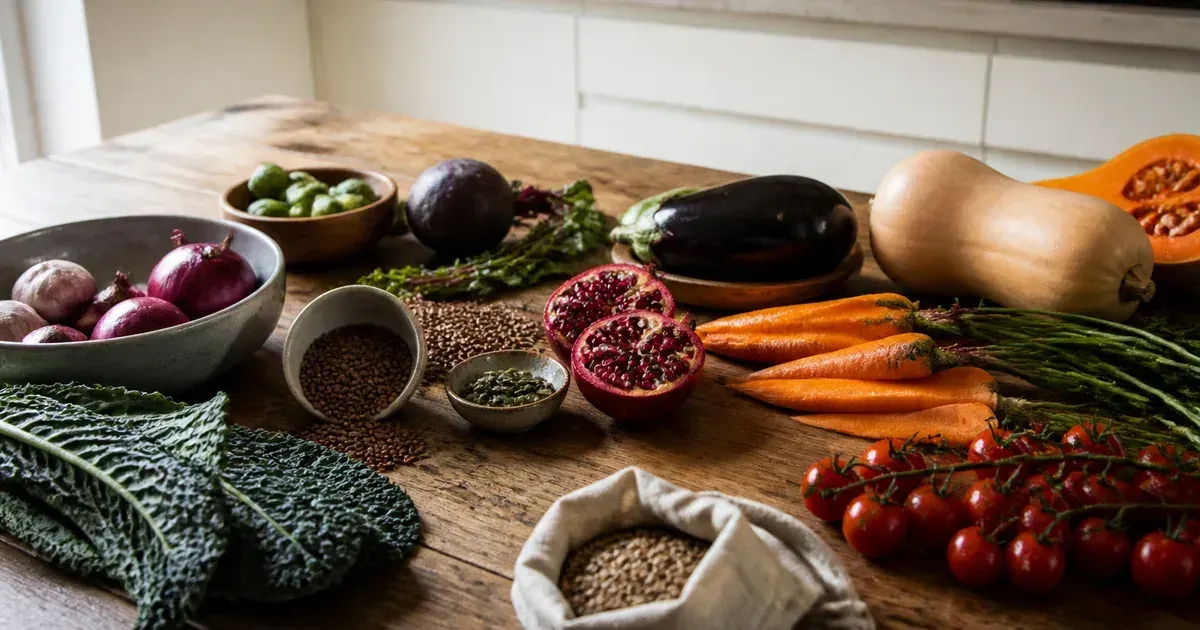
Bloating after meals. Sluggish digestion. Brain fog that follows you into the afternoon. If any of these sound familiar, your gut microbiome may be trying to tell you something. The trillions of bacteria, fungi, and other microbes living in your intestines influence far more than digestion — they shape your immune system, your appetite, and even your mood through the gut-brain connection. The good news? Science shows you can start shifting things in the right direction within days.
Research confirms that the gut microbiome responds to lifestyle change remarkably quickly. Clinician-scientist Dr Sunni Patel notes that microbiome improvement is "a worthy investment" and that "you can never be too young or too old" to begin — making now the perfect moment to act.
1. Eat 30 Different Plants Every Week
Plant diversity is the single most powerful dietary lever for gut health, according to current microbiome science. Vegetables, fruits, beans, seeds, nuts, and wholegrains all contain the fermentable fibre that your gut microbes feed on and thrive with. Research from the British Gut Project — a collaboration partly led by Professor Tim Spector at King's College London — found that people who ate 30 or more different plant foods per week had significantly more diverse gut microbiomes than those eating 10 or fewer.
Dr Megan Rossi, known as The Gut Health Doctor, recommends targeting "30 plant points" per week — simply count every distinct plant you eat across seven days. Swap your usual apple for a pear, add mixed seeds to porridge, or stir a handful of different beans into soups. Small swaps accumulate quickly.
2. Increase Fibre Gradually — Even 6g Extra Makes a Difference
You do not need a dramatic dietary overhaul to begin improving your gut bacteria. Increasing your daily fibre intake by as little as 6g — roughly the amount in a bowl of high-fibre cereal or two thick slices of wholemeal bread — has been shown to have a beneficial effect on gut bacteria composition. The UK Eatwell Guide recommends 30g of fibre daily, yet average UK adults consume only around 18g.
Fibre feeds the microbes in your large intestine, encouraging them to produce short-chain fatty acids — compounds that reduce inflammation, support the gut lining, and even communicate with the brain via the gut-brain axis. Increase fibre slowly over two to three weeks and drink extra water to avoid temporary bloating or wind.
3. Fill Up on Fermented Foods
Fermented foods are one of the most accessible ways to introduce beneficial live microbes into your gut. Live yoghurt, kefir, kombucha, kimchi, sauerkraut, and natto all contain active bacterial cultures that research suggests can positively modulate the microbiome. A 2025 review in Foods confirmed that fermented foods deliver live microbes and bioactive metabolites — including short-chain fatty acids and modified polyphenols — that actively influence gut health and systemic outcomes.
Beyond the bacteria themselves, fermented foods also supply vitamins, minerals, protein, healthy fats, and fibre — making them nutritionally valuable regardless of probiotic effect. When buying fermented foods in UK supermarkets, check the label: anything pasteurised will not contain live cultures. Look for "live and active cultures" on the packaging.
4. Limit Ultra-Processed Foods
Ultra-processed foods (UPFs) are among the most disruptive forces acting on the British gut microbiome today. Professor Tim Spector of King's College London has consistently warned that UPFs "reduce the diversity of bacteria" in the gut — a finding backed by large-scale research including data from the UK Biobank. UPFs are engineered with added sugar, salt, fat, and chemical additives, and their disrupted food structures are digested rapidly in the small intestine, leaving little substrate for the microbes further down.
Research has also associated regular UPF consumption with an increase in "bad" gut bacteria linked to inflammation. In practice, this means prioritising whole or minimally processed foods at most meals. The NHS recommends reading food labels carefully — if a product contains more than five ingredients, many of which are unrecognisable, it is likely ultra-processed.

5. Give Your Gut a 12-Hour Overnight Rest
Leaving a gap of roughly 12 hours between dinner and breakfast may support the circadian rhythms of your gut microbiome. Professor Spector explains in his book Spoon-Fed that gut microbes may "need to rest and recuperate as part of a daily circadian rhythm" — and disrupting this cycle through late-night eating could impair microbial balance over time. This is a low-effort form of time-restricted eating that fits naturally into most UK routines.
This approach is not about strict fasting or skipping nutritious morning meals — quite the opposite. If finishing dinner by 8pm means you are reaching for processed snacks the following morning instead of a fibre-rich breakfast, the trade-off works against you. Keep your first meal wholesome: porridge, wholegrain toast, or live yoghurt with fruit all support the gut-brain connection while breaking the overnight fast gently.
Did you know? The gut-brain axis — the two-way communication highway between your digestive system and brain — involves over 100 million nerve cells lining your gut. Improving your gut microbiome UK-wide is therefore not just about digestion: it is about mental wellbeing too.
6. Prioritise Sleep for Your Microbiome
The relationship between sleep and gut health runs in both directions. Poor gut health can disrupt sleep — particularly if you experience discomfort, bloating, or night-time reflux — but research also shows that sleep deprivation itself alters the composition of the gut microbiome. Studies have found that just two nights of restricted sleep can measurably shift microbial populations, reducing beneficial species and increasing those associated with metabolic disruption.
The NHS recommends seven to nine hours of quality sleep per night for adults, and this guidance has clear relevance for microbiome health in the UK. Creating a consistent sleep schedule, limiting screen time before bed, and keeping your bedroom cool and dark are all evidence-based steps that support both sleep quality and, indirectly, the health of your gut microbes.
7. Move Your Body Regularly
Regular physical activity benefits the gut microbiome in ways that go well beyond weight management. Studies suggest that exercise increases microbial diversity, boosts the abundance of short-chain fatty acid-producing bacteria, and reduces gut inflammation — all markers of a healthier microbiome. One study found that a structured cycling programme in young men was associated with notable improvements in microbiome composition, independent of dietary changes.
The NHS recommends at least 150 minutes of moderate activity per week — brisk walking, cycling, swimming, or dancing all count. You do not need a gym membership or intense training protocol to improve gut health naturally. Even a 20-minute walk after dinner supports motility (the movement of food through your gut) and helps your microbiome flourish. Building movement into your daily routine is one of the most sustainable, evidence-backed investments you can make in your long-term gut health in the UK.

Your gut microbiome is remarkably responsive — diet, sleep, movement, and meal timing all send it signals daily. The seven habits above are grounded in current microbiome UK research and NHS guidance, and each one is achievable without specialist equipment or expensive supplements. Start with one or two changes this week: add a new plant food, swap a UPF snack for something whole, or commit to a 12-hour overnight eating gap. Consistency over weeks and months is where the lasting transformation happens.
You might also like
- How to Improve Gut Health Naturally in 6 Steps
- New Mouth-to-Body Institute Links Oral and Gut Health
- How to Improve Your Oral Microbiome for Gut Health
Frequently Asked Questions
How quickly can I improve my gut microbiome?
Changes to the gut microbiome can begin within days of altering your diet or lifestyle. A landmark study in Cell demonstrated that short-term dietary shifts rapidly and reproducibly alter microbial community structure. However, deeper, lasting changes — the kind associated with long-term health benefits — typically require several months of consistent habits.
What is the gut-brain connection and why does it matter?
The gut-brain connection refers to the bidirectional communication between your enteric nervous system (the "second brain" in your gut) and your central nervous system. Your gut microbiome produces neurotransmitters, including around 90% of the body's serotonin, and communicates with the brain via the vagus nerve. An imbalanced microbiome has been linked to anxiety, low mood, and cognitive difficulties — which is why improving gut health in the UK has implications well beyond digestion.
Are probiotic supplements worth taking?
Probiotic supplements can be beneficial for certain individuals, but the evidence is strain-specific and context-dependent. The British Dietetic Association advises that for healthy adults, consuming fermented foods rich in live cultures — such as live yoghurt, kefir, or sauerkraut — is a sound first step before turning to supplements. If you have a specific digestive condition, speak to your GP or a registered dietitian for personalised NHS guidance.
What are prebiotic foods and which should I eat?
Prebiotics are specific types of fibre and carbohydrates that selectively feed beneficial gut bacteria. Key prebiotic foods include bananas, garlic, onions, leeks, asparagus, oats, and chicory root. These are widely available in UK supermarkets and form a natural part of a Mediterranean-style diet — the dietary pattern most consistently associated with a healthy, diverse microbiome.
Does the NHS offer any gut health support?
The NHS provides guidance on diet and digestive health through its online resources, GP surgeries, and referral pathways to registered dietitians. For persistent gut symptoms — including bloating, irregular bowel habits, or significant abdominal pain — the NHS recommends speaking to your GP to rule out conditions such as IBS, coeliac disease, or inflammatory bowel disease before making major dietary changes independently.
96 Bacterial Strains. Two Shots a Day.
GOODIE is an award-winning fermented drink with 96 live bacterial strains — more than any yogurt or kombucha — never pasteurised, clinically tested, and 8 in 10 users felt less bloating within 14 days. Curious?