Cycle Syncing Workouts & Your Gut Health
Learn how cycle syncing workouts and gut microbiome health work together across all four menstrual phases to boost fitness and ease PMS symptoms.


Have you ever dragged yourself to the gym feeling completely depleted, only to crush a workout two weeks later with zero effort? That inconsistency is not a willpower problem — it is biology. Your menstrual cycle drives dramatic shifts in energy, motivation, and even your gut microbiome, all of which shape how your body responds to exercise.
Cycle syncing workouts — the practice of matching your exercise intensity to each phase of your menstrual cycle — is gaining serious traction among women's health researchers and fitness coaches alike. What fewer people realise is how deeply the gut-brain axis is woven into this picture. Your gut bacteria influence hormone metabolism, mood, and inflammation throughout your cycle, making microbiome health a quiet but powerful co-pilot for your fitness results.

What Are Cycle Syncing Workouts?
Cycle syncing is the practice of adjusting your health and lifestyle routines — including exercise, nutrition, and recovery — according to the four phases of your menstrual cycle. Each phase brings distinct hormonal changes that alter your energy levels, strength, and recovery capacity.
The menstrual cycle typically spans 28–35 days and is divided into four phases:
- Menstruation (days 1–5): Estrogen and progesterone drop; the uterus sheds its lining.
- Follicular phase (days 6–14): Estrogen rises as ovarian follicles develop, boosting energy and motivation.
- Ovulation (around day 14): Estrogen peaks in a 24–36-hour window; strength and mood are at their highest.
- Luteal phase (days 15–28): Progesterone dominates to prepare for potential pregnancy; energy gradually declines and PMS symptoms can emerge.
By understanding where you are in this hormonal rhythm, you can stop fighting your body and start working with it — choosing workouts that align with your natural energy curve rather than defaulting to the same routine every single day.
The Gut-Brain Axis and Your Menstrual Cycle
Your gut is far more involved in your cycle than most fitness advice acknowledges. The gut-brain axis — the bidirectional communication network linking your gastrointestinal tract, central nervous system, and endocrine system — plays a measurable role in how hormones are metabolised and how you feel throughout the month.
A specialised collection of gut bacteria called the estrobolome is responsible for metabolising circulating estrogen. When your microbiome is diverse and balanced, estrogen is processed efficiently. When gut bacteria are disrupted — through poor diet, stress, or antibiotic use — estrogen metabolism becomes erratic, potentially worsening PMS symptoms, bloating, and mood swings that directly undermine your ability to train consistently.
Progesterone, which dominates the luteal phase, also affects gut motility. Higher progesterone levels slow the movement of food through your intestines, which is a common reason why bloating and constipation tend to worsen in the week before your period. Feeding your microbiome with fibre-rich, anti-inflammatory foods during this window can meaningfully ease those symptoms — and help you feel capable of at least gentle movement rather than abandoning exercise altogether.
How to Plan Cycle Syncing Workouts by Phase
The core principle is simple: match intensity to hormonal reality. Here is how to structure your exercise routine across all four phases, weaving in gut-health strategies that support each stage.
Menstruation — Rest, Restore, and Reset Your Gut
When your period starts, estrogen and progesterone are at their lowest, taking your energy and strength with them. While some people find that light movement alleviates cramps, forcing high-intensity sessions during this phase often leads to burnout and prolonged recovery.
Best workouts during menstruation:
- Pilates
- Gentle yoga
- Walking
- Swimming
Gut-health focus: Prioritise warm, easily digestible foods rich in magnesium (dark leafy greens, seeds) and omega-3 fatty acids (oily fish, walnuts). Both nutrients have been shown to reduce inflammatory prostaglandins — the compounds responsible for cramping — while also supporting a balanced microbiome. Fermented foods like kefir or yoghurt can help maintain microbial diversity at this low-hormone dip.
Follicular Phase — Build and Diversify
As estrogen climbs after your period, you will likely notice a genuine lift in mood, motivation, and physical capacity. This is your window for higher-intensity training. Research suggests that muscle repair is more efficient during the follicular phase, meaning strength gains from workouts here may be more pronounced.
Best workouts during the follicular phase:
- Running
- Strength training
- High-intensity interval training (HIIT)
- Dance or group fitness classes
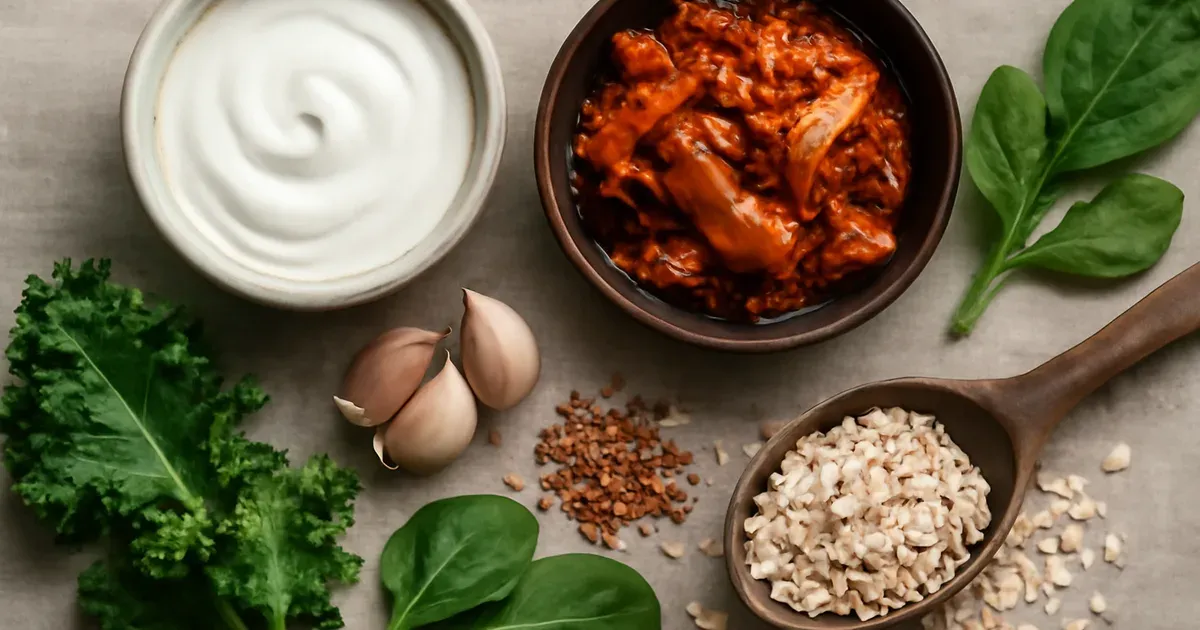
Gut-health focus: Rising estrogen encourages a more diverse microbiome. Support this by eating a wide variety of plant foods — aim for 30 different plant species per week, a target associated with greater gut bacterial diversity in landmark microbiome research. Prebiotic foods such as garlic, onion, leeks, and asparagus feed beneficial bacteria that, in turn, help your estrobolome function optimally.

Ovulation — Peak Performance and Gut-Brain Synchrony
Ovulation represents the hormonal high point of your cycle. Estrogen and luteinising hormone surge simultaneously, producing the strongest, most energised version of yourself. This is the time to chase personal records, try a challenging new class, or push your endurance limits.
Best workouts during ovulation:
- Cycling
- Jogging or trail running
- Hiking
- Competitive sports
Gut-health focus: The gut-brain axis is particularly active here. Serotonin — roughly 90% of which is produced in the gut — peaks alongside estrogen, reinforcing the mood elevation most women notice mid-cycle. Eating tryptophan-rich foods (eggs, turkey, oats, seeds) alongside prebiotic fibre supports continued serotonin synthesis through the gut-brain pathway, keeping your mental drive high so you actually want to use that physical energy.
Luteal Phase — Recover, Reduce Inflammation, and Support Your Microbiome
The luteal phase is where cycle syncing pays its biggest dividends — and where ignoring your body's signals causes the most damage. Progesterone dominance slows your metabolism slightly, raises your resting body temperature, and can impair sleep quality, all of which reduce exercise performance and increase injury risk if you push too hard.
Best workouts during the luteal phase:
- Yoga and breathwork
- Mobility or functional training
- Light walking
- Low-intensity strength work (reduced weight, higher reps)
Gut-health focus: Progesterone-driven gut slowdown makes this phase the most important for microbiome support. Increase soluble fibre from oats, flaxseed, and legumes to keep digestion moving. Probiotic-rich foods — live yoghurt, kimchi, sauerkraut — help counteract the bloating and discomfort that can make any exercise feel harder than it is. Limiting ultra-processed foods and excess sugar during this phase also reduces the inflammatory load your body is already managing.

Tracking Your Cycle and Your Gut
Consistency in tracking is what separates cycle syncing theory from real-world results. Start with a simple calendar or one of the many dedicated apps available, and log not just cycle dates but also your energy levels, gut symptoms, mood, sleep quality, and workout performance each day.
Over two to three cycles, patterns will emerge. You may notice that bloating consistently peaks in the late luteal phase, or that your HIIT sessions feel effortless in the mid-follicular phase. These patterns allow you to plan proactively rather than react to how you feel on the day.
Gut symptoms are often the earliest signal that your hormones are shifting. Many women report changes in bowel habits, appetite, and food cravings before they notice any other premenstrual signs. Treating these gut cues as data — rather than inconveniences — gives you a richer picture of your cycle than period dates alone.
Cycle Syncing During Perimenopause and Menopause
Perimenopause adds complexity to cycle syncing because cycles become unpredictable, but the underlying principle — listen to your hormonal signals and adjust accordingly — remains entirely valid. As estrogen declines, the estrobolome loses some of its regulatory capacity, making gut health even more critical during this transition.
Focus on lower-intensity exercise options such as light walking, jogging, Pilates, and yoga. Simultaneously, prioritise a diverse, fibre-rich diet and consider a clinically validated probiotic to support the gut microbiome as hormone levels fluctuate. The gut-brain axis continues to influence mood, cognition, and inflammation throughout menopause — supporting it actively can ease the transition.

The Bottom Line on Cycle Syncing Workouts and Gut Health
Cycle syncing workouts is not about doing less — it is about doing the right thing at the right time. By aligning your exercise intensity with the hormonal reality of each menstrual phase, you recover faster, reduce PMS symptoms, and build more consistent fitness habits over the long term.
Layering gut-brain health strategies on top of this approach adds a powerful multiplier. A well-nourished microbiome supports estrogen metabolism through the estrobolome, steadies serotonin production via the gut-brain axis, and reduces the inflammation and digestive discomfort that can derail even the best training plan. These two systems — your menstrual cycle and your gut — are not separate concerns. They are deeply interconnected, and addressing both together is one of the most intelligent investments you can make in your overall wellbeing.
Be patient with the process. It typically takes two to three full cycles before meaningful patterns emerge and before the dietary changes begin visibly shifting your microbiome composition. Give yourself grace during lower-energy phases. Balance — not perfection — is the goal.
Frequently Asked Questions
What is cycle syncing and how does it relate to gut health?
Cycle syncing is the practice of adjusting your exercise, diet, and lifestyle routines to match the four phases of your menstrual cycle. Its connection to gut health lies in the estrobolome — a group of gut bacteria that metabolise estrogen. A balanced microbiome supports efficient hormone regulation throughout the cycle, easing symptoms like bloating, mood swings, and fatigue that would otherwise disrupt training.
Which cycle phase is best for high-intensity workouts?
The follicular phase (days 6–14) and the ovulatory phase (around day 14) are optimal for high-intensity exercise. Rising and peak estrogen levels during these phases increase energy, motivation, and muscle repair efficiency, making HIIT, strength training, running, and competitive sports particularly productive.
How does the gut-brain axis affect exercise performance during the menstrual cycle?
The gut-brain axis influences mood, motivation, and energy — all of which fluctuate with hormonal changes. Serotonin, mostly produced in the gut, peaks alongside estrogen at ovulation, boosting drive and performance. Conversely, poor gut health can amplify luteal phase symptoms like anxiety, fatigue, and bloating, making workouts feel disproportionately difficult.
Can cycle syncing help with PMS symptoms?
Yes. Adjusting workout intensity to match your cycle — prioritising rest and low-impact movement during the luteal and menstrual phases — reduces the physical and emotional stress load on your body at its most hormonally vulnerable points. Combining this with gut-supportive nutrition (fibre, fermented foods, omega-3s) further reduces inflammation and digestive symptoms associated with PMS.
How long does it take to see results from cycle syncing workouts?
Most people begin to notice clearer patterns after two to three full menstrual cycles. Microbiome changes from dietary adjustments can begin within days but typically take four to six weeks to produce measurable shifts in diversity. Tracking energy, gut symptoms, mood, and workout performance daily accelerates the learning process considerably.