Exercise for Longevity: Your Biggest Questions Answered
Discover how exercise for longevity works, why gut health matters, and which movements add the most years to your life.

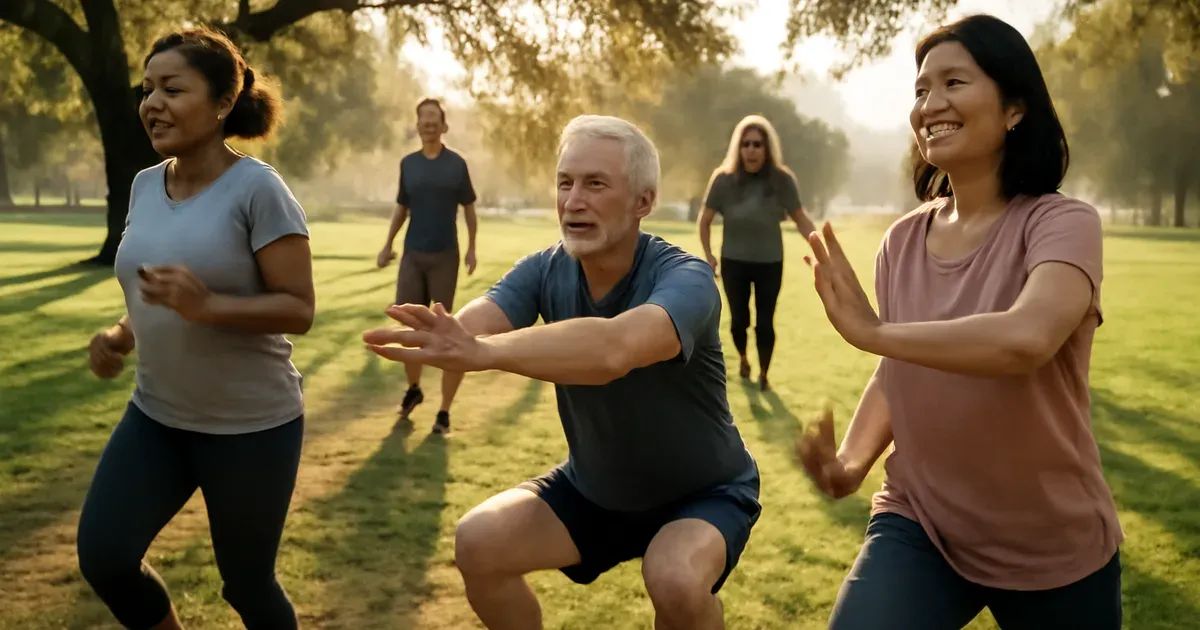
Figuring out how to train for a longer, healthier life can feel overwhelming. Should you lift weights or walk more? Does your gut health really affect how long you live? And what does your microbiome have to do with exercise at all? These are fair questions — and the answers are more connected than most people realise. This guide cuts through the noise and gives you clear, evidence-backed answers to the most common questions about exercise for longevity.
Jump to Your Question
What is the best exercise for longevity?
How does the gut microbiome affect lifespan and exercise?
Is walking or cycling better for longevity?
What are the best physical indicators of longevity?
What is the Chinese longevity exercise and does it work?
How does exercise improve gut-brain health as you age?
How much exercise do you actually need for a longer life?
Can improving your gut health make exercise more effective for longevity?
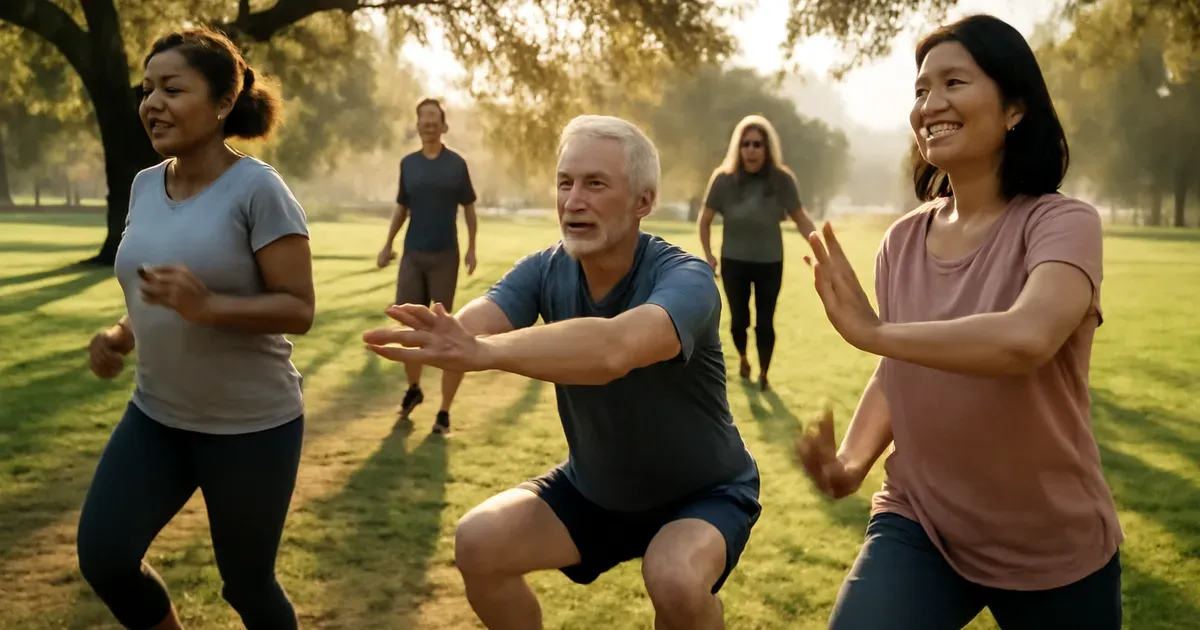
What is the best exercise for longevity?
The best exercise for longevity is not a single workout — it is a strategic combination of strength training, cardiovascular exercise, mobility work, and recovery-focused movement. Each type targets a different biological system that deteriorates with age.
Strength training preserves muscle mass and bone density, both of which decline naturally after your thirties. Cardio supports heart function, lung capacity, and blood flow to the brain. Mobility work reduces injury risk and keeps joints functional. Recovery practices like yoga and Tai Chi lower cortisol and activate cellular repair pathways.
Research shows that exercise activates longevity-related biological pathways, including AMPK and sirtuins, which regulate energy metabolism and cellular ageing. A well-rounded training plan addresses all of these simultaneously.
Key longevity exercise categories:
- Strength training (2–3x per week): squats, deadlifts, push-ups, rows, core work
- Cardio (150+ minutes per week): walking, cycling, swimming, rowing
- Mobility (daily): hip openers, thoracic spine drills, dynamic stretches
- Recovery movement (2–3x per week): yoga, Tai Chi, deep breathing
How does the gut microbiome affect lifespan and exercise?
Your gut microbiome — the trillions of bacteria living in your digestive tract — plays a direct role in how long and how well you live. Research increasingly shows that microbiome diversity is one of the strongest biological markers of healthy ageing.
Studies of centenarians consistently find that people who live past 100 tend to have unusually diverse gut microbiomes, rich in anti-inflammatory bacterial strains. A less diverse microbiome is associated with chronic inflammation, metabolic disease, and cognitive decline — all key drivers of accelerated ageing.
Exercise itself positively reshapes the microbiome. Regular physical activity increases microbial diversity, boosts populations of beneficial bacteria like Lactobacillus and Bifidobacterium, and reduces gut permeability ("leaky gut"), which is linked to systemic inflammation.
What the research shows:
- Endurance exercise increases short-chain fatty acid (SCFA) production, which feeds gut lining cells
- Resistance training shifts the microbiome toward anti-inflammatory profiles
- Sedentary behaviour is independently associated with lower microbial diversity
Is walking or cycling better for longevity?
Both walking and cycling offer significant longevity benefits, and choosing between them largely depends on your joints, lifestyle, and fitness level. For most people, combining both produces the best outcomes.
Walking is the most accessible longevity exercise on the planet. A large-scale study found that walking 8,000 or more steps per day is linked to a 51% lower risk of death from all causes. It requires no equipment, fits naturally into daily routines, and is gentle on the joints.
Cycling offers greater cardiovascular intensity at lower joint stress than running, making it ideal for people with knee or hip issues. It also builds leg strength and endurance more efficiently than walking alone.
Walking vs. Cycling for Longevity — At a Glance:
| Factor | Walking | Cycling |
|---|---|---|
| Joint impact | Very low | Low |
| Cardiovascular benefit | Moderate | Moderate–High |
| Accessibility | High (no equipment) | Moderate (needs a bike) |
| Leg strength benefit | Low–Moderate | Moderate–High |
| Gut microbiome impact | Positive | Positive |
| Best for | Daily movement, beginners | Cardio focus, joint issues |
Pro tip: Add hills or intervals to either activity to increase cardiovascular challenge and amplify microbiome diversity benefits.
What are the best physical indicators of longevity?
Scientists use specific physical performance tests to predict lifespan, and these markers are among the most reliable indicators of how well your body is ageing. Tracking them gives you an objective picture of your longevity fitness.
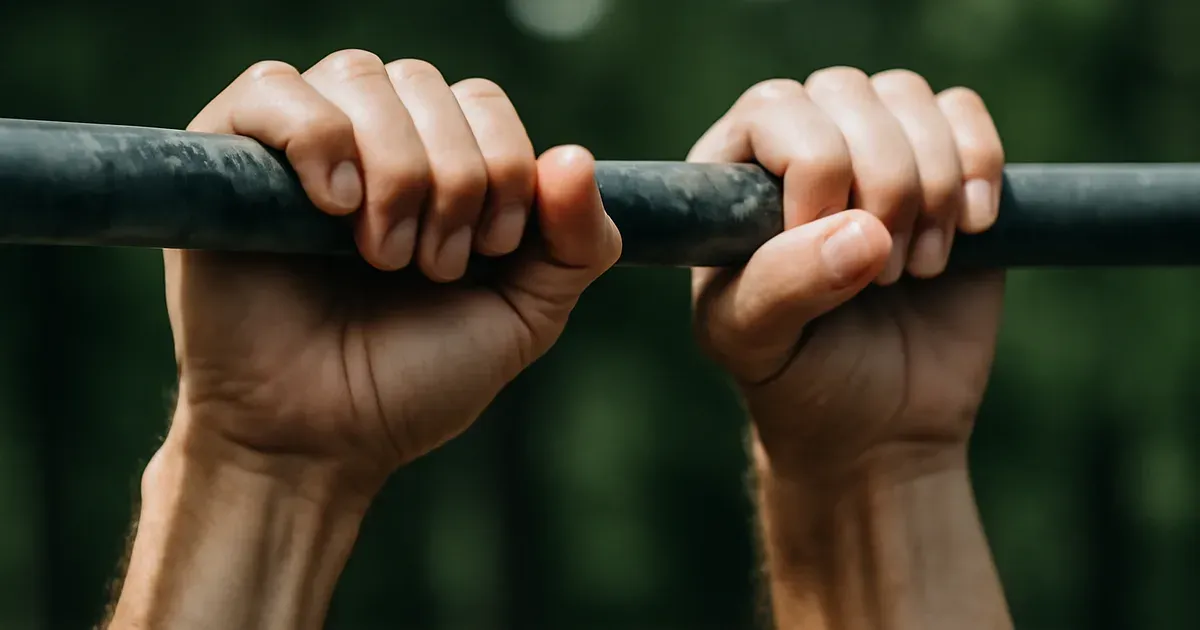
1. Grip Strength — Weak grip strength is independently linked to earlier mortality. Test: can you hold a dead hang from a bar for at least 30 seconds?
2. VO2 Max — Your body's maximum oxygen uptake capacity. Higher VO2 max is associated with living 5 or more years longer. Test: can you jog or cycle at moderate intensity for 30+ minutes without stopping?
3. Balance Ability — Poor balance predicts higher fall risk and shorter lifespan. Research shows that failing to stand on one leg for 10 seconds significantly increases mortality risk. Test: stand on one foot for at least 10 seconds.
4. Leg Strength and Squat Ability — The ability to perform a bodyweight squat and rise without assistance is linked to longer lifespan in multiple studies. Test: can you complete 10 or more bodyweight squats easily?
Interestingly, gut health also influences these markers. Gut-derived inflammation and poor nutrient absorption can impair muscle function and recovery, directly affecting all four indicators above.
What is the Chinese longevity exercise and does it work?
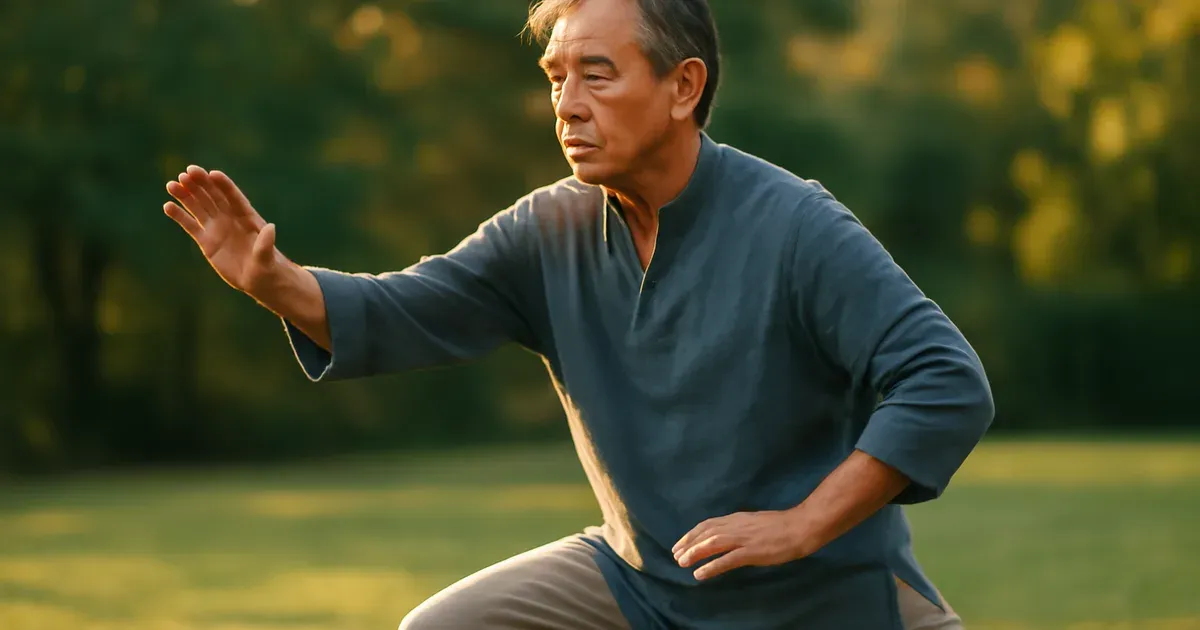
Tai Chi is widely known as the "Chinese longevity exercise," and the scientific evidence supporting its benefits for healthy ageing is substantial. It is a slow, meditative movement practice that combines breathwork, balance, and mindful coordination.
Studies show that regular Tai Chi practice can reduce fall risk by up to 50% in older adults — one of the most dangerous threats to longevity in later life. It also lowers cortisol, reduces blood pressure, and improves joint mobility without placing stress on the musculoskeletal system.
From a gut-brain perspective, Tai Chi's stress-reducing effects are particularly valuable. Chronic psychological stress disrupts the gut microbiome, reducing beneficial bacterial populations and increasing gut permeability. Practices that lower cortisol — like Tai Chi — help protect the gut-brain axis and the microbiome simultaneously.
Proven benefits of Tai Chi for longevity:
- Reduces fall risk by up to 50%
- Lowers blood pressure and inflammatory markers
- Improves balance, coordination, and cognitive function
- Supports gut-brain health via cortisol reduction
- Requires just 20 minutes per day for measurable benefit
How does exercise improve gut-brain health as you age?
Exercise strengthens the gut-brain axis — the two-way communication network between your digestive system and your brain — and this connection becomes increasingly important as you age. Disruption of this axis is linked to cognitive decline, depression, and accelerated biological ageing.
Physical activity increases production of brain-derived neurotrophic factor (BDNF), a protein that supports the growth and survival of brain cells. At the same time, it stimulates the vagus nerve, the primary highway of gut-brain communication, improving mood, digestion, and inflammation regulation.
Regular exercise also shifts the gut microbiome toward profiles that produce more neurotransmitter precursors — including serotonin, dopamine, and GABA — most of which are synthesised in the gut before influencing the brain. This is why physically active people tend to report better mood, sharper cognition, and more stable energy levels.
How different exercise types support the gut-brain axis:
- Aerobic exercise: increases BDNF, improves vagal tone, boosts microbial diversity
- Strength training: reduces systemic inflammation that damages the gut lining
- Yoga and Tai Chi: activate the parasympathetic nervous system, directly calming gut-brain stress responses
How much exercise do you actually need for a longer life?
Research consistently shows that 150 minutes of moderate-intensity movement per week is associated with a 3 to 4 year increase in life expectancy — and the benefits start accumulating well before you hit that target.
The good news is that you do not need to train like an athlete to see meaningful longevity gains. Even 75 minutes of vigorous exercise per week produces comparable benefits. What matters most is consistency over years, not intensity over weeks.
For gut health specifically, regularity of movement matters more than duration of individual sessions. Short daily walks (20–30 minutes) appear to have a greater positive effect on microbiome diversity than one long workout performed once a week.
Weekly exercise targets for longevity:
- Strength training: 2–3 sessions per week
- Moderate cardio: 150+ minutes per week (e.g., 30 min x 5 days)
- High-intensity cardio: 75 minutes per week as an alternative
- Mobility and flexibility: daily, even if only 10 minutes
- Recovery movement (yoga, Tai Chi): 2–3x per week
Can improving your gut health make exercise more effective for longevity?
A healthier gut microbiome directly enhances the longevity benefits of exercise by improving energy metabolism, reducing inflammation, and supporting faster recovery. The relationship between gut health and physical performance is bidirectional — each reinforces the other.
When the microbiome is diverse and balanced, it produces short-chain fatty acids (SCFAs) that fuel muscle cells and reduce post-exercise inflammation. Poor gut health, by contrast, can impair nutrient absorption and increase systemic inflammation, blunting the cellular benefits of even a well-structured training programme.
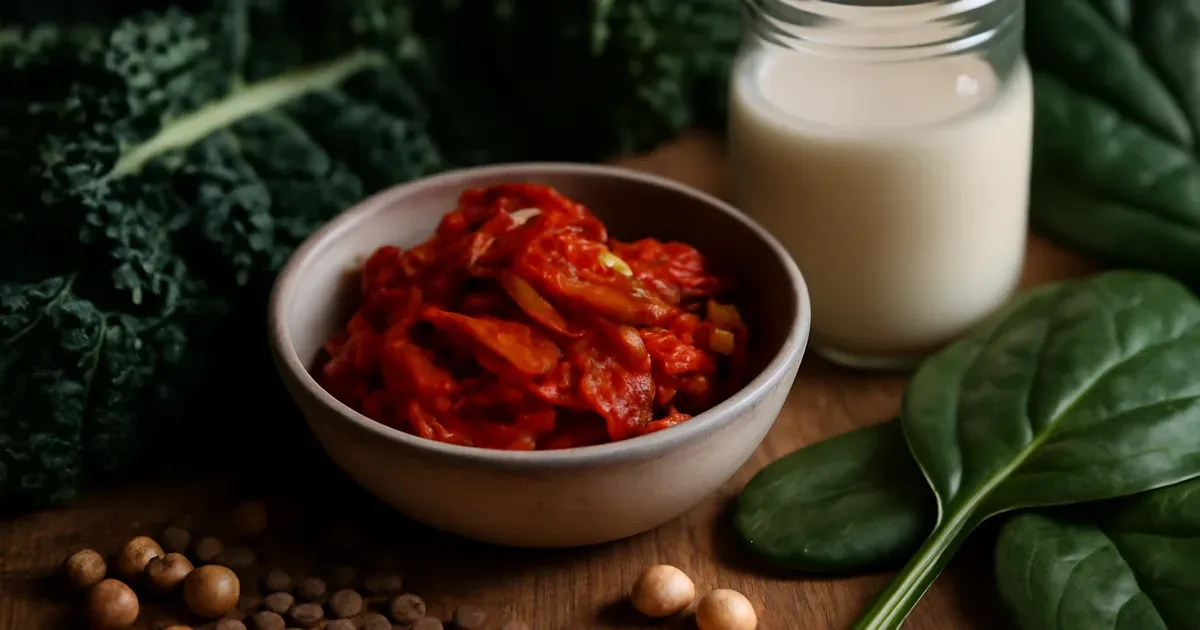
Practical strategies to improve gut health alongside your exercise routine include eating a diverse, fibre-rich diet, managing chronic stress (which directly damages the microbiome), prioritising sleep, and staying consistently active. Fermented foods — such as kefir, kimchi, and natural yoghurt — are particularly effective at increasing microbial diversity.
Gut health habits that amplify exercise for longevity:
- Eat 30+ different plant foods per week for microbiome diversity
- Prioritise fermented foods to increase beneficial bacterial populations
- Avoid prolonged sedentary periods — short movement breaks matter
- Manage stress with Tai Chi, yoga, or breathwork to protect the gut-brain axis
- Sleep 7–9 hours per night to allow microbiome recovery and cellular repair
Bottom Line
- Exercise for longevity is most effective as a combination of strength training, cardio, mobility work, and recovery-focused movement — no single type does it all.
- Your gut microbiome is a key longevity biomarker: diverse, balanced gut bacteria are consistently found in the longest-lived populations worldwide.
- Exercise actively improves the microbiome, increasing microbial diversity, reducing gut inflammation, and supporting the gut-brain axis.
- Just 150 minutes of moderate movement per week is linked to 3–4 extra years of life expectancy — consistency matters more than intensity.
- Physical markers like grip strength, VO2 max, balance, and leg strength are reliable predictors of lifespan and can be monitored and improved at any age.
Frequently Asked Questions
Does exercise directly change your gut bacteria?
Yes — regular exercise measurably increases gut microbiome diversity within weeks of starting a consistent routine. Aerobic exercise in particular boosts populations of SCFA-producing bacteria, which reduce inflammation and support gut lining integrity. Both endurance and resistance training have shown positive microbiome effects in clinical studies.
What is the single most important exercise for longevity?
If forced to choose one, strength training has the strongest evidence base for longevity, largely because preserving muscle mass protects against the leading causes of age-related mortality — metabolic disease, falls, and frailty. However, the research is clear that combining strength work with regular cardio produces significantly better outcomes than either alone.
Can gut health problems shorten your lifespan?
Chronic gut dysbiosis — an imbalanced microbiome — is linked to inflammation, metabolic syndrome, cognitive decline, and cardiovascular disease, all of which are associated with shorter lifespan. Emerging research suggests that restoring microbiome diversity through diet, exercise, and stress management may be one of the most impactful longevity interventions available.
How does Tai Chi compare to gym workouts for longevity?
Tai Chi and gym-based training target different but complementary longevity pathways. Gym workouts build muscle, improve VO2 max, and boost metabolic health. Tai Chi reduces cortisol, improves balance, protects against falls, and supports the gut-brain axis through parasympathetic activation. For optimal longevity, both have a role.
Is it too late to start exercising for longevity after 60?
It is never too late — research consistently shows meaningful longevity and health benefits from starting an exercise programme at any age, including in your seventies and eighties. Even modest increases in physical activity improve grip strength, VO2 max, balance, and microbiome diversity in older adults. Starting later simply means beginning where you are, not where you wish you had started.