Fibre-Rich Foods for Gut Health: Doctor's Top 7 Picks
Harvard-trained Dr Saurabh Sethi names 7 fibre-rich foods for gut health, including chia seeds and lentils — aligned with NHS and UK microbiome guidance.

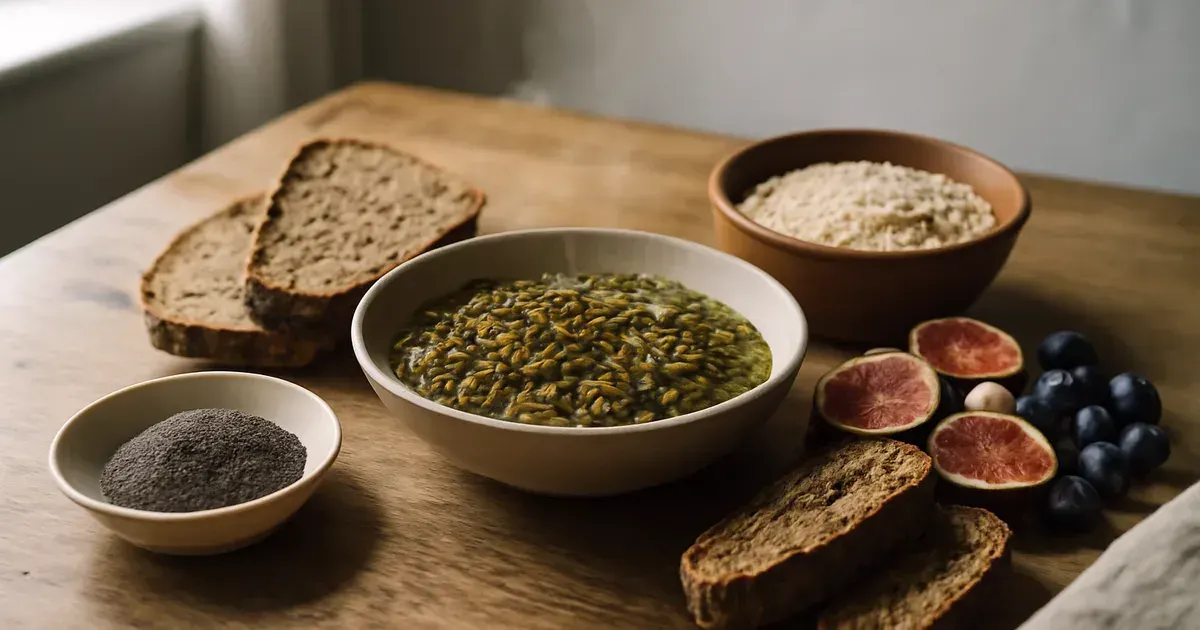
A Harvard-trained gastroenterologist has outlined seven fibre-rich foods he considers essential for a healthy gut, in recommendations that align closely with growing UK microbiome research. Dr Saurabh Sethi, whose advice was reported by The Times of India on 16 September 2026, identifies everyday foods — including chia seeds and lentils — as powerful tools for improving gut health naturally and supporting the broader gut-brain connection.
Why This Matters for Gut Health in the UK
Fibre intake remains a persistent concern for public health in the UK. According to the British Nutrition Foundation, the average British adult consumes only around 19g of fibre per day — well below the NHS-recommended 30g. Poor dietary fibre intake is directly linked to reduced microbial diversity in the gut microbiome, a finding echoed by UK microbiome research from institutions including King's College London and the British Gut Project. A varied, fibre-rich diet is now widely recognised as one of the most effective ways to improve gut health naturally.
The Seven Foods Dr Sethi Recommends
Per The Times of India, Dr Sethi highlights chia seeds as a standout choice, noting they deliver a significant quantity of fibre alongside healthy fats — making them suitable for daily consumption. Lentils also feature prominently in his recommendations, valued for their dual contribution of fibre and plant-based protein. Lentils are particularly relevant to the British diet, given their affordability and compatibility with both traditional and modern UK cooking. The remaining five foods in his list span a range of plant-based sources, reinforcing the principle that dietary diversity is central to microbiome health.
What This Means for Your Microbiome and Gut-Brain Connection
The gut-brain connection adds further urgency to these dietary recommendations. Research published by UK-based scientists has increasingly shown that the gut microbiome communicates directly with the brain via the vagus nerve, influencing mood, cognition, and stress responses. A diet rich in fermentable fibre feeds beneficial gut bacteria, which in turn produce short-chain fatty acids — compounds that support both intestinal lining integrity and neurological function. For health-conscious adults in the UK, Dr Sethi's recommendations offer a practical, evidence-aligned starting point for dietary improvement.
Practical Takeaways for a British Diet
Incorporating Dr Sethi's recommended foods need not require a complete dietary overhaul. Chia seeds can be stirred into porridge or yoghurt, while lentils integrate easily into soups and stews — staples of the British diet gut health advocates frequently recommend. The UK Eatwell Guide already encourages a varied intake of beans, pulses, and wholegrains, and Dr Sethi's list sits comfortably within those NHS-aligned guidelines. Small, consistent changes to daily eating habits are likely to yield measurable benefits for gut microbiome diversity over time.
Dr Sethi's recommendations serve as a timely reminder that improving gut health naturally does not require specialist supplements or costly interventions — whole foods widely available in UK supermarkets may be sufficient. As microbiome UK research continues to expand, dietary fibre remains one of the most robustly supported levers for long-term gut and brain health.
You might also like
- How to Improve Gut Health with Meditation
- Xylitol Chewing Gum: Good for Teeth and Gut Health
- 5 Drinks to Relieve Constipation, Per Gut Doctor
96 Bacterial Strains. Two Shots a Day.
GOODIE is an award-winning fermented drink with 96 live bacterial strains — more than any yogurt or kombucha — never pasteurised, clinically tested, and 8 in 10 users felt less bloating within 14 days. Curious?