Foods That May Help Bowel Obstruction Recovery
Certain foods may ease partial bowel obstruction symptoms, but diet alone cannot resolve serious cases, per Lifesciencesworld.com.

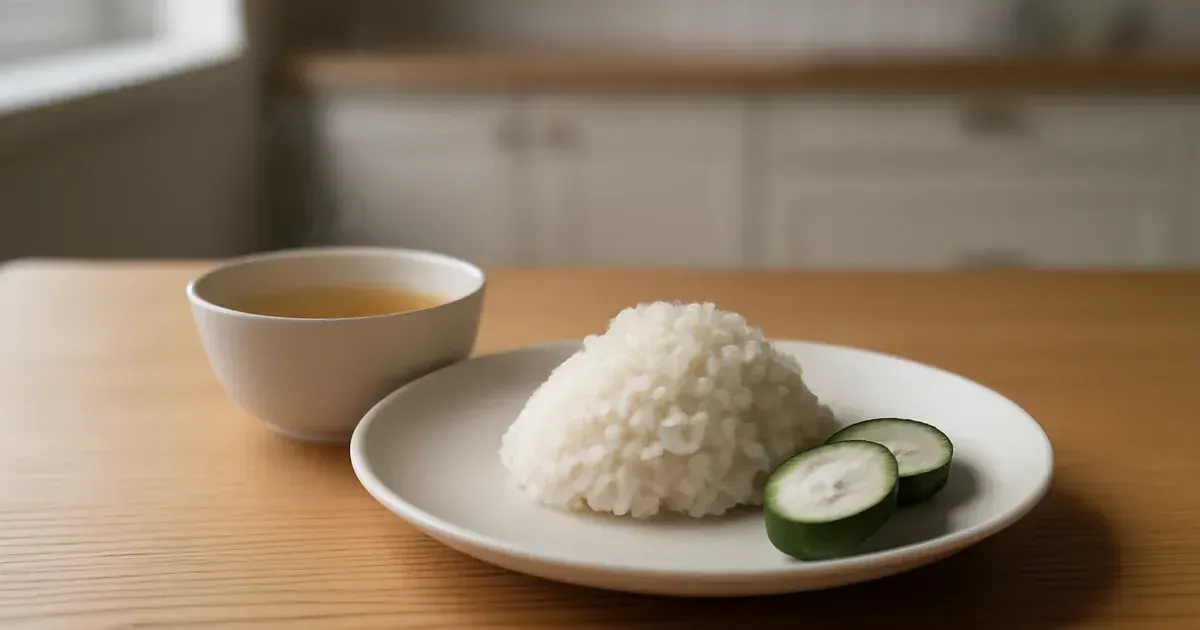
Certain foods may help ease symptoms and support recovery from a partial bowel obstruction, according to a report published by Lifesciencesworld.com on 21 July 2026. The guidance makes clear, however, that diet alone cannot resolve a complete bowel obstruction, and that medical intervention remains essential in serious cases. The findings are particularly relevant for gut health UK audiences managing digestive conditions, where NHS pathways frequently intersect with nutritional advice.
Why This Matters for Gut Health in the UK
Bowel obstructions — whether partial or complete — represent a significant burden on NHS services and affect a meaningful proportion of the UK population living with conditions such as Crohn's disease, diverticular disease, or post-surgical adhesions. Per Lifesciencesworld.com, understanding how diet interacts with gastrointestinal function is critical to managing these conditions. This aligns with growing UK microbiome research interest, including work at King's College London and the University of Reading, into how gut flora and dietary choices influence intestinal motility and overall gut health UK outcomes.
What the Dietary Guidance Recommends
According to Lifesciencesworld.com, foods that may help alleviate symptoms of a partial bowel obstruction tend to be low in insoluble fibre, easy to digest, and gentle on the intestinal lining. Diet is positioned as a supportive measure rather than a curative one, with the source stressing that any dietary approach must be undertaken alongside medical supervision. This connects directly to broader microbiome UK conversations: research increasingly shows that what we eat shapes the gut-brain connection, influencing not only digestive comfort but also inflammation, immune response, and even mood — areas of active investigation in British Gut Project studies.
What This Means for UK Readers Managing Digestive Conditions
For health-conscious adults in the UK looking to improve gut health naturally, the key takeaway from Lifesciencesworld.com is that dietary choices can play a supportive role in partial obstruction recovery — but only within a clinically supervised framework. Those with recurring digestive issues are encouraged to consult their GP or a registered dietitian via NHS pathways before making significant dietary changes. The British Dietetic Association (BDA) similarly advises that personalised nutritional guidance is essential for managing complex gastrointestinal conditions.
The broader significance of this guidance lies in its intersection with gut-brain connection science: as UK microbiome research continues to demonstrate, a well-supported gut environment contributes to systemic health well beyond digestion alone. Per Lifesciencesworld.com, individuals navigating bowel obstruction should treat dietary adjustment as one component of a comprehensive, medically guided recovery plan — not a standalone solution.
You might also like
- How to Improve Gut Health Naturally in 6 Steps
- How to Boost GLP-1 Naturally for Weight Loss
- UK Diet Gaps Linked to Poor Gut Health
96 Bacterial Strains. Two Shots a Day.
GOODIE is an award-winning fermented drink with 96 live bacterial strains — more than any yogurt or kombucha — never pasteurised, clinically tested, and 8 in 10 users felt less bloating within 14 days. Curious?