How to Improve Gut Health Naturally in 6 Steps
Six evidence-based steps to improve gut health naturally in the UK — covering fibre, hydration, trigger foods, probiotics, and the gut-brain connection.


You have tried cutting out takeaways, you have bought the expensive probiotic drinks from the supermarket, and you still wake up bloated, uncomfortable, or caught off guard by your digestive system at the worst possible moments. If that sounds familiar, you are not alone. Digestive complaints — from constipation and heartburn to the unpredictable misery of irritable bowel syndrome (IBS) — affect millions of people in the UK every year, making them one of the most common reasons people visit their GP.
The good news is that the latest science on the gut microbiome, combined with practical NHS dietary guidance, paints a genuinely hopeful picture. Improving how your gut functions does not require expensive supplements or extreme diets. This guide walks you through six clear, evidence-based steps to improve gut health naturally — without giving up everything you enjoy.
Why Gut Problems Happen in the First Place
Your gut is far more than a food-processing tube. The gastrointestinal tract houses roughly 100 trillion microorganisms — bacteria, fungi, and viruses — collectively known as the gut microbiome. UK microbiome research, including work from King's College London's PREDICT study and the British Gut Project, has shown that the diversity and balance of these microbes influences not just digestion, but immunity, mood, and even cognitive function through what scientists call the gut-brain connection — the two-way communication highway linking your digestive system to your brain via the vagus nerve.
When that microbial community becomes unbalanced — a state called dysbiosis — the knock-on effects are wide-ranging. Bloating, constipation, diarrhoea, heartburn, and IBS-like symptoms can all stem from an unhappy microbiome. But lifestyle and dietary factors are among the most powerful levers we have to shift that balance in a positive direction.
Key reasons gut health suffers in the modern British diet:
- Too little fibre. Most people in the UK fall well short of the recommended 30g per day, depriving beneficial gut bacteria of the fuel they need.
- Ultra-processed foods. Emulsifiers, artificial sweeteners, and preservatives common in UK convenience foods can disrupt microbial diversity.
- Chronic stress. Via the gut-brain axis, prolonged psychological stress alters gut motility and microbiome composition.
- Overuse of antibiotics. The UK has one of the higher rates of antibiotic prescribing in Europe; each course can significantly deplete microbial populations.
- Dehydration. Without adequate fluid, fibre cannot do its job — waste hardens and the digestive system slows.
Step 1: Build Up Your Fibre Intake Gradually
Fibre is the single most evidence-backed dietary tool for gut health — yet the average adult in the UK consumes only around 18g per day, far below the NHS-recommended 30g. Dietary fibre acts as a prebiotic, feeding the beneficial bacteria in your colon that produce short-chain fatty acids (SCFAs). SCFAs like butyrate are anti-inflammatory, help maintain the gut lining, and have even been linked to improved mood via the gut-brain connection.
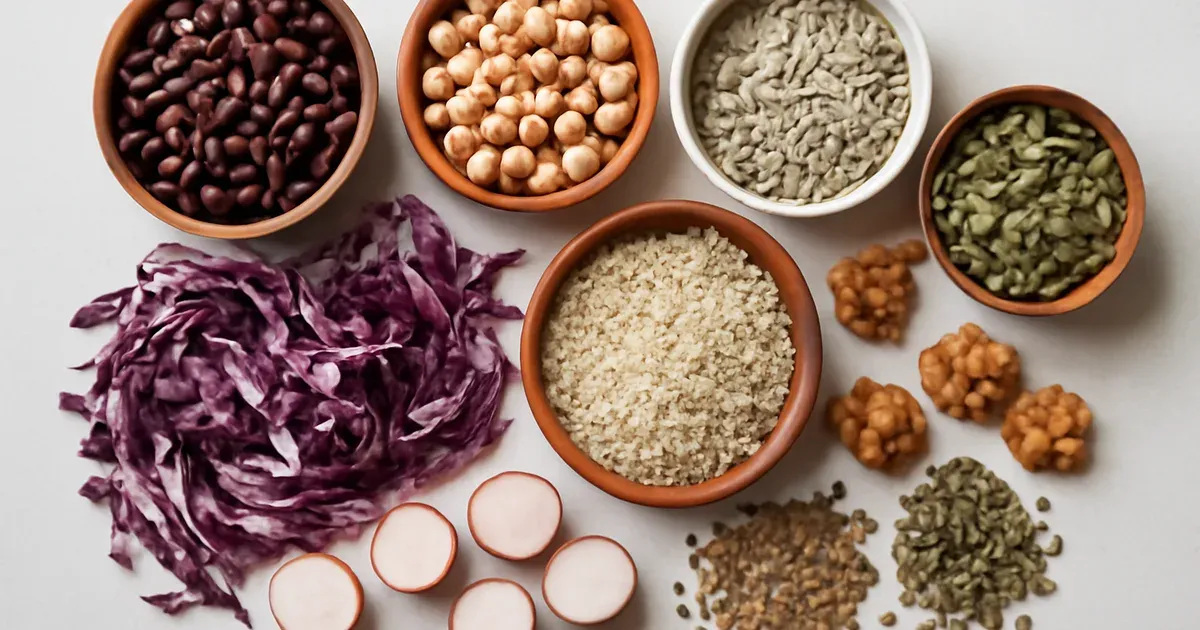
How to do it: Start by swapping white bread for wholemeal, white rice for brown, and adding a portion of beans or lentils to two meals per week. Fruits, vegetables, oats, and seeds are all excellent sources. The key word is gradually — increasing fibre too quickly can cause bloating and discomfort as your microbiome adjusts.
Good fibre sources to prioritise:
- Wholemeal bread and brown rice
- Oats (also great for heart health)
- Beans, lentils, and chickpeas
- Fruit (especially apples, pears, and berries)
- Vegetables (broccoli, carrots, sweet potato)
- Ground flaxseed and chia seeds
Pro tip: If you find grains and cereals trigger bloating or IBS symptoms, focus your fibre intake on fruit and vegetables instead — these are gentler on a sensitive gut.

Step 2: Hydrate Consistently Throughout the Day
Fibre and water are a team — one cannot work without the other. Fibre acts like a sponge in your digestive tract, absorbing water to soften stools and keep waste moving. Without adequate fluid intake, even a high-fibre diet can lead to constipation. The NHS recommends drinking plenty of water and choosing drinks that support rather than irritate the digestive system.
How to do it: Aim for six to eight glasses of water per day — a practical target endorsed by the UK Eatwell Guide. A simple habit to build is drinking a full glass of water with every meal. If you find plain water uninspiring, herbal teas (peppermint, ginger, and chamomile are particularly gut-friendly) count towards your fluid intake.
Drinks to limit or avoid:
- Caffeinated drinks (coffee, cola, black tea in excess) — boost stomach acid and can worsen heartburn
- Fizzy drinks — carbonate the gut and contribute to bloating
- Alcohol — disrupts the gut lining and can negatively shift microbiome balance
If you cannot face giving up your morning coffee entirely, limiting yourself to one or two cups per day is a reasonable compromise that most digestive systems can tolerate.
Step 3: Cut Back on Fat and Ultra-Processed Foods
What you eat shapes which microbes thrive in your gut. Fatty, fried foods — chips, burgers, pastries — are harder for the digestive system to process and can cause stomach pain, heartburn, and sluggish gut motility. More broadly, the ultra-processed foods that dominate much of the British diet (ready meals, packaged snacks, sugary cereals) tend to be low in fibre and high in additives that research suggests may harm microbial diversity.
How to do it: You do not need to eliminate fat entirely — healthy unsaturated fats from olive oil, avocado, oily fish, and nuts actually support a diverse microbiome. The goal is to reduce saturated and trans fats from fried and heavily processed sources. Grill rather than fry, choose lean meat and fish, and opt for skimmed or semi-skimmed milk.
Simple swaps for a gut-friendlier British diet:
- Grilled chicken or fish instead of fried
- Home-cooked meals with whole ingredients instead of ready meals
- Olive oil instead of butter for cooking where possible
- Snacking on nuts, seeds, or fruit rather than crisps or biscuits
Pro tip: Research from the British Gut Project found that people who eat 30 or more different plant foods per week have significantly more diverse microbiomes than those eating fewer than 10. Variety matters as much as volume.
Step 4: Identify and Manage Your Personal Trigger Foods
One of the most empowering shifts in gut health science is the recognition that responses are deeply individual. Your microbiome is as unique as your fingerprint. What triggers bloating or heartburn in one person may be perfectly fine for another. Common culprits include acidic foods (tomatoes, citrus fruits, fizzy drinks), wheat, onions, garlic, spicy foods, and dairy products for those with lactose intolerance.
How to do it: Keep a food and symptom diary for two to three weeks. Note everything you eat and drink alongside any digestive symptoms — timing, severity, and pattern. This simple tool can reveal connections that are otherwise invisible. The NHS recommends this approach precisely because gut symptom triggers are so personal.
Common trigger categories to investigate:
- Spicy foods — chillies, but also garlic and onion, can provoke heartburn and IBS flares
- Acidic foods — tomatoes, citrus, vinegar-based dressings, and fizzy drinks
- Lactose — if you consistently feel bloated or develop diarrhoea after dairy, lactose intolerance may be a factor
- Wheat and gluten — in those with IBS or non-coeliac gluten sensitivity
- High-FODMAP foods — a group of fermentable carbohydrates that can worsen IBS; the low-FODMAP diet, developed in part by UK researchers, is now widely recommended by NHS dietitians
Once you have identified your triggers, avoid them consistently. If you already have a diagnosed condition such as IBS or acid reflux, the British Dietetic Association (BDA) recommends working with a registered dietitian for personalised guidance rather than attempting an exclusion diet alone.
Step 5: Support Your Gut Microbiome with Fermented Foods and Probiotics
The gut microbiome is not a fixed entity — it responds to what you feed it, often within days. Fermented foods contain live cultures of beneficial bacteria that can help restore and diversify your microbial community. This matters far beyond digestion: a well-balanced microbiome communicates with the brain via the gut-brain connection, influencing the production of neurotransmitters including approximately 90% of the body's serotonin, which is synthesised in the gut.
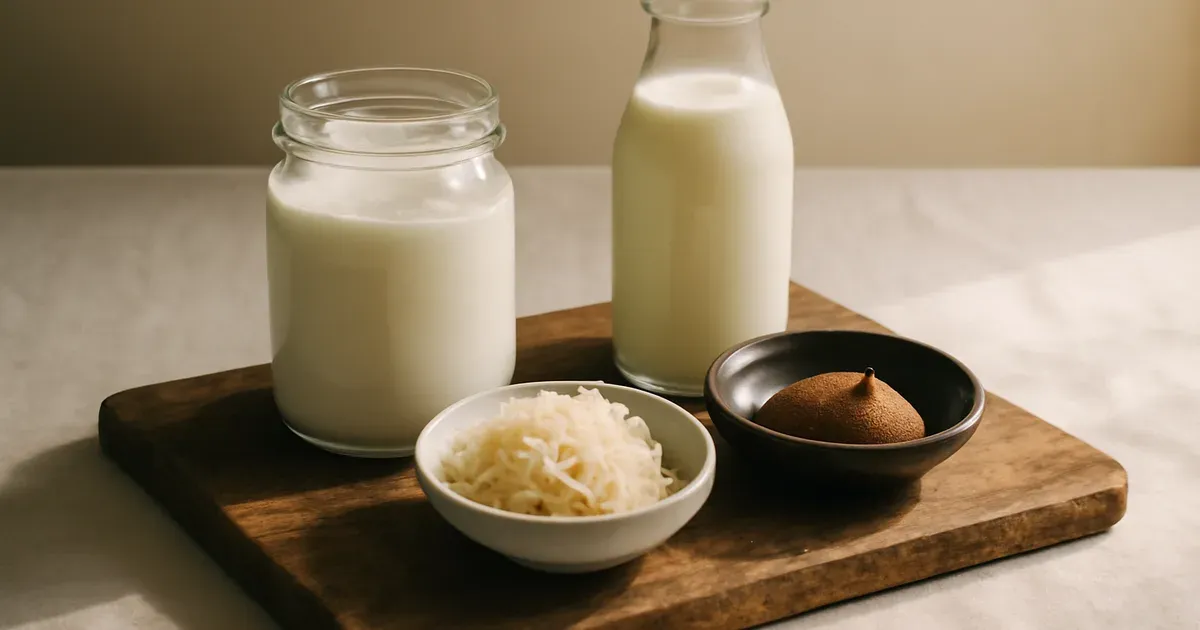
How to do it: Incorporate fermented foods into your daily routine. Live yoghurt is one of the most accessible and affordable options available in UK supermarkets, and it is a natural source of probiotics. Other options include kefir (widely available now in major UK supermarkets), sauerkraut, kimchi, miso, and kombucha. Aim for at least one serving per day.
On probiotic supplements: There is growing evidence that certain probiotic strains can help with IBS and antibiotic-associated diarrhoea. However, the evidence for broader health claims remains limited. If you choose to try a supplement, take it daily for at least four weeks to give it a fair assessment. If you have an underlying health condition or a weakened immune system, speak to your GP first — this is standard NHS advice.
Fermented foods to try:
- Live natural yoghurt (check the label for "live cultures")
- Kefir (dairy or plant-based)
- Sauerkraut and kimchi (unpasteurised varieties)
- Miso paste (added to soups or dressings after cooking)
- Kombucha (choose low-sugar varieties)
Step 6: Address Stress Through the Gut-Brain Connection
Perhaps the most underappreciated driver of gut symptoms is the one you cannot see on a food label: stress. The gut-brain connection is bidirectional — just as an upset gut can affect your mood and mental clarity, chronic psychological stress directly alters gut motility, increases intestinal permeability, and shifts the composition of your microbiome. Research from UCL and King's College London has highlighted the gut-brain axis as a key target for improving both mental and digestive health.
How to do it: You do not need to eliminate stress — that is unrealistic. But building daily practices that activate the parasympathetic ("rest and digest") nervous system can meaningfully reduce the impact of stress on your gut. These include:
- Mindful eating — eating slowly, chewing thoroughly, and avoiding screens during meals
- Regular physical activity — even 30 minutes of brisk walking daily has been shown to increase gut microbial diversity
- Adequate sleep — poor sleep disrupts the microbiome; the NHS recommends seven to nine hours for adults
- Mind-body practices — yoga, meditation, and diaphragmatic breathing all activate the vagus nerve, which is the primary channel of the gut-brain axis
Pro tip: If you suspect stress is a major driver of your gut symptoms — particularly if you have IBS — gut-directed hypnotherapy and cognitive behavioural therapy (CBT) are both recommended by NICE guidelines in the UK as effective treatments.
What to Expect: A Timeline for Gut Improvement
Change does not happen overnight — but it happens faster than most people expect. Here is a realistic week-by-week breakdown:
Week 1–2: You may notice some initial bloating as your microbiome adjusts to more fibre. This is normal and temporary. Hydration and gradual increases in plant foods will ease this. Some people notice improved bowel regularity within the first week.
Week 3–4: Beneficial microbes begin to proliferate in response to increased prebiotic fibre. Energy levels and mood may start to improve — an early signal of the gut-brain connection working in your favour. Heartburn and bloating should be noticeably reduced if trigger foods have been identified and avoided.
Month 2–3: A more stable, diverse microbiome begins to establish itself. Research from King's College London's PREDICT study suggests dietary changes can produce measurable shifts in microbiome composition within this timeframe. IBS symptoms, if present, typically show meaningful improvement by the 8–12 week mark when dietary and lifestyle changes are consistent.
Month 3 onwards: Sustained habits reinforce a resilient gut ecosystem. Many people report clearer skin, better sleep, steadier mood, and more consistent energy — downstream effects of a healthier gut-brain axis.
Mistakes That Slow Your Progress
- Increasing fibre too quickly. A sudden jump from 15g to 30g per day will cause bloating and discomfort. Increase by around 5g per week to allow your microbiome to adapt.
- Drinking too much caffeine. More than two cups of coffee or tea per day can elevate stomach acid, worsen heartburn, and dehydrate you — counteracting your fibre efforts.
- Ignoring individual triggers. Following generic "gut health" advice without identifying your personal trigger foods means you may be eating something consistently harmful without realising it.
- Stopping probiotics too soon. The gut microbiome takes time to shift. Four weeks is the minimum trial period to assess whether a probiotic supplement is making a difference.
- Treating gut health as purely physical. Neglecting stress, sleep, and the gut-brain connection while focusing only on food will limit your results. Both levers matter.
- Relying on processed "gut health" products. Many marketed gut health drinks and supplements in UK supermarkets contain minimal live cultures or are high in sugar. Whole food sources are generally more effective.

What Can Help You Get There Faster
Dietary tools: A well-stocked plant-diverse kitchen is your most powerful asset. Whole grains, legumes, nuts, seeds, and colourful vegetables provide both fibre and the polyphenols that feed beneficial microbes. The British Nutrition Foundation's resources on the UK Eatwell Guide offer a helpful starting framework.
Tracking tools: A simple food and symptom diary — whether a notebook or a free app — accelerates the process of identifying your personal triggers. Some UK-based apps now integrate microbiome data with dietary logging, making pattern recognition easier.
Professional support: If symptoms persist despite dietary changes, the NHS pathway recommends speaking to your GP who can refer you to a gastroenterologist or an NHS registered dietitian. The British Dietetic Association's "Find a Dietitian" tool can help you locate a specialist in gut health in the UK if you prefer private support.
Your 6-Step Gut Health Plan at a Glance
✅ Step 1: Gradually increase fibre to 30g per day from diverse whole food sources ✅ Step 2: Drink six to eight glasses of water daily; choose herbal teas over caffeinated drinks ✅ Step 3: Reduce saturated fat and ultra-processed foods; grill instead of fry ✅ Step 4: Keep a food diary to identify and eliminate your personal trigger foods ✅ Step 5: Add fermented foods and consider a quality probiotic for at least four weeks ✅ Step 6: Manage stress daily through movement, sleep, mindful eating, and mind-body practices
Frequently Asked Questions
How long does it take to improve gut health naturally?
Most people notice initial changes — improved bowel regularity, reduced bloating — within one to two weeks of increasing fibre and hydration. More significant microbiome shifts, as shown by UK microbiome research from King's College London, typically occur over six to twelve weeks of consistent dietary and lifestyle changes.
What are the best foods for gut health in the UK?
The evidence points to a diverse range of plant foods: wholemeal bread, oats, brown rice, beans, lentils, fruit, and vegetables. Fermented foods such as live yoghurt and kefir are also highly beneficial. The British Gut Project found that eating 30 or more different plant foods per week significantly increases microbiome diversity.
Is IBS linked to the gut-brain connection?
Yes — IBS is now widely understood to involve dysfunction in the gut-brain axis. Stress, anxiety, and poor sleep can all trigger or worsen IBS symptoms. NICE guidelines in the UK recognise gut-directed hypnotherapy and CBT as effective treatments alongside dietary approaches like the low-FODMAP diet.
Should I take probiotic supplements for gut health?
There is evidence that specific probiotic strains can help with IBS and antibiotic-associated diarrhoea. However, evidence for broader claims is limited. Live yoghurt and kefir are good natural sources. If you choose a supplement, take it consistently for at least four weeks. Always consult your GP first if you have an existing health condition.
How does stress affect gut health?
Via the gut-brain connection, chronic stress can alter gut motility, increase gut permeability, and negatively shift microbiome composition. Daily stress management — exercise, sleep, mindful eating, and relaxation practices — is as important for gut health as what you eat.
You might also like
- Body Types & Gut Health: Your Questions Answered
- How to Boost GLP-1 Naturally for Weight Loss
- UK Diet Gaps Linked to Poor Gut Health
96 Bacterial Strains. Two Shots a Day.
GOODIE is an award-winning fermented drink with 96 live bacterial strains — more than any yogurt or kombucha — never pasteurised, clinically tested, and 8 in 10 users felt less bloating within 14 days. Curious?