Gum Bacteria Linked to Lung Inflammation via New Receptor
Researchers identify cadherin-11 as a receptor for gum bacterium FadA, linking oral microbiome health to worsening lung inflammation in COPD.

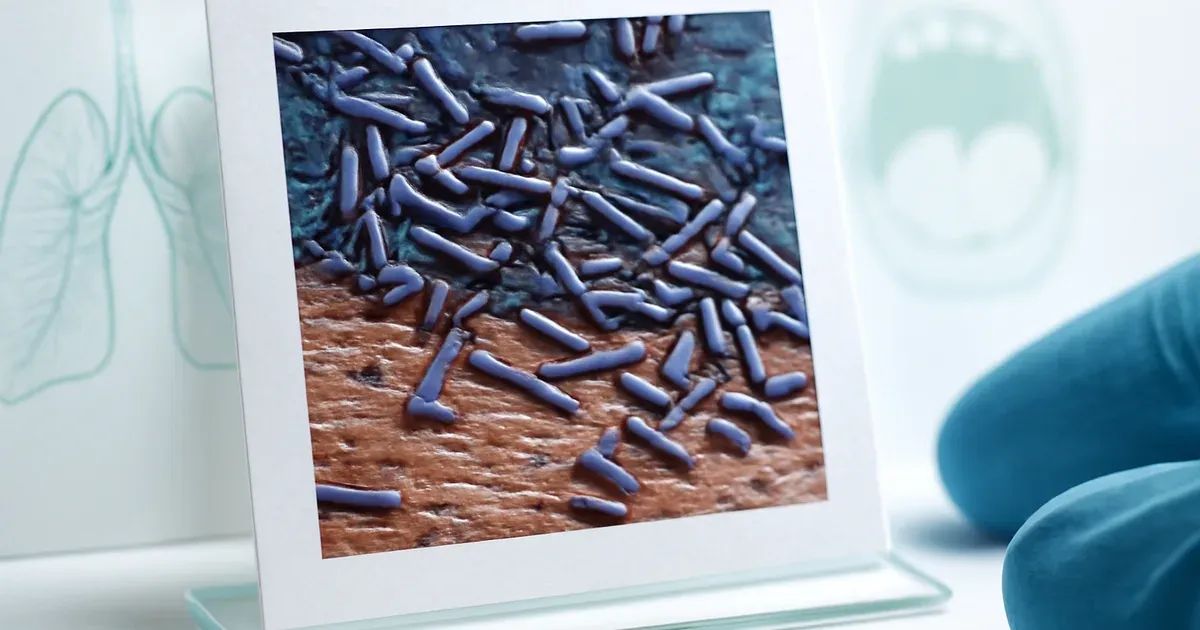
A new study published in PLOS Pathogens has identified a previously unknown molecular pathway through which a common gum disease bacterium worsens lung conditions. According to researchers led by Kun Liu and colleagues, Fusobacterium nucleatum — a periodontal pathogen — uses its adhesin protein FadA to bind to a receptor called cadherin-11 (CDH11) in lung tissue, driving pulmonary inflammation and potentially exacerbating chronic obstructive pulmonary disease (COPD).
Why This Matters
The oral microbiome has long been studied for its links to systemic health, but its connection to lung disease is less well understood. Research increasingly suggests that bacteria originating in the mouth can travel to and colonise other organs — a concept central to gut-brain and microbiome science more broadly. Fusobacterium nucleatum is well established as a periodontal pathogen, and its presence has been noted in colorectal cancer research, but its specific mechanisms of action in pulmonary tissue had not been fully characterised until now, according to the study published on 20 April 2026.
FadA–CDH11 Interaction Identified as Key Mechanism
The study in PLOS Pathogens found that F. nucleatum adheres to and invades pulmonary epithelial cells in a dose-dependent manner, with the adhesin FadA playing a primary mediating role. Cadherin-11 (CDH11) was found to be upregulated in COPD lungs and in pulmonary epithelial cells exposed to F. nucleatum or FadA protein, making it the key host receptor for the bacterium. The FadA–CDH11 interaction was reported to mediate both bacterial adhesion and invasion, while also amplifying inflammatory signalling in lung tissue, the researchers state.
Microbiome Implications for Lung and Gut Health
The findings reflect a growing body of evidence linking oral and gut microbiome dysbiosis to systemic inflammatory disease. Just as disruptions to the gut microbiome have been shown to influence immune responses across multiple organ systems — including the lungs via the gut-lung axis — this research underscores how pathobionts from the oral cavity can exploit host receptor upregulation to establish harmful footholds in distant tissues. The study's identification of CDH11 as a targetable receptor suggests that modulating microbiome-driven inflammatory pathways could represent a meaningful therapeutic direction for COPD patients.
What This Means for Patients and Researchers
For clinicians and researchers working at the intersection of oral health and respiratory disease, the study offers a concrete molecular target. If CDH11 upregulation can be suppressed — or the FadA–CDH11 binding disrupted — it may be possible to limit bacterial invasion of lung tissue in susceptible individuals. The findings also reinforce the clinical relevance of maintaining oral microbiome health as part of broader respiratory disease prevention strategies, particularly for those already diagnosed with COPD.
This research adds to mounting evidence that the body's microbial ecosystems — oral, gut, and pulmonary — are deeply interconnected. By pinpointing the FadA–CDH11 axis, the study provides a clear molecular framework for future therapeutic development targeting bacteria-driven pulmonary inflammation in periodontal and COPD patients alike.