GLP-1 & Gut Health: What the Science Says
Discover what GLP-1 really is, how your gut microbiome influences it, and how to improve gut health naturally — grounded in UK science.

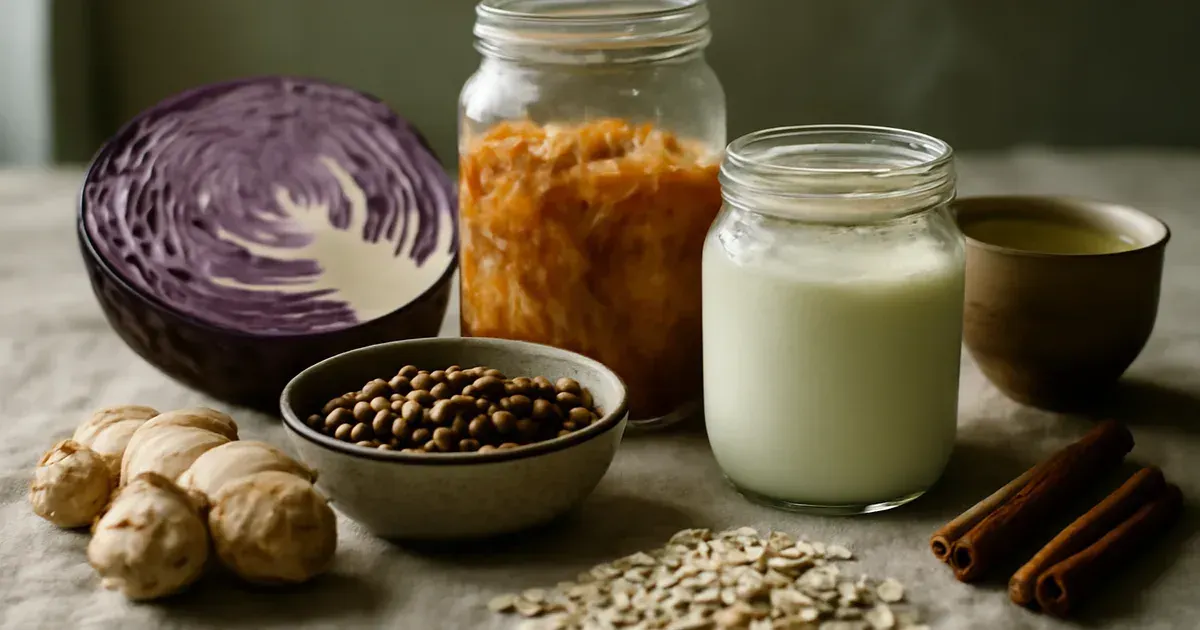
You've probably heard the buzz around GLP-1. Whether it's weight management headlines or conversations about appetite control, this hormone is everywhere right now. But what most coverage misses is the deeply fascinating link between GLP-1, your gut microbiome, and the gut-brain connection — a relationship that researchers across the UK are working hard to understand.
This article unpacks the science behind GLP-1 activation, what natural ingredients like probiotics, cinnamon, and hops actually do in your gut, and why improving gut health naturally may be one of the most meaningful things you can do for your overall wellbeing. Whether you're curious about supplements or simply want to understand your digestive system better, this is your evidence-based guide.
What Is GLP-1 and Why Does Your Gut Produce It?
GLP-1 stands for glucagon-like peptide-1, a hormone secreted primarily by L-cells lining the wall of your small intestine and colon. When you eat, these cells release GLP-1 into the bloodstream, signalling to your brain that you're full, prompting your pancreas to release insulin, and slowing gastric emptying. In short, GLP-1 is a natural appetite-regulating messenger — one your body already makes.
The gut-brain connection is central to how GLP-1 works. The hormone travels via the vagus nerve and bloodstream to the hypothalamus, the brain's hunger-control centre. This bidirectional communication between gut and brain is a cornerstone of modern nutritional neuroscience, and UK microbiome research at institutions including King's College London and the University of Reading has helped illuminate how profoundly the gut influences mood, appetite, and cognition.
What's particularly exciting is that your microbiome appears to influence how much GLP-1 your body produces. Certain gut bacteria — especially short-chain fatty acid (SCFA) producers like Bifidobacterium and Lactobacillus strains — stimulate L-cells to secrete more GLP-1. This means the trillions of microbes living in your digestive tract are, in a very real sense, helping to regulate your appetite and blood sugar every single day.
The Role of the Gut Microbiome in Appetite and Satiety
The British Gut Project, run in partnership with King's College London, has generated some of the most comprehensive microbiome data in the world. Findings consistently show that dietary diversity — particularly fibre intake — is strongly associated with greater microbial diversity, and that a richer microbiome correlates with better metabolic health markers, including more stable blood glucose and improved satiety signalling.
Fibre is the key fuel here. When you eat dietary fibre — from vegetables, pulses, wholegrains, and fruit — your gut bacteria ferment it into SCFAs such as butyrate, propionate, and acetate. These SCFAs do several things: they nourish the gut lining, reduce intestinal permeability ("leaky gut"), and directly stimulate L-cells to produce GLP-1. The UK Eatwell Guide recommends 30g of fibre per day, yet surveys suggest the average adult in the UK consumes only around 18g — a substantial shortfall with real consequences for microbiome UK health.
This is where the concept of "natural GLP-1 activation" becomes genuinely interesting rather than merely a marketing phrase. Rather than bypassing your body's own systems with a pharmaceutical, supporting the microbiome through food and targeted nutrition may encourage your body to produce and respond to GLP-1 more efficiently on its own terms.
Natural Ingredients That May Support GLP-1 and Gut Health
Several ingredients found in natural supplement formulations have plausible — and in some cases well-researched — mechanisms for supporting gut health and GLP-1 activity. It's important to approach these with appropriate scepticism: no supplement will replicate the clinical effect of prescription GLP-1 receptor agonists. But as part of a broader dietary strategy, some of these compounds have meaningful supporting evidence.
Probiotics and Fructooligosaccharides (FOS): A synbiotic blend — combining a prebiotic like FOS with live probiotic cultures — is one of the more evidence-backed approaches to gut health UK practitioners discuss. FOS selectively feeds beneficial bacteria, and research published in journals including Gut (the BMJ's gastroenterology journal) has shown that Bifidobacterium supplementation can increase GLP-1 secretion in both animal models and early human trials. The British Dietetic Association (BDA) recognises the value of probiotics for certain gastrointestinal conditions, though notes the evidence varies by strain and individual.
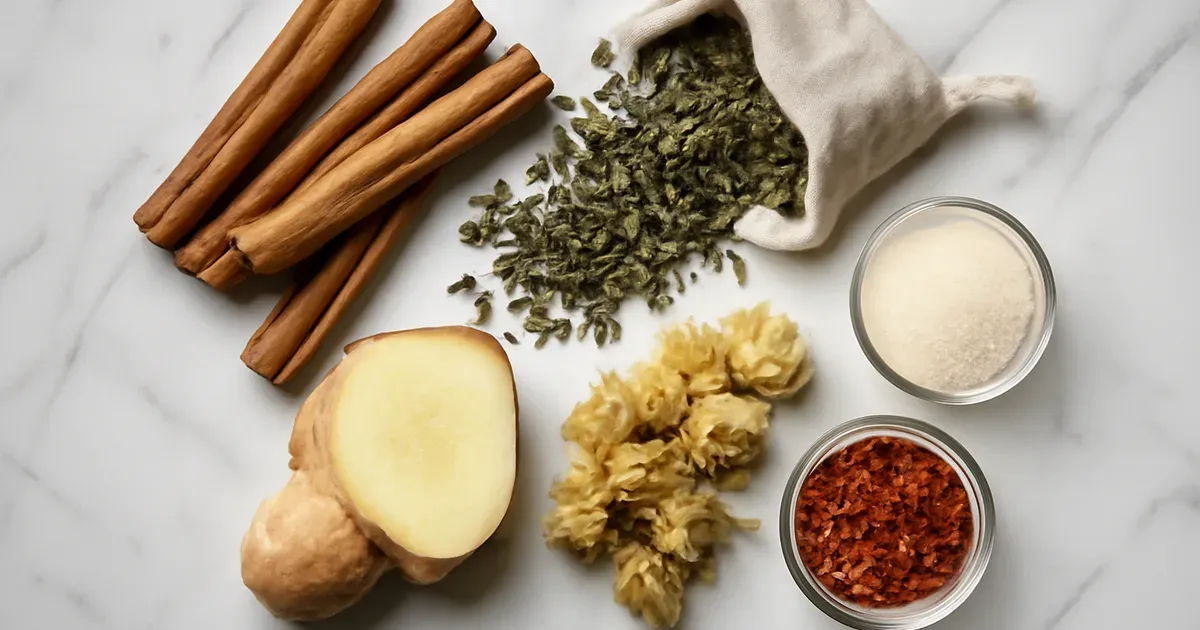
Ceylon Cinnamon and Cinnamon Bark Extract: Cinnamon has been studied for its effects on blood glucose regulation, with some evidence suggesting it may improve insulin sensitivity and slow gastric emptying — both of which interact with GLP-1 pathways. Ceylon cinnamon (Cinnamomum verum) is distinct from the more common cassia variety and contains lower levels of coumarin, making it a safer choice for regular consumption. Research from the University of Reading has explored polyphenol-rich spices and their effects on postprandial glucose response.
Green Tea Leaf (EGCG): Epigallocatechin gallate (EGCG), the primary active polyphenol in green tea, has demonstrated prebiotic-like effects in the gut — selectively promoting the growth of beneficial bacteria. Studies suggest EGCG may also improve insulin sensitivity and reduce fat absorption. Green tea is widely consumed in the UK, and its combination of gentle caffeine with L-theanine makes it a well-tolerated functional ingredient.
Ginger Root Extract: Ginger has a long history of use for digestive comfort, and modern research supports its role in improving gastric motility and reducing nausea. There is emerging evidence that gingerols — the active compounds in ginger — may positively influence the gut microbiome composition, supporting a healthier bacterial balance.
Hops (Humulus lupulus): Less commonly associated with gut health, hops contain bitter acids and polyphenols that have demonstrated antimicrobial and prebiotic properties in preliminary research. Some studies suggest hop-derived compounds may inhibit the growth of harmful bacteria while supporting beneficial strains, though robust human clinical trials are still limited.
Capsicum (Chilli Pepper): Capsaicin, the active compound in capsicum, has been studied for its effects on energy expenditure and appetite suppression. It may also positively influence gut microbiota composition, and some research suggests it activates TRPV1 receptors in the gut that interact with the enteric nervous system — another node in the gut-brain connection.
Chromium and CoQ10: Chromium is a trace mineral that plays a role in insulin signalling, and supplementation has been studied — with modest results — for blood sugar management. CoQ10 is primarily known as a mitochondrial antioxidant; its direct relevance to gut health is less established, though oxidative stress does affect gut barrier integrity.
Improve Gut Health Naturally: Practical Steps Grounded in Science
The most impactful thing you can do for your gut microbiome — and by extension your GLP-1 activity — doesn't come in a capsule. Diet remains the single most powerful lever for gut health, and this is a message consistently reinforced by NHS gut health guidance, the BDA, and the British Nutrition Foundation alike.
Here are evidence-based strategies to improve gut health naturally:
- Eat 30 different plant foods per week. This target, popularised by the British Gut Project's Tim Spector, is associated with significantly greater microbiome diversity. Count herbs, spices, nuts, seeds, wholegrains, vegetables, legumes, and fruit — variety is the operative word.
- Prioritise fermented foods. Kefir, natural yoghurt, sauerkraut, kimchi, and live-culture cheese introduce beneficial bacteria directly into your gut. A landmark 2021 Stanford study showed fermented food diets outperformed even high-fibre diets for increasing microbiome diversity — a finding that has influenced dietary thinking in the UK and beyond.
- Limit ultra-processed foods. UK dietary surveys show ultra-processed foods account for over 50% of caloric intake for many adults. These foods are low in fibre, high in additives, and associated with reduced microbial diversity and increased gut permeability.
- Move your body regularly. Exercise has an independent positive effect on microbiome diversity, separate from diet. NHS guidelines recommend 150 minutes of moderate activity per week — a target with documented benefits for gut bacterial composition.
- Manage stress. The gut-brain connection runs both ways. Chronic psychological stress activates the hypothalamic-pituitary-adrenal (HPA) axis, which disrupts gut motility, increases intestinal permeability, and alters microbiome composition. Mindfulness-based stress reduction, widely available through NHS IAPT pathways, has shown measurable effects on gut symptoms in conditions like IBS.
- Sleep adequately. Emerging UK microbiome research, including work from the Wellcome Trust-funded PREDICT study, suggests that sleep duration and quality directly influence microbiome composition and postprandial metabolic responses.

A Note on Supplements: What to Expect and What to Verify
Natural GLP-1 supplements are not regulated in the UK as medicines — they fall under food supplement law, overseen by the Food Standards Agency (FSA). This means manufacturers are not permitted to claim their products diagnose, treat, or cure any condition. This regulatory context matters: the ingredients in these formulations can be beneficial as part of a healthy lifestyle, but they are not equivalent to prescription GLP-1 receptor agonists such as semaglutide or liraglutide, which have undergone extensive clinical trials and are available through NHS pathways for specific indications.
If you're considering a gut health supplement, look for transparency. Check that probiotic strains are named to species and strain level (not just genus), that prebiotic doses are clinically relevant (typically 3–10g of FOS or inulin per day), and that the manufacturer provides third-party testing certificates. The BDA's Food Fact Sheet on probiotics is a useful free resource for UK consumers navigating these choices.
The most honest framing is this: a well-formulated synbiotic supplement, taken alongside a diverse fibre-rich diet and an active lifestyle, may modestly support the conditions in which your body naturally produces and responds to GLP-1. For most healthy adults in the UK, the dietary foundations matter far more than any individual supplement.
The Bottom Line
GLP-1 is not a molecule that exists only in prescription pens — it's a hormone your gut produces naturally, every day, in response to the foods you eat and the microbes you cultivate. The gut-brain connection that governs appetite, satiety, and metabolic health is exquisitely sensitive to what you put on your plate, how you move, how you sleep, and how you manage stress.
UK microbiome research is advancing rapidly, with institutions including King's College London, the University of Oxford, Imperial College London, and the MRC-funded units contributing to a growing global understanding of how the 38 trillion microbes in your gut shape your health from the inside out. The evidence points consistently in one direction: a diverse, fibre-rich diet, rich in fermented foods and low in ultra-processed products, is the most powerful way to support your microbiome and, by extension, your natural GLP-1 activity.
Natural ingredients like probiotics, green tea, cinnamon, ginger, and hops may offer additional support — and the science behind some of them is genuinely promising. But they work best as complements to, not substitutes for, the dietary foundations that NHS gut health guidance has long emphasised.
Your gut is not a passive bystander in your health. It is an active, dynamic ecosystem — and tending to it is one of the most evidence-based investments you can make in your long-term wellbeing.
Frequently Asked Questions
What is GLP-1 and can you boost it naturally? GLP-1 (glucagon-like peptide-1) is a hormone produced by your gut after eating. It signals fullness to your brain and supports blood sugar regulation. You can support natural GLP-1 production by eating more dietary fibre, fermented foods, and polyphenol-rich ingredients like green tea and cinnamon — all of which nourish the gut bacteria that stimulate GLP-1-secreting L-cells.
How does the gut microbiome affect appetite? Your gut microbiome influences appetite through multiple pathways, including GLP-1 secretion, short-chain fatty acid production, and direct signalling along the vagus nerve — the primary highway of the gut-brain connection. A more diverse microbiome, supported by a varied plant-rich diet, is associated with better appetite regulation and metabolic health.
Are GLP-1 supplements regulated in the UK? Natural GLP-1 supplements are regulated as food supplements under UK and FSA rules, not as medicines. They cannot legally claim to treat or cure any condition. They are distinct from prescription GLP-1 receptor agonists (such as semaglutide), which are licensed medicines available through NHS pathways for specific clinical indications.
What does NHS gut health guidance recommend? The NHS recommends eating 30g of dietary fibre per day, staying hydrated, exercising regularly, and limiting ultra-processed foods to support digestive health. For persistent gut symptoms, the NHS recommends consulting a GP, who may refer patients to a registered dietitian for personalised dietary advice.
Which UK research institutions are leading microbiome science? Leading UK microbiome research is being conducted at King's College London (including the British Gut Project and PREDICT study), the University of Reading, University of Oxford, Imperial College London, UCL, and the University of Nottingham. Funding bodies including the Wellcome Trust, MRC, and BBSRC are supporting a growing portfolio of gut health studies in the UK.
You might also like
- 7 Gut-Brain Secrets That Could Transform Your Mood
- How to Improve Gut Health Naturally in 5 Steps
- Protein vs Fibre: Which Keeps You Fuller?
96 Bacterial Strains. Two Shots a Day.
GOODIE is an award-winning fermented drink with 96 live bacterial strains — more than any yogurt or kombucha — never pasteurised, clinically tested, and 8 in 10 users felt less bloating within 14 days. Curious?