7 Gut-Brain Secrets That Could Transform Your Mood
Discover 7 evidence-backed gut-brain connection insights linking your microbiome to mood, PTSD, and psychedelic therapy — with actionable UK health guidance.

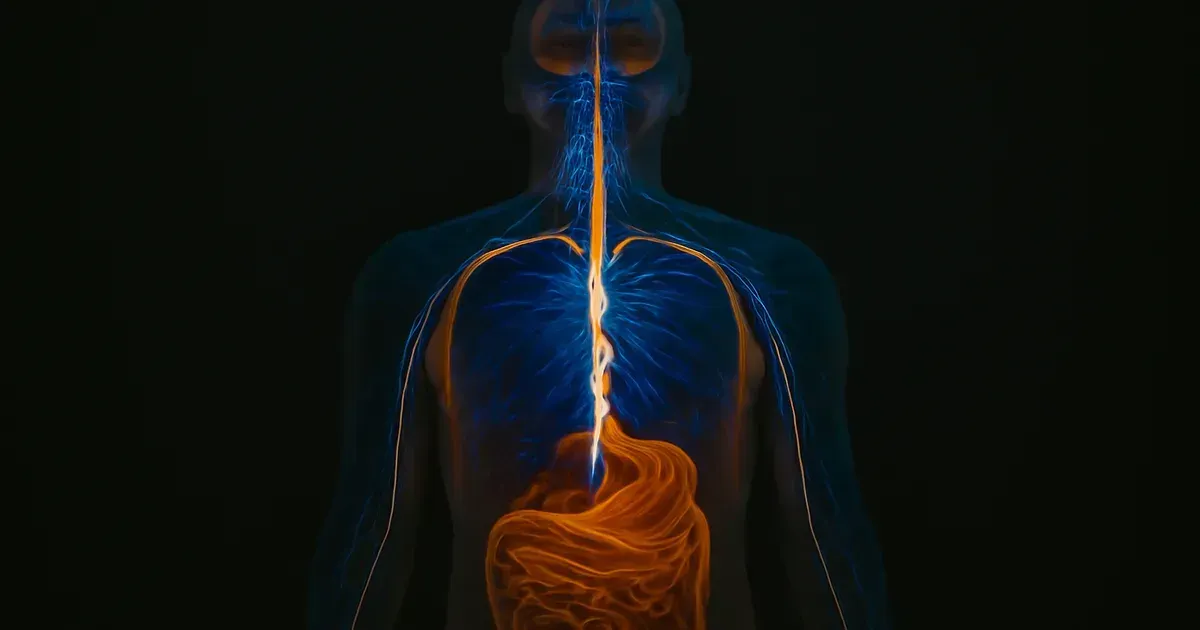
Your gut and your brain are in constant conversation — and if you've ever felt anxious before a big event or noticed your digestion suffer during stressful periods, you've experienced this dialogue firsthand. Yet most people in the UK are still treating their mental and physical health as entirely separate problems. That disconnect could be costing you. Here is what the latest science — including emerging research into psychedelic medicines — reveals about the gut-brain connection, and why understanding it could change how you approach your wellbeing right now.
According to UK microbiome research from King's College London and the British Gut Project, the diversity of your gut microbiome is one of the strongest predictors of both physical and mental health outcomes in the British population.
1. Your Gut Is Essentially a Second Brain
The enteric nervous system — a vast network of roughly 500 million neurons lining your gastrointestinal tract — communicates directly with your brain via the vagus nerve. Scientists now refer to this as the gut-brain axis, and it is bidirectional: your gut sends signals upward to your brain just as your brain sends signals downward to your gut. When any part of your GI tract is inflamed or bacterially unbalanced, those distress signals reach your brain within minutes.
Actionable takeaway: Pay attention to gut symptoms during stressful periods — they are data, not inconvenience. Flagging both digestive and mood changes together with your GP can lead to a more joined-up diagnosis on the NHS.
2. 95% of Your Serotonin Lives in Your Gut — Not Your Head
Most people assume serotonin is purely a brain chemical, but approximately 95% of the body's serotonin is produced and stored in the gastrointestinal tract. This neurotransmitter governs mood, sleep quality, sexual desire, and appetite regulation. If your gut microbiome is compromised — through a poor diet, antibiotics, or chronic stress — your serotonin production can be directly impaired, affecting your mood before any brain-level process even comes into play.
Why it matters in the UK: The NHS Eatwell Guide encourages a high-fibre diet rich in wholegrains, fruit, and vegetables — foods that directly nourish the microbes responsible for supporting serotonin pathways. Improving gut health naturally through diet is one of the most evidence-backed mood interventions available without a prescription.
Actionable takeaway: Aim for 30 different plant foods per week, a target popularised by UK microbiome researcher Professor Tim Spector at King's College London, to maximise the microbial diversity that underpins serotonin production.
3. Leaky Gut May Be Quietly Fuelling Depression
As far back as 1898, scientists linked gut flora imbalances to what was then called "melancholia." Today, research from the University of Oxford and Imperial College London supports the idea that intestinal permeability — commonly called "leaky gut" — allows bacterial compounds to enter the bloodstream, triggering systemic inflammation. That inflammation has been directly associated with stress-related depression and treatment-resistant low mood.
Why this is significant: SSRIs, the most widely prescribed antidepressants in the UK, have been shown to suppress certain gut bacteria. This may partly explain why some patients experience years of relief before the medication suddenly loses efficacy — the bacterial landscape has shifted in response.
Actionable takeaway: If your antidepressant has stopped working, ask your GP whether an assessment of gut health, inflammation markers, or a referral to a dietitian through the British Dietetic Association could be part of your next step.
4. PTSD and Substance Use Disorders Have a Gut Signature
Research increasingly shows that post-traumatic stress disorder is not purely a neurological condition — it is also linked to immune dysregulation and measurable imbalances in gut microbiota. Early-life stress that disrupts gut flora in infants and children may prime individuals for PTSD vulnerability later in life. Similarly, substances like alcohol and opioids physically damage the gut lining and alter microbial populations, potentially reinforcing addictive cycles through the gut-brain axis.
A striking clinical finding: Patients with alcohol use disorder who received a faecal microbiota transplant (FMT) — a procedure involving donor gut bacteria — reduced their cravings by 90%, compared to just 30% in the control group. This points to the gut microbiome UK researchers and clinicians can no longer afford to overlook.
Actionable takeaway: For those in recovery from substance use disorders in the UK, speak to a registered dietitian about probiotic and prebiotic strategies that may support gut restoration alongside standard NHS treatment pathways.
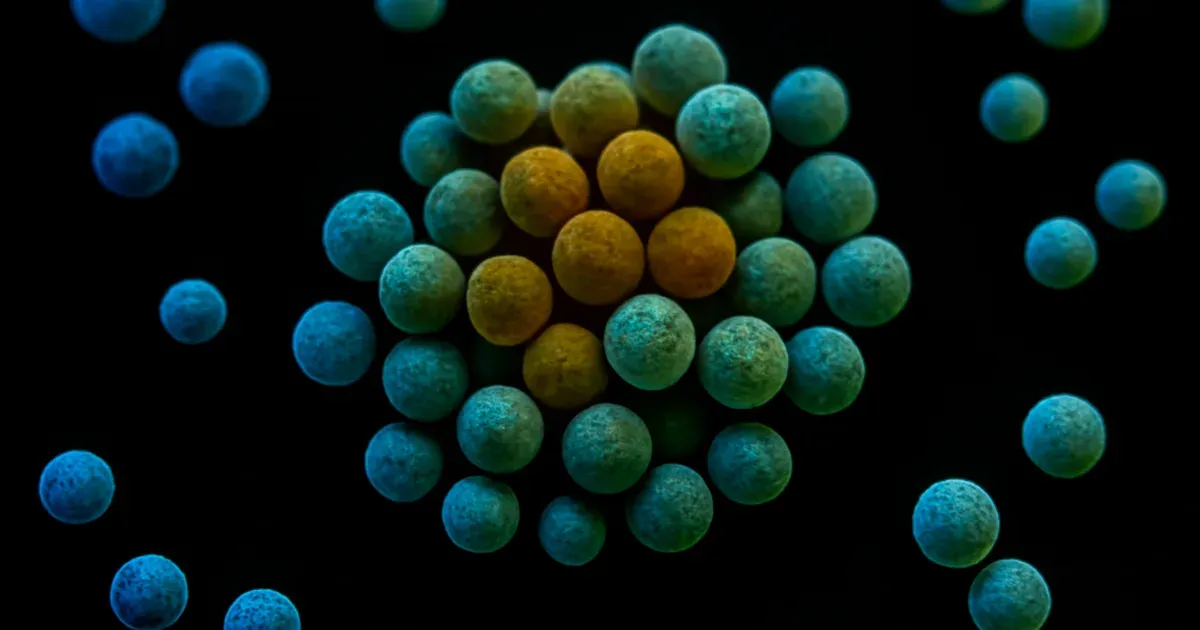
"Microorganisms in the human body outnumber our own cells by approximately 10 to 1. Far from being passengers, they directly govern digestion, immune function, vitamin synthesis, and neurotransmitter production — making gut health UK's most underappreciated mental health frontier."
5. Psychedelic Medicines Interact Directly With the Gut
Psychedelics are best known for their effects on the brain, but mounting evidence — and centuries of indigenous tradition — confirms they also act powerfully on the gut. Medicines such as ayahuasca and ibogaine commonly produce nausea, vomiting, and diarrhoea during the experience. Scientists believe this occurs because high serotonin levels in the GI tract stimulate the vagus nerve — the same nerve central to the gut-brain connection.
This is not merely a side effect. In traditional Amazonian ayahuasca ceremonies, the purging phase is considered integral to the therapeutic process, interpreted as the physical release of emotional and psychological toxins. From a neuroscience standpoint, the gut's serotonin system is being profoundly activated, with potential downstream effects on mood, immunity, and microbial balance.
Actionable takeaway: As psychedelic-assisted therapy enters clinical settings in the UK — with psilocybin research progressing at Imperial College London — practitioners and patients alike should consider gut health as part of the preparation and integration process, not an afterthought.
6. Your Diet Directly Shapes Your Psychedelic and Emotional Landscape
Nutrition exerts a massive influence on which microbes thrive in your gut. A typical Western diet — high in refined sugars, ultra-processed foods, and low in dietary fibre — creates conditions where harmful bacteria flourish and beneficial species are crowded out. This is particularly relevant for British dietary patterns: UK adults consume on average just 19g of fibre per day, well below the NHS recommended 30g.
The connection to mood is direct. Indigenous traditions surrounding ayahuasca ceremonies have long included strict dietary preparation — known as "la dieta" — specifically because gut flora is understood to influence the depth and quality of visionary and emotional states. Modern research on gut health UK populations supports the underlying principle: what you eat determines the chemical environment in which your emotions are regulated.
Actionable takeaway: In the weeks before any intensive therapeutic process — psychedelic-assisted or otherwise — prioritise fermented foods (live yoghurt, kefir, sauerkraut), increase dietary fibre, and reduce ultra-processed food to improve gut health naturally and prime your microbiome for recovery.
7. Probiotics Are Emerging as Psychiatric Tools — With Caveats
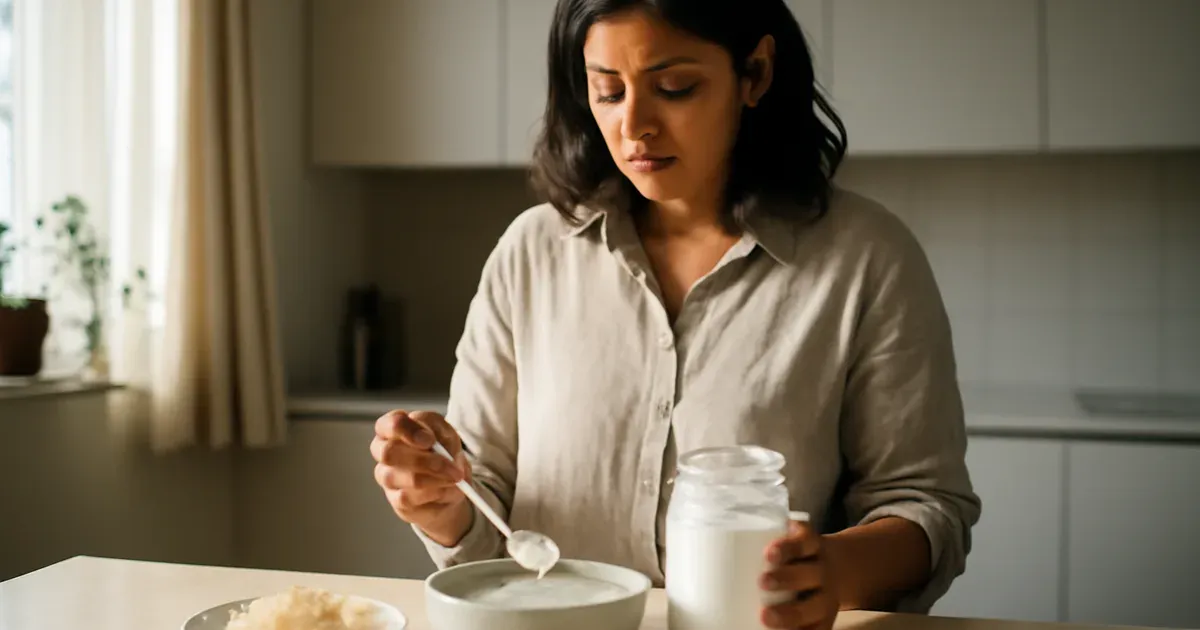
Emerging research from the British Nutrition Foundation and international trials suggests that targeted probiotic interventions may produce antidepressant-like effects. In animal studies, certain probiotic strains have demonstrated effects comparable to the SSRI escitalopram (Lexapro), and outperformed it in maintaining healthy weight and metabolic function. The field of "psychobiotics" — live bacteria with measurable mental health benefits — is now a legitimate area of UK microbiome research.
The caveat is important: Not all probiotics are equal, the evidence in humans is still developing, and self-prescribing high-dose supplements without dietary foundation is unlikely to deliver meaningful results. The British Dietetic Association recommends a food-first approach, with supplements considered only when dietary changes have been optimised.
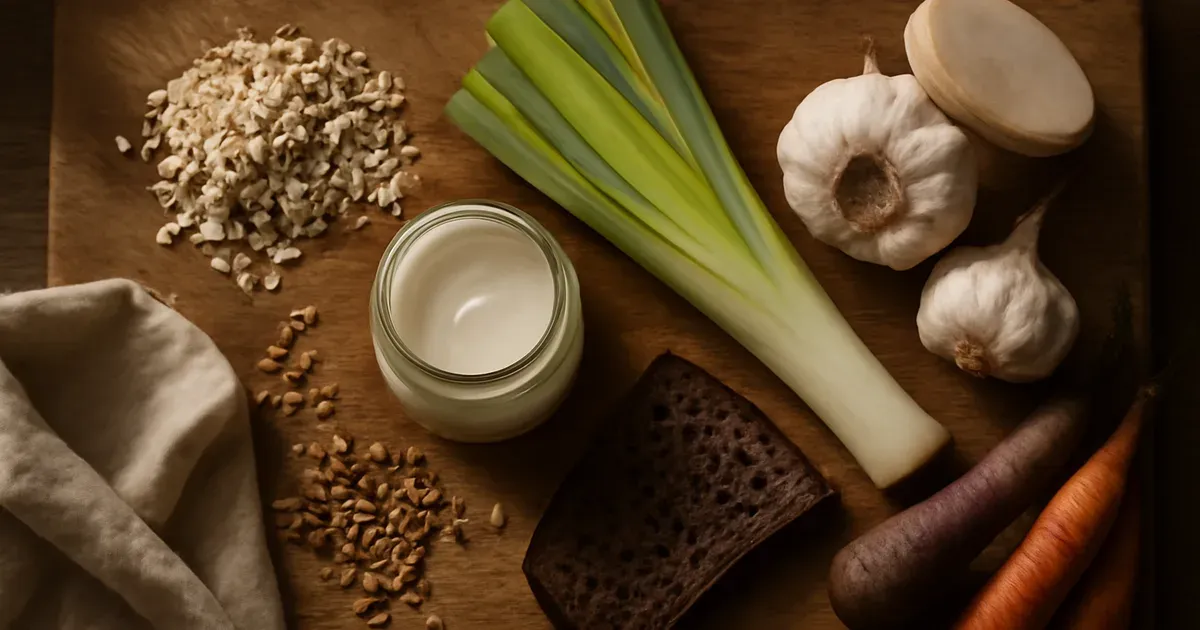
Actionable takeaway: Rather than reaching for a probiotic capsule immediately, begin by diversifying your diet with prebiotic-rich foods — garlic, leeks, onions, Jerusalem artichokes, and oats — which feed the beneficial bacteria already living in your gut.
The gut-brain connection is no longer fringe science — it is a rapidly expanding field with direct implications for how depression, PTSD, addiction, and emotional resilience are understood and treated in the UK. From the serotonin produced in your intestinal lining to the microbial shifts triggered by psychedelic medicines, your gut is a critical player in your mental health story. The most powerful step you can take right now is to treat your gut and your brain as one system — because that is exactly what they are.
You might also like
- How to Improve Gut Health with Meditation
- How to Improve Gut Health Naturally in 5 Steps
- Your Oral Microbiome Questions Answered
Frequently Asked Questions
What exactly is the gut-brain axis?
The gut-brain axis refers to the biochemical signalling network that links your gastrointestinal tract and your central nervous system. It operates via the vagus nerve, the immune system, hormones, and neurotransmitters — particularly serotonin. Communication travels in both directions: your emotional state affects your digestion, and your gut microbiome influences your mood, cognition, and stress response.
How can I improve gut health naturally in the UK?
The most evidence-backed strategies include increasing dietary fibre to the NHS-recommended 30g per day, eating 30 different plant foods per week, incorporating fermented foods such as live yoghurt and kefir, reducing ultra-processed foods, limiting unnecessary antibiotic use, managing chronic stress, and getting adequate sleep. These measures collectively support microbial diversity, which is the cornerstone of a healthy gut-brain connection.
Is there NHS support available for gut health and mental health together?
The NHS is increasingly recognising the overlap between gut disorders and mental health conditions. Your GP can refer you to a gastroenterologist, a registered dietitian, or a mental health practitioner depending on your symptoms. The British Dietetic Association also maintains a directory of specialist dietitians who focus on the gut-brain connection and can offer tailored dietary guidance.
Can psychedelic therapy affect gut health?
Early research and clinical observation suggest that psychedelics — particularly ayahuasca and psilocybin — interact directly with the gut's serotonin system via the vagus nerve. This produces physical GI effects during the experience and may have longer-term implications for gut microbiome composition. UK-based researchers at Imperial College London are among those exploring these mechanisms, though robust clinical data specific to gut outcomes remains limited and this is an active area of investigation.
What are psychobiotics and are they available in the UK?
Psychobiotics are live probiotic strains that have been shown — primarily in animal studies and early human trials — to produce measurable effects on mood and anxiety. While several products are commercially available in the UK, the British Nutrition Foundation advises caution: the evidence base is still developing, strain specificity matters enormously, and a diverse whole-food diet remains the most reliable foundation for a healthy microbiome and gut-brain connection.
96 Bacterial Strains. Two Shots a Day.
GOODIE is an award-winning fermented drink with 96 live bacterial strains — more than any yogurt or kombucha — never pasteurised, clinically tested, and 8 in 10 users felt less bloating within 14 days. Curious?