Natural Compound Kills C. difficile Without Harming Good Gut Bacteria
Scientists identify argyrin B, a natural compound that kills C. difficile without harming beneficial gut bacteria — a potential breakthrough for NHS infection t

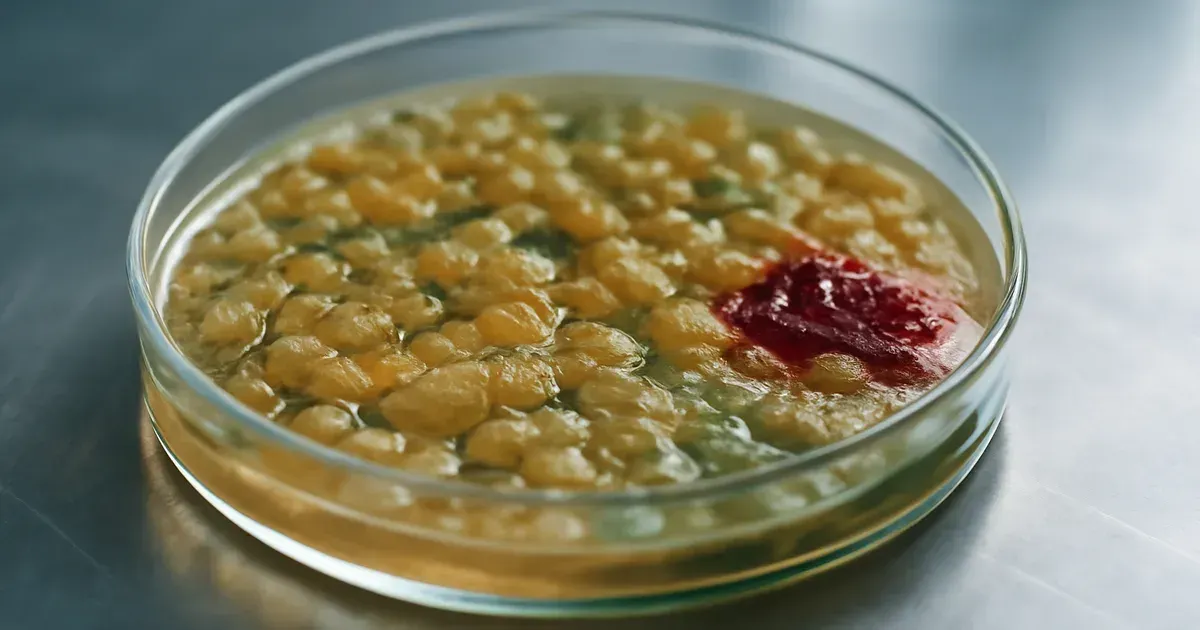
Scientists have identified a natural compound capable of eliminating Clostridioides difficile — one of the most dangerous gut bacteria — while leaving beneficial microbes unharmed, according to research published this week. The compound, known as argyrin B, showed potent activity against C. difficile in laboratory tests and significantly reduced bacterial burden in an animal model of infection, offering a potential breakthrough for gut health in the UK and beyond.
Why This Matters for Gut Health in the UK
C. difficile infection (CDI) is a leading cause of antibiotic-associated diarrhoea and represents a serious burden on NHS services. Current treatments — including the antibiotic vancomycin — are effective at tackling the infection but cause significant collateral damage to the gut microbiome, often prolonging dysbiosis and raising the risk of recurrence or secondary infections. For anyone who has struggled to improve gut health naturally after a course of antibiotics, this cycle can feel impossible to break. A more targeted approach has long been needed.
What the Research Found
A study published in npj Antimicrobials and Resistance found that argyrin B displays a narrow antimicrobial spectrum, meaning it targets C. difficile specifically without decimating the broader gut microbiota. Researchers reported that the compound preserved microbiota functionality in a mouse model of CDI — a significant departure from the broad-spectrum disruption caused by existing treatments. According to the researchers, argyrin B's selective action could help reduce the high recurrence rates that make CDI so difficult to treat under current NHS pathways.
What This Means for Patients and the Microbiome
For those concerned with microbiome health in the UK, this research signals a shift in how clinicians might one day approach stubborn gut infections. Rather than accepting widespread microbial damage as an inevitable side effect of treatment, a targeted compound like argyrin B could preserve the diversity and balance that underpins overall gut-brain health. Scientists caution that these are early-stage findings, and further trials in humans will be needed before any clinical application is possible.
This discovery adds to a growing body of UK microbiome research demonstrating that protecting beneficial gut bacteria is just as important as eliminating harmful ones. The gut-brain connection — now well established in the scientific literature — means that preserving microbial balance has implications not only for digestive health but potentially for mood, cognition, and immune function too. Researchers and clinicians in the UK are increasingly focused on treatments that work with the microbiome rather than against it.
If argyrin B progresses successfully through further trials, it could represent a meaningful step forward in how the NHS manages one of its most persistent and costly infectious diseases — offering patients a gentler, more effective route to recovery without the collateral damage to gut health that current antibiotics carry.
You might also like
- Protein vs Fibre: Which Keeps You Fuller?
- How to Improve Gut Health for a Stronger Heart
- 7 Reasons Protein & Fibre Are Failing Your Gut Health
96 Bacterial Strains. Two Shots a Day.
GOODIE is an award-winning fermented drink with 96 live bacterial strains — more than any yogurt or kombucha — never pasteurised, clinically tested, and 8 in 10 users felt less bloating within 14 days. Curious?