Gut Bacteria Bile Acid Speeds Colorectal Tumour Growth
German researchers found a gut bacteria-derived bile acid speeds colorectal tumour growth in animals on a high-fat diet, in a landmark multi-model study.

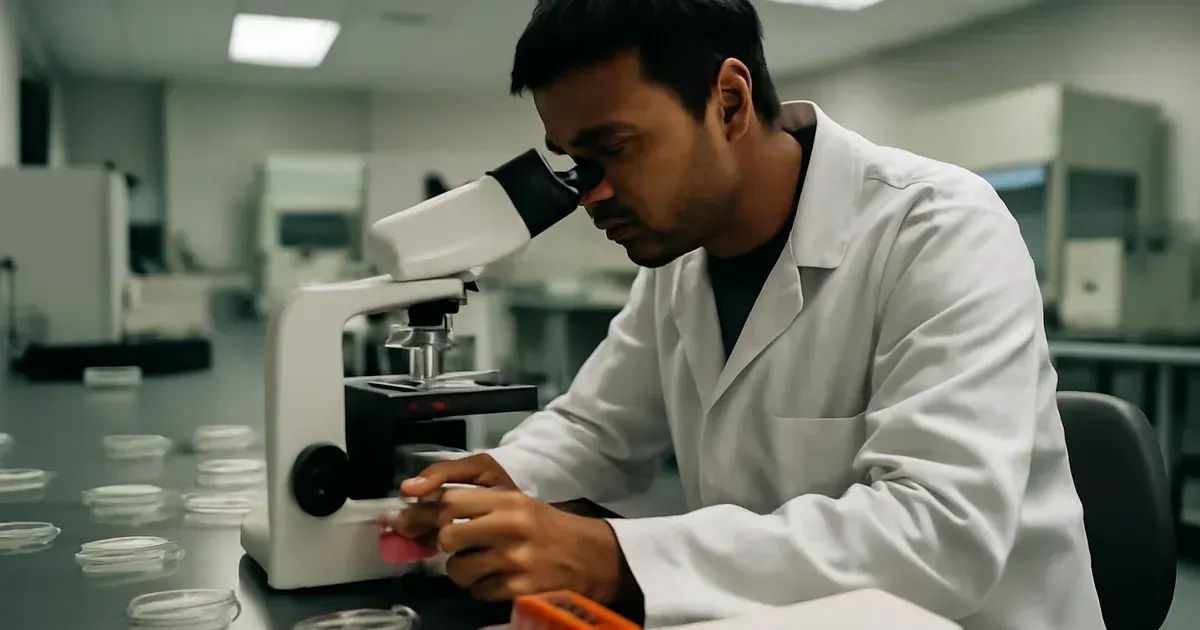
A German-led research team has produced what scientists are calling the strongest experimental evidence yet that a specific molecule manufactured by gut bacteria — triggered by a high-fat Western diet — actively accelerates colorectal tumour growth, rather than merely correlating with it. The study, reported by Medical Daily on 18 August 2026, used pigs, mice, and human colon tissue to establish the mechanistic link between diet, microbiome activity, and cancer progression.
Why This Matters for Gut Health in the UK
Colorectal cancer is one of the most common cancers in the UK, with tens of thousands of new cases diagnosed each year through NHS pathways. Research into gut health UK populations has long suggested that diet shapes cancer risk, but pinpointing how that happens at a molecular level has proved elusive. This study moves the science forward by identifying a specific gut bacteria-derived bile acid as a probable driver — not just a bystander — in tumour development, lending new urgency to microbiome UK research and dietary public health messaging.
Bacteria, Bile, and a High-Fat Diet: The Core Finding
According to the researchers, gut bacteria metabolise dietary fats and produce secondary bile acids as a byproduct. The study found that, in animals fed a high-fat Western-style diet, these bacterially derived bile acids measurably sped colorectal tumour growth compared with controls on a different diet, per Medical Daily. The experimental design — spanning pigs, mice, and human colon tissue samples — was chosen specifically to bridge the gap between animal models and human biology, strengthening the translational relevance of the findings. Scientists report the evidence points to an active, causal mechanism rather than an association.
What This Means for Your Gut Microbiome
For health-conscious adults in the UK, these findings reinforce the growing body of evidence connecting microbiome composition, diet quality, and serious disease risk. The gut-brain connection research community has long argued that what we eat shapes which bacterial species thrive — and this study suggests those species then produce molecules with direct consequences for gut tissue health. Researchers have not yet outlined specific clinical recommendations, but the findings add scientific weight to existing UK dietary guidelines encouraging reduced saturated fat intake and higher dietary fibre consumption, in line with the NHS Eatwell Guide.
This research underlines that improving gut health naturally — through dietary change — may have consequences that extend well beyond digestion or mood. The microbiome is increasingly understood as an active participant in disease processes, and studies like this one are helping scientists and clinicians map exactly how. As UK microbiome research continues to grow through initiatives such as the British Gut Project and MRC-funded programmes, findings of this nature are likely to inform future NHS screening and dietary intervention strategies.
You might also like
- Western Diet, Gut Bacteria and Colon Cancer Risk
- Oral–Gut Microbiome Axis: Your Questions Answered
- How to Improve Gut Health Naturally in 6 Steps
96 Bacterial Strains. Two Shots a Day.
GOODIE is an award-winning fermented drink with 96 live bacterial strains — more than any yogurt or kombucha — never pasteurised, clinically tested, and 8 in 10 users felt less bloating within 14 days. Curious?