Oral–Gut Microbiome Axis: Your Questions Answered
Discover how your mouth and gut microbiomes are connected, what UK research reveals, and how to improve gut health naturally through oral hygiene.

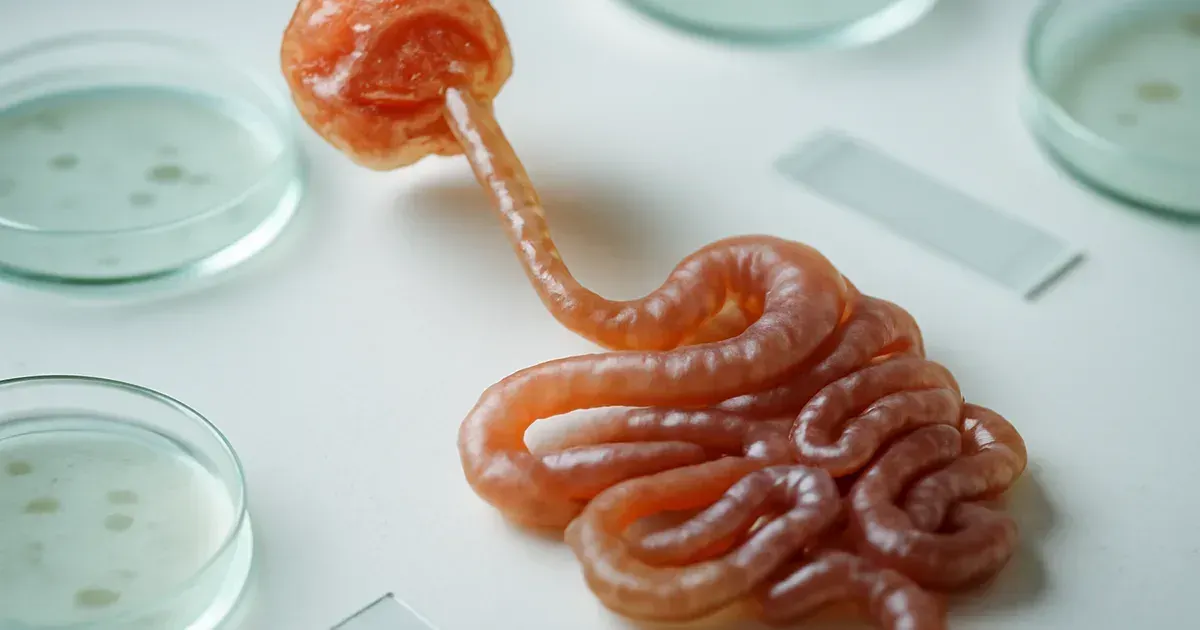
The idea that your mouth and gut are in constant microbial conversation is surprising to most people — and the science behind it is genuinely fascinating. You may have heard plenty about gut health, the gut-brain connection, or the importance of a diverse microbiome, but the link between oral bacteria and your digestive system rarely gets the attention it deserves. Whether you are trying to improve gut health naturally or simply curious about what UK microbiome research is uncovering, this guide answers your biggest questions in plain English.
Jump to Your Question
What is the oral–gut microbiome axis?
How are the mouth and gut connected?
What keeps oral bacteria out of the gut?
Can poor oral health affect your gut microbiome?
How does this relate to the gut-brain connection?
What diseases are linked to oral–gut microbial imbalance?
How is UK microbiome research advancing this field?
How can you improve gut health naturally through oral hygiene?
What is the oral–gut microbiome axis?
The oral–gut microbiome axis refers to the bidirectional relationship between the microbial communities living in your mouth and those living in your gut. Research published in the journal Cancers describes how oral-to-gut and gut-to-oral microbial transmissions can actively shape — and reshape — the microbial ecosystems in both locations, ultimately influencing the development of disease.
Think of it less as two separate systems and more as two interconnected hubs on the same network. Bacteria, fungi, and other microorganisms travel between these hubs, and disruptions in one area can ripple into the other. In the UK, growing interest in microbiome science — from the British Gut Project at King's College London to large-scale UK Biobank studies — is helping researchers map exactly how these microbial conversations affect overall health.
Understanding the oral–gut microbiome axis matters because it shifts the conversation from organ-specific gut health to a whole-body, systemic view of how microbes regulate our physiology.
How are the mouth and gut connected?
The mouth and gut are physically and chemically connected via the gastrointestinal (GI) tract — a continuous hollow canal that begins at the mouth and ends at the anus. Saliva and partially digested food pass through the entire length of this tract, carrying microorganisms along with them.
According to the Human Microbiome Project (HMP), more than half of all bacteria in the human body reside either in the GI tract (approximately 29%) or the oral cavity (approximately 26%). That makes these two sites the largest microbial ecosystems in the human body — by a significant margin.
Key points about this physical connection:
- Saliva transports roughly 100 million bacteria per millilitre through the digestive tract every day.
- Diet and nutrition influence both habitats simultaneously, since food passes through both environments.
- Anatomical continuity means that any barrier disruption anywhere along the tract can allow microbial migration.

What keeps oral bacteria out of the gut?
The oral–gut barrier is the collective defence system that prevents oral microbes from colonising the intestines under normal circumstances. Despite swallowing up to 1.5 litres of saliva daily, healthy people do not typically accumulate oral bacteria in the gut — because the barrier works effectively.
This barrier has several layers of defence:
- Gastric acid in the stomach destroys the majority of swallowed bacteria.
- Bile acids in the duodenum act as a further antimicrobial checkpoint.
- Intestinal immune responses including secretory IgA antibodies help neutralise incoming microbes.
- Competitive exclusion by the resident gut microbiota prevents newcomers from taking hold.
When this barrier is compromised — through conditions such as inflammatory bowel disease (IBD), long-term use of proton pump inhibitors (PPIs), or immune suppression — oral bacteria can successfully translocate to the intestinal mucosa. This breakdown is increasingly recognised as a significant driver of gut dysbiosis. In the UK, NHS guidelines on long-term PPI use are partly informed by these concerns.
Can poor oral health affect your gut microbiome?
Yes — poor oral health can directly disrupt your gut microbiome by increasing the load of pathogenic oral bacteria that are swallowed and potentially colonise the intestinal lining. Gum disease (periodontitis) in particular has been associated with elevated levels of bacteria such as Fusobacterium nucleatum and Porphyromonas gingivalis in the gut.
Dental hygiene is highlighted in research on the oral–gut microbiome axis as an important factor shaping the oral microbiome, given that the oral cavity is directly exposed to the external environment. When harmful oral bacteria flourish — due to poor brushing habits, smoking, or a diet high in ultra-processed foods — the downstream effects on gut health can be substantial.
For UK adults, the British Dental Association and the NHS both recommend brushing twice daily, flossing regularly, and attending dental check-ups — advice that is now carrying greater weight in the context of whole-body microbiome health.
| Factor | Effect on Oral Microbiome | Effect on Gut Microbiome |
|---|---|---|
| Poor dental hygiene | Increased pathogenic species | Greater bacterial translocation risk |
| High sugar/UPF diet | Oral dysbiosis | Reduced microbial diversity |
| Smoking | Shifts oral microbial balance | Associated with gut inflammation |
| Regular brushing/flossing | Supports commensal species | Reduces harmful bacteria reaching the gut |
How does this relate to the gut-brain connection?
The gut-brain connection describes the two-way communication pathway between the gut microbiome and the central nervous system — and the oral–gut axis feeds directly into this network. When oral dysbiosis contributes to gut dysbiosis, the downstream effects can include altered neurotransmitter production, systemic inflammation, and changes in mood, cognition, and stress responses.
The gut produces around 90% of the body's serotonin, and a disrupted microbiome — whether triggered by oral bacterial translocation or other causes — can interfere with this production. Research from King's College London and Imperial College London has explored how microbial imbalances contribute to conditions including depression, anxiety, and even neurodegenerative diseases via the gut-brain axis.

Practically speaking, if you want to improve gut health naturally with the gut-brain connection in mind, oral hygiene is a surprisingly powerful lever. A healthier mouth supports a healthier gut microbiome, which in turn supports better mental and neurological health.
What diseases are linked to oral–gut microbial imbalance?
Disruption of the oral–gut microbiome axis has been associated with a range of gastrointestinal diseases and cancers. The bidirectional nature of microbial transmission means that dysbiosis in either location can accelerate pathological processes in both.
Conditions currently linked to oral–gut microbial imbalance include:
- Inflammatory bowel disease (IBD): including Crohn's disease and ulcerative colitis, which affect approximately 300,000 people in the UK according to Crohn's & Colitis UK.
- Colorectal cancer: oral bacteria such as Fusobacterium nucleatum have been detected in colorectal tumours.
- Pancreatic cancer: oral microbial signatures are being studied as potential early biomarkers.
- Non-alcoholic fatty liver disease (NAFLD): gut dysbiosis driven by oral bacteria has been proposed as a contributing mechanism.
- Irritable bowel syndrome (IBS): an incredibly common condition in the UK, with emerging links to microbial imbalance along the GI tract.
The research is still evolving, but the clinical implications are significant: your dentist and your gastroenterologist may soon need to be working much more closely together.
How is UK microbiome research advancing this field?
UK microbiome research is at the forefront of understanding how microbial communities influence systemic disease. Several institutions are making important contributions to the science of the oral–gut axis specifically.
- King's College London — home of the British Gut Project, one of the largest citizen science microbiome studies in the world, which has generated rich data on UK population gut microbiome diversity.
- Imperial College London — actively researching links between the microbiome, metabolic disease, and cancer using multi-omic approaches.
- University of Oxford — investigating how diet shapes the gut microbiome in the context of the UK Eatwell Guide and population-level dietary patterns.
- UK Biobank — providing large-scale genomic and health data that researchers are now linking to microbiome profiles.
- Wellcome Trust and MRC — funding major UK programmes exploring the microbiome's role in immunity, inflammation, and the gut-brain connection.
For UK adults, this means the science underpinning gut health advice is increasingly grounded in British population data — not just overseas studies.

How can you improve gut health naturally through oral hygiene?
Improving your oral hygiene is one of the most underappreciated ways to improve gut health naturally. By reducing the burden of harmful oral bacteria, you lower the risk of pathogenic microbes translocating to your intestinal lining and disrupting your gut microbiome.
Practical steps supported by the evidence:
- Brush teeth twice daily with fluoride toothpaste, as recommended by the NHS.
- Floss or use interdental brushes daily to reduce subgingival plaque — a key reservoir of pathogenic bacteria.
- Attend NHS dental check-ups regularly to monitor and treat gum disease early.
- Eat a fibre-rich diet aligned with the UK Eatwell Guide — fibre feeds beneficial bacteria in both your mouth and gut.
- Limit sugar and ultra-processed foods, which drive oral and gut dysbiosis simultaneously.
- Stay well hydrated — saliva is your mouth's natural antimicrobial defence, and dehydration reduces its protective function.
- Avoid smoking — tobacco is one of the most damaging factors for both oral and gut microbial balance.
The British Dietetic Association (BDA) recommends at least 30g of dietary fibre per day for UK adults — a target that simultaneously supports a diverse gut microbiome and healthier oral pH.
The Bottom Line
- Your mouth and gut are part of the same microbial ecosystem, connected by the GI tract and in constant two-way communication.
- The oral–gut barrier — including gastric acid, bile acids, and immune defences — normally prevents oral bacteria from colonising the gut, but this barrier can fail.
- Poor oral health can drive gut dysbiosis, which in turn can disrupt the gut-brain connection and contribute to GI disease.
- UK microbiome research, from the British Gut Project to UK Biobank studies, is rapidly advancing our understanding of how the oral–gut axis affects whole-body health.
- Simple habits — brushing, flossing, eating more fibre, and attending dental check-ups — can meaningfully support both oral and gut microbiome health in the UK.
Looking to explore more about how your gut microbiome shapes your health? Read on below.
You might also like
- How to Improve Gut Health Naturally in 6 Steps
- Your Mouth & Your Gut: The Oral Microbiome
- 7 Warning Signs Your Oral Microbiome Is Wrecking Your Gut
96 Bacterial Strains. Two Shots a Day.
GOODIE is an award-winning fermented drink with 96 live bacterial strains — more than any yogurt or kombucha — never pasteurised, clinically tested, and 8 in 10 users felt less bloating within 14 days. Curious?