Gut Bacteria Linked to ALS and Neurodegeneration
New research suggests gut bacterial sugars may trigger inflammation linked to ALS, deepening the science of the gut-brain connection.

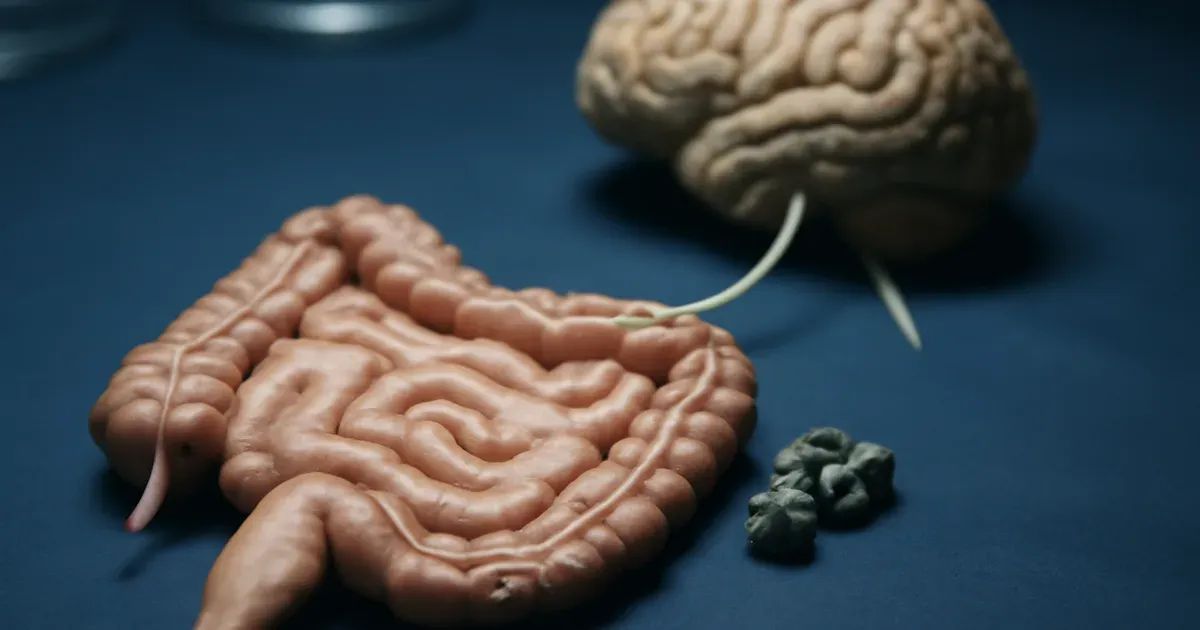
Bacterial sugars produced in the gut could be a hidden trigger for two of the most serious neurodegenerative diseases known to science, according to new research published in April 2026. The study, reported by ScienceAlert, suggests that microbial glycogen — a sugar compound generated by gut bacteria — may play a previously unrecognised role in the development of amyotrophic lateral sclerosis (ALS) and a related condition affecting the brain. The findings add a striking new dimension to our understanding of the gut-brain connection.
Why This Matters
ALS is a progressive and ultimately fatal motor neurone disease with no current cure, making any new insight into its origins significant. Growing evidence has pointed toward the gut microbiome as a factor in neurological conditions, but the specific mechanisms have remained poorly understood. Research into gut health UK and globally has accelerated in recent years, with institutions such as King's College London and the University of Oxford contributing to microbiome UK science. The gut-brain connection — the biochemical signalling pathway between the digestive system and the central nervous system — is now considered a serious focus in neurodegenerative disease research.
Microbial Glycogen: The Key Finding
A 2025 study published in Cell Reports found that the protein C9orf72, which is expressed in immune cells, normally acts to suppress inflammatory responses triggered by microbial glycogen — a sugar structure produced by bacteria residing in the gut. According to the research, when C9orf72 function is disrupted, microbial glycogen may provoke an unchecked inflammatory response. Mutations in C9orf72 are already known to be the most common genetic cause of ALS, per ScienceAlert, making this gut-derived inflammatory pathway a compelling area of investigation.
What This Means for Gut and Brain Health
For health-conscious adults in the UK, these findings underscore the importance of maintaining a balanced gut microbiome — not only for digestive wellbeing but potentially for long-term neurological health. While it is far too early to draw clinical conclusions, scientists report that understanding how gut bacteria influence brain disease could open new avenues for early intervention. NHS gut health guidance already encourages a fibre-rich diet to support a diverse microbiome, and this research suggests those foundations may matter more than previously appreciated.
The study highlights that the gut is not a passive organ — it is an active participant in whole-body health, including the health of the brain. As UK microbiome research continues to expand, findings like these reinforce why improving gut health naturally, through diet and lifestyle, remains a credible and evidence-backed goal. Researchers are expected to investigate whether modulating gut bacteria populations could one day reduce neuroinflammatory risk in genetically susceptible individuals.
You might also like
- How to Train for Your Body Type and Gut Health
- Skin Flare-Ups Linked to Gut Health and Internal Triggers
- Homemade Yogurt: Gut Health Benefits Explained
96 Bacterial Strains. Two Shots a Day.
GOODIE is an award-winning fermented drink with 96 live bacterial strains — more than any yogurt or kombucha — never pasteurised, clinically tested, and 8 in 10 users felt less bloating within 14 days. Curious?