Gut-Brain Science Backs What Black Elders Knew
Gut-brain science is validating the foraging traditions of Black elders, linking fibre-rich wild plants to microbiome health and better mental wellbeing.

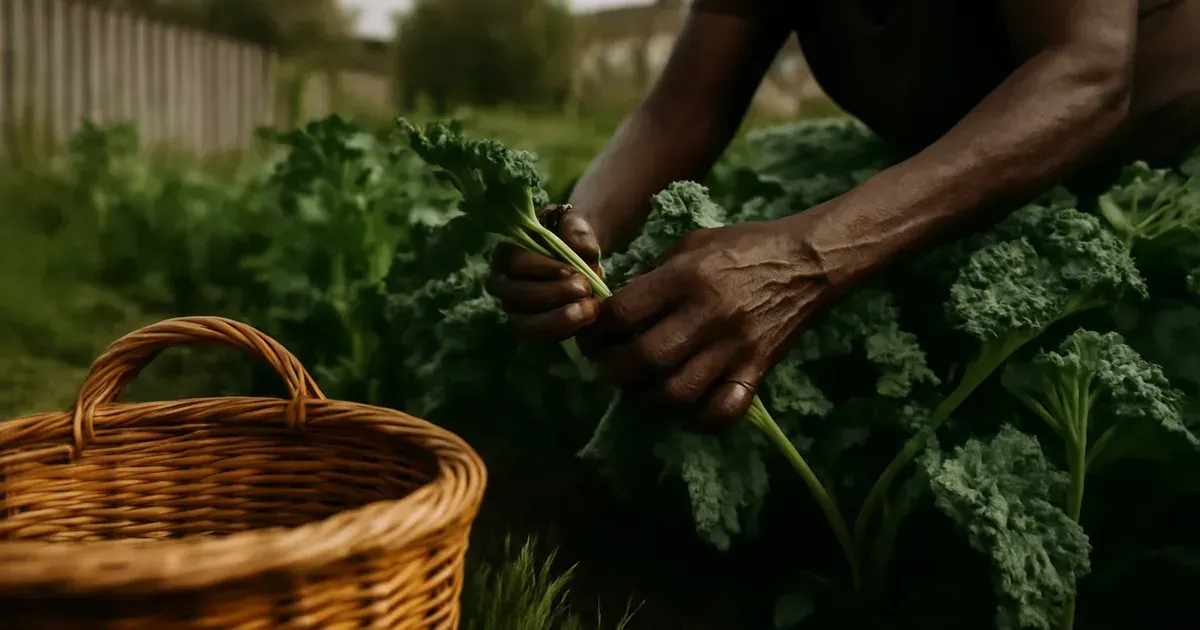
Modern gut-brain science is catching up with generations of ancestral wisdom, according to a piece published in Psychology Today on 15 October 2026. Written by Arletha D. Lizana Ph.D., MPH, MBA, the article argues that the field greens and foraged plants long favoured by Black elders in the American South — and carried into communities like Pittsburgh — were quietly supporting mental health through the gut microbiome, long before the science existed to explain why.
Why This Matters
Research into the gut-brain connection has accelerated significantly in recent years, with growing evidence that the trillions of microbes living in the human digestive tract influence mood, cognition, and mental wellbeing. In the UK, institutions such as King's College London and the British Gut Project have contributed substantially to microbiome UK research, helping to establish how diet shapes the microbial communities that, in turn, shape mental health. The gut microbiome communicates with the brain via a complex bidirectional network involving the vagus nerve, immune signalling, and neurochemical production. This is not fringe science — it is increasingly mainstream.
Traditional Plant Foods and the Microbiome
Lizana's Psychology Today piece centres on the foraged "weeds" and field greens that Black grandmothers across generations harvested and prepared as everyday food. Per the source article, these plants — dandelion greens, purslane, lamb's quarters, and similar — are rich in the dietary fibre and polyphenols that feed beneficial gut bacteria. A 2023 review in PMC found that gut microbiota, particularly Firmicutes and Bacteroidetes, affect mental health through the microbiota-gut-brain axis, and that dietary components including prebiotics play a protective role against anxiety and depression. Lizana frames elder food traditions as an intuitive, culturally grounded form of what researchers now call psychobiotic nutrition.
What This Means for UK Readers
For health-conscious adults in the UK, the article offers a timely prompt to reconsider so-called "weeds" in their own food heritage — from nettles and dandelion leaves to elderberries — as functional foods with genuine microbiome benefits. The NHS gut health agenda increasingly emphasises dietary fibre and plant diversity; the UK Eatwell Guide recommends at least 30g of fibre per day, a target most British adults still fall short of. Bridging ancestral food knowledge with contemporary microbiome science could offer a culturally resonant way to improve gut health naturally.
The science of the gut-brain connection is confirming what many communities knew long before clinical trials: that what we eat from the land affects how we feel in the mind. Lizana's essay is a reminder that indigenous and elder food knowledge deserves not just respect, but serious scientific attention — and that foraging traditions dismissed as poverty food may, in fact, represent sophisticated nutritional intelligence passed down through generations.
You might also like
- Protein vs Fibre: Which Keeps You Fuller?
- 7 Reasons Protein & Fibre Are Failing Your Gut Health
- Gut Health: Why Eating Same Veg Falls Short
96 Bacterial Strains. Two Shots a Day.
GOODIE is an award-winning fermented drink with 96 live bacterial strains — more than any yogurt or kombucha — never pasteurised, clinically tested, and 8 in 10 users felt less bloating within 14 days. Curious?