7 Reasons Protein & Fibre Are Failing Your Gut Health
Discover why eating protein and fibre separately is failing your gut health — and how combining them transforms your microbiome, mood, and energy.

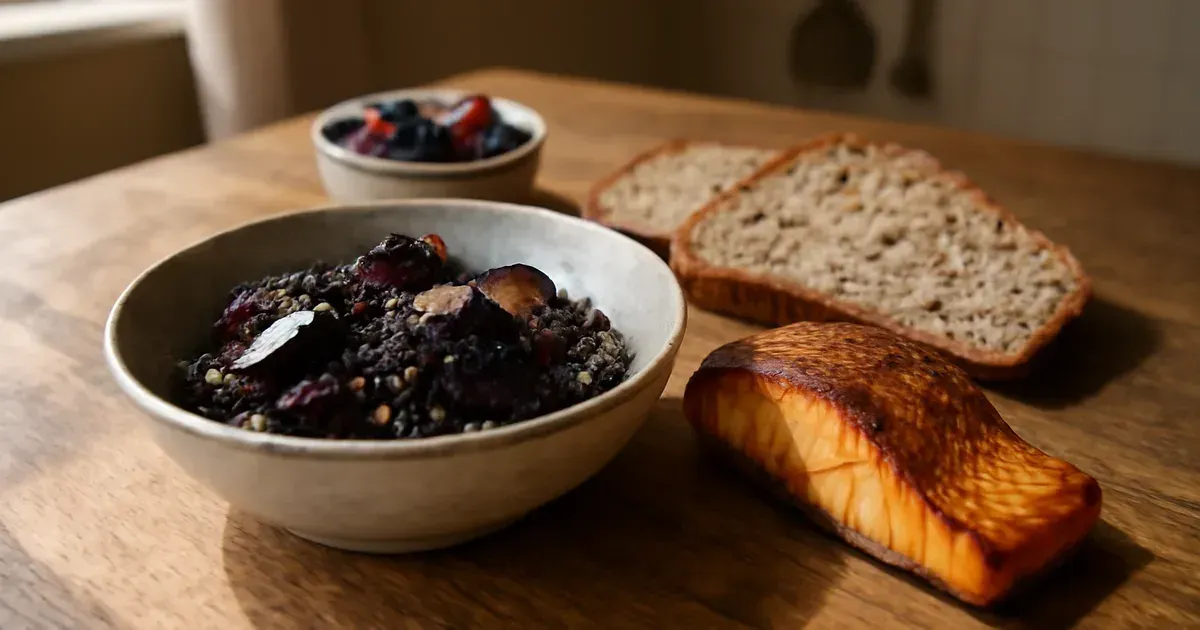
You're Counting Macros — But Your Gut Is Still Struggling
Protein is dominating the conversation on social media, and fibre is finally getting some long-overdue attention. Yet millions of people in the UK are meticulously hitting their macro targets and still dealing with bloating, energy crashes, and poor digestion. The reason? Getting enough of each nutrient in isolation isn't the same as getting them to work together — especially for your gut microbiome. If your goal is to improve gut health naturally, the protein-versus-fibre debate is the wrong argument to be having. It's time to reframe everything.
The stakes are higher than most people realise. Research from King's College London and the British Gut Project consistently shows that dietary diversity — particularly adequate fibre intake — is one of the strongest predictors of a healthy, diverse gut microbiome in the UK population.
1. You're Treating Protein and Fibre as Rivals Instead of Allies
The single biggest mistake people make is pitting these two nutrients against each other. Registered dietitians are unanimous: protein and fibre are nutritional allies, not competitors. When eaten together, they slow digestion, stabilise blood sugar, and extend the feeling of fullness far beyond what either nutrient achieves alone. This synergy also matters profoundly for the gut-brain connection — a slower, more stable digestive process reduces the erratic gut signalling that can affect mood and cognitive clarity. Actionable takeaway: Build every meal around both a protein anchor and a fibre-rich plant food, rather than defaulting to one or the other.
2. Your Microbiome Is Starving — Even If You're Not
Most adults in the UK consume far less fibre than the NHS-recommended 30g per day for adults, with average intake sitting closer to 18g according to the National Diet and Nutrition Survey. Your gut bacteria — the trillions of microorganisms that make up your microbiome UK residents are increasingly curious about — feed almost exclusively on fermentable fibre, known as prebiotics. Without sufficient fibre, beneficial bacterial strains decline, and the gut-brain axis, which relies on a healthy microbial community to produce neurotransmitters like serotonin and GABA, is compromised. Actionable takeaway: Aim to add one additional fibre-rich food per meal — lentils, oats, flaxseed, or leafy greens — and track weekly rather than daily to reduce pressure.

3. High-Protein Diets Without Fibre Can Backfire on Gut Health
Loading up on protein without adequate fibre is one of the more common dietary patterns seen in UK gym culture — and it carries a real gut health cost. High animal-protein diets that are low in fibre can shift the gut microbiome towards bacteria that produce pro-inflammatory compounds, including trimethylamine N-oxide (TMAO) and hydrogen sulphide. Research from the University of Reading has highlighted how dietary pattern shifts alter microbial metabolite production with downstream effects on gut permeability and inflammation. Furthermore, protein-dense foods take longer to move through the digestive tract; without enough fibre to maintain motility, constipation and discomfort follow. Actionable takeaway: For every high-protein meal, pair it with at least one serving of vegetables, legumes, or wholegrains to keep transit time healthy.
4. You're Missing the Gut-Brain Connection Hidden in Your Fibre Intake
Fibre does far more than keep you regular. Certain soluble fibres — found in oats, chicory, Jerusalem artichokes, and leeks — act as prebiotics, selectively feeding beneficial bacteria such as Bifidobacterium and Lactobacillus species. These bacteria produce short-chain fatty acids (SCFAs), particularly butyrate, which nourish the gut lining and communicate directly with the vagus nerve — the primary highway of the gut-brain connection. Emerging research from University College London and Imperial College London suggests that SCFA production influences anxiety, depression risk, and cognitive function. A low-fibre diet, then, is not just a digestive issue — it may be a mental health issue. Actionable takeaway: Prioritise prebiotic-rich fibre sources at least once daily to actively support the gut-brain axis.

📊 Key Stat: According to the British Dietetic Association (BDA), only 9% of adults in the UK meet the recommended 30g daily fibre intake. Meanwhile, protein intake tends to exceed recommendations for most non-vegan adults. The gap between fibre and protein consumption is one of the most significant nutritional imbalances in the British diet today.
5. You're Overlooking Plant Proteins — Which Deliver Both Nutrients at Once
One of the simplest ways to improve gut health naturally in the UK is to shift some of your protein intake towards plant sources — because many plant proteins come pre-packaged with significant fibre. A 100g serving of cooked lentils delivers around 9g of protein and 8g of fibre. Chickpeas, black beans, edamame, and tempeh offer similar dual benefits. This matters enormously for the gut microbiome UK research continues to explore: plant-based protein sources provide fermentable substrates that animal proteins simply cannot. The British Nutrition Foundation recommends increasing pulses and legumes as part of a balanced British diet gut health strategy, and this aligns perfectly with UK Eatwell Guide guidance. Actionable takeaway: Swap one animal protein serving per day for a legume-based alternative to simultaneously boost fibre and diversify your microbiome. [Explore our guide to prebiotic foods for UK readers on gutbrain.news]
6. Blood Sugar Spikes Are Disrupting Your Gut-Brain Axis
Rapid blood sugar fluctuations — the kind that follow low-fibre, carbohydrate-heavy meals — don't just leave you feeling foggy and irritable. They actively destabilise the gut environment. High glucose spikes promote the growth of less beneficial bacterial species while reducing microbial diversity, according to research supported by the Wellcome Trust and conducted through UK Biobank cohort data. Soluble fibre slows glucose absorption by forming a gel in the digestive tract, while protein further buffers the glycaemic response by slowing gastric emptying. Together, they create a far more stable internal environment — one that supports clearer thinking, more consistent energy, and a healthier gut-brain connection throughout the day. Actionable takeaway: Combine a source of soluble fibre (such as oats or apple) with a protein (such as Greek yoghurt or eggs) at breakfast to set a stable blood sugar baseline for the day. [See our related article on blood sugar and microbiome health at gutbrain.news]

7. You're Ignoring the Life Stages When Each Nutrient Becomes Critical
Nutritional needs shift significantly across life stages — and so does the relative importance of protein versus fibre for gut health UK adults at different ages. For older adults in the UK, adequate protein (the NHS advises at least 0.75g per kg of body weight daily, with many dietitians recommending higher) becomes critical to prevent sarcopenia — the age-related loss of muscle mass — while fibre remains essential to offset the reduction in gut motility that tends to accompany ageing. For perimenopausal and menopausal women, both nutrients play distinct roles: protein preserves lean muscle as oestrogen declines, while fibre feeds the gut microbiome, which itself influences oestrogen metabolism through the "oestrobolome" — the collection of gut bacteria responsible for metabolising oestrogen. For those recovering from surgery or injury, protein takes immediate precedence, but fibre must be reintroduced carefully to restore healthy digestion. Actionable takeaway: Reassess your protein and fibre targets at each significant life stage, ideally with guidance from a registered dietitian affiliated with the British Dietetic Association.
The Bottom Line: Your Gut Needs Both, Working Together
Protein and fibre are not rivals — they are the foundation of a gut-healthy, balanced British diet. Prioritising one at the expense of the other creates nutritional blind spots that affect everything from digestion and blood sugar to mood, energy, and long-term microbiome diversity. The evidence from UK research institutions is clear: dietary diversity, adequate fibre, and sufficient protein together represent the most powerful nutritional combination for sustained gut and overall health. Start small — add lentils to your next meal, pair your yoghurt with berries, choose wholegrains over white varieties. Your gut microbiome will respond faster than you might expect.
You might also like
- How to Improve Gut Health for a Stronger Heart
- 7 Gut-Brain Secrets That Could Transform Your Mood
- How to Improve Gut Health Naturally in 5 Steps
Frequently Asked Questions
How much fibre do adults in the UK need each day?
The NHS recommends 30g of fibre per day for adults in the UK — yet average intake is only around 18g. Most people can close this gap gradually by adding pulses, wholegrains, nuts, seeds, and a wide variety of vegetables across the week. Increasing fibre intake too rapidly can cause temporary bloating, so build up slowly and increase water intake alongside.
Does a high-protein diet harm the gut microbiome?
Not necessarily — but context matters. A high-protein diet that is also rich in plant-based foods and fibre can be compatible with excellent gut health. The risk arises when high animal-protein intake is paired with very low fibre consumption, which can reduce microbial diversity and increase the production of pro-inflammatory metabolites. Balancing protein sources — including plant proteins like legumes, tofu, and edamame — reduces this risk significantly.
What is the gut-brain connection, and how do protein and fibre affect it?
The gut-brain connection refers to the bidirectional communication network between the digestive system and the brain, primarily via the vagus nerve and the enteric nervous system. Fibre feeds the gut bacteria that produce short-chain fatty acids and neurotransmitter precursors, directly influencing mood, focus, and stress resilience. Protein provides the amino acids (such as tryptophan and tyrosine) needed to synthesise key neurotransmitters including serotonin and dopamine.
Can I get enough protein and fibre on a plant-based diet in the UK?
Absolutely — and in many ways, a well-planned plant-based diet makes hitting both targets easier, since many plant foods deliver protein and fibre together. Lentils, chickpeas, black beans, tofu, tempeh, edamame, and wholegrains all contribute meaningfully to both goals. The British Dietetic Association confirms that a well-planned vegan or vegetarian diet can meet all nutritional needs, including protein, at all life stages.
Should I prioritise protein or fibre if I can only focus on one?
Most UK adults are closer to their protein targets than their fibre targets, making fibre the more pressing priority for the majority. However, if you are over 60, recovering from illness or surgery, going through menopause, or engaged in frequent intense exercise, protein deserves equal — or temporarily greater — attention. The ideal approach, supported by registered dietitians and NHS guidance, is to pursue both simultaneously by building meals around a lean protein anchor and complementary fibre-rich plant foods.
96 Bacterial Strains. Two Shots a Day.
GOODIE is an award-winning fermented drink with 96 live bacterial strains — more than any yogurt or kombucha — never pasteurised, clinically tested, and 8 in 10 users felt less bloating within 14 days. Curious?