Gut-Friendly Diet: Foods for a Healthy Gut
Discover the gut-friendly diet that eases IBS, constipation and heartburn while nourishing your microbiome and supporting the gut-brain axis.

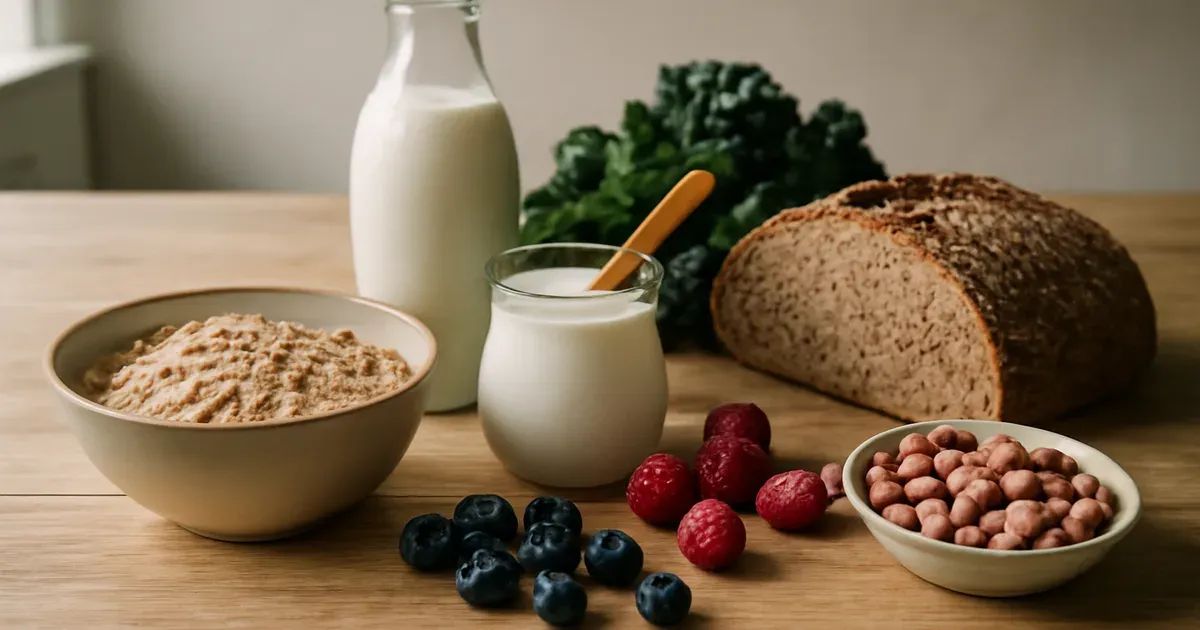
Your digestive system does far more than process food. It houses trillions of microorganisms — your gut microbiome — that influence everything from immunity to mood. When digestion goes wrong, the ripple effects are felt throughout the body. Constipation, heartburn, bloating, and IBS symptoms are signals that your gut needs attention. The good news? A gut-friendly diet is one of the most powerful tools you have. Here is exactly what to eat, what to avoid, and how the latest microbiome science connects to every choice on your plate.
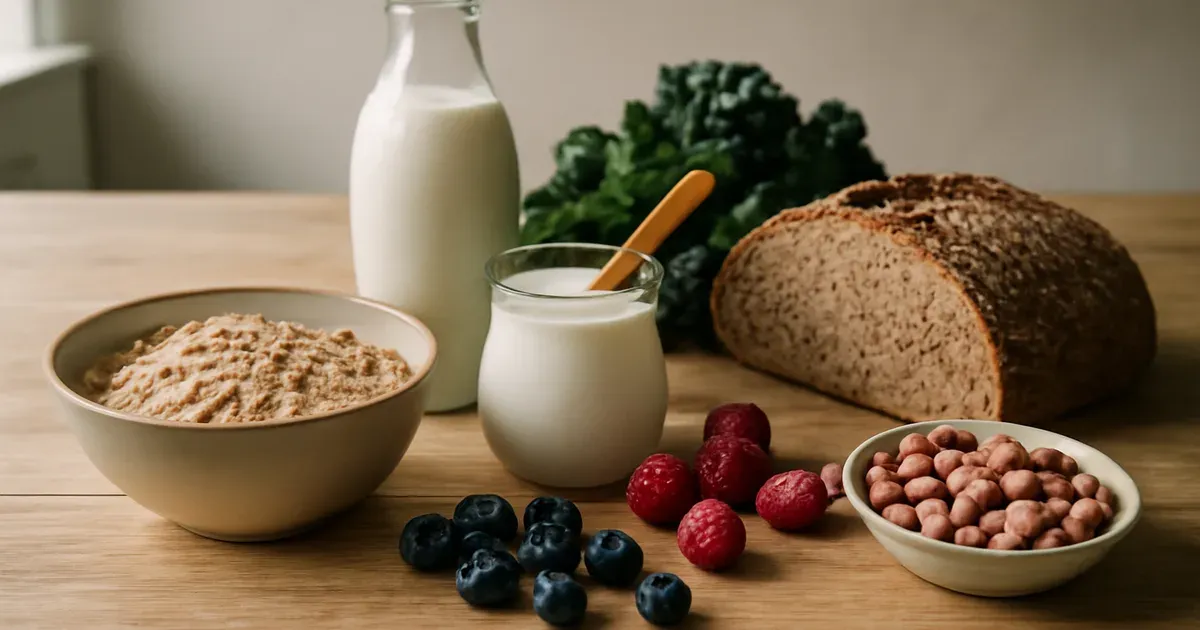
Why Your Gut Microbiome Depends on What You Eat
The gut microbiome is a living ecosystem made up of bacteria, fungi, and viruses that line your digestive tract. Research over the past decade has confirmed that the diversity and balance of these microorganisms is directly shaped by diet. Feed the right bacteria and they thrive; feed the wrong ones and harmful strains can dominate.
A poor diet is the leading cause of low microbial diversity, which has been linked to conditions ranging from IBS and inflammatory bowel disease to anxiety and poor immune function. The gut-brain axis — the two-way communication highway between your digestive system and your brain — means that gut imbalance can affect your mental health too.
The starting point for a healthier microbiome is remarkably straightforward. Eat more fibre, cut back on ultra-processed foods, stay hydrated, and choose anti-inflammatory options over fatty or heavily spiced trigger foods. Let's break that down section by section.
Fill Up on Fibre: The Microbiome's Favourite Fuel
Fibre is the single most important nutrient for gut health. Most people in the UK consume well below the recommended 30g per day, and the microbiome pays the price. Beneficial bacteria ferment dietary fibre to produce short-chain fatty acids (SCFAs) such as butyrate — compounds that reduce gut inflammation, strengthen the intestinal lining, and even signal the brain via the gut-brain axis.
Good fibre sources to prioritise include:
- Wholemeal bread and brown rice
- Oats (which also contain beta-glucan, a prebiotic fibre)
- Beans and legumes
- A wide variety of fruits and vegetables
If cereals and grains trigger bloating or IBS symptoms, shift your fibre intake toward fruit and vegetables instead. The goal is variety — different fibres feed different bacterial strains, and microbiome diversity is closely tied to long-term digestive and mental resilience.

Drink Enough Water to Keep Digestion Moving
Hydration is inseparable from fibre's effectiveness. Fibre acts like a sponge — without adequate fluid, it cannot absorb water and soften waste, leading directly to constipation. Drinking a glass of water with every meal is a simple habit that makes a measurable difference.
Plain water is the best choice, but herbal teas also count and carry no gut-disrupting caffeine. Aim to make water your default drink throughout the day, not just at mealtimes.
Caffeine-containing drinks — coffee, cola, and some teas — boost stomach acid and can trigger heartburn in susceptible people. Fizzy drinks introduce gas that causes bloating and can worsen reflux. If you cannot cut caffeine completely, limiting intake to one or two cups per day significantly reduces the risk.
Cut Back on Fat and Spice to Reduce Gut Stress
Fatty foods such as chips, burgers, and fried meals are harder to digest and slow gastric emptying, increasing the workload on your stomach and the time food spends fermenting in the gut. This contributes to stomach pain, heartburn, and an environment that favours less beneficial bacteria.
Practical swaps that make a real difference:
- Choose lean meats and oily fish over processed or fried options
- Switch to skimmed or semi-skimmed milk
- Grill, steam, or bake rather than fry
Spicy foods are a more nuanced trigger. Many people tolerate chilli and garlic well, and some research even suggests capsaicin (the compound in chillies) may have anti-inflammatory properties in healthy guts. However, if you already experience heartburn, IBS, or stomach pain, milder flavour-forward foods like garlic and onion can still provoke symptoms — so pay attention to your individual response.
Identify and Avoid Your Personal Gut Symptom Triggers
No two microbiomes are identical, which is why gut symptom triggers vary so widely between people. Acidic foods — tomatoes, citrus fruits, salad dressings, and fizzy drinks — are common heartburn culprits. Wheat and onions frequently trigger IBS-type symptoms due to their fermentable carbohydrate content (FODMAPs).
Lactose intolerance is another major source of digestive distress. If your body cannot produce sufficient lactase enzyme, consuming milk, cream, cheese, yoghurt, or chocolate will lead to wind, bloating, and diarrhoea. Switching to lactose-free alternatives or fermented dairy (which contains less lactose) often resolves symptoms.
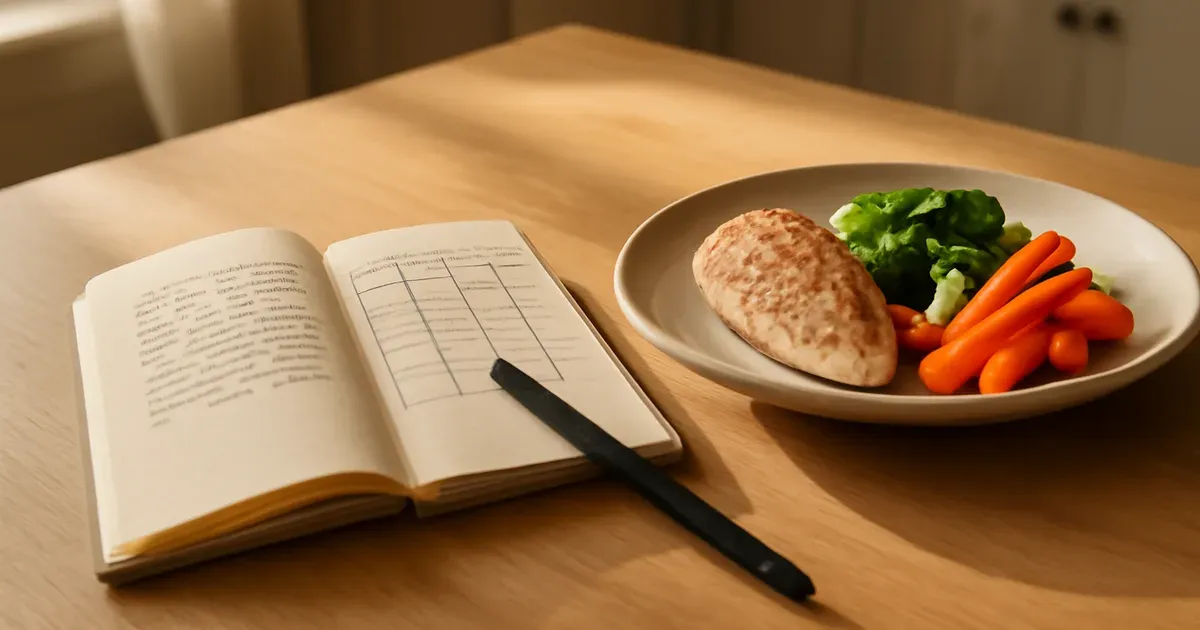
Keeping a food diary remains one of the most reliable strategies for identifying personal triggers. Log what you eat alongside any symptoms for two to four weeks. Patterns emerge quickly, and the data gives you — and any healthcare professional — a clear picture to work from.
Probiotics, Fermented Foods, and the Microbiome Connection
Probiotics are live microorganisms that, when consumed in adequate amounts, confer a health benefit on the host. They are the most direct dietary route to supporting your gut microbiome. Evidence supports their use for IBS symptom management, post-antibiotic recovery, and reducing bloating.
Natural food sources of probiotics include:
- Live yoghurt (look for "live and active cultures" on the label)
- Kefir — a fermented milk drink with significantly higher bacterial counts than yoghurt
- Fermented vegetables such as kimchi and sauerkraut
- Miso and tempeh
Probiotic supplements are also available from health food shops. If you choose supplements, take them consistently for at least four weeks to assess their effect — short-term use is unlikely to produce noticeable change. If you have an existing health condition or a weakened immune system, consult your GP before starting any probiotic supplement.
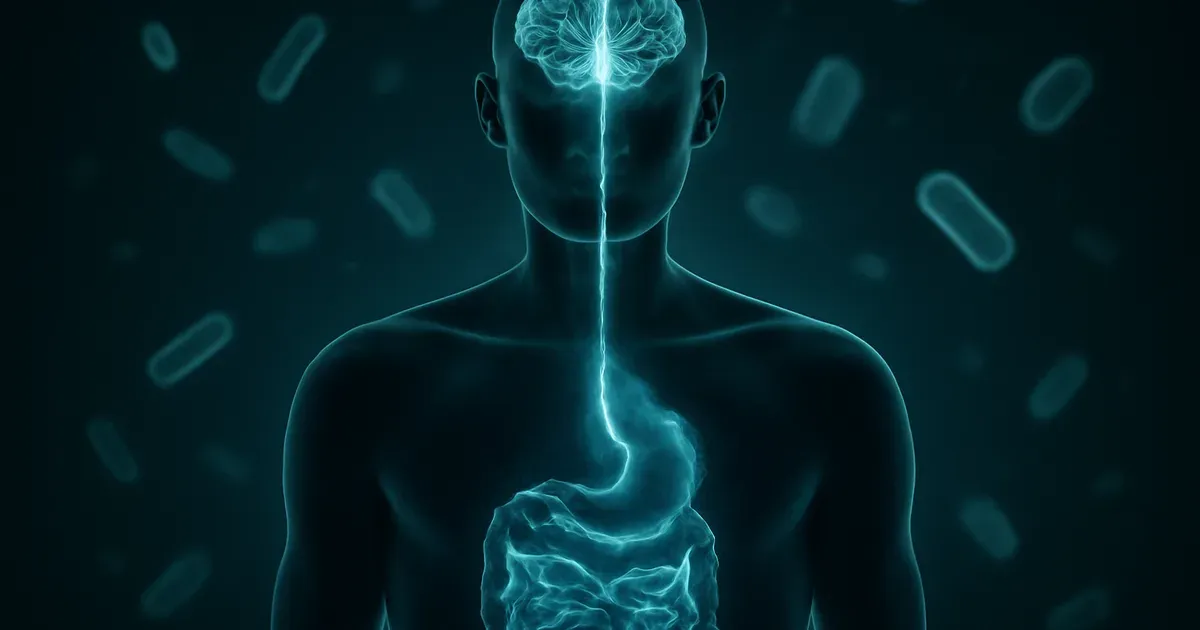
The Gut-Brain Axis: Why Your Diet Affects Your Mood
The connection between gut health and mental wellbeing is no longer fringe science. The gut produces approximately 90% of the body's serotonin — a neurotransmitter central to mood regulation. The vagus nerve connects the gut and the brain in real time, meaning that gut inflammation or microbial imbalance can directly influence anxiety, depression, and cognitive function.
A gut-friendly diet is therefore also a brain-friendly diet. High-fibre foods feed bacteria that produce SCFAs, which reduce neuroinflammation. Fermented foods introduce live bacteria that communicate along the gut-brain axis. Removing ultra-processed, high-fat, high-sugar foods reduces the chronic low-grade inflammation that disrupts both gut and brain function.
Emerging microbiome research suggests that specific bacterial strains — sometimes called "psychobiotics" — may directly improve mood and reduce stress markers. While this field is still developing, the dietary foundations that support a healthy microbiome align closely with those that support mental resilience.
Building Your Gut-Friendly Diet: A Practical Daily Plan
You do not need an overhaul overnight. Small, consistent changes to your daily eating pattern accumulate into significant shifts in microbiome composition within weeks. Here is a simple framework:
Breakfast: Porridge oats with live yoghurt and mixed berries — fibre, probiotics, and antioxidants in one bowl.
Lunch: A wholemeal wrap with lean protein, salad leaves, and a side of mixed beans — diverse fibre sources supporting bacterial variety.
Dinner: Grilled fish or chicken with roasted vegetables and brown rice — low in saturated fat, rich in fibre and micronutrients.
Snacks: Fresh fruit, a small handful of nuts, or a portion of hummus with vegetable sticks.
Drinks throughout the day: Water, herbal teas, and one cup of coffee if desired — avoiding fizzy drinks and excess caffeine.
The Bottom Line
A gut-friendly diet is built on a few consistent principles: eat more fibre from varied sources, stay well hydrated, reduce fatty and heavily processed foods, manage your personal triggers, and include probiotics through food or supplements. These same habits also nourish your gut microbiome — the ecosystem that underpins your digestion, immune system, and even your mental health via the gut-brain axis.
Your gut is not just a digestive organ. It is a dynamic, responsive system that reflects and responds to every food choice you make. Start with one change this week — add a portion of oats, swap a fizzy drink for water, or stir live yoghurt into your breakfast — and build from there.
Frequently Asked Questions
What foods are best for improving gut health quickly?
Foods that show the fastest impact on gut microbiome diversity include live yoghurt, kefir, oats, beans, and a wide variety of vegetables. These provide both probiotics and prebiotic fibre — the combination most reliably shifts the gut environment toward a healthier balance within two to four weeks.
Can a gut-friendly diet help with IBS?
Yes — dietary changes are a first-line recommendation for IBS management. Increasing soluble fibre, identifying personal trigger foods (especially high-FODMAP items like onions, wheat, and lactose), staying hydrated, and trialling probiotics for at least four weeks are all evidence-backed strategies for reducing IBS symptoms.
How does the gut microbiome affect mental health?
The gut produces the majority of the body's serotonin and communicates with the brain via the vagus nerve — a pathway known as the gut-brain axis. Disruptions to the microbiome caused by poor diet, stress, or antibiotics have been linked to increased risk of anxiety and depression. A gut-friendly diet supports both digestive and mental wellbeing.
Are probiotic supplements better than probiotic foods?
Both have value, but whole fermented foods offer additional nutrients alongside live bacteria. Supplements allow for higher, more targeted doses of specific strains. For general gut health maintenance, fermented foods are a practical daily choice; supplements may be more appropriate after antibiotics or for specific conditions — always consult a GP if you are immunocompromised.
How much fibre should I eat per day for a healthy gut?
The recommended daily intake in the UK is 30g of dietary fibre. Most adults consume closer to 18g. Increasing fibre gradually — alongside increased water intake — minimises the bloating and wind that can occur when fibre intake rises too quickly. Aim for variety: different fibre types feed different beneficial bacterial strains.