Gut Health for Men Over 40: Fix Digestion & Energy
Men over 40 face real microbiome decline driving fatigue, bloating & brain fog. Five science-backed pillars restore gut health, immunity & energy fast.


Bloating after every meal. Afternoon energy crashes. A brain that feels wrapped in cotton wool. If any of that sounds familiar, you're not imagining things — and the problem likely starts in your gut. For men over 40, the microbiome shifts in ways that quietly erode digestion, immunity, and mental sharpness. The good news: targeted, practical changes can reverse a surprising amount of that damage.

Why Gut Health Deteriorates After 40
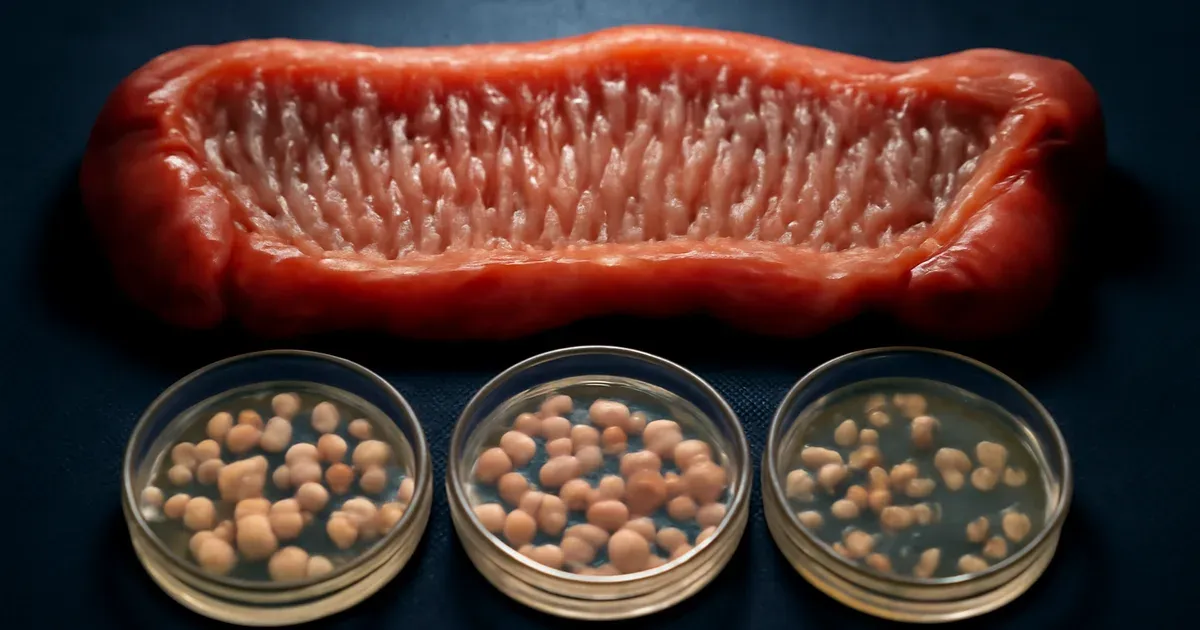
Age isn't just a number when it comes to your microbiome. Research published in journals including Cell Host & Microbe shows that microbial diversity — the variety of bacterial species living in your gut — begins a measurable decline around the fourth decade of life. Less diversity means fewer of the beneficial strains that produce short-chain fatty acids, regulate inflammation, and crowd out harmful bacteria.
Three biological shifts hit men particularly hard. First, stomach acid production drops, slowing the breakdown of protein and reducing absorption of zinc, B12, and magnesium — nutrients critical for testosterone, energy metabolism, and nerve function. Second, transit time slows, meaning waste lingers longer and ferments, producing the gas and bloating that feel almost inevitable after 40. Third, low-grade systemic inflammation — sometimes called "inflammaging" — rises as the gut barrier becomes more permeable, allowing bacterial fragments to leak into the bloodstream.
The gut-brain axis amplifies every one of these problems. The vagus nerve and a dense network of enteric neurons connect your gastrointestinal tract to your central nervous system in real time. When your microbiome is out of balance, neurotransmitter precursors like tryptophan (the raw material for serotonin) are poorly metabolised, contributing directly to mood swings, anxiety, and that persistent brain fog that no amount of coffee seems to fix.
The Microbiome–Energy–Immunity Connection
Your gut flora do far more than digest food. Roughly 70 percent of your immune system is housed in gut-associated lymphoid tissue. Beneficial bacteria train immune cells to distinguish genuine threats from harmless molecules — a calibration that, when lost, can tip the body toward both under-reaction (frequent colds) and over-reaction (chronic inflammation and autoimmune flares).
Mitochondrial function — the engine of cellular energy — also depends heavily on gut health. Short-chain fatty acids like butyrate, produced when fibre-fermenting bacteria break down plant matter, are a primary fuel source for colonocytes and help regulate mitochondrial biogenesis. Men with depleted microbiomes make less butyrate, and their cells literally have less fuel to burn.
Stubborn belly fat rounds out the triad. Gut dysbiosis alters the balance of hormones including leptin, ghrelin, and GLP-1, making caloric regulation harder and visceral fat accumulation easier. Studies comparing obese and lean individuals consistently show distinct microbiome profiles, suggesting the relationship is bidirectional: poor diet degrades the microbiome, and a degraded microbiome makes weight management harder.
A Practical Gut-Healing Plan: Five Pillars
Gut health for men over 40 doesn't require an extreme overhaul. Jax M. Trent, the endurance athlete and gut health expert behind Gut Health for Men Over 40, argues convincingly that sustainable, incremental changes outperform short-lived detoxes every time. Drawing on three decades of fitness expertise and his own experience navigating gut challenges through Ironman 70.3 triathlons, Trent structures his approach around five evidence-backed pillars.
Pillar 1 — Nutrition: Feed Your Microbiome First
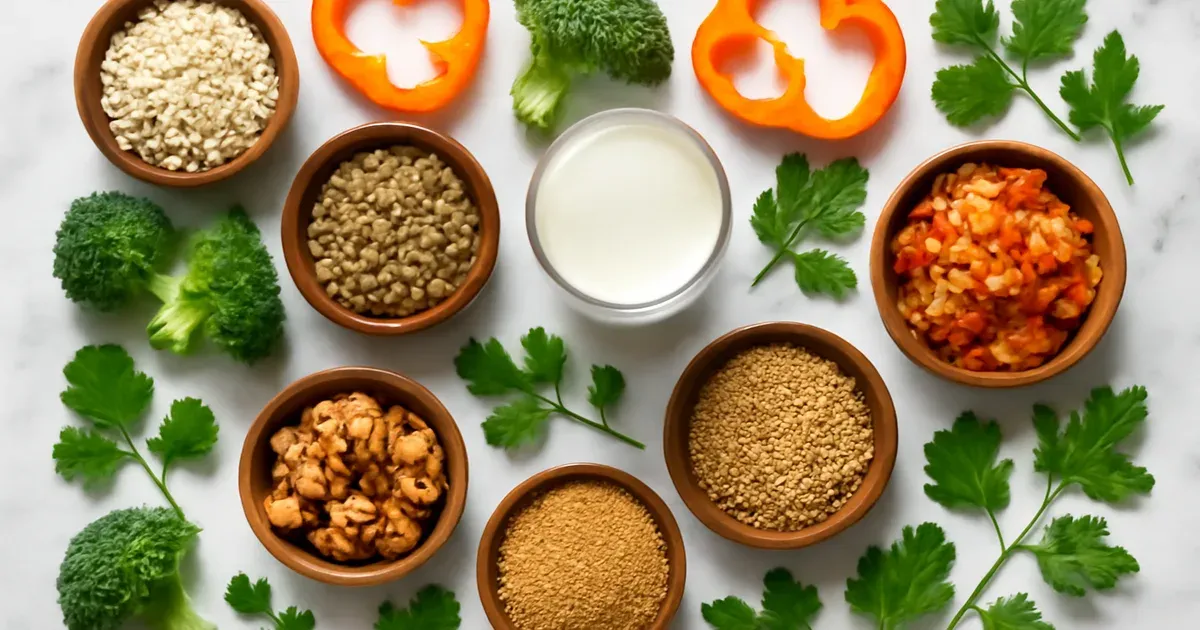
Diversity on the plate drives diversity in the gut. Aim for 30 different plant foods per week — a threshold supported by the British Gut Project's large-scale microbiome dataset. Fibre-rich staples like lentils, oats, broccoli, and flaxseed feed Bifidobacterium and Lactobacillus species. Fermented foods — live-culture yoghurt, kefir, kimchi, sauerkraut — add direct microbial reinforcements.
Healthy fats matter too. Omega-3 fatty acids from oily fish and walnuts reduce intestinal inflammation and support the tight-junction proteins that keep the gut barrier intact. Meanwhile, cutting ultra-processed foods — high in emulsifiers and refined sugars that feed pathogenic bacteria — is arguably the single highest-leverage dietary move available.
Pillar 2 — Lifestyle: Stress, Sleep, and Movement
Chronic stress is a microbiome disruptor as potent as a poor diet. Cortisol alters gut motility, reduces secretory IgA (a frontline immune antibody in the gut), and shifts the microbiome toward stress-tolerant, pro-inflammatory species. Techniques like diaphragmatic breathing, expressive journaling, and structured downtime directly modulate the gut-brain axis by dampening the hypothalamic-pituitary-adrenal response.
Sleep is when the gut repairs itself. During deep sleep, the migrating motor complex — a wave-like muscle contraction — sweeps the small intestine clean. Consistently under seven hours disrupts this process, promoting bacterial overgrowth. Seven to nine hours of quality sleep is not a luxury; for gut health, it's a clinical intervention.
Exercise shifts the microbiome toward health in measurable ways. Studies on endurance athletes show higher levels of butyrate-producing bacteria like Akkermansia muciniphila and Faecalibacterium prausnitzii. Even moderate-intensity walking for 30 minutes daily increases microbial diversity within weeks.

Pillar 3 — Supplements: Strategic, Not Scattergun
The supplement industry is noisy, but the evidence for a short list of compounds is solid. A multi-strain probiotic containing Lactobacillus acidophilus, Bifidobacterium longum, and Lactobacillus rhamnosus GG is the most well-studied starting point for restoring balance after dysbiosis. Pair it with a prebiotic fibre (inulin or partially hydrolysed guar gum) to feed the strains you're introducing.
Omega-3s (EPA and DHA at 1–2 g daily) reduce gut inflammation and support the production of specialised pro-resolving mediators that turn off the inflammatory response once a threat is cleared. Digestive enzymes — particularly protease and lipase — can compensate for age-related declines in enzyme output and significantly reduce post-meal bloating.
Trent's book cautions against piling on every trending supplement at once. Introduce one new supplement every two to three weeks, track symptoms in a simple journal, and cut anything that doesn't move the needle within six weeks.
Pillar 4 — Targeted Fixes for Common Problems
Intermittent fasting is one of the most microbiome-friendly interventions available to men over 40. A 14–16 hour overnight fast gives the gut lining time to repair, allows the migrating motor complex to complete its sweep, and promotes autophagy in intestinal cells. Many men report dramatic reductions in bloating within two weeks of adopting a consistent eating window.
Brain fog linked to gut dysbiosis often clears as the microbiome improves — but it also responds to direct gut-brain axis interventions. Expressive journaling (writing freely about stressors for 15–20 minutes) has been shown in RCTs to reduce both psychological stress markers and gut permeability over an 8-week period. The mechanism runs through the vagus nerve: reduced psychological arousal lowers gut inflammation.
Pillar 5 — Sustainable Habits and Personalisation
No gut-healing plan survives contact with real life unless it's built around your actual schedule. Trent recommends a gut health checklist — daily fibre targets, hydration goals, sleep windows, and a simple symptom log — that takes under five minutes to complete. The checklist serves a dual purpose: it anchors the habit and generates data that reveals which variables most affect your personal symptoms.
Handling setbacks is part of the plan, not a deviation from it. Travel, holidays, and work stress will disrupt routines. Pre-planning portable fermented foods, committing to a minimum viable sleep window, and returning to baseline probiotics within 48 hours of disruption keeps the microbiome resilient rather than fragile.

What the Research Says About Long-Term Gut Health
The stakes extend well beyond daily comfort. Large cohort studies link higher gut microbiome diversity to reduced risk of type 2 diabetes, cardiovascular disease, colorectal cancer, and neurodegenerative conditions including Alzheimer's disease. The gut-brain axis in particular is under intense scientific scrutiny: dysbiosis has been found in a disproportionate share of Parkinson's patients, sometimes predating motor symptoms by years.
For men in their 40s, this represents a genuine inflection point. The microbiome is plastic — capable of significant positive change within weeks of dietary and lifestyle intervention. Acting now doesn't just resolve today's bloating; it builds the microbial foundation for the decades ahead.
Jax Trent's own story underscores the point. Competing in Ironman 70.3 events while managing gut dysfunction, he reverse-engineered the science into a repeatable protocol. The result is a framework grounded in both peer-reviewed evidence and the lived reality of a busy man's life.
The Bottom Line
Gut health for men over 40 is not a niche wellness trend — it's a foundational health priority. The microbiome governs energy production, immune calibration, hormonal balance, and the gut-brain axis signals that shape mood, focus, and resilience. The decline that starts in the 40s is real, measurable, and — critically — reversible.
Five pillars cover the ground: a diverse, fibre-rich diet with fermented foods; stress management and quality sleep; targeted supplementation; specific fixes for bloating, weight, and brain fog; and a personalised, setback-proof habit system. None requires a dramatic lifestyle overhaul. All are supported by robust science.
Start with one change this week. Add two fermented food servings. Extend your overnight fast by two hours. Begin a symptom journal. The microbiome responds faster than most people expect — and once you feel the difference, you won't want to go back.
Frequently Asked Questions
How quickly can gut health improve in men over 40?
Measurable microbiome changes can occur within two to four weeks of consistent dietary and lifestyle changes. Subjective improvements in bloating, energy, and sleep quality are often reported within the first ten days of increasing dietary fibre and adding fermented foods. Full restoration of microbial diversity takes longer — typically three to six months of sustained effort.
What are the best probiotic strains for men over 40?
The most evidence-backed strains for adult men include Lactobacillus acidophilus NCFM, Bifidobacterium longum Bi-07, and Lactobacillus rhamnosus GG. These strains have been studied in randomised controlled trials for their effects on gut barrier integrity, immune modulation, and digestive comfort. Always pair a probiotic with a prebiotic fibre source for maximum colonisation.
Does intermittent fasting really help gut health?
Yes — the evidence is compelling. A 14–16 hour overnight fast activates the migrating motor complex, reduces small intestinal bacterial overgrowth risk, and supports gut lining repair through autophagy. Most men find a 16:8 eating window (eating between noon and 8 pm) practical to maintain without affecting energy during workouts or work performance.
How does the gut-brain axis affect mood and brain fog?
The gut-brain axis is a two-way communication highway running primarily through the vagus nerve and the enteric nervous system. When gut dysbiosis disrupts tryptophan metabolism, serotonin precursor availability drops, contributing to low mood and poor concentration. Restoring microbiome balance — combined with stress-reduction practices that calm the vagal tone — typically improves both brain fog and mood within four to eight weeks.
Can gut health impact testosterone levels in men over 40?
Emerging research suggests a meaningful connection. The gut microbiome influences the metabolism of oestrogen and androgens through enzymes encoded in a group of gut bacteria sometimes called the "estrobolome." Poor gut health is also associated with higher systemic inflammation, which suppresses Leydig cell testosterone production. Improving microbial diversity and reducing gut permeability may therefore support healthier testosterone levels alongside conventional lifestyle measures.