7 High-Fibre Foods That Also Boost Your Gut Health
Discover 7 high-fibre foods that boost gut health UK adults need — backed by NHS guidance, microbiome science, and the gut-brain connection.

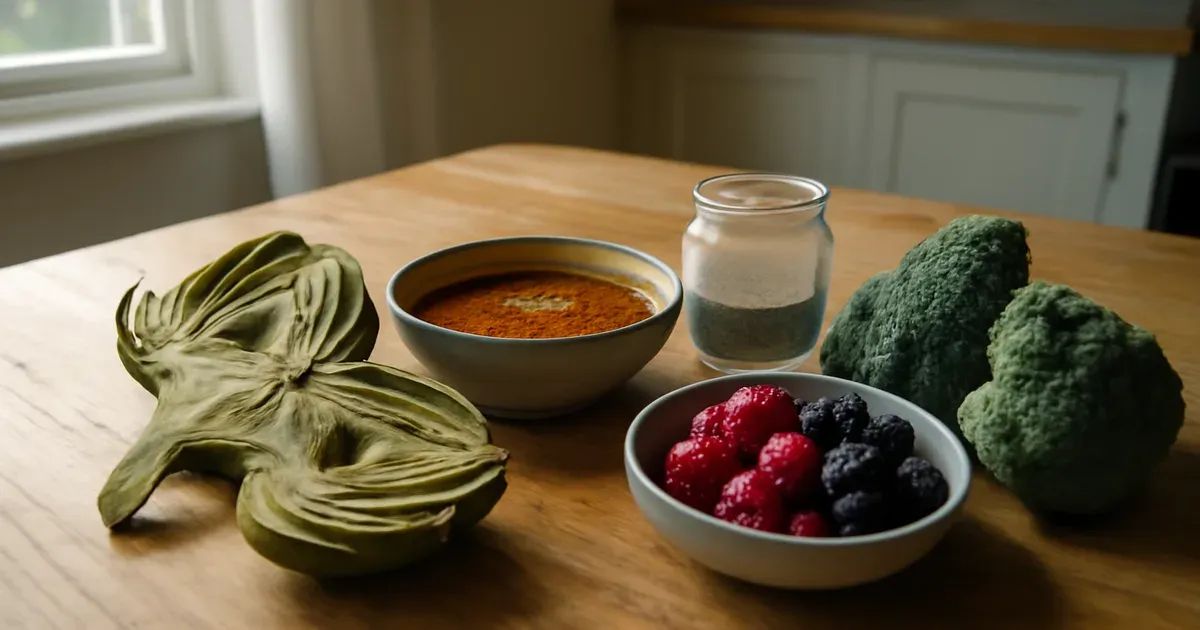
Most people in the UK are eating half the fibre they need — and feeling it. Bloating, energy crashes, persistent hunger, and sluggish digestion are often the first signs your gut microbiome is not getting enough fuel. The good news is that a handful of specific foods can close that gap without piling on calories, and they do far more than keep you regular.
The science is unambiguous. A landmark 2019 systematic review in The Lancet found that people consuming 25–29 g of fibre daily had 15–30% lower risk of all-cause mortality, coronary heart disease, type 2 diabetes, and colorectal cancer compared to low-fibre eaters (Reynolds et al., 2019). Yet the average UK adult consumes only around 18 g per day — well below the NHS recommendation of 30 g.
1. Artichokes — The Gut Microbiome's Favourite Vegetable
Artichokes deliver an extraordinary 17.2 g of fibre per 100 calories — the highest fibre-to-calorie ratio of any whole food. A single medium cooked artichoke provides 10.3 g of fibre for just 60 calories. Much of that fibre is inulin, a prebiotic that selectively feeds Bifidobacterium and Lactobacillus species in the gut. Research from King's College London's British Gut Project has consistently linked higher prebiotic intake with greater microbial diversity. Add artichoke hearts to salads, pasta, or flatbreads to hit a meaningful fibre target without overloading your calorie budget.
2. Raspberries — The Best Fruit for Your Gut-Brain Connection
Raspberries provide 12.5 g of fibre per 100 calories, outperforming bananas and oranges two to three times over on a per-calorie basis. One cup (123 g) delivers 8 g of fibre and just 64 calories. Beyond satiety, raspberry polyphenols act as prebiotics in their own right — a study from the University of Reading demonstrated that berry polyphenols selectively increase beneficial Bifidobacterium populations. These bacteria produce short-chain fatty acids (SCFAs) that communicate directly with the vagus nerve, reinforcing the gut-brain connection. Stir a cup of raspberries into overnight oats for an effortless 8 g fibre boost at breakfast.
3. Broccoli — The Cruciferous Ally for Gut Lining Integrity
Broccoli achieves a fibre-to-calorie ratio of 9.3 g per 100 calories, making it one of the most efficient vegetables in the UK Eatwell Guide. One cooked cup provides 5.1 g of fibre for only 55 calories. Crucially, broccoli also contains glucosinolates, which gut bacteria convert into compounds that support the integrity of the intestinal lining — reducing the low-grade gut inflammation linked to mood disorders via the gut-brain axis. NHS dietary guidance already highlights cruciferous vegetables as a priority. Aim for two to three portions of broccoli or similar brassicas each week to support both fibre intake and gut lining health.
4. Lentils — The Legume That Feeds Your Microbiome All Day
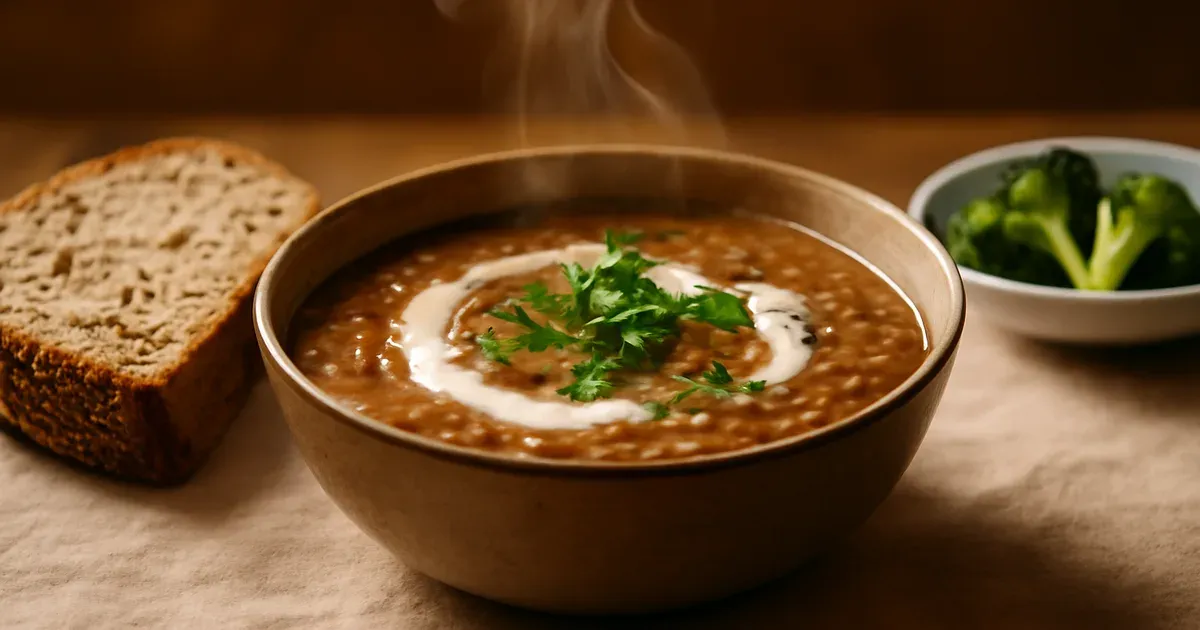
Lentils are the single most efficient legume for total fibre delivery, offering 15.6 g per cooked cup for 230 calories. Their fibre-to-calorie ratio sits at 6.8 g per 100 calories — modest by vegetable standards, but the sheer volume of fibre in one serving is unmatched. Lentil fibre is predominantly soluble, forming a gel in the gut that slows glucose absorption and feeds SCFA-producing bacteria. UK Biobank data suggests that regular legume consumption is associated with reduced inflammatory markers — a finding relevant to both gut and brain health. A bowl of lentil soup at lunch can deliver more than half your daily 30 g NHS fibre target in one sitting.
Did you know? Increasing dietary fibre raises circulating GLP-1 — an appetite-suppressing hormone — by up to 22% over six weeks, according to research published in Gut (Chambers et al., 2019). GLP-1 is the same hormone targeted by weight-loss medications. Food can move the dial too.
5. Chia Seeds — Tiny Seeds With a Big Gut-Brain Impact
Two tablespoons of chia seeds pack 10 g of fibre for just 138 calories, giving a fibre-to-calorie ratio of 7.2 g per 100 calories. Chia seeds are rich in soluble fibre that absorbs up to twelve times their weight in water, forming a viscous gel that slows gastric emptying and sustains satiety for hours. This gel also becomes a fermentation substrate for gut bacteria, boosting SCFA production — and SCFAs, particularly propionate and butyrate, are now recognised as key messengers in the gut-brain connection. Research supported by the Wellcome Trust has highlighted SCFA signalling as a promising area for mood and cognition research in the UK. Add chia seeds to smoothies, yoghurt, or porridge — they are widely available in UK supermarkets and require no preparation.
6. Split Peas — The Overlooked British Diet Staple
Split peas offer 16.3 g of fibre per cooked cup — the highest absolute fibre content in this list — at a fibre-to-calorie ratio of 7.1 g per 100 calories. A fixture of traditional British cooking (think pease pudding and split pea soup), they are an affordable, accessible choice for improving gut health naturally in the UK. Split pea fibre ferments slowly in the colon, providing a sustained energy source for microbiome communities that produce butyrate — the primary fuel for colonocytes, the cells lining your gut wall. The British Dietetic Association (BDA) recommends pulses as a core strategy for hitting the 30 g daily fibre target on a budget. Swap white rice for split peas at dinner and you add roughly 15 g of fibre for a similar calorie count.
7. Blackberries — A Wild Microbiome Booster Grown in UK Hedgerows
Blackberries deliver 12.3 g of fibre per 100 calories, fractionally behind raspberries but still exceptional. One cup provides 7.6 g of fibre and just 62 calories. What makes blackberries particularly relevant to UK microbiome research is their anthocyanin content — dark pigments that resist digestion and reach the colon largely intact, where they act as direct prebiotics. A study from Imperial College London found that colonic fermentation of anthocyanins produces metabolites that modulate immune responses in the gut lining. Wild blackberries are free to forage across much of the UK from late summer, making them one of the most accessible ways to improve gut health naturally. Eat them fresh, frozen, or blended — heat processing retains most of the fibre and polyphenol content.
How to Hit 30 g of Fibre Daily Using These Foods
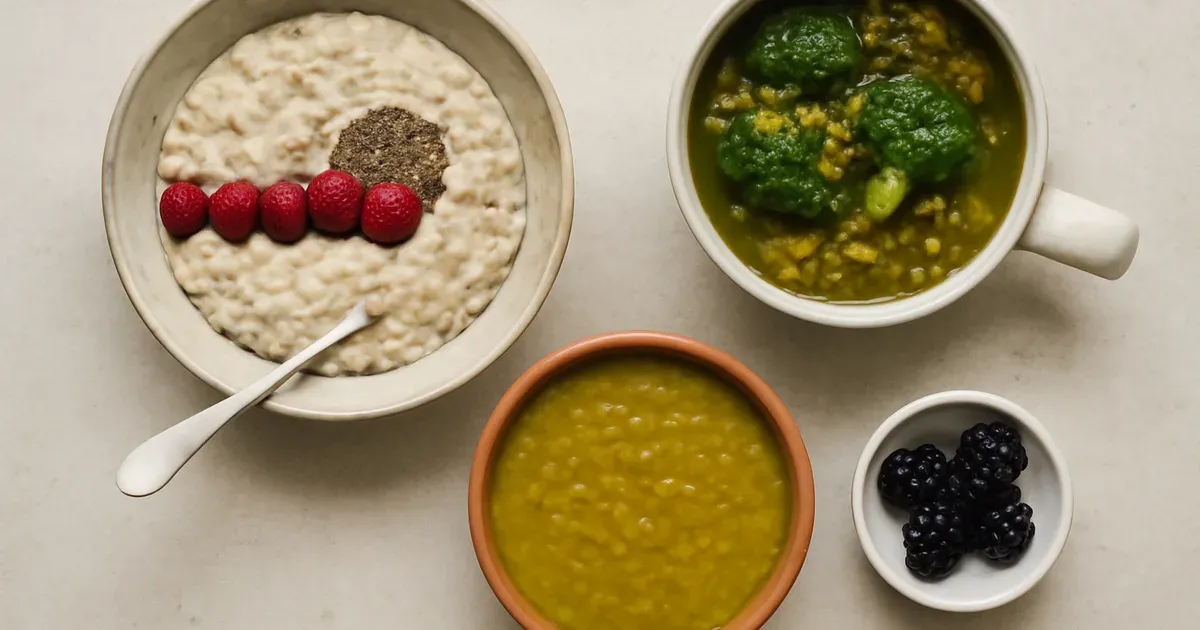
The 10-10-10 method is the simplest structure for UK adults aiming to meet NHS fibre recommendations without overhauling every meal. Target roughly 10 g of fibre at each main meal:
- Breakfast: Porridge oats + raspberries + chia seeds ≈ 12 g fibre
- Lunch: Lentil and broccoli soup ≈ 11 g fibre
- Dinner: Split pea dhal + a side of blackberries ≈ 12 g fibre
Daily total: 35 g fibre — comfortably above the NHS 30 g target.
Combining high-fibre foods with adequate protein amplifies the satiety effect further. Research published in The American Journal of Clinical Nutrition found that meals combining 25 g+ of protein with 8 g+ of fibre produced 31% greater self-reported fullness compared to protein alone (Dhillon et al., 2015). Pair lentils with grilled chicken, or chia seeds with Greek yoghurt, to maximise both gut health and appetite regulation.
The takeaway is straightforward. Fibre is not just about digestion — it is the primary fuel for your gut microbiome, a regulator of appetite hormones, and a key player in the gut-brain connection that influences mood, cognition, and long-term health. The seven foods in this list give you the most fibre for the fewest calories, making them the most efficient tools available for improving gut health in the UK without restrictive eating.
Start with one swap this week. Replace your morning juice with whole raspberries, or stir chia seeds into your porridge. Small, consistent changes compound into measurably different microbial communities within weeks — and a measurably different you.
You might also like
- How to Improve Gut Health Naturally in 6 Steps
- Gut Health UK: Improve Your Microbiome Naturally
- How to Improve Gut Health Naturally in 5 Steps
Frequently Asked Questions
How much fibre do I need per day according to NHS guidelines?
The NHS recommends 30 g of dietary fibre per day for adults in the UK. Most UK adults currently consume around 18 g — roughly 60% of the target. Children need less: 15 g for ages 2–5, 20 g for ages 5–11, and 25 g for ages 11–16, according to the British Nutrition Foundation.
What is the gut-brain connection and how does fibre support it?
The gut-brain connection refers to the bidirectional communication network between your gastrointestinal tract and your central nervous system, mediated largely by the vagus nerve, the enteric nervous system, and chemical messengers including short-chain fatty acids (SCFAs). When gut bacteria ferment dietary fibre, they produce SCFAs — particularly butyrate and propionate — that signal directly to the brain, influencing mood, appetite, and stress responses. Eating more fibre is one of the most evidence-based ways to support this system.
Can I improve my gut microbiome quickly by eating more fibre?
Research suggests meaningful shifts in microbiome composition can occur within two to four weeks of consistently increasing dietary fibre intake. A study supported by the MRC found that participants who increased fibre intake showed measurable increases in beneficial Bifidobacterium species within three weeks. The key is consistency and variety — eating a range of high-fibre foods (vegetables, legumes, fruits, seeds) feeds different bacterial species and promotes overall microbial diversity.
Are fibre supplements as effective as whole foods for gut health in the UK?
Whole foods are consistently superior to isolated fibre supplements for gut health, because they deliver fibre alongside polyphenols, vitamins, minerals, and fermentable compounds that work synergistically. The British Dietetic Association advises meeting fibre targets through food first. Supplements such as psyllium husk can be useful when whole food intake is genuinely difficult, but they should not replace dietary diversity — the single biggest predictor of a healthy gut microbiome identified by UK microbiome research.
Which high-fibre foods are best for the gut-brain connection specifically?
Prebiotic-rich foods that produce the most butyrate and propionate have the strongest documented links to gut-brain signalling. These include artichokes (inulin), lentils and split peas (resistant starch and soluble fibre), chia seeds (soluble gel-forming fibre), and berries (polyphenols + fibre). Combining these with fermented foods such as live yoghurt, kefir, or sauerkraut — widely available in UK supermarkets — provides both the fibre substrate and the live bacteria to ferment it.
96 Bacterial Strains. Two Shots a Day.
GOODIE is an award-winning fermented drink with 96 live bacterial strains — more than any yogurt or kombucha — never pasteurised, clinically tested, and 8 in 10 users felt less bloating within 14 days. Curious?