Gut Health & Menopause: Your Biggest Questions Answered
Discover how gut health during menopause is linked to hormones, the microbiome, and the gut-brain axis — plus evidence-based tips to ease symptoms.


If you've noticed your digestion, mood, and energy shifting as you approach or enter menopause, you're not imagining it — and you're far from alone. The relationship between gut health during menopause and hormonal change is complex, still emerging, and genuinely important. This article cuts through the confusion, answers your most-searched questions, and explains what the current science actually says about your microbiome and midlife hormonal transitions.

Jump to Your Question
What is the connection between gut health and menopause?
How do changing hormones affect the gut microbiome?
Can poor gut health make menopause symptoms worse?
What should I eat to support gut health during menopause?
Does stress affect gut health during perimenopause?
How does hydration support the gut during menopause?
What is the gut-brain axis and why does it matter in menopause?
Can improving gut health reduce menopause symptoms?
What is the connection between gut health and menopause?
Gut health during menopause is shaped by a two-way relationship between sex hormones and the trillions of microorganisms living in your gastrointestinal tract. Research confirms that hormones like estrogen and progesterone directly influence the composition and balance of gut bacteria — and that the gut microbiome, in turn, affects how hormones are metabolised and circulated throughout the body.
As estrogen levels decline during perimenopause and menopause, the diversity of the gut microbiome may also decrease. A less diverse microbiome is generally associated with higher levels of systemic inflammation, weaker immune function, and a greater susceptibility to certain chronic diseases.
A landmark 2021 study examining the gut flora of 9,000 participants found that low bacterial diversity was linked to signs of unhealthy ageing — including cognitive decline, loss of strength and mobility, and poor cardiovascular health. This positions gut microbiome health as a meaningful factor in how women experience the menopausal transition, not just a digestive afterthought.
How do changing hormones affect the gut microbiome?
Declining estrogen during menopause can meaningfully alter the gut microbiome's composition, reducing the richness and variety of bacterial species that typically support immune resilience, metabolic balance, and inflammation control.
The gut microbiome naturally evolves throughout life. It begins developing at birth, diversifies rapidly in response to diet and environment, and is generally considered healthier the more diverse it is. Thousands of distinct bacterial species coexist in the human gut, each playing unique roles — from synthesising vitamins to communicating signals along the gut-brain axis.
When estrogen declines, the protective influence it exerts over microbial diversity appears to weaken. Research published in Nature Metabolism (2021) supports the idea that postmenopausal women show measurable shifts in microbiome composition compared to premenopausal women. These shifts may heighten vulnerability to:
- Poor cardiovascular health
- Depressed mood and anxiety
- Metabolic conditions including obesity and type 2 diabetes
- Reduced cognitive sharpness
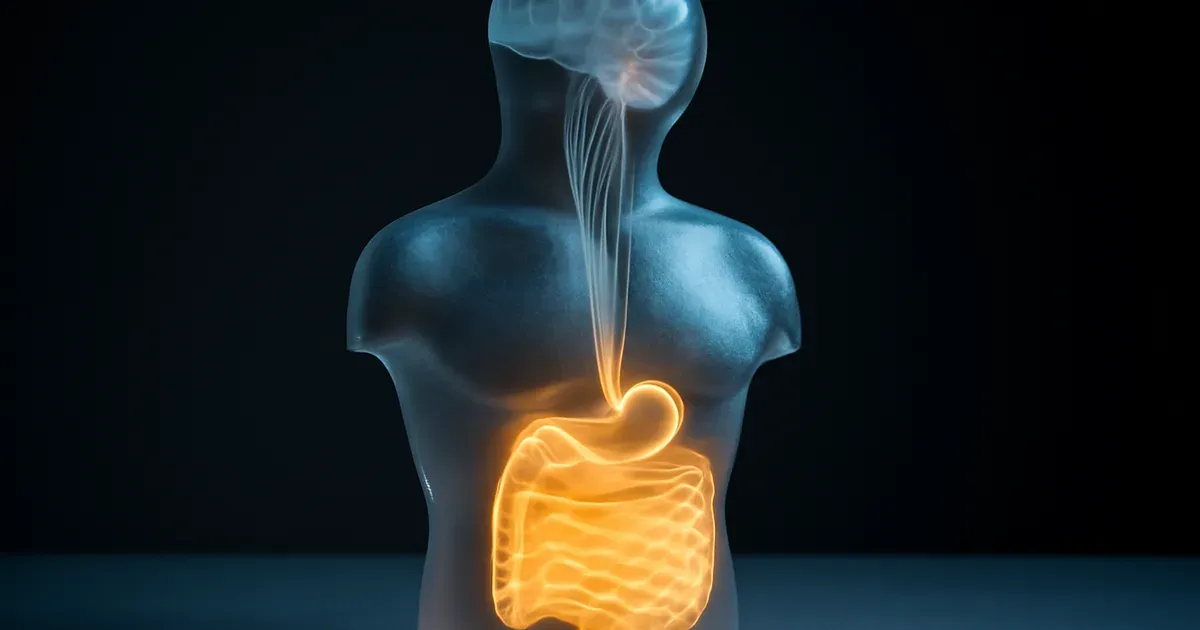
The gut-brain axis — the bidirectional communication network linking gut microbes to the central nervous system — is directly implicated here. When microbial diversity falls, gut-brain signalling may become less efficient, contributing to mood disturbances commonly reported during menopause.
Can poor gut health make menopause symptoms worse?
Yes — poor gut health can amplify several hallmark menopause symptoms, particularly those involving digestion, mood, and inflammation. As hormone levels fluctuate, many women experience bloating, constipation, and diarrhea even without a pre-existing digestive condition.
A compromised gut microbiome may make these symptoms more frequent and severe. When beneficial bacteria are depleted, the gut lining becomes more permeable, inflammatory signals increase, and digestive transit can slow or become erratic.
Beyond digestion, the gut-brain axis means that microbial imbalance can directly influence mood regulation. Many gut bacteria produce or influence neurotransmitters — including serotonin, of which approximately 90% is produced in the gut. Disruptions to this system may contribute to the anxiety, low mood, and brain fog that often accompany menopause.
Key symptoms that poor gut health may worsen include:
- Bloating and gas
- Constipation or irregular bowel movements
- Low energy and fatigue
- Skin changes and irritation
- Mood instability and anxiety
- Food intolerances
Addressing gut health is not a cure for menopause, but supporting your microbiome may reduce the severity of these overlapping symptoms.
What should I eat to support gut health during menopause?
Diet is one of the most powerful tools available for supporting gut health during menopause, and small, consistent changes can produce meaningful results for both digestive comfort and microbiome diversity.
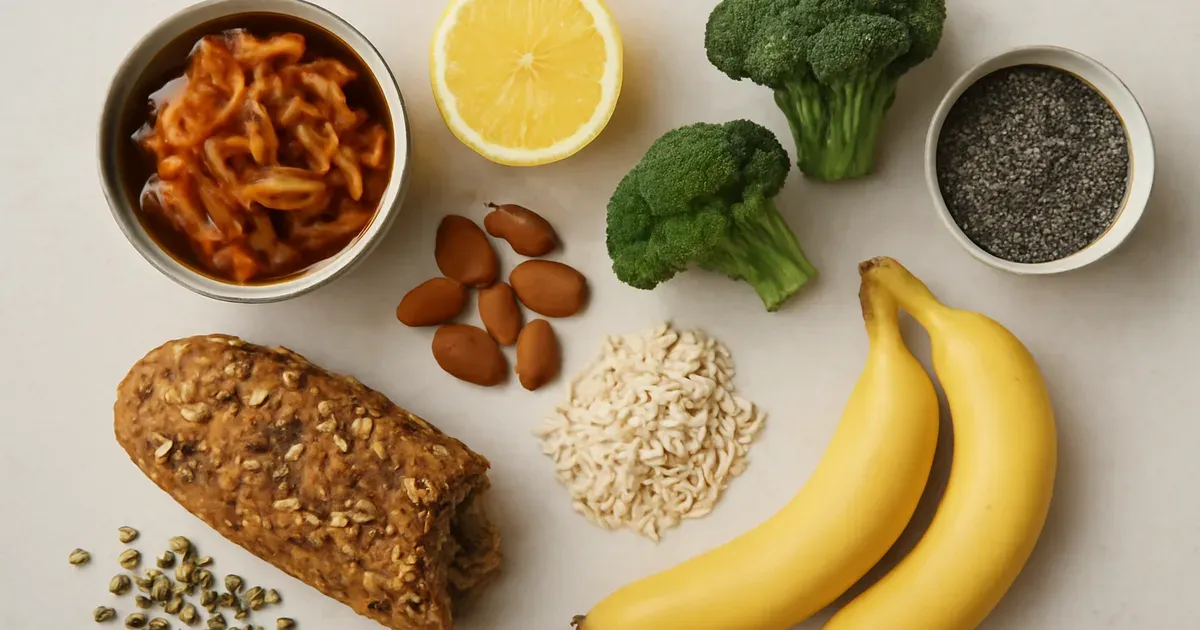
Fibre is the foundation. Current guidelines recommend that women aged 51 and older consume at least 22 grams of fibre per day, while women under 50 should aim for 25–28 grams daily. Fibre feeds beneficial gut bacteria, supports smooth digestion, and is associated with a reduced risk of heart disease, stroke, and certain cancers.
High-fibre foods to prioritise:
- Fresh vegetables: peas, broccoli, carrots
- Fruits: oranges, bananas, strawberries
- Nuts and seeds: almonds, pistachios, chia seeds
- Oats, lentils, and beans
- Whole-grain breads, cereals, and pasta
- Potatoes with skin
Fermented foods — such as yogurt, kimchi, and kefir — introduce live beneficial bacteria directly into the gut, helping to restore and diversify the microbiome. Garlic acts as a prebiotic, feeding existing good bacteria. Collagen-supporting foods like bone broth may help maintain gut lining integrity, which is closely tied to overall microbiome function and gut-brain communication.
Does stress affect gut health during perimenopause?
Chronic stress can significantly disrupt the gut microbiome, and for women navigating perimenopause, the timing couldn't be more challenging — hormonal changes are already placing the gut under pressure.
Stress triggers the release of cortisol and other stress hormones, which can negatively alter the balance and population of gut bacteria. This creates a feedback loop: hormonal disruption weakens the microbiome, a weakened microbiome impairs gut-brain axis signalling, and dysregulated gut-brain communication can intensify the stress response.
Research supports investing in nervous system regulation as a strategy for protecting gut health. Practices that lower cortisol and calm the autonomic nervous system include:
- Meditation and mindfulness — even 10 minutes daily has measurable physiological effects
- Gentle exercise such as walking or yoga
- Hot baths — shown to activate the parasympathetic nervous system
- Breathwork — slow, diaphragmatic breathing directly stimulates the vagus nerve, a key pathway of the gut-brain axis
- Low-stimulation activities like gardening or reading
Prioritising stress management during perimenopause is therefore not just good for mental health — it is a direct investment in gut microbiome resilience.
How does hydration support the gut during menopause?
Staying adequately hydrated is a foundational but often underestimated support for gut health during menopause. Water is essential for digestion — it helps break down food, transport nutrients across the gut lining, and remove metabolic waste efficiently.
Dehydration slows digestive transit, which can worsen constipation and bloating — two symptoms already common during menopause. It can also impair the mucosal lining of the gut, which plays a protective role in maintaining a healthy microbiome environment.
Current guidelines recommend that adult women consume at least 11.5 cups (around 2.7 litres) of fluids per day. However, menopause-specific factors can increase fluid needs significantly:
- Hot flashes and night sweats increase fluid loss through perspiration
- Intense exercise raises hydration demands
- Hot weather accelerates water loss
- Illness can deplete fluid reserves rapidly
Practical tip: If you experience frequent hot flashes, keep a water bottle accessible throughout the day and consider electrolyte-rich drinks to replace minerals lost through sweat.

What is the gut-brain axis and why does it matter in menopause?
The gut-brain axis is the continuous, bidirectional communication network that connects the central nervous system to the enteric nervous system of the gut, mediated by the vagus nerve, immune signals, and microbially produced neurotransmitters.
This connection means that what happens in the gut directly influences brain function — and vice versa. The gut microbiome produces or regulates key neurochemicals including serotonin, dopamine precursors, and GABA, all of which affect mood, cognition, sleep, and stress response.
During menopause, declining estrogen affects gut microbiome diversity. A less diverse microbiome produces fewer of these neurochemicals and sends weaker or dysregulated signals along the gut-brain axis. This may partly explain why many women report cognitive fog, sleep disruption, and mood changes during the menopausal transition — symptoms not always fully explained by hormonal change alone.
Emerging research suggests that nurturing the gut microbiome — through diet, stress management, and lifestyle — may support gut-brain axis function and, in doing so, ease some of the neurological and emotional symptoms of menopause. While this field is still developing, the evidence base is growing rapidly.
Can improving gut health reduce menopause symptoms?
Improving gut health during menopause will not eliminate hormonal change, but evidence suggests it may meaningfully reduce the severity of associated symptoms. A diverse, well-nourished microbiome supports immune regulation, metabolic function, mood stability, and digestive comfort — all of which tend to decline during the menopausal transition.
The science is still unfolding. However, based on current research, the following evidence-based strategies offer the strongest support:
- Increase dietary fibre to feed beneficial gut bacteria and ease digestion
- Eat fermented foods regularly to introduce and sustain diverse microbial populations
- Manage stress actively to protect the gut-brain axis from cortisol-driven disruption
- Stay well hydrated to support digestion and mucosal gut health
- Prioritise sleep — the gut microbiome follows circadian rhythms, and poor sleep can impair microbial diversity
- Limit ultra-processed foods and excess alcohol, both of which reduce bacterial diversity
Every step taken to support the gut microbiome during menopause is also a step toward better cardiovascular health, stronger immunity, and more stable mood — outcomes that extend well beyond the menopausal years.
Bottom Line
- Gut health during menopause is directly linked to hormonal change — declining estrogen reduces microbiome diversity, which can amplify symptoms.
- The gut-brain axis connects microbiome health to mood, cognition, and stress response — making gut care especially important during the menopausal transition.
- Diet, particularly fibre and fermented foods, is the most evidence-backed tool for improving gut health at this life stage.
- Stress management and adequate hydration are underrated but scientifically supported strategies for protecting the microbiome during perimenopause.
- The science is still developing, but taking action to support gut health now pays dividends across multiple dimensions of health and longevity.
Frequently Asked Questions
Is it normal for digestion to change during menopause?
Yes — digestive changes including bloating, constipation, and diarrhea are common during menopause. Hormonal fluctuations affect gut motility and microbiome composition, both of which influence how food is processed and how comfortable digestion feels day to day.
How quickly can diet changes improve gut health during menopause?
Research suggests that dietary changes can begin to shift microbiome composition within days to weeks. Consistent increases in fibre intake and regular consumption of fermented foods are among the fastest-acting nutritional interventions for improving gut bacterial diversity.
Does the gut microbiome affect hot flashes?
Emerging research hints at a connection, though the evidence is still preliminary. The microbiome plays a role in estrogen metabolism, and some scientists believe that gut bacterial activity may influence the frequency and intensity of vasomotor symptoms like hot flashes — though more research is needed.
Can probiotics help with menopause symptoms?
Probiotics — found in fermented foods and supplements — may help restore microbiome diversity that tends to decline during menopause. While they are not a treatment for menopause itself, they may support digestive comfort, mood stability via the gut-brain axis, and immune function.
What foods should I avoid for better gut health during menopause?
Ultra-processed foods, excess alcohol, and high-sugar diets are consistently linked to reduced gut microbial diversity. Limiting these while increasing whole foods, fibre, and fermented options gives beneficial bacteria the best environment to thrive.