Gut Health and Microbiome Dominate 2026 Wellness Trends
Gut health and the microbiome are among the biggest wellness trends of 2026, with growing focus on the gut-brain connection and diet-based interventions in the

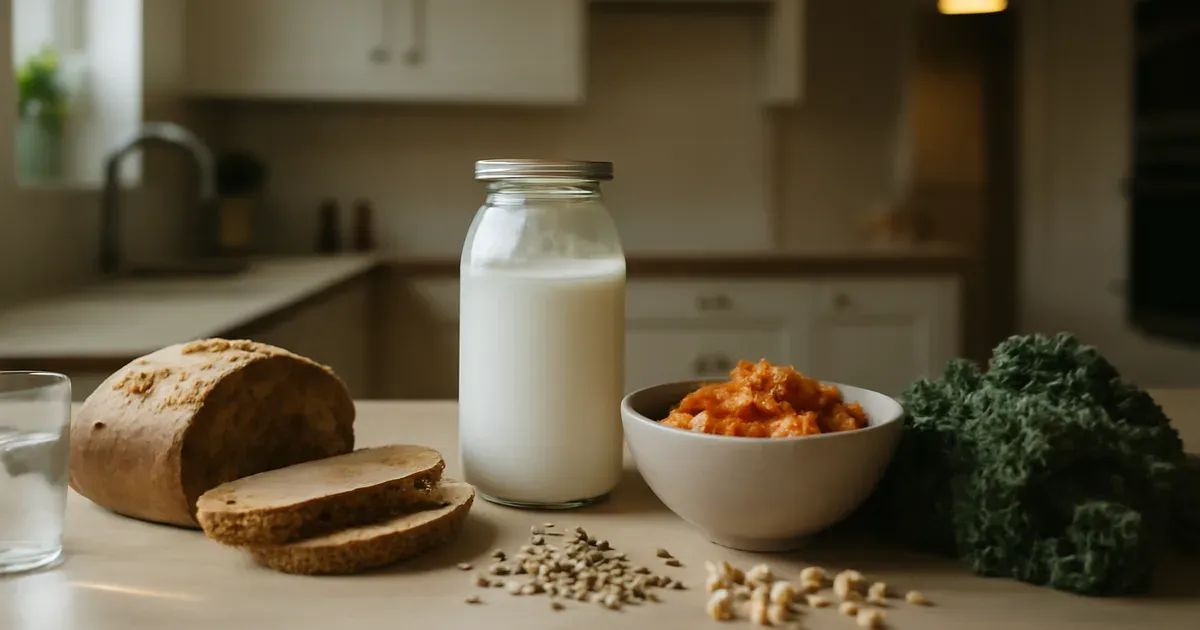
Gut health has emerged as one of the defining wellness trends of 2026, with public interest now extending well beyond digestive complaints such as bloating and constipation, according to a report by Businessupturn.com published on 11 May 2026. The conversation has shifted decisively towards the gut microbiome — the trillions of bacteria, fungi, and other microorganisms living in the digestive tract — and its far-reaching influence on the brain, mood, immunity, and overall health, including in the UK where demand for evidence-based guidance is rising sharply.
Why This Matters
For years, gut health in the UK was largely associated with managing immediate digestive symptoms. That framing has now changed significantly. Per Businessupturn.com, researchers and health commentators are increasingly highlighting the gut-brain connection — the bidirectional communication network linking the gut and the central nervous system — as a key factor in conditions ranging from anxiety and depression to immune dysfunction. In the UK, institutions including King's College London and the British Gut Project have contributed substantially to microbiome UK research, helping to elevate public understanding of how diet shapes this internal ecosystem.
The Gut-Brain Axis Moves to Centre Stage
The gut-brain axis — the biochemical signalling pathway between the gastrointestinal tract and the brain — is now attracting mainstream attention that was previously confined to academic journals, according to the source report. Researchers note that roughly 70 to 80 per cent of the body's immune cells reside in the gut, underlining why microbiome health has implications that stretch far beyond digestion. Per Businessupturn.com, people are increasingly recognising that what they eat directly influences not only physical wellbeing but also mental health outcomes, a shift that is prompting renewed interest in how to improve gut health naturally through dietary choices.
What This Means for UK Health-Conscious Adults
For health-conscious adults in the UK, the 2026 trend signals a practical opportunity to reassess everyday habits. Aligning dietary choices with guidance from bodies such as the British Dietetic Association and the NHS — including increasing dietary fibre intake in line with the UK Eatwell Guide — offers a research-supported starting point. Per the source, interest in fermented foods, prebiotics, and diverse plant-based diets is growing as people seek accessible, evidence-led ways to support their microbiome.
The mainstreaming of gut-brain science marks a meaningful shift in how the UK public approaches preventive health. As microbiome UK research continues to accelerate, the evidence base for dietary and lifestyle interventions that support both gut and mental health is expected to strengthen further in the months ahead.
You might also like
- How to Boost Natural GLP-1 for Gut Health (No Drugs)
- 7 Oral Microbiome Mistakes Harming Your Gut Health
- Gut-Immune Axis: How Microbiome Drives Inflammation
96 Bacterial Strains. Two Shots a Day.
GOODIE is an award-winning fermented drink with 96 live bacterial strains — more than any yogurt or kombucha — never pasteurised, clinically tested, and 8 in 10 users felt less bloating within 14 days. Curious?