Gut Memory May Drive Long-Term Inflammation
New findings suggest the gut retains a "memory" of past inflammation, affecting microbiome health and long-term wellbeing, per mindbodygreen.

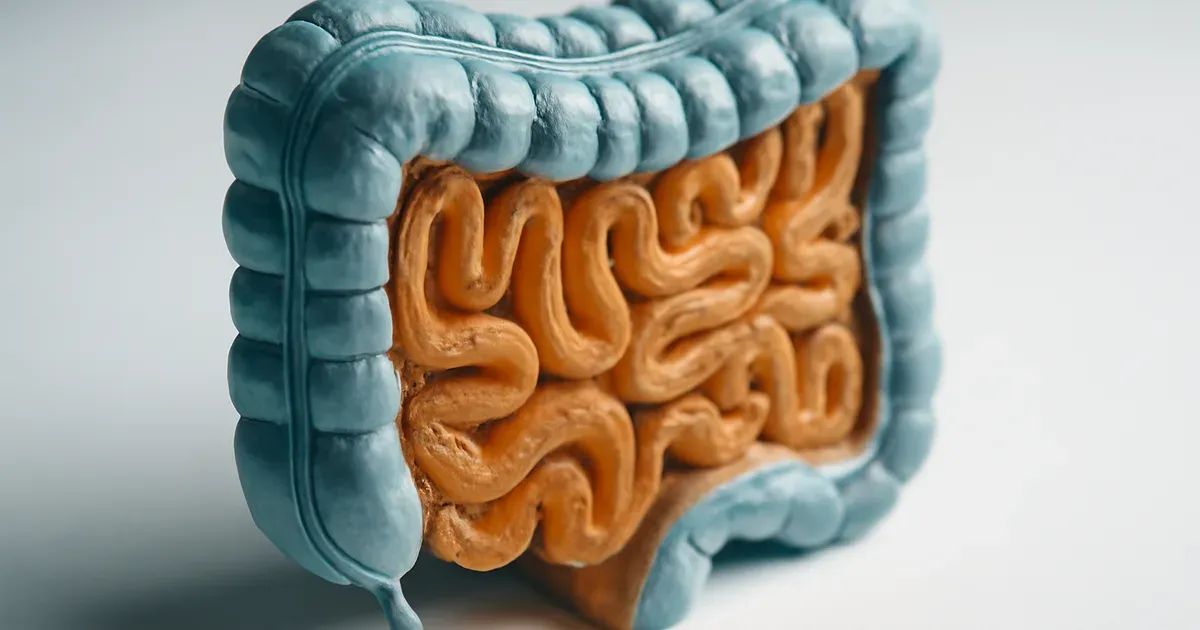
New research highlights that the gut may retain a biological "memory" of past inflammation — a finding that could reshape how scientists understand long-term digestive and systemic health. According to mindbodygreen.com, this gut memory phenomenon means that even after an illness or flare-up appears to resolve, the gut's inflammatory response may leave a lasting imprint, with real consequences for microbiome balance and overall wellbeing.
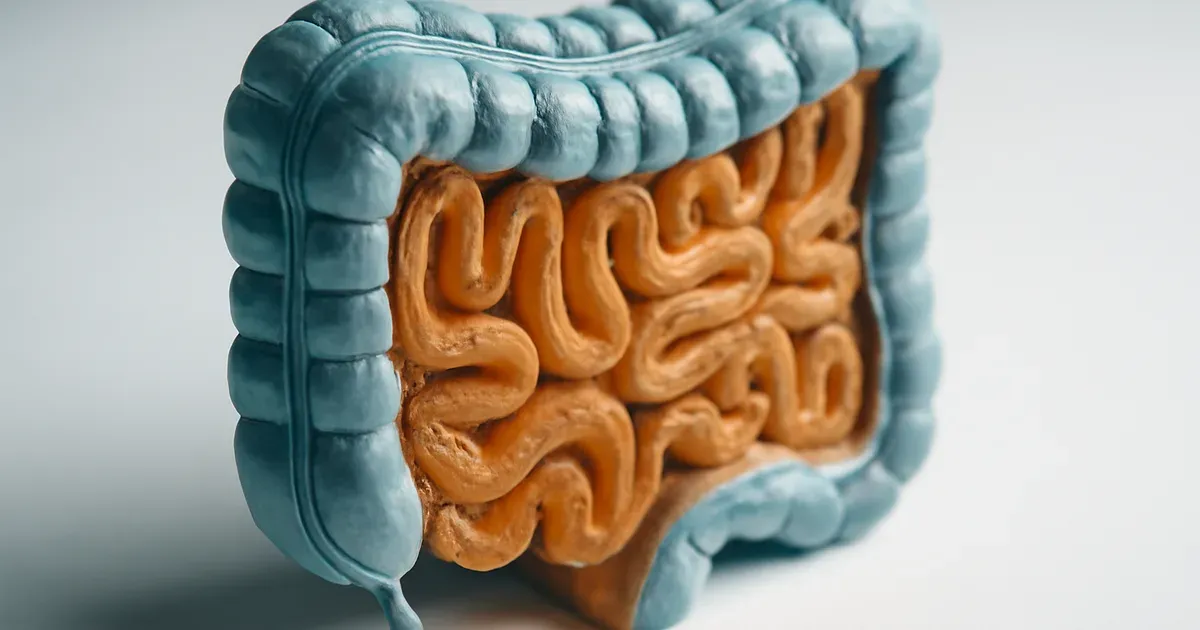
Why Gut Health Memory Matters
Conventional thinking treats gut inflammation as a temporary event — something that flares, resolves, and leaves no trace. But per mindbodygreen, biology doesn't always follow that script. Emerging understanding of the gut-brain axis and microbiome research suggests the intestinal environment can be fundamentally altered by past inflammatory episodes. This means a single significant gut disruption could influence immune signalling, microbiome composition, and even mood long after the original trigger has gone. The gut-brain connection makes this finding especially significant for mental and physical health alike.
What the Science Says About Gut Inflammation Persistence
According to mindbodygreen, researchers now recognise that gut tissue can retain epigenetic or cellular changes following inflammation — a form of immunological memory embedded in the gut lining itself. This is distinct from the broader microbiome, which is itself highly sensitive to shifts in diet, stress, and lifestyle. Scientists report that the gut-brain axis amplifies these effects, with persistent gut signals potentially influencing neurological and psychological outcomes. The implication, per the source, is that healing the gut requires more than simply removing the original stressor.
What This Means for Your Microbiome and Daily Habits
For people focused on gut health and microbiome resilience, this research underscores why consistency in daily habits matters. According to mindbodygreen, small but sustained changes — such as dietary adjustments and stress management — may help counteract the gut's inflammatory memory over time. The gut-brain relationship means that improvements in gut environment can ripple outward, potentially supporting mood, cognition, and immune function. Waiting for symptoms to disappear before acting may not be sufficient, researchers suggest.
The key takeaway from mindbodygreen's reporting is that gut health is not simply reactive — the gut actively encodes past experiences at a biological level. For anyone navigating digestive issues, chronic inflammation, or gut-brain symptoms, understanding this memory mechanism may be the missing piece in building a genuinely resilient microbiome.