Gut Microbiome & Immunity: Your Top Questions Answered
Learn how the gut microbiome and immune system interact, why dysbiosis triggers autoimmune disease, and what gut-brain science means for your health.

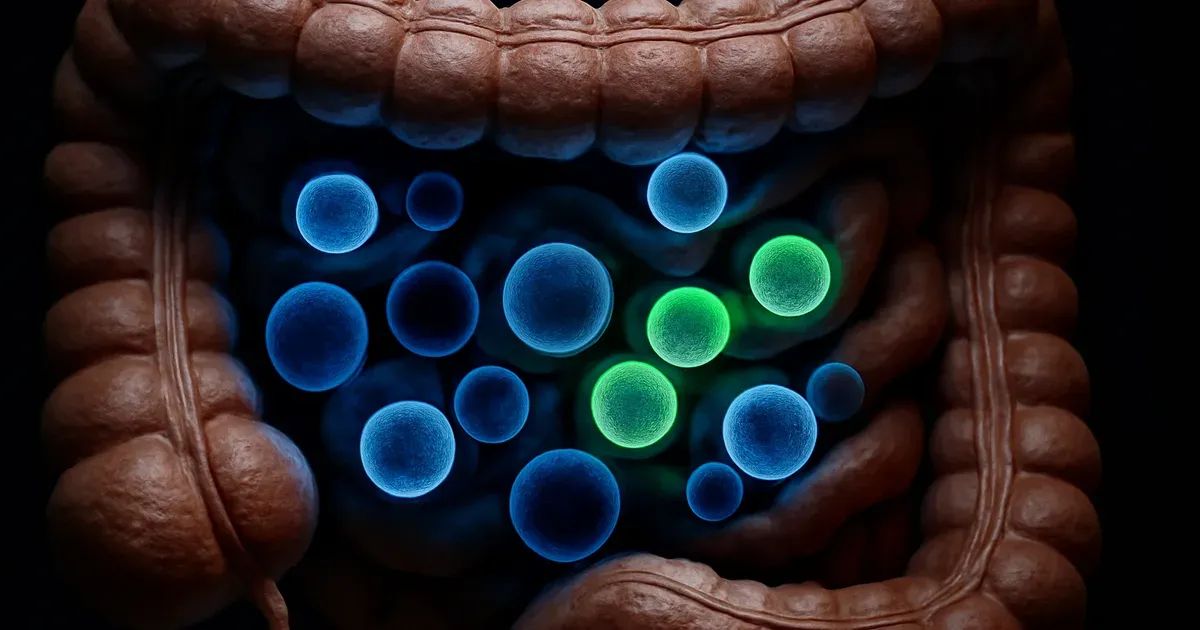
The relationship between the gut microbiome and immune system is one of science's fastest-moving frontiers — and also one of the most confusing. You may have heard that "gut health" affects everything from allergies to brain fog, but sorting fact from hype is genuinely hard. This guide cuts through the noise, translating peer-reviewed research into clear, direct answers to the questions people are actually searching for.
Jump to Your Question
What is the gut microbiome and why does it matter for immunity?
How does the gut microbiome regulate the immune system?
Can an imbalanced gut microbiome cause autoimmune disease?
What is the gut-brain axis and how does gut health affect the brain?
Germ-free vs. conventional gut: what does the science show?
Which specific gut bacteria are most important for immune homeostasis?
Can diet and probiotics actually improve gut immune health?
What are the most promising microbiome-based therapies for autoimmune conditions?
What is the gut microbiome and why does it matter for immunity?
The gut microbiome is the vast community of trillions of bacteria, fungi, and other microorganisms living in the gastrointestinal tract — and it is arguably the most influential ecosystem in the human body. These microbes have co-evolved with humans over millennia, developing an intricate partnership that goes far beyond simple digestion.
The microbiome contributes to nutrient production, detoxification, and — critically — the education and ongoing regulation of the immune system. Without a healthy, diverse microbial community, the immune system simply cannot function optimally.
Key functions of the gut microbiome include:
- Digestion and nutrient synthesis (including vitamins B and K)
- Pathogen protection by outcompeting harmful bacteria
- Immune system calibration, teaching immune cells to distinguish friend from foe
- Gut barrier maintenance, preventing "leaky gut" and systemic inflammation
Research using next-generation sequencing has transformed our ability to study these communities, making it possible to characterise gut microbiota without needing to culture every species in a lab.
How does the gut microbiome regulate the immune system?
The gut microbiome and immune system are in constant, bidirectional communication, with microbial signals shaping nearly every branch of immune activity — from frontline innate defences to the precision responses of adaptive immunity.
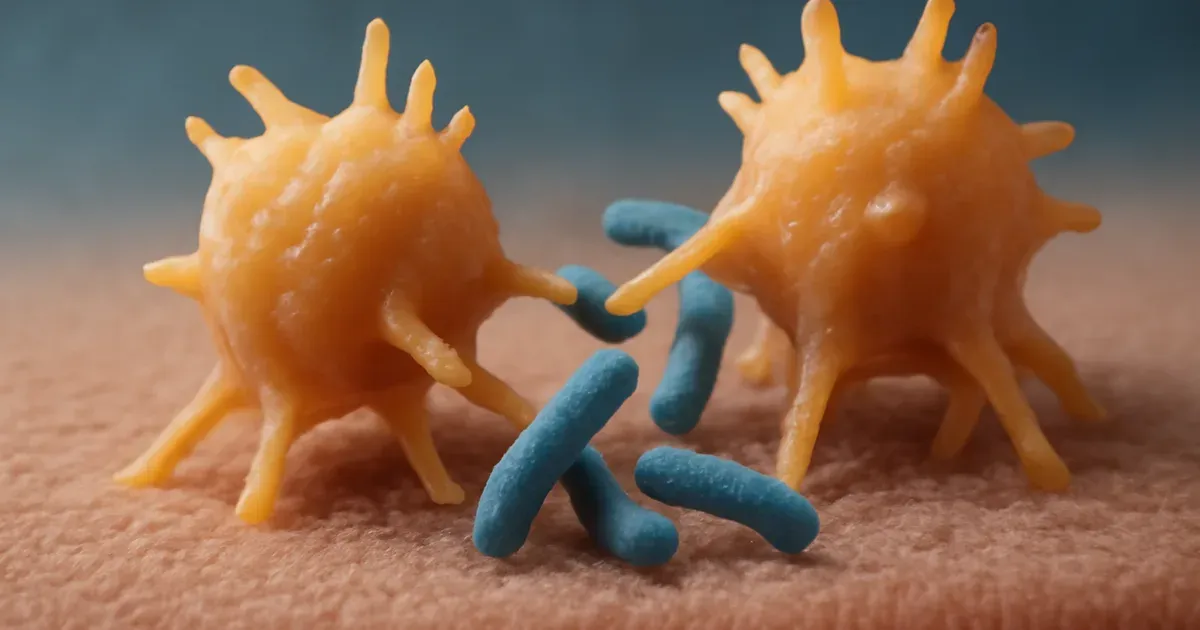
Innate immunity is the body's first line of defence. Gut-resident antigen-presenting cells (APCs) — including dendritic cells (DCs) and macrophages — are specially adapted to tolerate the presence of beneficial microbes while still responding to genuine threats. Dendritic cells in Peyer's patches (lymphoid nodules embedded in the gut wall) produce high levels of the anti-inflammatory cytokine IL-10, helping maintain peace with commensal bacteria.
Intestinal macrophages develop what researchers call "inflammation anergy" — a state where they deliberately do not fire off pro-inflammatory signals in response to routine microbial contact. This tolerance is essential for gut homeostasis.
Adaptive immunity is shaped by microbiota too. Microbial metabolites and molecular patterns drive the differentiation of T helper cells, regulatory T cells (Tregs), and antibody-producing B cells — all of which determine how vigorously and specifically the body responds to threats.
Can an imbalanced gut microbiome cause autoimmune disease?
Yes — disruptions to the gut microbiome, known as dysbiosis, are increasingly linked to the onset and progression of autoimmune diseases, both within the intestine and in distant organs such as joints, the brain, and the thyroid.
In healthy individuals, the immune system maintains "self-tolerance" — the ability to recognise and leave healthy tissue alone. When gut microbial communities are destabilised, this tolerance can break down, causing the immune system to mistakenly attack the body's own tissue.
Autoimmune conditions associated with gut dysbiosis include:
- Inflammatory bowel disease (IBD) — Crohn's disease and ulcerative colitis
- Rheumatoid arthritis
- Multiple sclerosis
- Type 1 diabetes
- Lupus (systemic lupus erythematosus)
Animal models have been particularly revealing here. Germ-free rodents — raised in completely sterile environments with no gut microbiota — show profound immune defects and altered susceptibility to autoimmune conditions, depending on which bacteria are later introduced. This makes a compelling case that specific microbial communities are causally involved, not merely correlated.
What is the gut-brain axis and how does gut health affect the brain?
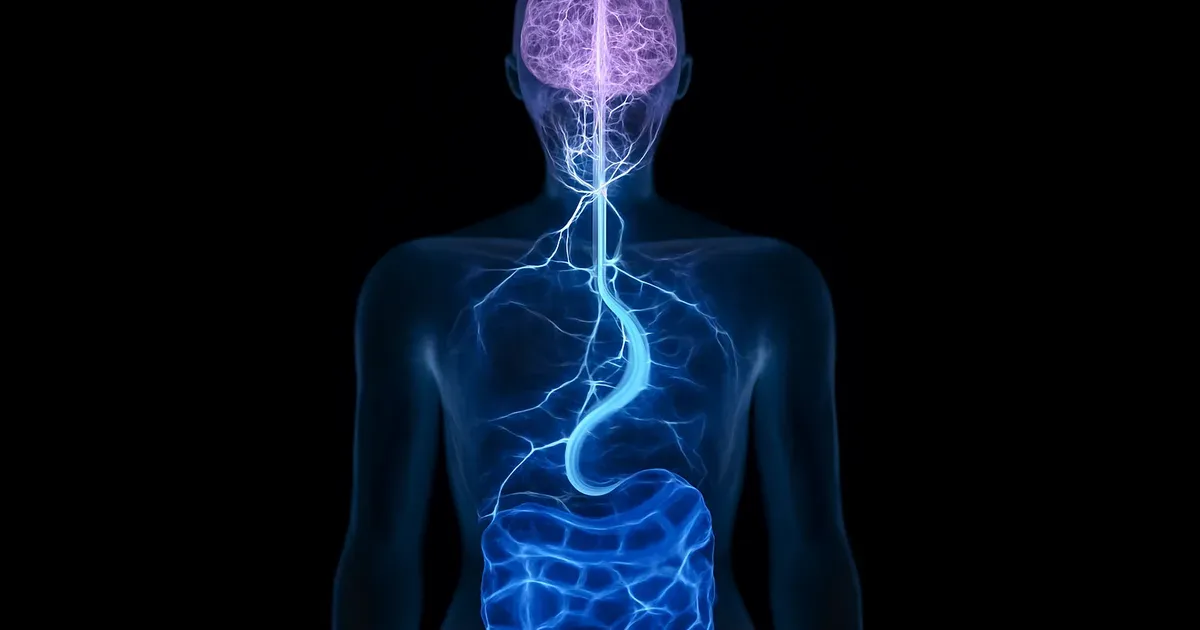
The gut-brain axis is the two-way communication network linking the gastrointestinal tract with the central nervous system, connecting gut microbes, immune signals, and neural pathways in ways that profoundly affect mood, cognition, and neurological health.
The gut is sometimes called the "second brain" because it contains approximately 500 million neurons — more than the spinal cord. These neurons communicate with the brain via the vagus nerve, as well as through immune mediators and microbial metabolites that can cross the blood-brain barrier.
From a gut-health perspective, this means:
- Chronic gut inflammation can elevate systemic cytokine levels that impair brain function
- Short-chain fatty acids (SCFAs) produced by gut bacteria influence neuroinflammation and mood regulation
- Dysbiosis has been linked to anxiety, depression, and conditions like Parkinson's disease
- Gut microbiome diversity correlates with cognitive resilience in ageing populations
The immune connection is central: when gut microbes trigger immune dysregulation, the inflammatory signals produced don't stay local. They travel systemically — and that includes reaching the brain. Maintaining gut microbiome health is therefore not only an intestinal concern but a neurological one.
Germ-free vs. conventional gut: what does the science show?
Germ-free (GF) animal models — in which animals are raised in sterile environments with zero microbial exposure — have provided some of the most definitive evidence that the gut microbiome and immune system are inseparable.
Comparing GF animals with conventionally housed animals reveals dramatic immune deficits in the absence of microbiota.
| Feature | Germ-Free Animals | Conventional Animals |
|---|---|---|
| Intestinal dendritic cells | Significantly reduced | Normal levels |
| Neutrophil count | Neutropenic (low) | Normal |
| Macrophage activation markers | Absent (e.g., MHC class II) | Present |
| NK cell IL-22 production | Absent | Normal |
| Systemic immune responses | Impaired | Robust |
GF rats also show impaired neutrophil function — reduced superoxide anion and nitric oxide generation — and interestingly, simply moving them to a normal environment could not fully restore normal neutrophil behaviour. This suggests that early microbial exposure during development is critical and cannot always be compensated for later in life.
The reconstitution experiments — introducing specific bacteria into GF animals — allow scientists to identify which microbes are responsible for particular immune functions, providing a roadmap for future therapies.
Which specific gut bacteria are most important for immune homeostasis?
Several specific bacterial species and groups have been identified as key regulators of gut immune homeostasis, each influencing different branches of the immune system through distinct molecular mechanisms.
Notable examples from the research include:
- Escherichia coli — Even a single-species colonisation of GF animals with E. coli was sufficient to recruit dendritic cells back to the intestines, demonstrating how powerfully individual microbes can shape local immune architecture.
- Microbe-derived ATP — Bacterial ATP stimulates a specialised subset of dendritic cells expressing CD70 and CX3CR1, which then drive Th17 cell differentiation — a cell type central to both gut defence and autoimmune risk.
- Peptidoglycan-producing bacteria — Peptidoglycan fragments are recognised by the cytosolic receptor NOD1, which enhances the killing activity of bone marrow neutrophils. This is a striking example of how gut-derived signals reach and modulate systemic immune cells far from the intestine.
From a gut health standpoint, microbial diversity matters enormously. No single "good" bacterium exists in isolation; it is the ecological balance of communities — and the metabolites they collectively produce — that determines immune outcomes.

Can diet and probiotics actually improve gut immune health?
Diet is the most powerful modifiable factor shaping the gut microbiome and, by extension, immune function — with fibre-rich, diverse diets consistently associated with greater microbial diversity and stronger immune regulation.
The mechanism is largely metabolic. When gut bacteria ferment dietary fibre, they produce short-chain fatty acids (SCFAs) such as butyrate, propionate, and acetate. These molecules directly influence immune cell behaviour — promoting Treg development, reducing inflammatory signalling, and strengthening the gut barrier.
Practical dietary approaches with evidence behind them:
- High-fibre foods (legumes, vegetables, wholegrains) feed beneficial bacteria and boost SCFA production
- Fermented foods (yoghurt, kefir, kimchi, sauerkraut) introduce live beneficial microbes
- Polyphenol-rich foods (berries, olive oil, green tea) selectively nourish beneficial bacterial strains
- Antibiotic stewardship — unnecessary antibiotics can devastate microbial diversity, sometimes for months
On probiotics: the evidence is nuanced. Certain strains — particularly Lactobacillus and Bifidobacterium species — show consistent benefits in specific contexts (e.g., antibiotic-associated diarrhoea, IBS). But blanket probiotic supplementation is not a substitute for a diverse, whole-food diet. The gut-brain axis may also benefit: several probiotic trials have reported measurable reductions in anxiety and depressive symptoms, likely via immune and vagal pathways.
What are the most promising microbiome-based therapies for autoimmune conditions?
The most promising microbiome-based therapies aim to restore healthy microbial communities or harness specific microbial signals to reset immune dysregulation in autoimmune disease. This field is still emerging, but the scientific foundations are now solid enough to support clinical trials.
Approaches currently under investigation include:
- Faecal microbiota transplantation (FMT) — transferring stool from a healthy donor to restore a disrupted microbiome; already approved for recurrent C. difficile infection and being trialled in IBD, MS, and rheumatoid arthritis
- Targeted probiotics and synbiotics — precision strains designed to restore specific immune functions (e.g., Treg induction)
- Postbiotics — purified microbial metabolites such as SCFAs or specific cell wall components (like peptidoglycan) delivered therapeutically
- Microbiome-modulating diets — structured dietary protocols that reliably shift microbial composition toward immune-regulatory profiles
The gut-brain dimension of autoimmune therapy is also gaining traction. Neuroinflammatory conditions such as multiple sclerosis increasingly show gut microbiome signatures, and trials exploring whether microbiome restoration can slow neurological progression are underway.
As researchers better understand the cellular and molecular interactions between specific commensals and immune cells, treatments will become increasingly targeted — moving away from broad-spectrum antibiotic use toward precision microbiome engineering.
Bottom Line
- The gut microbiome and immune system are deeply intertwined — microbial signals shape innate defences, adaptive immunity, and self-tolerance from birth onwards.
- Dysbiosis (microbial imbalance) is causally linked to autoimmune diseases, both intestinal (like IBD) and systemic (like rheumatoid arthritis and MS).
- The gut-brain axis means gut health is brain health — inflammation originating in the gut can drive neurological and psychiatric conditions via immune and neural pathways.
- Diet is the most accessible lever for microbiome health — fibre diversity, fermented foods, and avoiding unnecessary antibiotics make a measurable difference.
- Microbiome-based therapies (FMT, precision probiotics, postbiotics) are moving from lab to clinic, offering genuine hope for autoimmune conditions that currently have limited treatment options.